Olympic National Park’s mosaic of rainforest, alpine meadows, and coastline supports a wide variety of native species but is increasingly exposed to nonnative plants and animals carried in by people, pets, and changing climates. Even a single introduced organism can spread across connected habitats, altering food webs and degrading sensitive sites.
There are 12 Invasive Species in Olympic National Park, ranging from American bullfrog to Tansy ragwort. For each entry you’ll find below the columns: Scientific name, Type, Where found (habitat), plus brief notes on distribution and impacts. This organized list makes it easier to spot high-risk species and understand where they tend to appear—see the details you’ll find below.
How do these invasive species affect park ecosystems?
Invasive species compete with native plants and animals for food and habitat, alter soil and water dynamics, introduce disease, and can reduce biodiversity; for example, American bullfrogs prey on native amphibians while plants like Tansy ragwort can change plant community composition and harm wildlife. Park managers prioritize control where impacts are greatest and protect sensitive habitats through monitoring and removal.
What can visitors do to help prevent their spread?
Clean boots, gear, and pets of soil and seeds before and after visits, stay on designated trails, don’t move firewood or release plants/animals, and report suspicious sightings to park staff or the park’s reporting hotline—simple steps greatly reduce accidental introductions.
Invasive Species in Olympic National Park
| Name | Scientific name | Type | Where found (habitat) |
|---|---|---|---|
| English ivy | Hedera helix | Plant | Forest understory,riparian edges,trails |
| Himalayan blackberry | Rubus armeniacus | Plant | Open areas,forest edges,disturbed ground,roadsides |
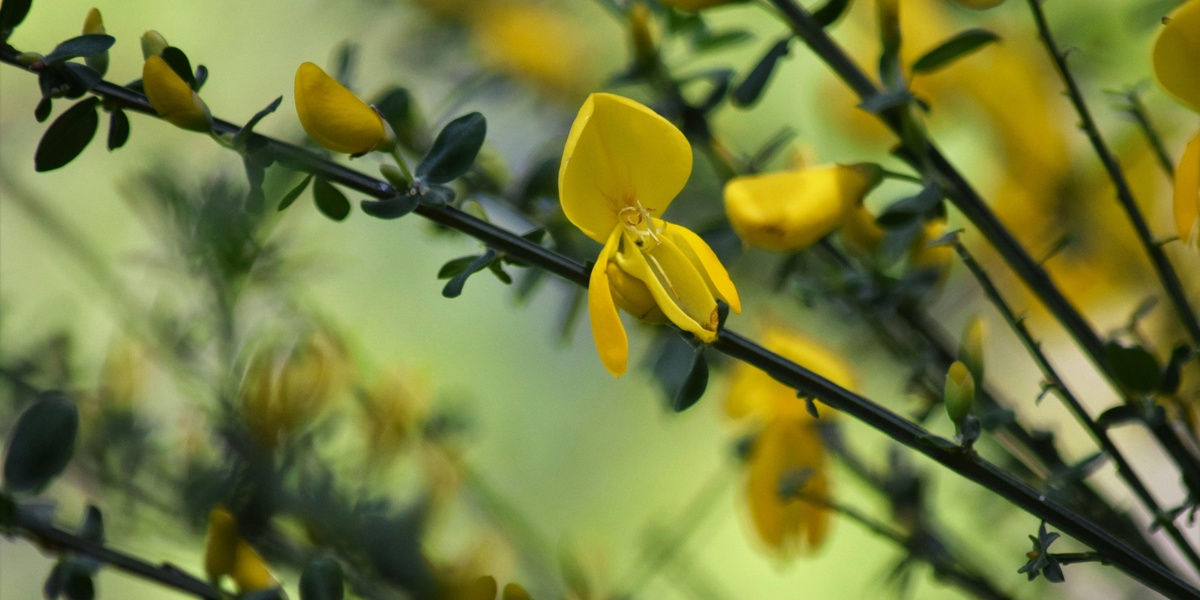
| Scotch broom | Cytisus scoparius | Plant | Open forests,meadows,roadsides,coastal bluffs |
| Reed canarygrass | Phalaris arundinacea | Plant | Wet meadows,riverbanks,riparian wetlands |
| European beachgrass | Ammophila arenaria | Plant | Coastal dunes,foredunes (Pacific coast) |
| Japanese knotweed | Reynoutria japonica | Plant | Riparian corridors,roadsides,disturbed soils |
| Tansy ragwort | Jacobaea vulgaris | Plant | Coastal meadows,roadsides,disturbed ground |
| Brook trout | Salvelinus fontinalis | Animal | Cold lakes and streams,high-elevation lakes |
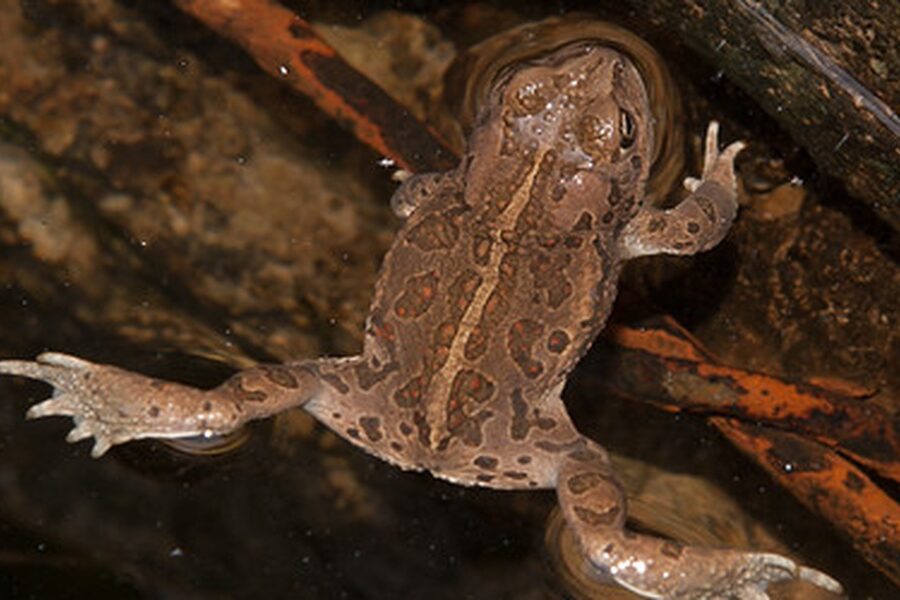
| American bullfrog | Lithobates catesbeianus | Animal | Ponds,lakes,lowland wetlands |
| Sargassum muticum | Sargassum muticum | Alga | Intertidal rocky shores,protected bays,harbors |
| Codium fragile | Codium fragile subsp. tomentosoides | Alga | Intertidal and shallow subtidal rocky habitats |
| European green crab | Carcinus maenas | Animal | Intertidal beaches,estuaries,eelgrass beds |
Images and Descriptions
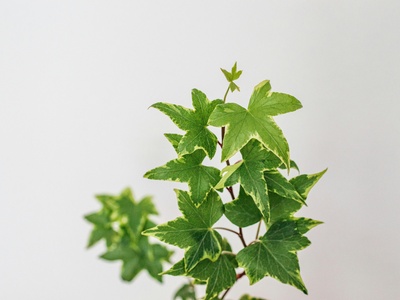
English ivy
Evergreen vine from Europe that climbs trees and smothers the forest floor, forming dense mats that shade native seedlings and increase tree-fall risk. Managers remove by pulling and cut-stump herbicide; report infestations to Olympic NP invasive plant staff for follow-up.
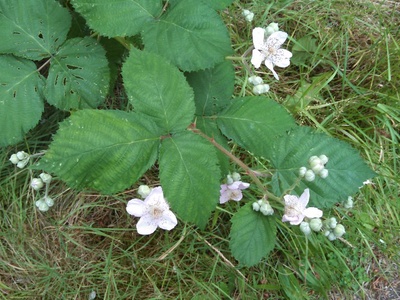
Himalayan blackberry
Thorny cane shrub from Europe/Asia forming impenetrable thickets along trails and clearings. Spreads by birds and runners, outcompetes native shrubs and blocks access. Control relies on cutting, digging and herbicide; report large patches to park invasive plant crews.
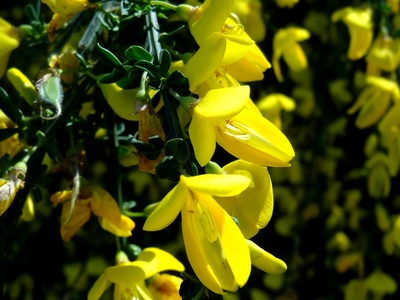
Scotch broom
Woody legume from Europe that colonizes sunny sites and coastal bluffs, creating dense, single-species stands. Fixes nitrogen and alters soils, increases fire risk and displaces natives. Management uses pulling, cut‑stump herbicide and monitoring; report sightings on trails and meadows.
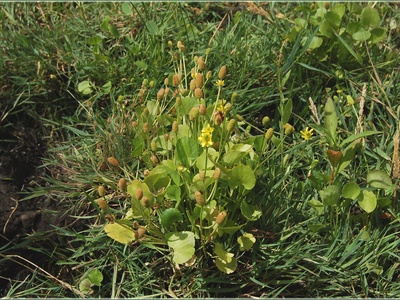
Reed canarygrass
Tall Eurasian perennial grass that forms dense, monotypic stands in wetlands and river edges, reducing plant diversity and degrading amphibian and bird habitat. Difficult to control; managers use mowing, targeted herbicide and hydrologic measures—report wetland invasions promptly.
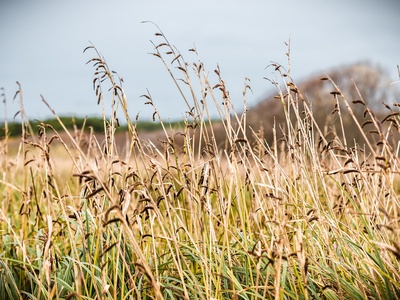
European beachgrass
Introduced dune grass that stabilizes foredunes and alters natural sand movement, crowding out native dune specialists and reducing habitat for ground-nesting birds. Common on Olympic Pacific beaches; removed mechanically with revegetation using native plants—report dune colonization.

Japanese knotweed
Stout perennial from East Asia with bamboo-like stems and aggressive rhizomes along streams and roadsides. Forms dense thickets that displace native plants and can increase bank erosion. Very persistent; report sightings so managers can plan control.
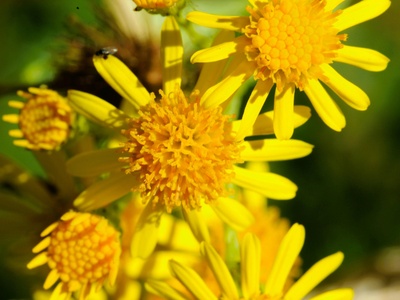
Tansy ragwort
Yellow-flowering Eurasian weed that invades meadows and disturbed sites. Toxic to livestock and wildlife, it crowds out native wildflowers and can reduce forage quality. Managed by mowing, targeted herbicide and biological control; report patches near trails or meadows.
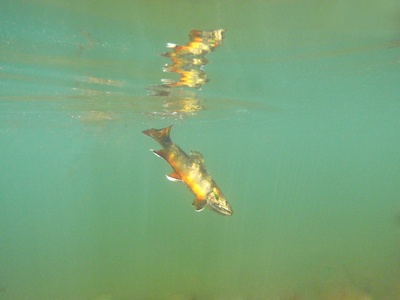
Brook trout
Non-native char from eastern North America introduced to some Olympic lakes and streams. Small trout that prey on native amphibians and aquatic invertebrates, altering food webs. Park managers remove or monitor populations to restore native species—report notable catches.
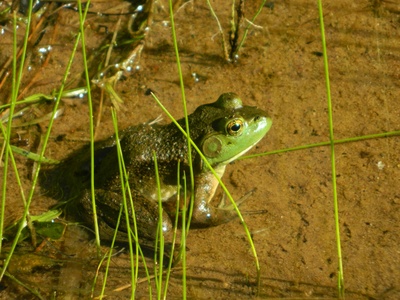
American bullfrog
Large non-native frog introduced for food and recreation, now breeding in some lowland ponds. Voracious predator on native frogs, birds and invertebrates; adults can reach about 20 cm. Managers trap and remove populations; report sightings and breeding calls.
Sargassum muticum
Asian brown alga with long, bushy fronds that forms dense attached and floating mats in sheltered bays and tide zones. Competes with native seaweeds and alters habitat for shellfish. Spreads on floats and boats; report coastal finds to park staff.
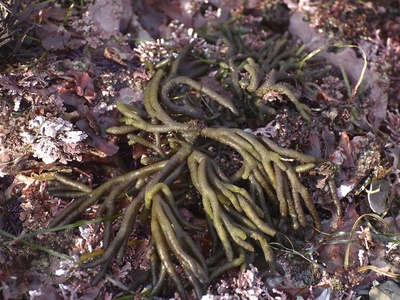
Codium fragile
Green invasive seaweed from Europe that forms soft, spongy mats on rocks and fouls shellfish gear and docks. Can outcompete native algae and impact harvests. Local removals are sometimes used; report sightings to Olympic NP or WDFW.
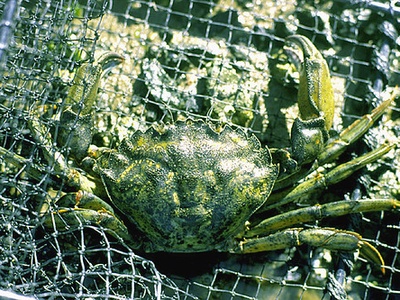
European green crab
Small invasive crab from Europe that invades estuaries and rocky shores and eats clams, mussels and native crabs, disrupting food webs and eelgrass habitat. Carapace about 5–10 cm. Detected regionally; report live finds immediately to park and WDFW.