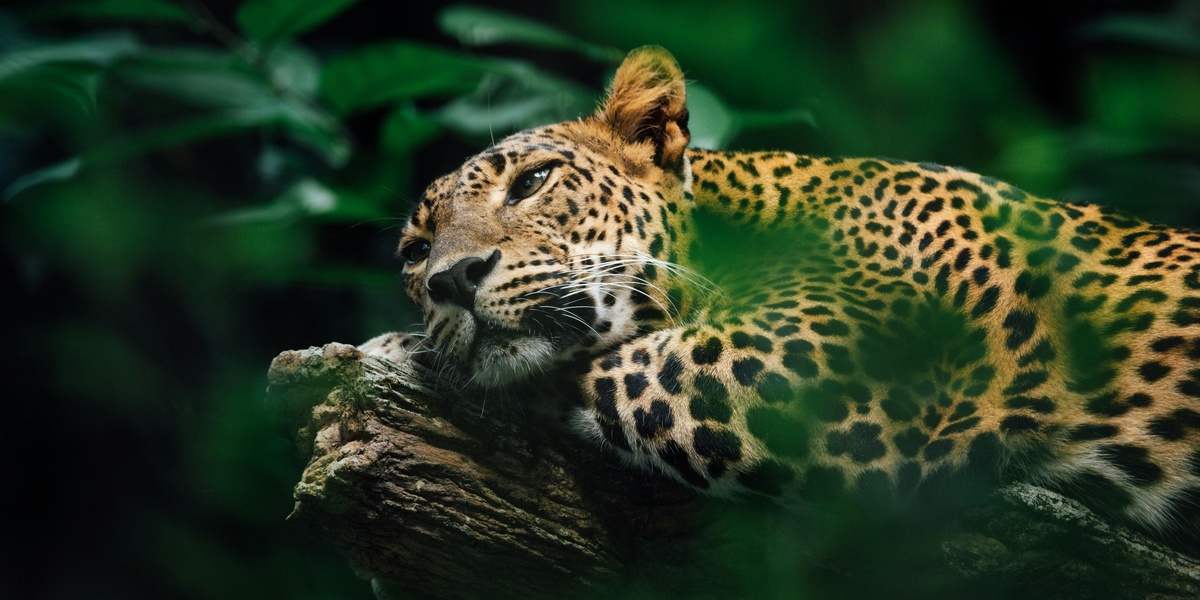
A 19th-century naturalist in the Amazon once sent back a specimen labeled simply “spotted cat”—only later did scientists realize jaguars and leopards had been confused in museum cabinets for decades. That mix-up makes sense at first glance. Both are powerful, rosetted big cats and both have tangled with people for centuries.
But the two species are distinct in ways that matter for field identification, ecosystem roles, and conservation planning. Knowing the differences helps wildlife guides, researchers, and travelers make better decisions in the field. It also affects how we protect habitats, manage human–wildlife conflict, and fund the right conservation programs.
Below are five clear distinctions—in size, coat pattern and skull anatomy, behavior and hunting style, habitat and range, and conservation status—and why each difference matters. For readers who want deeper numbers, check IUCN, WWF, Panthera, and National Geographic sources cited by field guides and peer-reviewed studies.
Appearance & Physical Differences
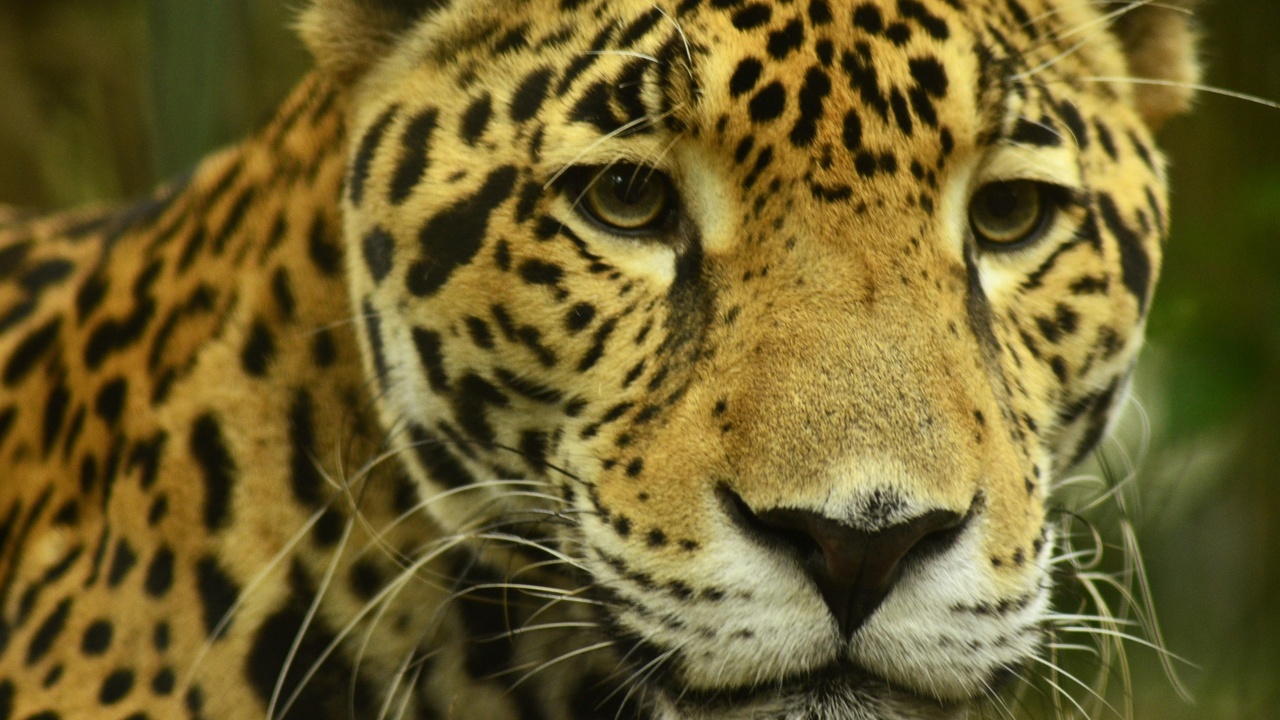
Appearance is the quickest way most people tell these cats apart. Differences in overall build, coat markings, and skull shape reflect distinct ecologies and hunting techniques. Field guides rely on measurable metrics—weight, body length, rosette form—to separate Panthera onca and Panthera pardus reliably.
1. Size and Build
Jaguars are generally the heavier, stockier species; leopards are more slender and long-bodied. Adult male jaguars commonly weigh between roughly 56–96 kg and measure about 1.12–1.85 m in head-and-body length (tail excluded). Female jaguars are smaller but still robust.
By contrast, adult male leopards usually weigh about 31–65 kg, with females about 21–60 kg, and head-and-body lengths commonly from 0.9–1.6 m. Those averages vary by region—Pantanal jaguars trend large; some African savanna leopards are on the heavier end of leopard ranges.
The compact, muscular build of jaguars helps them deliver crushing bites and handle heavily armored or aquatic prey. Leopards’ lighter, more flexible frames aid climbing and dragging carcasses into trees for safekeeping.
2. Coat, Rosettes, and Skull Differences
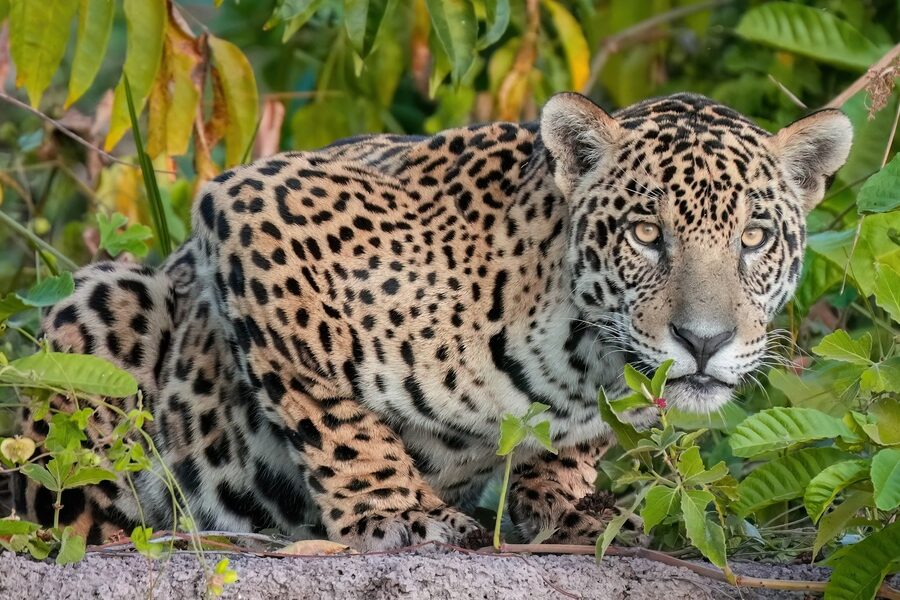
Rosettes—those open rings of fur—are a reliable visual clue. Jaguar rosettes tend to be larger, fewer per square inch, and often include a dark central spot. Leopard rosettes are smaller, closer together, and usually lack a central spot, producing a denser patterned look.
Tail length differs too: leopards typically have relatively longer tails (helpful for balance in trees) while jaguars have shorter, thicker tails proportionate to their stockier bodies. If you measure, a leopard’s tail can be roughly 60–90% of its body length; jaguar tails are usually a smaller percentage.
Skull and jaw anatomy diverge markedly. Jaguars have exceptionally strong jaws and a robust skull, giving them a bite powerful enough to pierce skulls or turtle shells. Museum comparisons and field measurements show broader zygomatic arches and shorter, deeper snouts in jaguars compared with leopards.
Note that melanistic leopards (black panthers) can appear similar to jaguars in low light. Look closely for rosette shape and body proportions rather than coat color alone.
Behavior & Ecological Differences
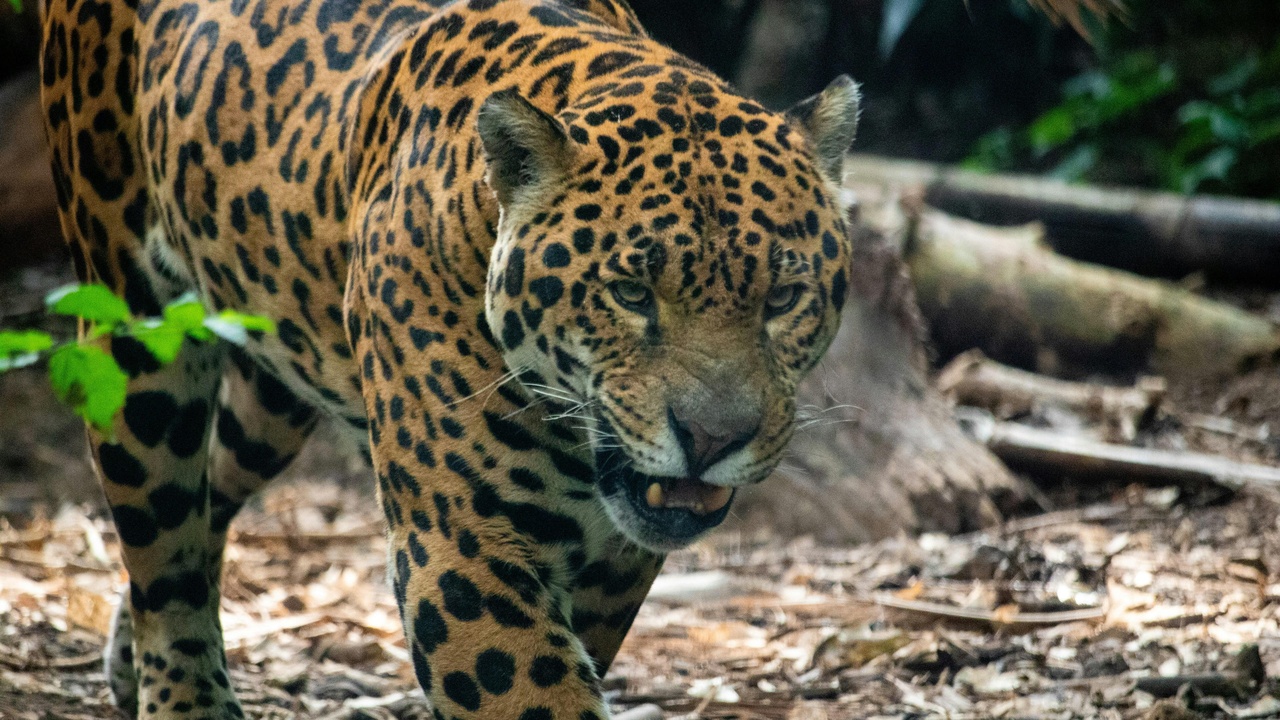
Behavior reflects how each species evolved to exploit different prey and habitats. When you compare jaguars vs leopards in the field, hunting technique, diet composition, and use of vertical space stand out immediately.
3. Hunting Style and Diet
Jaguars often kill with a single, powerful bite delivered to the skull or neck. That technique lets them dispatch armored or aquatic prey—caiman, turtles, large fish, and sizeable mammals—efficiently. In some Pantanal studies, aquatic prey such as caiman and fish make up a substantial share of local jaguar diets, sometimes approaching 30–40% of observed prey items in those regions (see regional field studies and Panthera research).
Leopards typically ambush and suffocate by biting the throat or breaking the neck. They take a wide range of animals—antelopes, monkeys, rodents, birds—and are notable for hauling prey up into trees to hide it from scavengers. That caching behavior is common in African and some Asian leopard populations and is a key behavioral distinction.
Prey-size patterns also differ. Jaguars regularly tackle heavy, often semi-aquatic prey like capybaras and caimans. Leopards focus more on medium-sized ungulates and primates where available, though they’re opportunistic and will take smaller animals when needed.
4. Habitat and Geographic Range
The geographic split is stark: jaguars are native to the Americas, from Mexico through much of South America. They remain most common in the Amazon Basin and the Pantanal wetlands. Leopards occupy the Old World—sub-Saharan Africa and parts of Asia, including India, the Caucasus, and pockets of Southeast Asia.
Habitat preferences overlap only a little. Jaguars favor dense tropical and subtropical forests, floodplain wetlands, and riverine corridors. Leopards are ecological generalists: savannas, montane forests, scrub, and even urban edges where prey exists.
Historical and human-driven factors shaped these ranges. Jaguars evolved in the New World with abundant aquatic prey; leopards diversified across multiple continents where climbing and tree-caching were adaptive. Both species now face fragmented habitats, but the spatial patterns of fragmentation differ by continent and region (see IUCN range maps and national surveys for specifics).
Human Interactions and Conservation
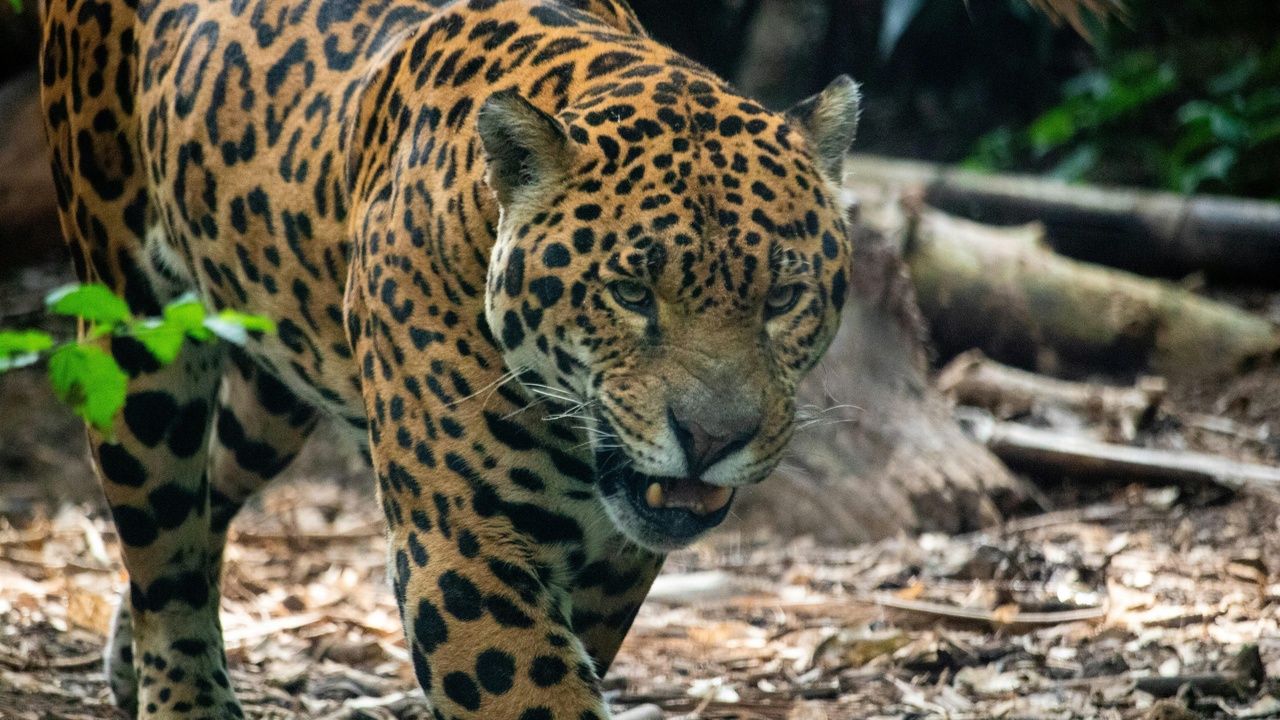
Humans affect jaguars and leopards in different ways depending on land use, livestock practices, and policy. Conservation status and the main threats vary by region, and solutions must be tailored to local realities.
5. Conservation Status and Human Conflict
As of recent IUCN assessments, jaguars (Panthera onca) are listed as Near Threatened, while leopards (Panthera pardus) are listed as Vulnerable overall, with many regional subpopulations at higher risk. For current numbers and trends consult IUCN, WWF, and Panthera.
Key threats overlap: habitat loss and fragmentation, prey depletion, and direct killing for skins or livestock protection. But the local balance differs. Jaguars lose ground when riverine forest is cleared for cattle ranching or soy, which fragments corridors in the Amazon and Pantanal. Leopards face heavy pressure from trophy hunting in some areas and intense persecution near villages in parts of India and Africa.
There are measurable successes and ongoing initiatives. Panthera’s Jaguar Corridor Initiative targets connectivity across jaguar range. In India, community-based programs and improved livestock enclosures have reduced some leopard–livestock conflicts. Supporting such targeted programs is more effective than broad, untargeted giving.
Practical ways readers can help: donate to reputable groups (Panthera, WWF, local conservancies), choose responsible wildlife tours that support communities, and back policies that protect habitat corridors and prey species. For precise regional needs and verified projects consult organizations’ websites and IUCN species pages before donating or volunteering.
Summary
- Size: Jaguar males commonly reach about 56–96 kg; leopards are lighter, often 31–65 kg—jaguars are stockier, leopards more slender.
- Coat and skull: Jaguar rosettes are larger and often have central spots; jaguar skulls are broader with a proportionally stronger bite.
- Behavior: Jaguars frequently take aquatic and heavily armored prey using a skull-crushing bite; leopards ambush, suffocate, and stash kills in trees.
- Range: Jaguars are native to the Americas (Amazon, Pantanal); leopards occupy Africa and parts of Asia—distinct biogeographic histories shape their ecology.
- Conservation: Status and threats differ regionally—consult IUCN, WWF, and Panthera for current assessments and support targeted, community-based conservation efforts.