Libya’s varied coastline, arid plains and rugged highlands host a mix of species adapted to very different conditions. Even in a country best known for deserts, seasonal wetlands and Mediterranean fringes create important stops for birds and pockets of habitat for mammals and reptiles.
There are 41 Libya’s native animals, ranging from the African wildcat to the Striped hyena. Each entry lists the Scientific name,IUCN status,Habitat (Libya range) so you can quickly see taxonomy, conservation risk and where they occur; you’ll find these details below.
Which species are most likely to be seen near towns or oases?
Smaller, adaptable animals—such as certain foxes, rodents and some birds—are the ones you’re most likely to encounter near settlements or oases; larger carnivores like the Striped hyena tend to avoid people and are found in more remote areas. Timing (dawn/dusk) and local habitat—agricultural edges, wadis and scrub—make sightings more likely.
How current are the IUCN statuses and habitat notes in the list?
The list uses the latest available IUCN Red List assessments and regional survey data where possible, but statuses can change; consult the IUCN Red List or the species’ cited sources in the entries below for the most up-to-date information.
Libya’s Native Animals
| Name | Scientific name | IUCN status | Habitat (Libya range) |
|---|---|---|---|
| Fennec fox | Vulpes zerda | LC | Sahara and arid dunes (south and central Libya), oases |
| Rüppell’s fox | Vulpes rueppellii | LC | Sandy and stony deserts, central and southern Libya |
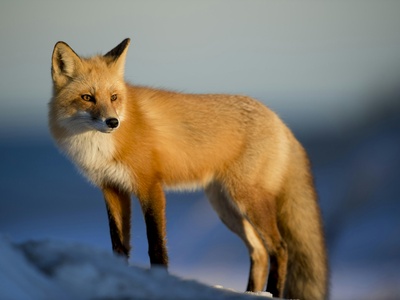
| Red fox | Vulpes vulpes | LC | Coastal plains, agricultural areas, semi‑arid steppe in northern Libya |
| Sand cat | Felis margarita | LC | Dune fields and sandy deserts, central and southern Libya |
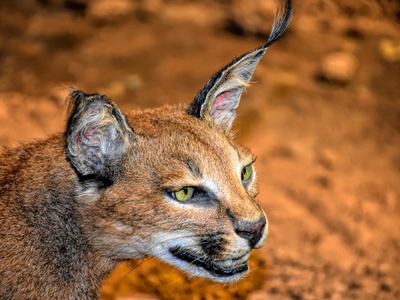
| African wildcat | Felis lybica | LC | Coastal scrub, oases, agricultural margins in northern Libya |
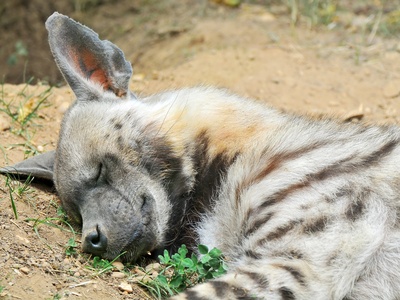
| Striped hyena | Hyaena hyaena | NT | Desert margins, rocky hills, northern and central Libya |
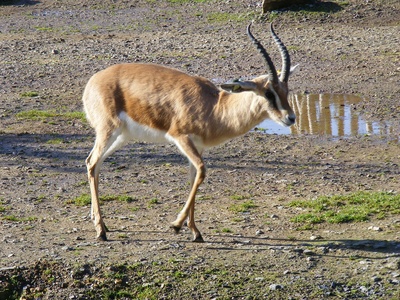
| Dorcas gazelle | Gazella dorcas | VU | Sahara and semi‑desert plains, central and southern Libya |
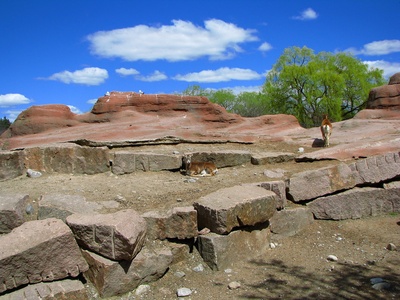
| Barbary sheep (Aoudad) | Ammotragus lervia | VU | Rocky mountains and cliffs (Jebel Akhdar, Nafusa), northern Libya |
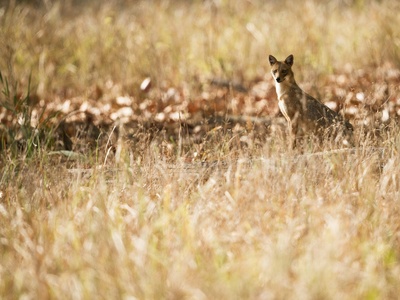
| Golden jackal | Canis aureus | LC | Coastal plains, semi‑desert, oases and steppe in north and center |
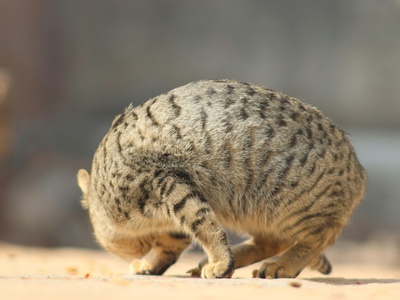
| Desert hedgehog | Paraechinus aethiopicus | LC | Sandy and rocky deserts, oases, central and southern Libya |
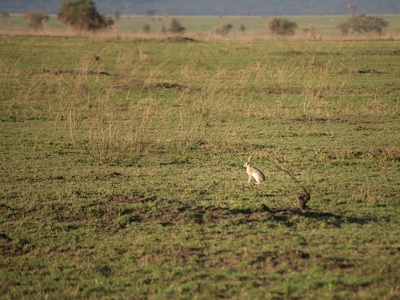
| Cape/African hare | Lepus capensis | LC | Open plains, semi‑arid steppe and coastal hinterland in northern Libya |
| Common genet | Genetta genetta | LC | Wooded hills, oases, scrub and northern wadis |
| Egyptian mongoose | Herpestes ichneumon | LC | Riverine scrub, coastal plains and northern woodlands |
| Barbary partridge | Alectoris barbara | LC | Mountain slopes, scrub and cultivated hills (Jebel Akhdar, Nafusa) in north |
| Houbara bustard | Chlamydotis undulata | VU | Open desert and semi‑desert plains, central and southern Libya |
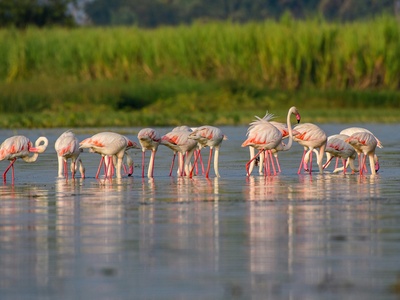
| Greater flamingo | Phoenicopterus roseus | LC | Coastal lagoons, sabkhas and shallow salt pans along the northern Mediterranean coast |
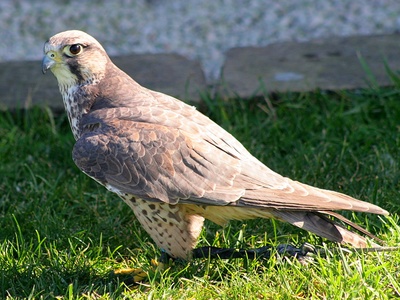
| Lanner falcon | Falco biarmicus | LC | Semi‑desert, cliffs and open country across north and central Libya |
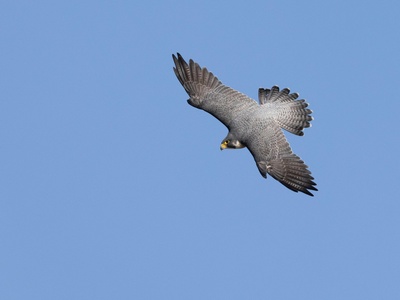
| Peregrine falcon | Falco peregrinus | LC | Coastal cliffs, wetlands and inland cliffs; regular migrant and breeder in parts of Libya |
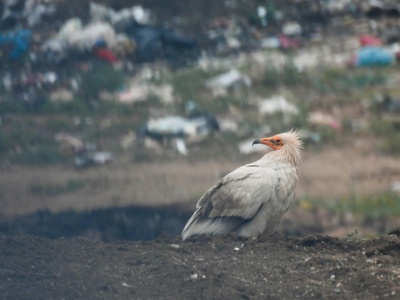
| Egyptian vulture | Neophron percnopterus | EN | Cliffs, coastal areas and inland semi‑arid zones, scattered across Libya |
| Pharaoh eagle‑owl | Bubo ascalaphus | LC | Desert cliffs, rocky outcrops and wadis, central and southern Libya |
| Common kestrel | Falco tinnunculus | LC | Widespread: coastal, steppe, agricultural and desert edges across Libya |
| Little owl | Athene noctua | LC | Farmland, oases, olive groves and rocky countryside in northern Libya |
| Saharan horned viper | Cerastes cerastes | LC | Sandy dunes and stony deserts across the Libyan Sahara |
| Desert monitor | Varanus griseus | LC | Stony deserts, wadis and semi‑desert areas in central and southern Libya |
| Spiny‑tailed lizard (Uromastyx) | Uromastyx acanthinura | LC | Rocky and gravelly deserts, northern Sahara fringe and central Libya |
| Greek (spur‑thighed) tortoise | Testudo graeca | VU | Coastal scrub, maquis and rocky hills in northern Libya |
| Loggerhead sea turtle | Caretta caretta | VU | Mediterranean coast and nesting beaches along northern Libya and Gulf of Sidra |
| Green sea turtle | Chelonia mydas | EN | Coastal waters and select nesting beaches on northern Libyan coast |
| Mediterranean painted frog | Discoglossus pictus | LC | Coastal wetlands, small ponds and wadis in northern Libya |
| European seabass | Dicentrarchus labrax | LC | Coastal Mediterranean waters off Libya, rocky reefs and estuaries |
| Gilthead seabream | Sparus aurata | LC | Shallow coastal waters, reefs and lagoons along the Libyan Mediterranean coast |
| European anchovy | Engraulis encrasicolus | LC | Pelagic coastal waters, large schools along northern Libyan shelf |
| European pilchard (sardine) | Sardina pilchardus | LC | Coastal pelagic zones and continental shelf waters off Libya |
| Desert locust | Schistocerca gregaria | NE | Open desert, semi‑desert and agricultural margins across Libya |
| Deathstalker scorpion | Leiurus quinquestriatus | NE | Sandy and rocky deserts, wadis and dunes across Libya |
| Saharan silver ant | Cataglyphis bombycina | NE | Salt pans, flat sandy interdunal areas and hot desert surfaces in southern Libya |
| Spotted sandgrouse | Pterocles senegallus | LC | Open desert plains and gravelly flats in central and southern Libya |
| Crowned sandgrouse | Pterocles coronatus | LC | Arid plains, sandy and stony deserts across Libya’s Sahara |
| Cream‑coloured courser | Cursorius cursor | LC | Sandy and rocky deserts, semi‑arid plains in central and southern Libya |
| Common bottlenose dolphin | Tursiops truncatus | LC | Coastal Mediterranean waters and continental shelf off northern Libya |
| Egyptian cobra | Naja haje | LC | Northern plains, oases, agricultural areas and wadis in northern Libya |
Images and Descriptions
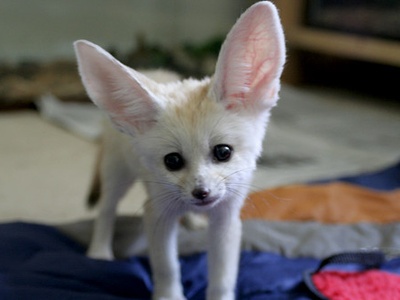
Fennec fox
Tiny desert fox with enormous ears adapted for heat loss and hunting nocturnally; common across Libyan Sahara near oases and sand seas. Iconic species of Sahara deserts. Sources: IUCN Red List, regional field guides
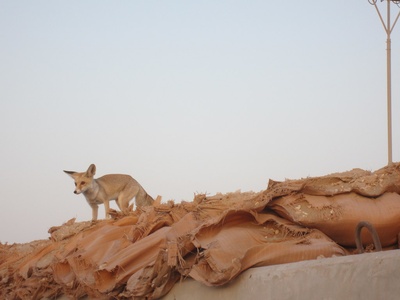
Rüppell’s fox
Small, nocturnal fox of sandy and rocky deserts; feeds on insects, rodents and plants. Widespread in Libyan Sahara’s stony plains and interdunal areas. Sources: IUCN Red List, regional field guides
Red fox
Adaptable omnivorous canid found near coastal farmland, scrub and oasis edges; more common in northern Libya where habitats are less extreme. Sources: IUCN Red List, regional field guides

Sand cat
Small desert cat perfectly adapted to dunes and stony plains; nocturnal and elusive, preying on rodents and reptiles. A specialist of the Libyan Sahara. Sources: IUCN Red List, regional field guides
African wildcat
Feral‑looking small cat that lives in scrubby north Libya and oases; ancestor of domestic cats, primarily nocturnal and solitary. Sources: IUCN Red List, regional field guides
Striped hyena
Scavenger and occasional predator of arid regions and escarpments; shy and mostly nocturnal. Threatened by persecution but still present in remote areas. Sources: IUCN Red List, regional field guides
Dorcas gazelle
Small, light‑built gazelle adapted to arid conditions; ranges widely across desert with scattered populations, vulnerable from hunting and habitat loss. Sources: IUCN Red List, regional field guides
Barbary sheep (Aoudad)
Rugged mountain ungulate inhabiting rocky escarpments in northwestern Libya; good climber and browsers, threatened by hunting and fragmentation. Sources: IUCN Red List, regional field guides
Golden jackal
Versatile canid that uses a variety of habitats from coastal agricultural lands to drier steppe; omnivorous and often nocturnal. Sources: IUCN Red List, regional field guides
Desert hedgehog
Small nocturnal insectivore of hot deserts, often seen near oases and arable edges; resilient to arid conditions. Sources: IUCN Red List, regional field guides
Cape/African hare
Widespread hare of open habitats, active at dawn and dusk; important prey for raptors and carnivores across Libya. Sources: IUCN Red List, regional field guides
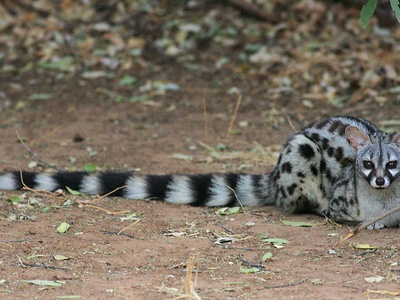
Common genet
Night‑active small carnivore found in northern Libya’s scrub and oases; agile climber that feeds on small mammals and birds. Sources: IUCN Red List, regional field guides
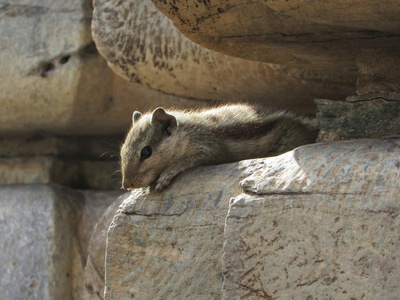
Egyptian mongoose
Small, diurnal mongoose common in northern Libya; hunts rodents, reptiles and eggs near cultivated land and streams. Sources: IUCN Red List, regional field guides
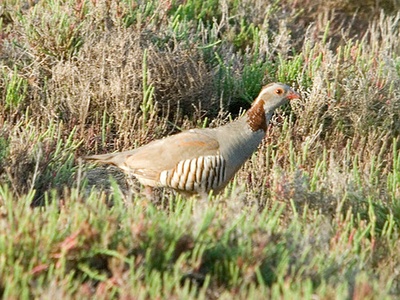
Barbary partridge
Stout ground‑bird of rocky, scrubby hills in northern Libya; often seen near terraced agriculture and stone walls. Sources: BirdLife International, regional guides
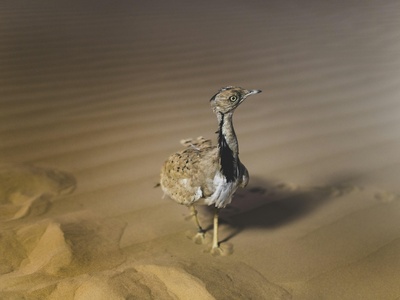
Houbara bustard
Large desert bird known for elaborate courtship displays; vulnerable due to hunting and habitat change but remains a highlight of Libyan Sahara wildlife. Sources: IUCN Red List, BirdLife
Greater flamingo
Striking pink wader that feeds in coastal salt flats and shallow lagoons; regular winterer and occasional breeder on Libya’s coast. Sources: IUCN Red List, BirdLife
Lanner falcon
Powerful falcon of open landscapes and rocky escarpments; hunts birds and small mammals, occasionally nesting on cliffs. Sources: BirdLife, regional field guides
Peregrine falcon
Fast, aerial raptor that nests on cliffs and hunts birds on the wing; regular in Libya as resident or seasonal breeder. Sources: IUCN Red List, BirdLife
Egyptian vulture
Small vulture species feeding on carrion and eggs; endangered across its range with small but noted Libyan records in suitable habitats. Sources: IUCN Red List, BirdLife
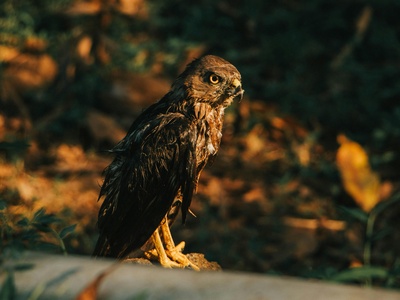
Pharaoh eagle‑owl
Large nocturnal owl of deserts and rocky areas; roosts on cliffs and hunts mammals and reptiles at night. Sources: BirdLife, regional guides
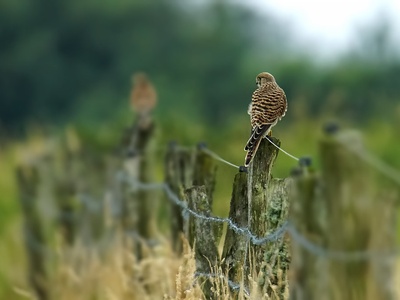
Common kestrel
Familiar hovering falcon seen over fields and towns; versatile hunter of insects and small vertebrates throughout Libya. Sources: BirdLife, regional guides
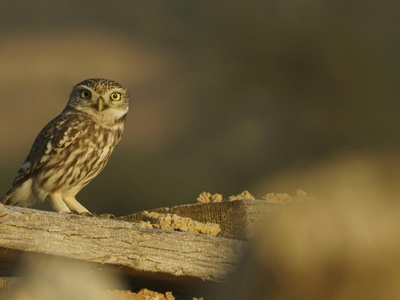
Little owl
Small, daytime‑ and night‑active owl common around settlements and cultivated areas; often perches on walls and trees. Sources: BirdLife, regional guides
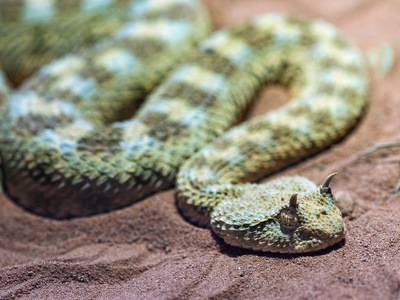
Saharan horned viper
Venomous viper with distinctive supraocular “horns” on dunes and sandy habitats; ambush predator of small vertebrates. Sources: IUCN Red List, herpetological guides
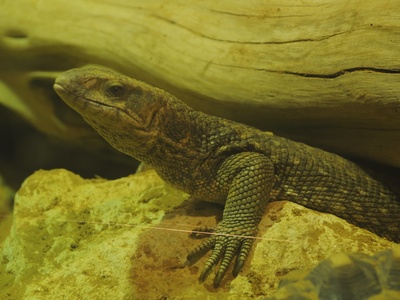
Desert monitor
Large lizard of arid regions that preys on eggs, small mammals and reptiles; often found near rocky outcrops and wadis. Sources: IUCN Red List, herpetological guides
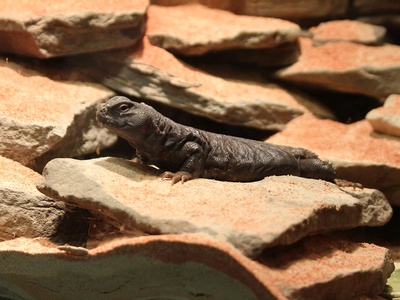
Spiny‑tailed lizard (Uromastyx)
Herbivorous, sun‑basking agamid common on rocky ground and escarpments; locally important prey for raptors and carnivores. Sources: IUCN Red List, herpetological guides
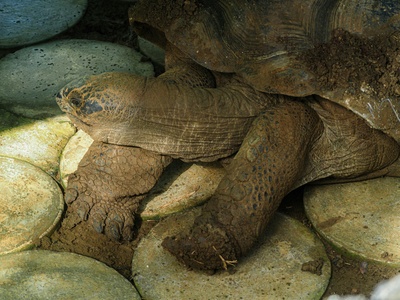
Greek (spur‑thighed) tortoise
Small terrestrial tortoise of Mediterranean habitats in north Libya; threatened by collection and habitat change but still present in remoter hills. Sources: IUCN Red List, regional field guides
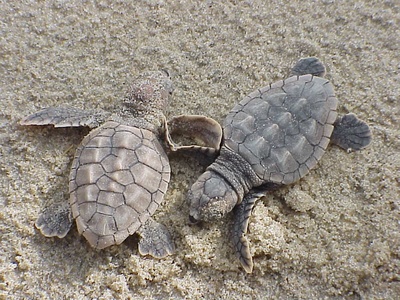
Loggerhead sea turtle
Large marine turtle that nests on Libyan beaches; vulnerable globally and locally affected by fisheries and coastal development. Sources: IUCN Red List, marine conservation reports
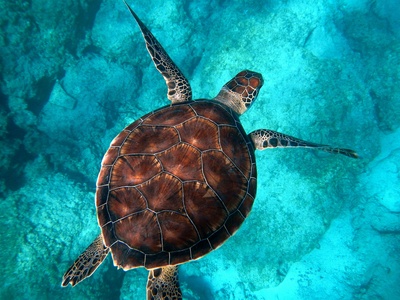
Green sea turtle
Large herbivorous marine turtle that uses Libyan coastal waters and nests in limited spots; endangered with conservation concern for nesting sites. Sources: IUCN Red List, marine guides
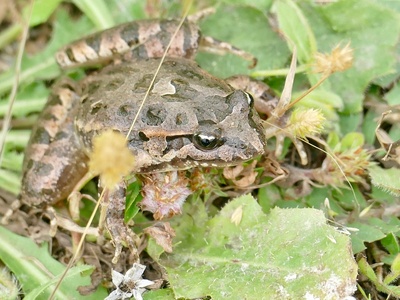
Mediterranean painted frog
Small frog of Mediterranean wetlands and oases; often found in shady pools and streams in the northern regions. Sources: IUCN Red List, herpetological guides
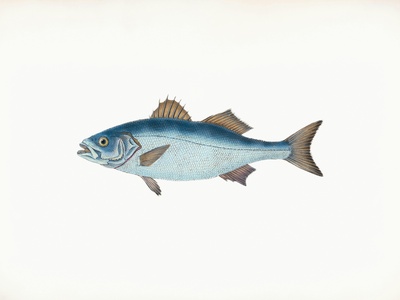
European seabass
Popular coastal fish species occupying nearshore waters and estuaries; important for fisheries and recreational anglers along Libya’s coast. Sources: IUCN Red List, regional fish guides
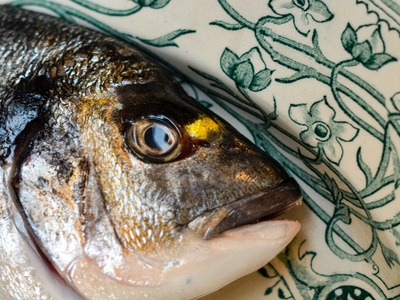
Gilthead seabream
Common reef and lagoon fish valued by fisheries; widespread in nearshore habitats around Libya. Sources: IUCN Red List, fisheries guides
European anchovy
Small schooling fish that forms the basis of coastal food webs and supports fisheries along the Libyan coast. Sources: IUCN Red List, fisheries guides
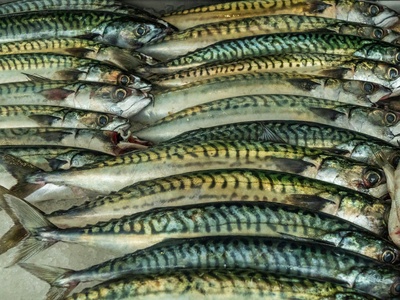
European pilchard (sardine)
Abundant schooling pelagic fish important to marine predators and local fisheries in Libyan waters. Sources: IUCN Red List, fisheries guides
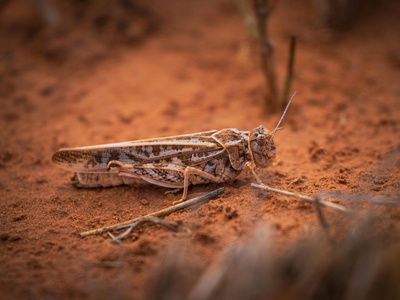
Desert locust
Famous swarming grasshopper native to the Sahara and Sahel; regular irruptions can impact crops and rangelands across Libya. Sources: FAO, regional pest reports
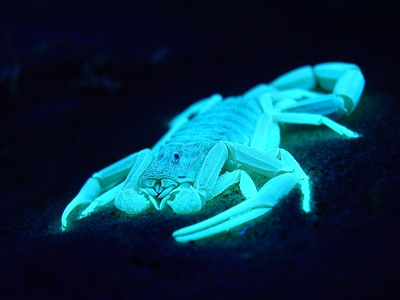
Deathstalker scorpion
Highly venomous scorpion of arid regions; well adapted to hot deserts and often encountered in rural dwellings near oases. Sources: Regional field guides, toxinology reports
Saharan silver ant
Heat‑tolerant ant famed for running across hot salt flats at high temperatures; a specialist of the Libyan Sahara. Sources: Entomological studies, regional guides
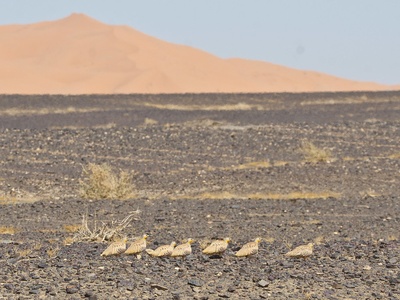
Spotted sandgrouse
Ground‑dwelling bird of arid regions that flies long distances to drink; often seen in flocks in Sahara. Sources: BirdLife International, regional guides
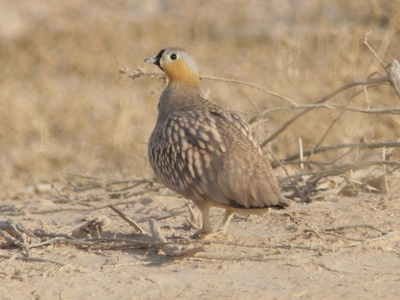
Crowned sandgrouse
Desert bird that frequents open sandy and gravelly ground, noted for its patterned plumage and long water flights. Sources: BirdLife International, regional guides
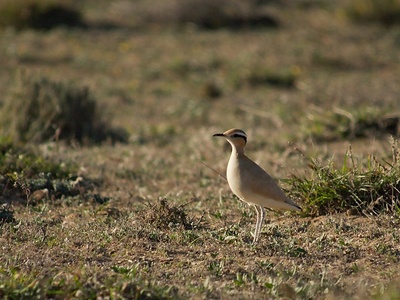
Cream‑coloured courser
Elegant, wader‑like bird of open deserts that runs rapidly on the ground chasing insects; well adapted to arid habitats. Sources: BirdLife International, regional guides
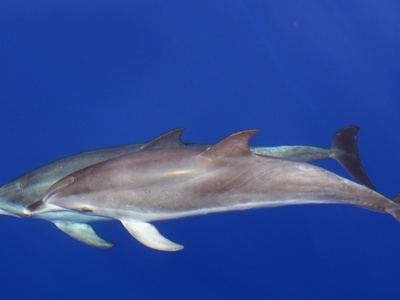
Common bottlenose dolphin
Familiar coastal dolphin frequently seen nearshore; social and commonly encountered by fishers and boaters around Libya. Sources: IUCN Red List, marine mammal studies
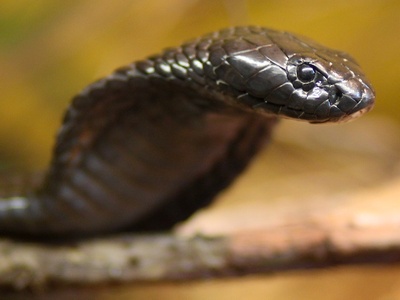
Egyptian cobra
Large cobra occurring in northern Libya; a powerful venomous snake that favors scrubby and cultivated habitats near water. Sources: IUCN Red List, herpetological guides