From city apartments to country yards and weekend dog shows, a dog’s coat affects daily care, climate comfort, and the time you’ll spend grooming. Thinking about a long-haired companion means balancing looks with brushing, trimming, and seasonal shedding.
There are 63 long-haired dog breeds, ranging from Afghan Hound to Yorkshire Terrier. Each entry is organized with Scientific name, Size (kg), Shedding level so you can quickly compare care needs, space fit and allergy considerations — you’ll find below.
How often do long-haired breeds need grooming?
Most need regular brushing (several times a week) to prevent mats, with professional trims every few months for many breeds; bathing frequency depends on activity and coat type, and routine ear, eye and paw checks cut down on problems.
Which long-haired breeds work well in apartments?
Smaller breeds with lower exercise demands—like the Yorkshire Terrier—tend to adapt best, while larger, high-energy-coated dogs (for example, the Afghan Hound) usually prefer more space; match size, energy and shedding level from the list below.
Long-Haired Dog Breeds
| Breed | Scientific name | Size (kg) | Shedding level |
|---|---|---|---|
| Afghan Hound | Canis lupus familiaris | 23–27 | Low |
| Barbet | Canis lupus familiaris | 17–29 | Low |
| Bearded Collie | Canis lupus familiaris | 18–27 | Moderate |
| Belgian Sheepdog | Canis lupus familiaris | 20–30 | High (seasonal) |
| Belgian Tervuren | Canis lupus familiaris | 20–30 | High (seasonal) |
| Bergamasco Sheepdog | Canis lupus familiaris | 26–38 | Low |
| Bernese Mountain Dog | Canis lupus familiaris | 36–52 | High |
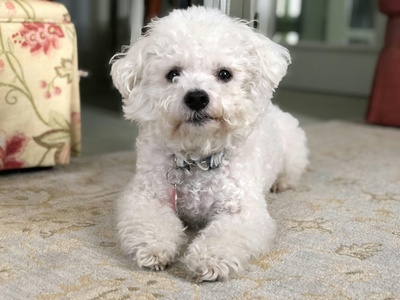
| Bichon Frise | Canis lupus familiaris | 5–8 | Low |
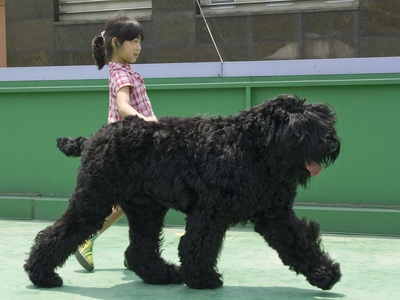
| Black Russian Terrier | Canis lupus familiaris | 36–59 | Low |
| Borzoi | Canis lupus familiaris | 27–48 | Moderate |
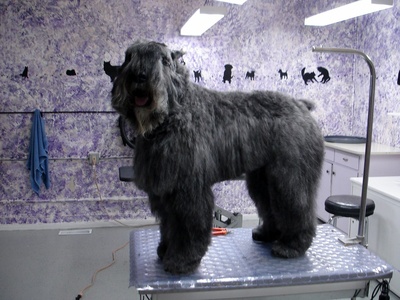
| Bouvier des Flandres | Canis lupus familiaris | 32–50 | Low |
| Briard | Canis lupus familiaris | 23–41 | Low |
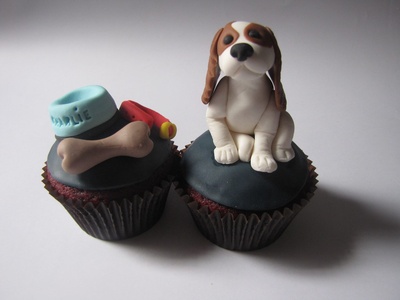
| Cavalier King Charles Spaniel | Canis lupus familiaris | 6–8 | Moderate |
| Chihuahua (Long Coat) | Canis lupus familiaris | 1.5–3 | Moderate |
| Chinese Crested (Powderpuff) | Canis lupus familiaris | 4.5–5.5 | Low |
| Clumber Spaniel | Canis lupus familiaris | 25–39 | Moderate |
| Cocker Spaniel, American | Canis lupus familiaris | 9–14 | Moderate |
| Cocker Spaniel, English | Canis lupus familiaris | 13–15 | Moderate |
| Collie (Rough) | Canis lupus familiaris | 23–34 | High |
| Coton de Tulear | Canis lupus familiaris | 4–6 | Low |
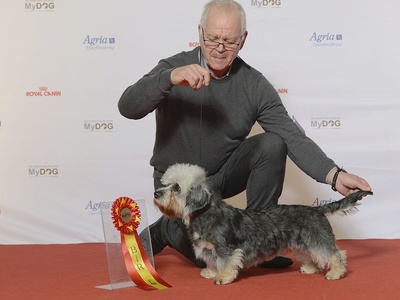
| Dandie Dinmont Terrier | Canis lupus familiaris | 8–11 | Low |
| Field Spaniel | Canis lupus familiaris | 16–23 | Moderate |
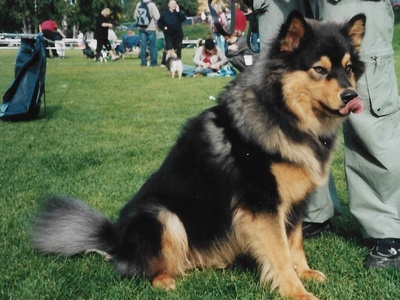
| Finnish Lapphund | Canis lupus familiaris | 15–24 | High |
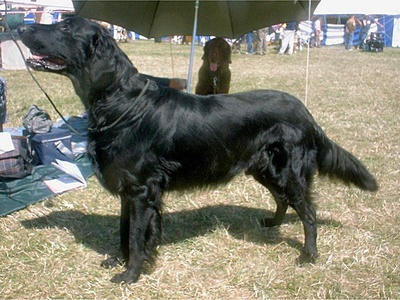
| Flat-Coated Retriever | Canis lupus familiaris | 25–36 | Moderate |
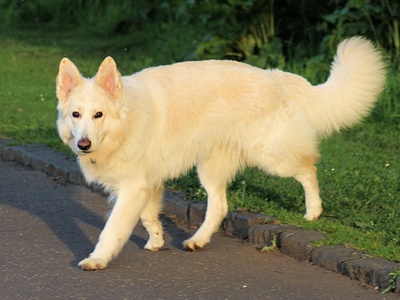
| German Shepherd (Long Coat) | Canis lupus familiaris | 22–40 | High |
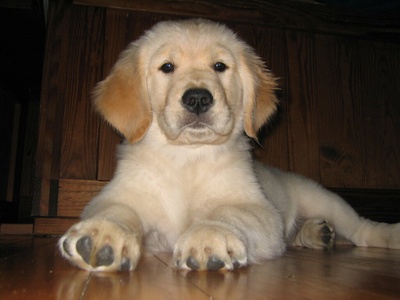
| Golden Retriever | Canis lupus familiaris | 25–34 | High |
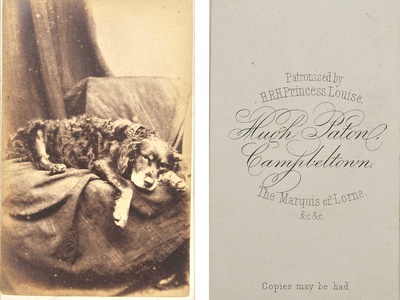
| Gordon Setter | Canis lupus familiaris | 20–36 | Moderate |
| Great Pyrenees | Canis lupus familiaris | 39–52 | High |
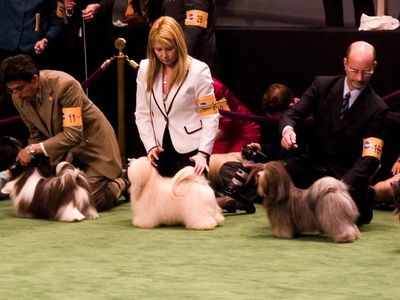
| Havanese | Canis lupus familiaris | 4.5–7.5 | Low |
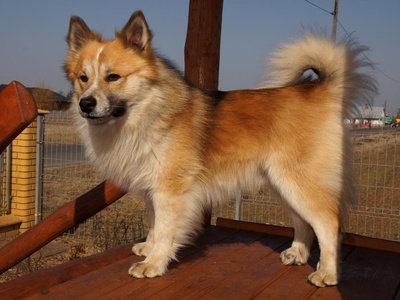
| Icelandic Sheepdog | Canis lupus familiaris | 9–14 | High |
| Irish Setter | Canis lupus familiaris | 27–32 | Moderate |
| Japanese Chin | Canis lupus familiaris | 3–5 | Moderate |
| Kerry Blue Terrier | Canis lupus familiaris | 15–18 | Low |
| Komondor | Canis lupus familiaris | 45–59 | Low |
| Kuvasz | Canis lupus familiaris | 32–52 | High |
| Landseer (ECT) | Canis lupus familiaris | 36–59 | High |
| Leonberger | Canis lupus familiaris | 41–75 | High |
| Lhasa Apso | Canis lupus familiaris | 6–8 | Low |
| Löwchen | Canis lupus familiaris | 5–8 | Low |
| Maltese | Canis lupus familiaris | 2–3 | Low |
| Newfoundland | Canis lupus familiaris | 45–68 | High |
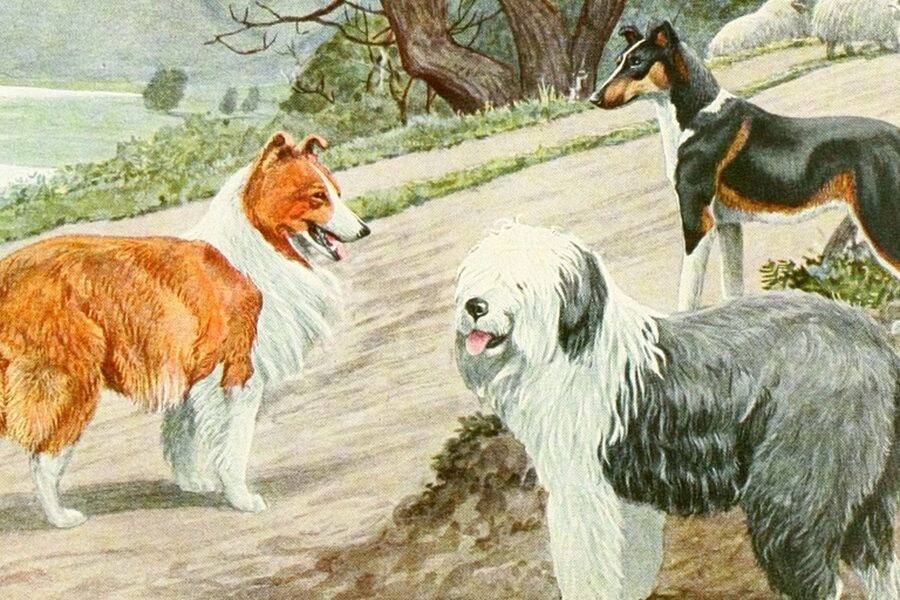
| Old English Sheepdog | Canis lupus familiaris | 27–45 | High |
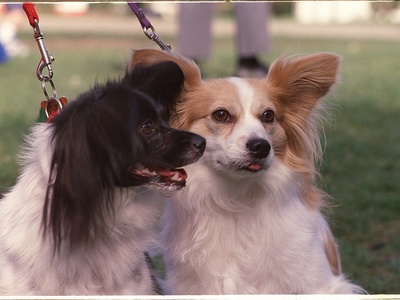
| Papillon | Canis lupus familiaris | 3.5–4.5 | Moderate |
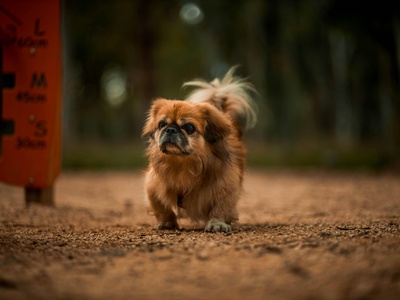
| Pekingese | Canis lupus familiaris | 5–6.5 | Moderate |
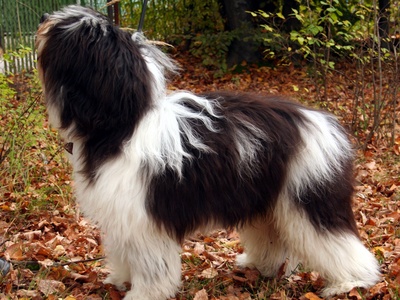
| Polish Lowland Sheepdog | Canis lupus familiaris | 14–23 | Moderate |
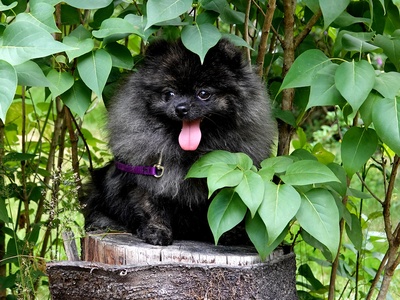
| Pomeranian | Canis lupus familiaris | 1.5–3.5 | Moderate |
| Poodle (Standard/Miniature/Toy) | Canis lupus familiaris | 2–32 | Low |
| Portuguese Water Dog | Canis lupus familiaris | 16–27 | Low |
| Puli | Canis lupus familiaris | 11–16 | Low |
| Pyrenean Shepherd | Canis lupus familiaris | 7–14 | Moderate |
| Saint Bernard (Long Haired) | Canis lupus familiaris | 54–82 | High |
| Samoyed | Canis lupus familiaris | 16–30 | High |
| Schapendoes | Canis lupus familiaris | 12–25 | Moderate |
| Shetland Sheepdog | Canis lupus familiaris | 7–11 | High |
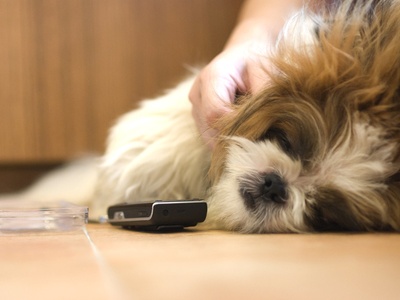
| Shih Tzu | Canis lupus familiaris | 4–7.5 | Low |
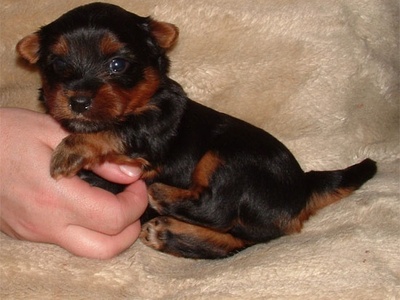
| Silky Terrier | Canis lupus familiaris | 4–5 | Low |
| Skye Terrier | Canis lupus familiaris | 16–18 | Moderate |
| Soft Coated Wheaten Terrier | Canis lupus familiaris | 14–20 | Low |
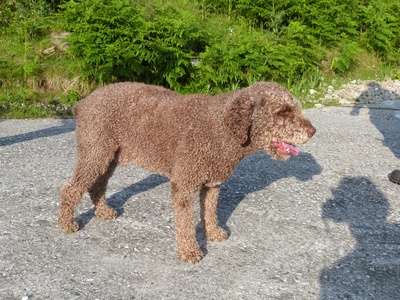
| Spanish Water Dog | Canis lupus familiaris | 14–22 | Low |
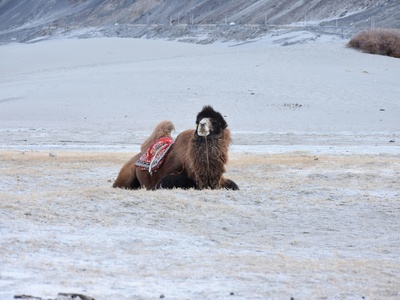
| Tibetan Mastiff | Canis lupus familiaris | 34–68 | High (seasonal) |
| Tibetan Spaniel | Canis lupus familiaris | 4–7 | Moderate |
| Tibetan Terrier | Canis lupus familiaris | 8–14 | Low |
| Yorkshire Terrier | Canis lupus familiaris | 2–3.5 | Low |
Images and Descriptions
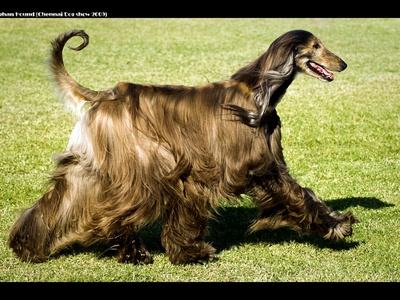
Afghan Hound
Possesses a long, thick, silky coat requiring extensive grooming. An ancient breed from Afghanistan, they are dignified and aloof but loyal to their family. They are sighthounds with a strong prey drive. Tip: Daily brushing is essential to prevent severe and painful matting.
Barbet
Known for its long, curly, woolly coat, the Barbet is a joyful and intelligent water dog from France. Their dense coat protects them from cold water but requires regular trimming and combing. Tip: Check and clean their ears regularly, especially after swimming, to prevent infections.
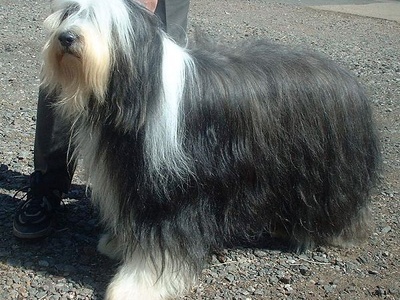
Bearded Collie
A Scottish herding dog with a long, shaggy double coat that needs daily care. Beardies are bouncy, charismatic, and intelligent. Their coat gives them a weatherproof quality. Tip: Daily brushing is crucial to work through their harsh outer coat and soft undercoat to prevent mats.
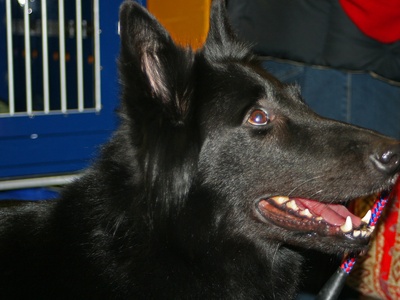
Belgian Sheepdog
Distinguished by a long, solid black coat, this Belgian herder is intelligent, watchful, and protective. Their abundant coat requires weekly brushing to manage shedding and prevent tangles. Tip: They form strong bonds and thrive on having a job to do, excelling in dog sports.
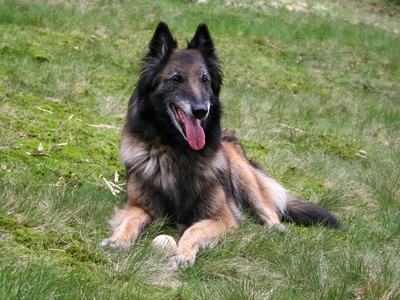
Belgian Tervuren
A versatile Belgian herding dog with a long, rich fawn-to-russet coat overlaid with black. They are intelligent, highly trainable, and energetic. The dense coat needs weekly brushing. Tip: This breed needs significant physical and mental exercise to prevent boredom and destructive behavior.
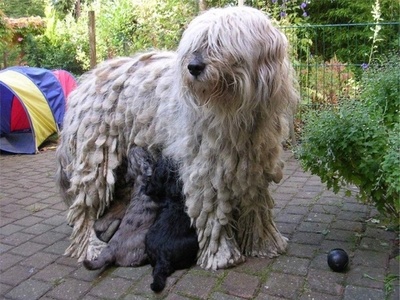
Bergamasco Sheepdog
Originating from the Italian Alps, this breed has a unique coat of flat, felt-like flocks. Once the flocks form, grooming is minimal. They are patient and intelligent. Tip: The coat should never be brushed; flocks are separated by hand as they mature to maintain skin health.
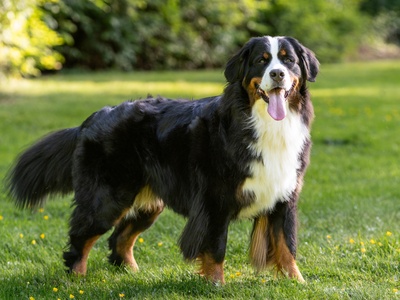
Bernese Mountain Dog
A large, good-natured dog from Switzerland with a thick, silky, tricolor double coat. They are calm family companions but shed heavily. The long coat offers protection from cold. Tip: They are prone to heatstroke, so provide plenty of shade and water in warm weather.
Bichon Frise
This charming companion from the Mediterranean has a soft, curly double coat that grows continuously. They are considered hypoallergenic but require professional grooming and daily brushing to prevent mats. Tip: Consistent potty training is key as they can be difficult to housebreak.
Black Russian Terrier
A powerful and courageous dog from Russia, with a dense, wiry double coat. Their coat needs regular brushing and professional trimming to maintain its shape and prevent matting. Tip: Early and extensive socialization is vital for this naturally protective and sometimes aloof breed.

Borzoi
A graceful Russian sighthound with a long, silky, and often wavy coat. They are quiet and elegant indoors but require a securely fenced area for running. Their coat needs weekly brushing. Tip: Their strong prey drive means they should never be trusted off-leash in an unfenced area.
Bouvier des Flandres
A loyal and steady herding dog from Flanders with a thick, rough double coat. Their coat protects them from harsh weather but needs weekly brushing to prevent mats. Tip: Their beard can get messy with food and water; clean it daily to prevent odor and skin irritation.

Briard
A loyal and spirited French herding dog with a long, slightly wavy double coat. Grooming is extensive, requiring several hours of brushing per week to prevent deep mats. Tip: Brushing must reach the skin, as the undercoat can easily form mats unseen beneath the topcoat.
Cavalier King Charles Spaniel
An affectionate toy breed from the UK with a long, silky coat and elegant feathering. They are gentle and eager to please, making them excellent companions. Regular brushing is needed. Tip: They are prone to certain heart conditions, so regular vet check-ups are crucial.
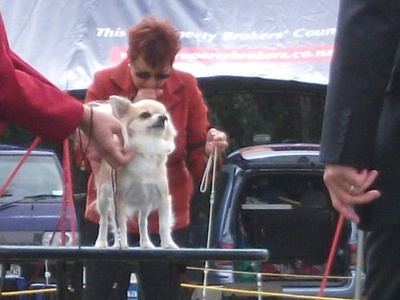
Chihuahua (Long Coat)
This tiny Mexican breed has a soft, long coat with feathering on its ears and tail. They have a sassy, charming personality. The coat is relatively easy to care for with weekly brushing. Tip: Their small size makes them fragile and susceptible to cold; a sweater is often needed.
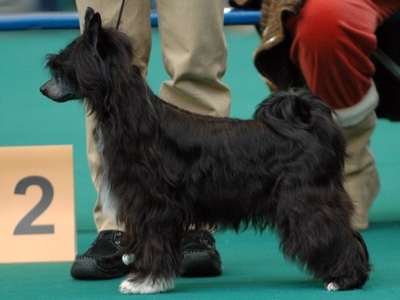
Chinese Crested (Powderpuff)
The Powderpuff variety is covered in a soft, silky double coat. Originating in Africa and China, they are lively and affectionate companions. The fine hair requires regular brushing to prevent tangles. Tip: They can be prone to skin issues, so a quality diet and good grooming are important.

Clumber Spaniel
A mellow and dignified gundog from the UK, with a dense, straight white coat and lemon or orange markings. They are gentle companions but tend to drool and snore. The coat needs weekly brushing. Tip: They are heavy shedders; be prepared for white hair on everything.
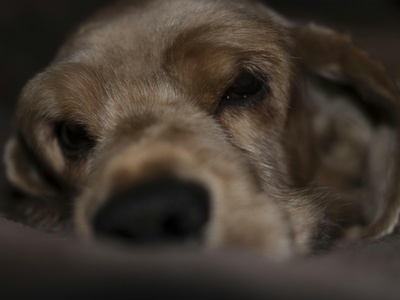
Cocker Spaniel, American
A merry and gentle breed from the US with a long, silky coat and profuse feathering. They are popular family pets but require significant grooming, including regular trimming and daily brushing. Tip: Their long, pendulous ears are prone to infections and need frequent cleaning.

Cocker Spaniel, English
A cheerful and active gundog from England with a silky, medium-length coat. They are slightly larger than their American cousins and need regular brushing to keep their feathering tangle-free. Tip: They thrive on activity and companionship, becoming unhappy if left alone too often.
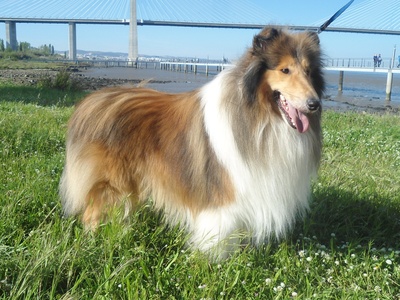
Collie (Rough)
The “Lassie” dog from Scotland, with a long, dense double coat and an impressive mane. They are devoted, intelligent, and great with children, though they shed a lot. Tip: Despite its volume, the coat stays clean and only needs a thorough weekly brushing to prevent mats.

Coton de Tulear
A charming little dog from Madagascar with a long, soft, cotton-like coat. They are hypoallergenic and known for their bright, playful personality. The coat requires daily brushing to prevent matting. Tip: They are very people-oriented and can suffer from separation anxiety.
Dandie Dinmont Terrier
A unique terrier from Scotland with a crisp double coat and a distinctive topknot of soft, silky hair. They are independent and intelligent. Their wiry coat requires minimal brushing. Tip: The coat is best maintained by hand-stripping a few times a year, not clipping.

Field Spaniel
A sweet and sensitive gundog from England with a glossy, flat or slightly wavy single coat of moderate length. They are docile family pets that need regular brushing. Tip: They form strong bonds and can be prone to separation anxiety if left alone for long periods.
Finnish Lapphund
A friendly herding dog from Finland with a thick, profuse double coat designed for arctic conditions. They are intelligent and submissive, shedding heavily, especially seasonally. Tip: They can overheat easily in warm climates; provide cool spaces and limit exercise in the heat.
Flat-Coated Retriever
An eternally cheerful gundog from the UK with a straight, flat-lying coat of moderate length. They are optimistic and high-energy, needing plenty of exercise. The coat needs weekly brushing. Tip: They maintain a puppy-like exuberance well into adulthood.
German Shepherd (Long Coat)
A variety of the classic German breed with a longer, softer outer coat. They share the standard’s courage and intelligence but require more grooming to prevent tangles and mats. Tip: The long coat can trap more dirt and moisture, so check for skin irritations.
Golden Retriever
An immensely popular Scottish breed known for its friendly nature and dense, golden double coat. They are intelligent, devoted family dogs that shed heavily. The coat requires weekly brushing. Tip: Monitor their food intake carefully, as they are highly prone to obesity.
Gordon Setter
A bold and confident gundog from Scotland with a shiny, straight or slightly wavy black-and-tan coat. They are athletic and require vigorous daily exercise. Regular brushing keeps their coat healthy. Tip: Their loyalty makes them excellent watchdogs, but they need early socialization.

Great Pyrenees
A majestic guard dog from the Pyrenees Mountains with a thick, weather-resistant white double coat. They are calm, patient, and protective, but shed profusely. The coat needs weekly brushing. Tip: They have double dewclaws on their hind legs which must be trimmed regularly.
Havanese
Cuba’s national dog is a cheerful companion with a long, soft, and often wavy double coat. They are hypoallergenic but need daily brushing to prevent mats. Their coat can be kept long or in a shorter puppy cut. Tip: They are social butterflies and do not do well if left alone.
Icelandic Sheepdog
A cheerful and inquisitive herding dog from Iceland with a thick double coat that comes in a long variety. They are energetic and friendly but shed a lot, especially seasonally. Tip: They are very vocal and use barking to alert their owners to just about everything.
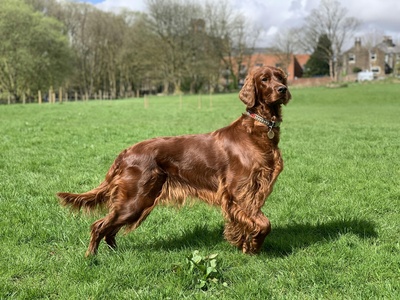
Irish Setter
A famously beautiful gundog from Ireland with a flowing, mahogany or red coat. They are outgoing, high-energy, and friendly. Their silky coat needs regular brushing to prevent tangles. Tip: They require a great deal of exercise to channel their boundless energy positively.
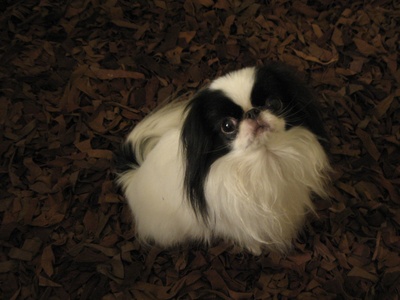
Japanese Chin
An elegant toy breed from Asia with a long, silky coat. They are known for their graceful, cat-like demeanor and charming personality. The coat requires weekly brushing. Tip: Their flat faces make them sensitive to heat; avoid strenuous exercise in hot weather.
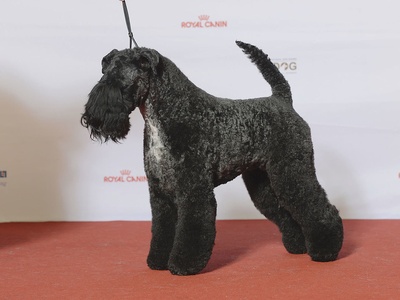
Kerry Blue Terrier
An intelligent and spirited terrier from Ireland with a soft, wavy-to-curly coat that grows continuously. Puppies are born black, fading to blue-gray. The coat requires regular trimming. Tip: Their non-shedding coat needs combing several times a week to prevent mats.
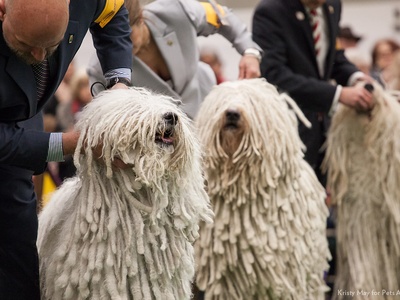
Komondor
A Hungarian livestock guardian known for its heavy, white corded coat that resembles a mop. They are dignified and brave. The cords form naturally and should never be brushed. Tip: The cords must be separated regularly and take a very long time to dry after bathing.
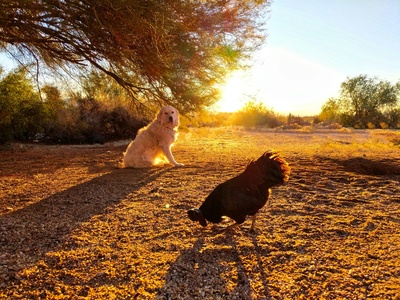
Kuvasz
A loyal and protective livestock guardian from Hungary with a thick, white double coat. They are intelligent but have a strong independent streak. They shed heavily, especially seasonally. Tip: Early and consistent socialization is crucial for this powerful and protective breed.
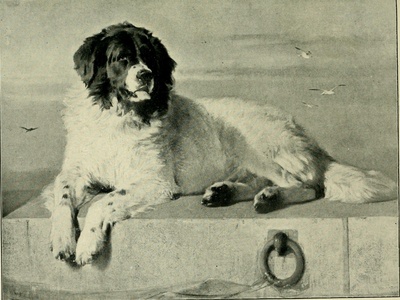
Landseer (ECT)
A gentle giant from Germany/Switzerland, related to the Newfoundland, with a long white and black coat. They are noble and good-natured. Their dense coat is water-resistant but sheds a lot. Tip: They love to swim but their heavy coat needs thorough drying to prevent skin issues.
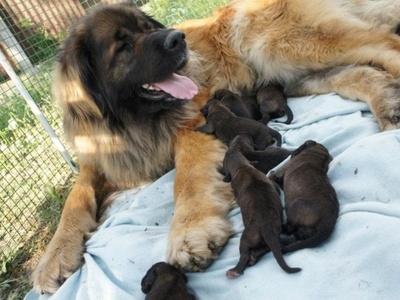
Leonberger
A gentle and patient giant from Germany with a water-resistant double coat and a lion-like mane. They are wonderful family dogs but shed heavily. Weekly brushing is essential. Tip: Despite their size, they are sensitive and respond best to positive reinforcement training.
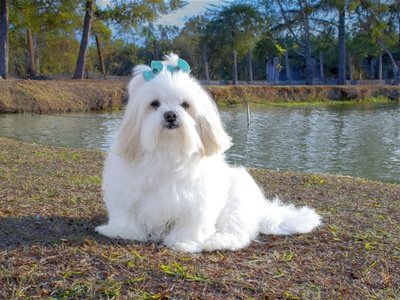
Lhasa Apso
A small, confident dog from Tibet with a long, dense double coat that parts down the back. They were bred as indoor sentinels. The coat requires daily brushing or a shorter pet clip. Tip: They can be wary of strangers, so early socialization is important.
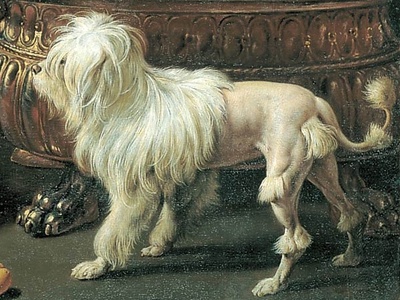
Löwchen
The “Little Lion Dog” from France/Germany has a long, soft coat traditionally kept in a lion clip. They are affectionate and lively companions. The coat requires regular grooming. Tip: They are surprisingly robust and enjoy activities like agility.
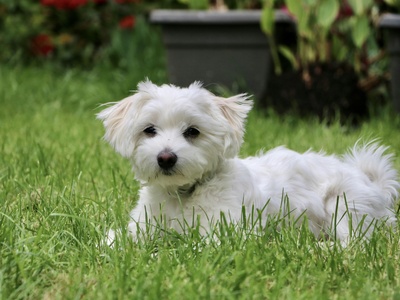
Maltese
An ancient toy breed from Malta with a long, straight, silky white single coat. They are gentle and playful. Their hypoallergenic coat requires daily brushing to prevent tangles. Tip: Their white coat is prone to tear staining; daily cleaning of the eye area helps.
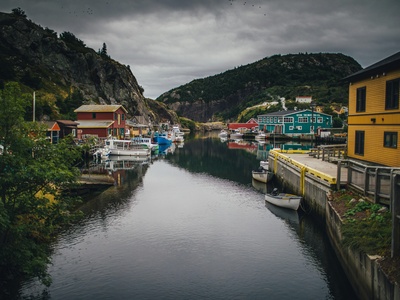
Newfoundland
A sweet-tempered giant from Canada with a heavy, water-resistant double coat. Bred for water rescue, they are patient and devoted family dogs. They shed heavily and drool. Tip: Their gentle nature makes them great with kids, but their size requires supervision.
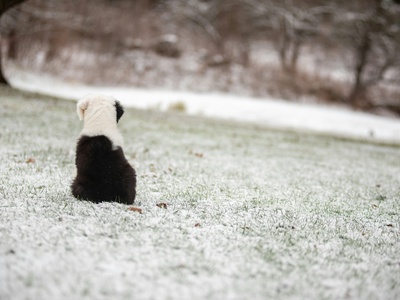
Old English Sheepdog
An adaptable and gentle herder from England with a profuse, shaggy double coat. They are known for their shuffling gait and hair-covered face. Grooming is very demanding. Tip: The coat requires several hours of brushing per week to prevent severe, painful mats.
Papillon
A happy and alert toy breed from France/Belgium, named for its butterfly-like ears (papillon). They have a long, silky single coat that needs minimal trimming. Regular brushing is sufficient. Tip: Despite their dainty look, they are robust and excel in dog sports.
Pekingese
A dignified toy breed from China with a long, coarse double coat and a profuse mane. They are affectionate with their family but can be aloof with strangers. The coat needs daily brushing. Tip: Their flat face makes them prone to breathing issues and overheating.
Polish Lowland Sheepdog
A lively and clever herding dog from Poland with a long, shaggy, and water-resistant double coat. Their coat requires regular, thorough brushing to prevent matting. Tip: They have an excellent memory, which is great for training but also means they remember bad experiences.
Pomeranian
A bold and inquisitive toy breed from Poland/Germany with a glorious, profuse double coat. They are active and intelligent, with a big-dog personality. The coat needs frequent brushing. Tip: Use a harness instead of a collar for walks to protect their delicate trachea.
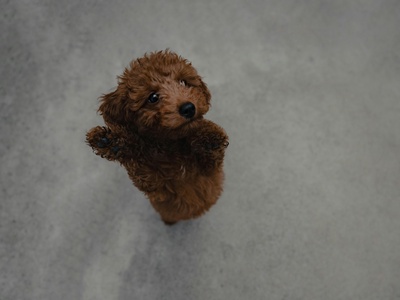
Poodle (Standard/Miniature/Toy)
A proud and exceptionally intelligent breed from Germany/France with a dense, curly coat. They are hypoallergenic but require professional grooming every 4-8 weeks to prevent matting. Tip: Their intelligence means they need mental stimulation to avoid boredom.
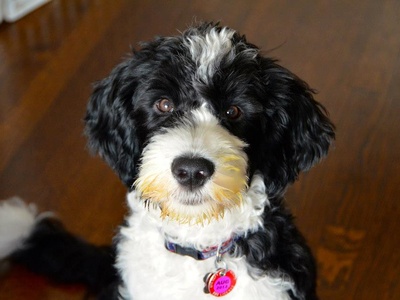
Portuguese Water Dog
An intelligent and eager-to-please working dog from Portugal with a single coat of tight curls or looser waves. They are hypoallergenic and love to swim. The coat needs regular trimming. Tip: They are true water dogs and need vigorous exercise to stay happy and healthy.
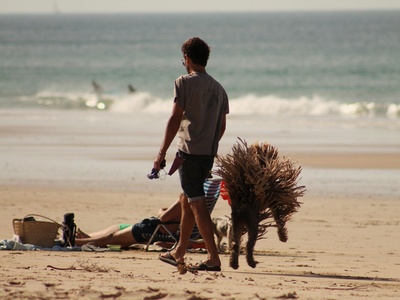
Puli
A Hungarian herding dog known for its naturally corded coat. They are loyal and intelligent. Once corded, the coat needs separating rather than brushing. Tip: The dense cords take a very long time to dry after a bath, so plan bathing days carefully.
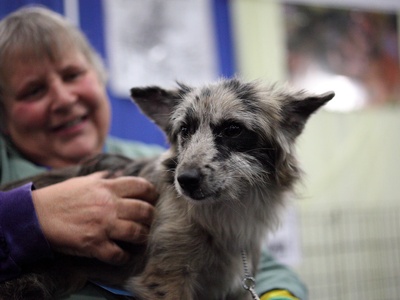
Pyrenean Shepherd
A high-energy herding dog from the Pyrenees Mountains. The rough-faced variety has long hair. They are mischievous and intelligent, needing a job to do. The coat needs weekly brushing. Tip: This is not a dog for a sedentary lifestyle; they need constant activity.
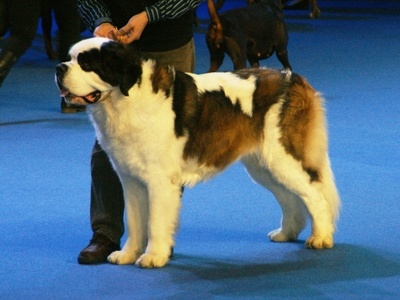
Saint Bernard (Long Haired)
A patient and gentle giant from the Swiss Alps. The long-haired variety has a dense, medium-long double coat that sheds heavily. They are famous for their calm demeanor. Tip: They grow very quickly; a proper large-breed puppy food is essential for healthy development.
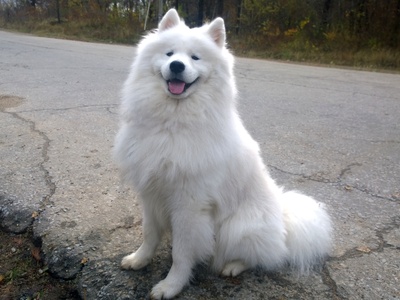
Samoyed
A friendly and gentle working dog from Siberia with a thick, profuse white double coat. They are known for their “Sammy smile” and social nature. The coat sheds heavily. Tip: They are very vocal and express themselves with barks, howls, and yodels.
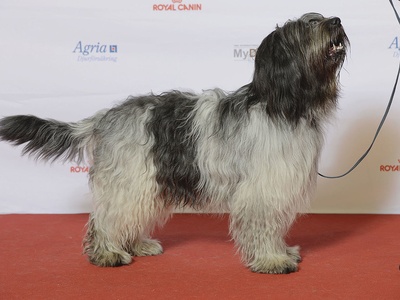
Schapendoes
A friendly and lively herding dog from the Netherlands with a long, thick, and slightly waved double coat. They are known for their remarkable jumping ability. The coat requires weekly brushing. Tip: A secure, high fence is a must-have for this springy, athletic breed.
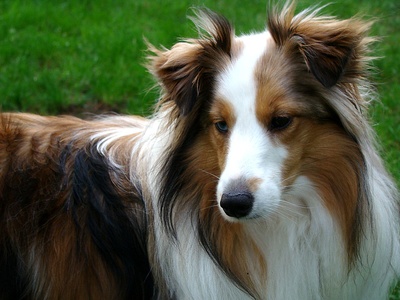
Shetland Sheepdog
A playful and intelligent herding dog from the Shetland Islands, appearing like a miniature Rough Collie. Their long, dense double coat sheds heavily. They are sensitive and eager to please. Tip: They are known barkers, so training to control barking should start early.
Shih Tzu
An outgoing and affectionate toy breed from Tibet with a long, flowing double coat. They are hypoallergenic but require daily grooming or a short clip. Tip: Their short snout makes them prone to overheating, and their prominent eyes can be easily injured.
Silky Terrier
An inquisitive and friendly toy terrier from Australia with a straight, silky, floor-length single coat. Their coat is similar to human hair and requires daily brushing. Tip: Despite their toy appearance, they have true terrier instincts and enjoy chasing small animals.

Skye Terrier
A courageous and loyal terrier from Scotland’s Isle of Skye, with a long, hard, straight double coat. They are one of the oldest terrier breeds. The coat needs weekly brushing. Tip: They are prone to back problems, so discourage jumping from high places.

Soft Coated Wheaten Terrier
A happy and devoted terrier from Ireland with a silky, gently waving single coat. They are known for their exuberant “Wheaten Greetin’.” Their hypoallergenic coat needs daily brushing. Tip: They can be prone to food allergies and skin issues, so diet is important.
Spanish Water Dog
A loyal and diligent herding dog from Spain with a curly, woolly single coat that can form cords. They are versatile workers. The coat should never be brushed. Tip: The coat is typically shorn down completely once or twice a year for easy maintenance.
Tibetan Mastiff
An independent and protective guardian from Tibet with a heavy, long double coat and a pronounced mane. They are nocturnal by nature, becoming more active at night. They have a massive seasonal shed. Tip: They are not a breed for novice owners due to their size and independent will.
Tibetan Spaniel
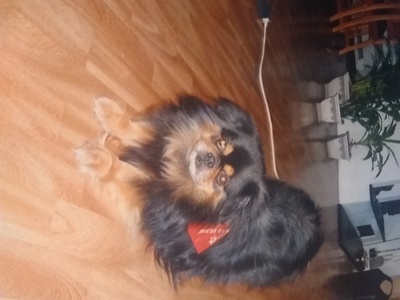
A self-assured and intelligent companion from Tibet with a silky double coat of moderate length. Bred as monastery lookouts, they enjoy high perches. The coat needs weekly brushing. Tip: They can often be found on the back of the sofa or other high furniture.
Tibetan Terrier
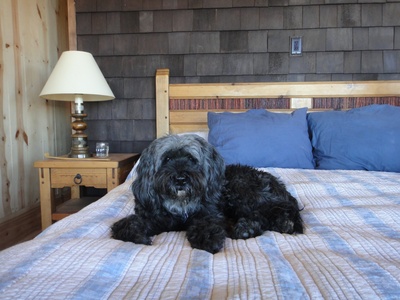
A lively and good-natured companion from Tibet, not a true terrier. They have a long, fine double coat that protected them from harsh weather. The coat requires regular brushing. Tip: Known as “Luck Bringers,” they were bred as companions and watchdogs in monasteries.
Yorkshire Terrier
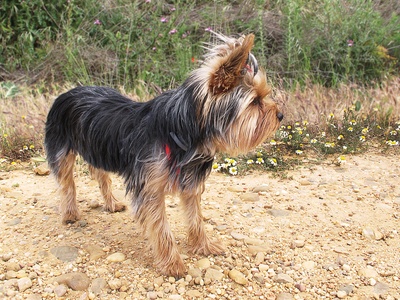
A brave and determined toy terrier from England with a long, fine, silky single coat. Their hypoallergenic, human-like hair requires daily brushing to prevent tangles. Tip: Despite their small size, they have a big personality and require firm, consistent training.