One ocean clam, nicknamed “Ming,” was 507 years old when scientists mistakenly killed it while trying to determine its age.
The longest living animals include both tiny clams and huge whales, and their lifespans teach us about climate, conservation, and aging.
Longevity matters because long-lived creatures stabilize ecosystems, lock away climate information in hard tissues, and sometimes reveal biological tricks that interest medical researchers.
This list groups the Top 10 longest living animals into four readable categories. Each entry gives specific ages and real examples, plus a short note on how scientists measure age and why it matters.
Marine longevity: clams, sharks and whales
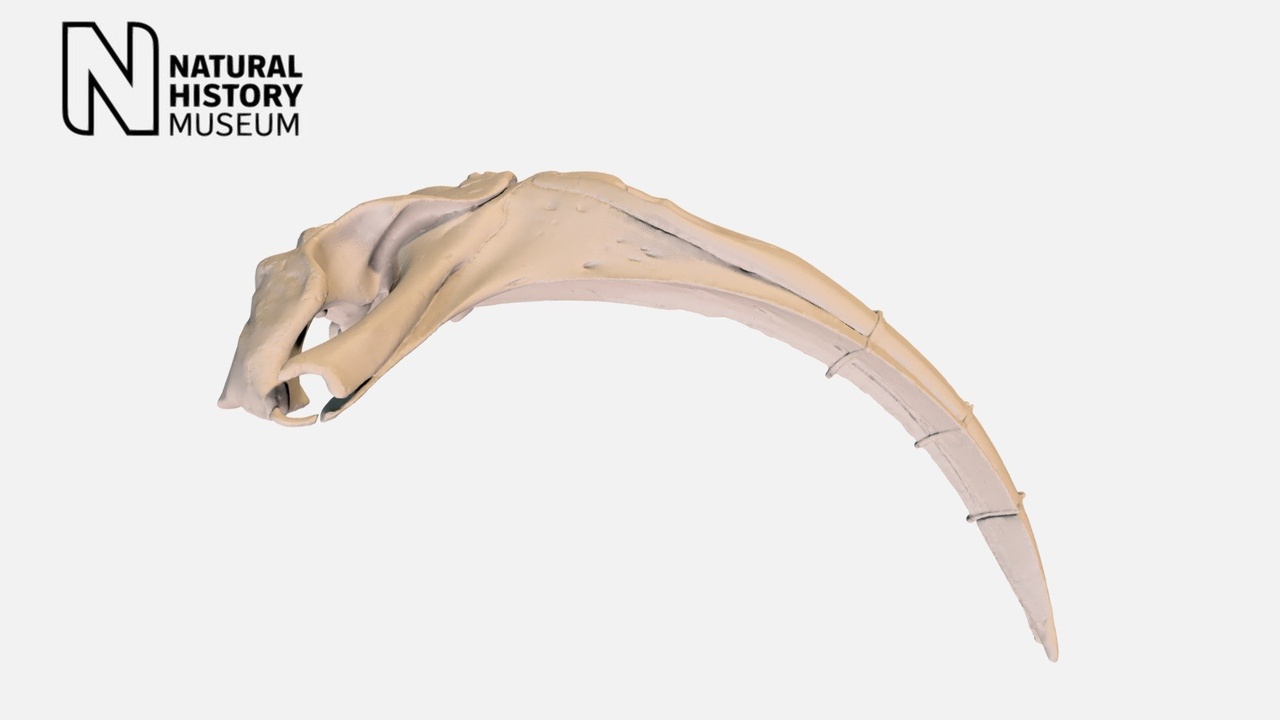
Many of the longest-lived animals are marine. Cold, low-energy habitats slow growth and metabolic wear. Hard parts — shells, otoliths, baleen, or ear plugs — record years in layers or chemical signatures.
Scientists use sclerochronology, otolith microstructure, and radiocarbon dating to estimate ages. Those records also serve as climate archives and guide conservation of slow-recovering populations.
1. Ocean quahog (Arctica islandica) — 507 years
Ming the ocean quahog reached 507 years (died 2006) and still ranks as one of the oldest individually dated animals. Researchers counted growth rings in the shell and used cross-dating techniques to confirm the result.
Sclerochronology of Arctica islandica provides high-resolution sea-surface temperature and environmental records. Each growth increment preserves seasonal signals that let scientists reconstruct past ocean conditions year by year.
That work helps calibrate longer climate proxies and shows how a tiny bivalve can become a precise natural archive for centuries of ocean history.
2. Greenland shark (Somniosus microcephalus) — ~200–400+ years
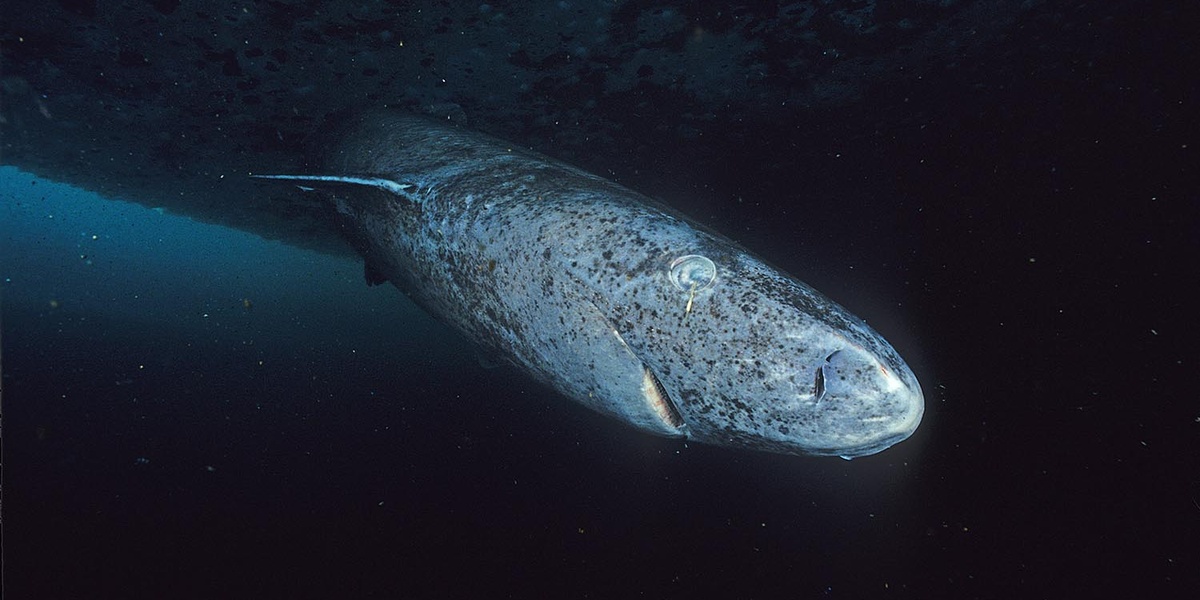
Greenland sharks are among the longest-lived vertebrates. Radiocarbon dating of eye lens proteins in studies published around 2016 and later produced conservative age ranges from roughly 200 up to nearly 400 years for some individuals.
These sharks grow slowly in frigid, deep Arctic waters and reach sexual maturity very late. That slow pace makes them vulnerable to overharvest and complicates population recovery.
Because they persist for centuries, Greenland sharks provide a long-term lens on Arctic ecosystem stability and human impacts as the region warms.
3. Bowhead whale (Balaena mysticetus) — 200+ years
Bowhead whales commonly exceed 100 years and some individuals are estimated to be over 200. Age validation has come from historical artifacts (harpoon tips) embedded in tissues and from layering in baleen and ear plugs.
Researchers have recovered 19th-century harpoon fragments from living bowheads, providing direct evidence that some whales survived centuries of change. Indigenous knowledge also records unusually old individuals.
Because bowheads reproduce slowly and live long lives, population recovery from commercial whaling takes many decades. Their tissues also preserve Arctic environmental histories useful to scientists.
Tortoises and reptiles: the slow-but-steady terrestrial elders
Large reptiles, especially giant tortoises, combine slow growth with low adult mortality, a recipe for extreme lifespans. Delayed maturity and long reproductive windows shape conservation planning.
Captive care can extend lives, but wild and captive records differ. Managers must plan decades ahead when restoring populations of century-old reptiles.
4. Galápagos tortoise (Chelonoidis nigra) — 100–175+ years
Galápagos tortoises routinely live past 100 years. Some famous individuals reached around 175; Harriet is a well-known example kept in zoo records and public memory.
Zoos and researchers track these animals over decades. Captive breeding and rewilding programs have helped restore island populations, but managers must think in generations, not seasons.
Longevity affects release schedules and genetic planning because a single adult can contribute to a population for many decades.
5. Aldabra giant tortoise (Aldabrachelys gigantea) — 150–250+ years (Adwaita example)
Aldabra giant tortoises have legendary lifespans. Adwaita, housed in an Indian zoo, is often cited as having lived around 250 years, though historical documentation leaves room for debate.
Some ages for historic specimens rely on records rather than direct scientific aging. That uncertainty matters for how we interpret claims and manage captive lineages.
Regardless of exact numbers, long-lived tortoises are cultural icons and require careful record-keeping and genetic management in captivity.
6. Tuatara and other reptiles — 100+ years in special cases
Tuatara from New Zealand have reached ages over 100 in protected settings. Long-term field monitoring and captive records confirm that some reptiles can live well beyond a human lifetime.
Island reptiles often benefit from predator-free environments, which lowers adult mortality and allows slow life histories to pay off. That makes their conservation both simpler in some ways and more fragile in others.
Managers rely on multi-decade studies to understand growth, reproduction, and threats for these long-lived species.
Fish and freshwater champions
Some fish, in both freshwater and deep-sea habitats, can reach remarkable ages. Scientists age fish using otolith rings, scale analysis, or other hard-part microstructures.
Where fish have cultural value, careful husbandry can produce unusually long captive lifespans. By contrast, slow-growing wild fish need conservative fisheries management.
7. Koi (e.g., Hanako) — 226 years
Hanako, a famous Japanese koi, was reported to have lived 226 years based on scale-growth analysis and meticulous records kept by caretakers. The story illustrates how culture and careful care can extend captive lives.
Some verification debates remain, but scale and tissue ring analyses provide plausible age estimates when records match physical data. Good water quality, diet, and attentive husbandry all matter.
For hobbyists and cultural institutions, those practices offer lessons in long-term animal care.
8. Rougheye rockfish (Sebastes aleutianus) — ~200 years
Rougheye rockfish are among the longest-lived bony fishes, with some individuals estimated near 200 years. Scientists use otolith microstructure to count annual growth increments.
These species grow slowly and mature late. As a result, they recover slowly from overfishing and need conservative quotas and long-term monitoring.
Fisheries managers have revised stock assessments after otolith-based studies revealed much older ages than once thought.
Invertebrate marvels and biological ‘immortals’
Invertebrates challenge simple ideas about aging. Some colonies live for millennia. Some species can revert life stages. Their biology offers fresh angles for aging research and paleoclimate work.
Researchers combine radiocarbon dating, growth-rate studies, and lab observations to estimate these extreme lifespans and test cellular mechanisms of rejuvenation.
9. Turritopsis dohrnii (the ‘immortal’ jellyfish) — biological rejuvenation
Turritopsis dohrnii can revert adult medusae back to juvenile polyps in laboratory settings. That cellular reprogramming gives it the “immortal” nickname under controlled conditions.
Lab studies document medusa-to-polyp reversals, but wild individuals still face predation, disease, and environmental hazards. So the species is not truly immortal in nature.
Scientists study this jellyfish to learn how cells change identity and resist senescence, while being careful about overstating implications for human aging.
10. Ancient corals and deep-sea sponges — thousands to tens of thousands of years
Some black coral colonies and deep-sea glass sponges have ages estimated in the thousands to tens of thousands of years. Radiocarbon dating and measured growth rates underpin these estimates.
Leiopathes black corals have conservative age estimates exceeding 4,000 years in some studies. Monorhaphis glass sponges have been suggested to approach 11,000 years based on growth models and radiocarbon data.
These organisms form slow, fragile habitats that archive long-term environmental change. They are highly vulnerable to bottom trawling and prospective deep-sea mining because they cannot regrow on human timescales.
Summary
- Ming the ocean quahog lived 507 years and helps researchers read past ocean conditions.
- Greenland sharks and bowhead whales can live for multiple centuries, which shapes conservation and recovery timelines.
- Some invertebrates display biological rejuvenation or record millennia of environmental history.
- Protecting long-lived species and habitats requires long-term research funding, careful fisheries and habitat management, and policies that account for slow recovery.
- The longest living animals teach us about climate archives, ecosystem stability, and novel biology worth studying and protecting.