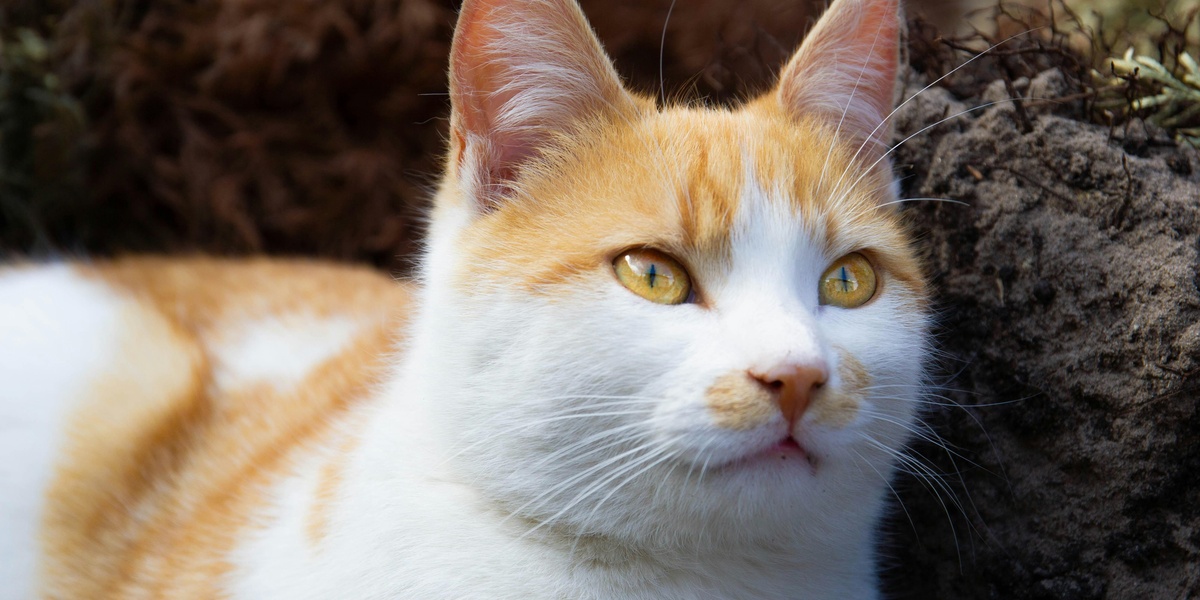
From sunlit windowsills to barn rafters, orange-coated cats are easy to spot and often become the neighborhood characters people remember. Their color shows up across many breeds and settings, from pedigreed showcats to mixed-breed rescues.
There are 26 orange cat breeds, ranging from Abyssinian to Turkish Van. For each entry you’ll find below the data organized with Scientific name, Common orange pattern, Origin (country), so you can compare appearance and background at a glance.
Why are so many orange cats male?
The orange (O) gene is on the X chromosome, so males (XY) only need one copy to be orange while females (XX) need two; that makes orange males more common. Genetics explain coat color frequency, though environment and neutering don’t change the underlying inheritance.
Do orange cat breeds share the same personality?
Not necessarily — temperament is shaped more by breed, upbringing, and individual history than by coat color alone. The list below gives breed-level tendencies, but expect variation between cats even within the same orange pattern.
Orange Cat Breeds
| Breed | Scientific name | Common orange pattern | Origin (country) |
|---|---|---|---|
| Domestic Shorthair | Felis catus | Red/orange mackerel, classic, spotted tabby; red bicolor | Worldwide |
| Domestic Longhair | Felis catus | Red/orange tabby, ticked, red bicolor | Worldwide |
| American Shorthair | Felis catus | Red/orange classic and mackerel tabby; red bicolor | United States |
| British Shorthair | Felis catus | Red/orange chunky tabby, red bicolor | United Kingdom |
| Maine Coon | Felis catus | Red/orange classic, mackerel tabby; red tortie, red bicolor | United States (Northeast) |
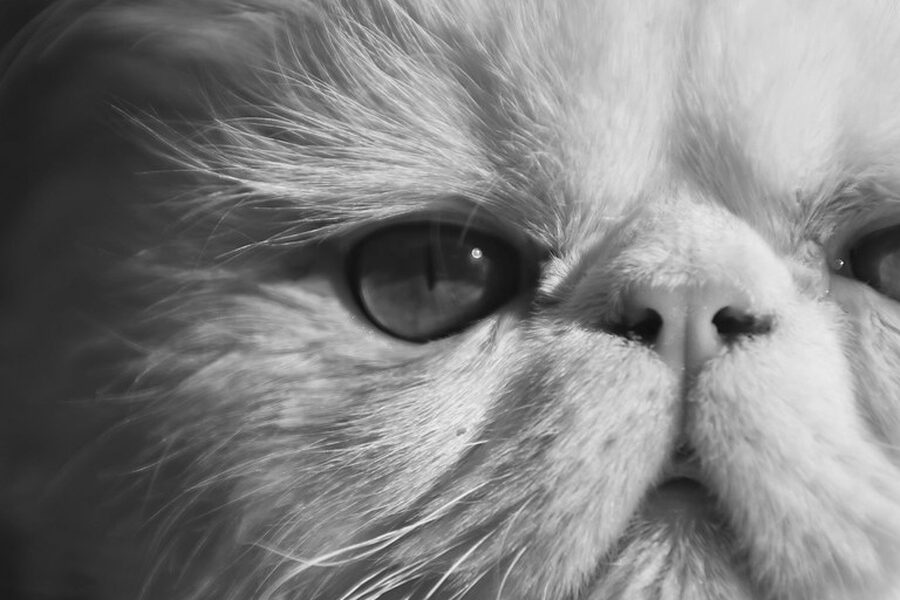
| Persian | Felis catus | Red/orange mackerel/tabby, red bicolor; red point variants | Iran/Persia |
| Exotic Shorthair | Felis catus | Red/orange tabby and red bicolor; red point possible | United States (derived from Persian) |
| Ragdoll | Felis catus | Red/cream point, flame point mitted and bicolor | United States |
| Birman | Felis catus | Red/cream point; red tabby point variants | Burma (modern Myanmar) region |
| Siamese (Flame point) | Felis catus | Red/flame point (lynx point) on extremities | Thailand (Siam) |
| Balinese | Felis catus | Red/flame point and lynx point | United States (longhaired Siamese line) |
| Himalayan | Felis catus | Red/cream point, red tabby point | United States (Persian colorpoint origin) |
| Norwegian Forest Cat | Felis catus | Red/orange classic and mackerel tabby; red bicolor | Norway |
| Siberian | Felis catus | Red/orange tabby and red bicolor; red tabby point sometimes | Russia |
| Turkish Van | Felis catus | Red/orange patched and red bicolor (van pattern) | Turkey (Lake Van region) |
| Turkish Angora | Felis catus | Red/orange tabby, red bicolor, cream blends | Turkey |
| Scottish Fold | Felis catus | Red/orange classic and mackerel tabby; red bicolor | Scotland |
| Manx | Felis catus | Red/orange mackerel and classic tabby; red bicolor | Isle of Man |
| Cornish Rex | Felis catus | Red/orange mackerel/tabby, red bicolor, ticked | England |
| Devon Rex | Felis catus | Red/orange mackerel/tabby, red bicolor | England |
| Oriental Shorthair | Felis catus | Solid red, red tabby, red bicolor, ticked patterns | United Kingdom (derived from Siamese) |
| Abyssinian | Felis catus | Ruddy and sorrel (warm red) ticked coat; “red” variant | Ethiopia (historical Abyssinia) |
| Somali | Felis catus | Red/sorrel ticked longhair, red bicolor less common | Somalia/derived from Abyssinian |
| Japanese Bobtail | Felis catus | Red/orange patched, red tabby and calico patterns | Japan |
| Ocicat | Felis catus | Warm red/orange spotted/tabby tones, tawny variants | United States |
| Bengal | Felis catus | Warm orange/copper spotted and marbled patterns (sorrel in some lines) | United States (developed) |
Images and Descriptions

Domestic Shorthair
A catch‑all for non‑pedigreed shorthairs; orange tabby and red bicolors are common. Temperaments vary widely but many are friendly and adaptable. Low‑to‑moderate grooming; excellent adoption choice from shelters and rescues for varied lifestyles.

Domestic Longhair
Broad category for mixed longhaired cats that often show orange tabby or bicolor coats. Personality and health vary by background; many are affectionate and mellow. Regular brushing needed to prevent mats; frequently available in rescues.
American Shorthair
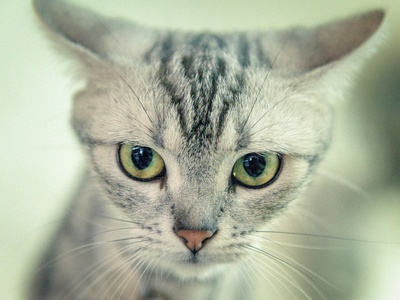
Classic, sturdy breed where red tabby appears fairly often. Known for balanced, easygoing temperaments and good family compatibility. Short, dense coat requires weekly brushing; generally healthy and popular for homes with children.

British Shorthair
Solid, round-faced breed that can show rich red tabby or red‑white bicolor coats, less common than blue. Calm, independent and affectionate. Dense coat needs regular grooming; slower maturity and a dignified manner.

Maine Coon
Large, shaggy breed with frequently seen red tabby shades and red bicolors. Gentle, sociable “gentle giant” temperament; moderate to high grooming for its long coat and seasonal shedding. Popular and adaptable family cat.
Persian
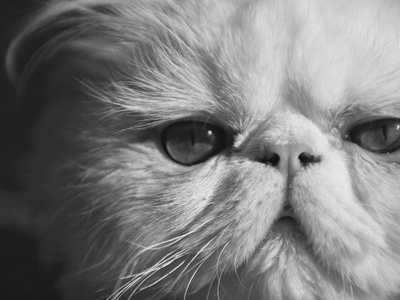
Long‑haired, flat‑faced breed where red tabby and red‑white patterns occur; red points appear in Himalayan types. Calm, affectionate but require daily grooming and regular health checks; good for calm indoor life.
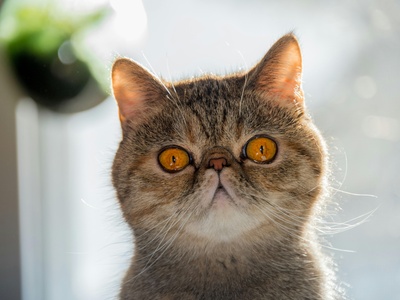
Exotic Shorthair
Short‑haired Persian type often seen in red tabby and red bicolor patterns. Sweet, placid temperament like Persians with easier grooming; good for owners wanting Persian looks with lower maintenance.

Ragdoll
Large, plush colorpoint breed where red/cream points (flame) are recognized; relatively uncommon but popular. Extremely docile, affectionate, and people‑oriented. Moderate grooming for semi‑long coat; great indoor companion.
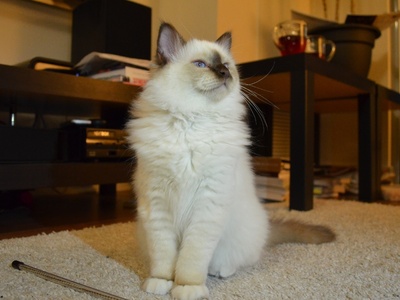
Birman
Sacred cat with white “gloves” and colorpointing including red/cream points. Temperament is gentle and social. Moderate grooming for silky coat; red points are less common but attractive for adopters seeking a calm companion.
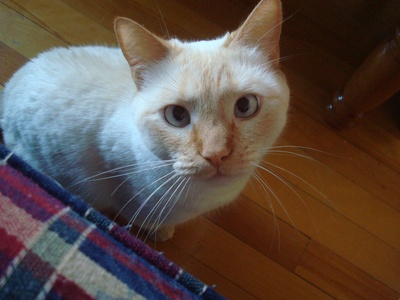
Siamese (Flame point)
Traditional colorpoint breed with “flame” or red point and lynx point variants on faces, ears, paws, tail. Very vocal, active and social; short coat needs minimal grooming. Flame points more often seen in females.

Balinese
Longhaired Siamese type that can display flame/red points. Elegant, vocal and affectionate like Siamese with a silkier coat; moderate grooming. Flame points add warm orange contrast to their point markings.

Himalayan
Persian‑type colorpoint with Himalayan variations showing red/cream points. Quiet, affectionate, and indoor‑oriented. Daily grooming and eye care often required; red points are a charming but not dominant color.
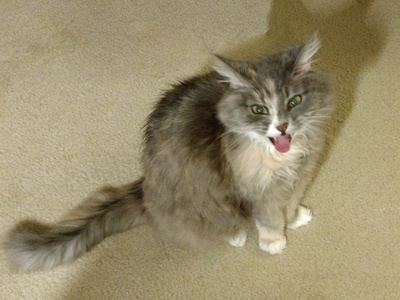
Norwegian Forest Cat
Large, rugged longhaired breed where red tabby shades occur naturally. Independent yet friendly outdoorsy nature; dense coat needs seasonal grooming and shedding management. Red variants are occasional but well‑recognized.

Siberian
Robust, triple‑coated Russian native that can appear in warm red tabby shades. Playful, affectionate and hypoallergenic tendencies for some. Requires moderate grooming; red colors are less common but present.
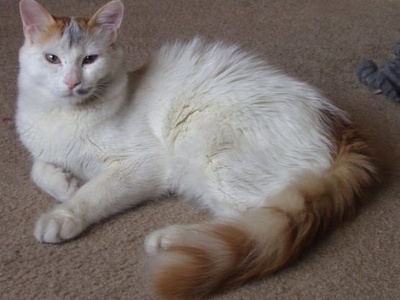
Turkish Van
Distinctive van pattern often with red patches on head and tail over white; red and white combinations are traditional. Energetic, enjoys water, and playful. Moderate grooming; red van patterns are a hallmark of the breed.
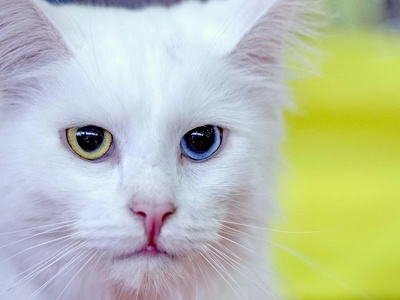
Turkish Angora
Elegant, fine‑boned longhair that can show red tabby and red bicolors. Active, intelligent and affectionate; minimal matting but regular brushing recommended. Red variants are attractive and historically prized.
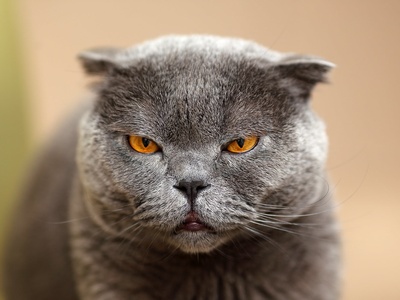
Scottish Fold
Known for folded ears, this breed can display red tabby and red‑white coats. Sweet, calm, and people‑oriented; regular ear checks needed. Red varieties are reasonably common among fold and straight eared lines.
Manx
Tail‑less (or short‑tailed) breed with red tabby patterns possible. Active, playful and dog‑like in loyalty. Short to long coat types exist; grooming varies. Red colors are well represented in the breed.

Cornish Rex
Curly‑coated, slender breed that can show warm red tabby and bicolor patterns. Playful, affectionate and high‑energy; minimal grooming but sensitive to cold due to fine coat. Red coats are common across lines.
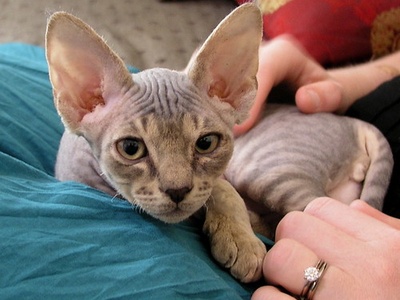
Devon Rex
Small, elf‑faced curly breed where red tabby and red bicolors occur regularly. Mischievous, people‑loving and active; needs gentle coat care and warmth. Excellent for owners seeking playful, affectionate companions.
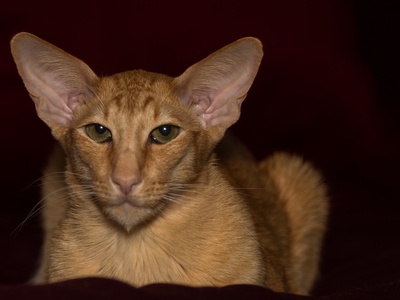
Oriental Shorthair
Sleek, vocal breed available in many colors including solid red and red tabby. Highly social, intelligent and active; short coat is easy care. Red and red tabby are popular choices among enthusiasts.
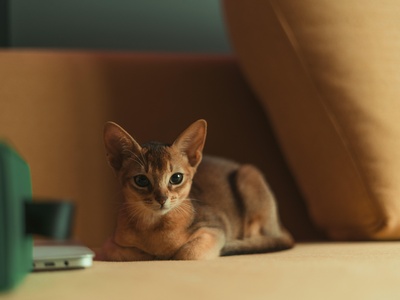
Abyssinian
Ticked, warm reddish coat (ruddy/sorrel) gives an orange tone rather than classic tabby stripes. Active, curious and highly intelligent; low grooming. True “red” appears as rich warm ticking, admired by fans.
Somali
Longhaired counterpart to Abyssinian with a glowing red/sorrel ticked coat in some lines. Playful, lively and affectionate; longer coat needs regular grooming. Red somalis are striking and sought after.

Japanese Bobtail
Traditional breed often seen with red patches in classic bicolor or calico patterns; red tabbies also occur. Lively, intelligent and social; short to medium coat requires minimal grooming. Red patterns are culturally celebrated.
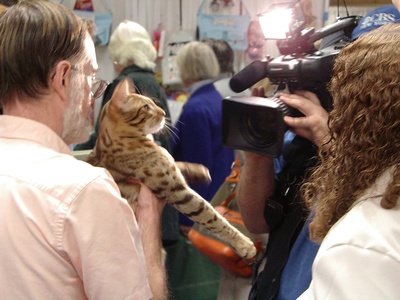
Ocicat
Spotted, wild‑looking breed with warm tawny and orange spotting that can read as red in some lines. Confident, active and dog‑like with high social needs. Short coat easy care; orange shades are attractive though not universal.
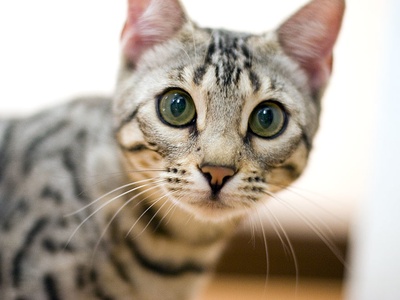
Bengal
Domesticated breed with wild appearance; some lines show rich warm orange/copper spotting and marbling often described as “sorrel.” Active, vocal and highly energetic; requires enrichment. Orange tones appear in select breeding programs.