In the 1960s Jane Goodall documented chimpanzees hunting colobus monkeys in coordinated groups — one of the earliest modern accounts that brought cooperative hunting into scientific and public view.
Group hunting matters because it raises capture success, lets predators tackle prey far larger than an individual could manage, and reshapes social life around cooperation and resource sharing. Packs and parties can lift success rates from single-digit percentages for lone hunters to well over 60% in some species under the right conditions.
This piece profiles the top 10 pack hunting animals and highlights how communication, role specialization, and social learning make them effective. Four broad groups structure the list: Canids and relatives, big African predators and hyenas, marine mammals, and a mixed set of birds, primates, and opportunistic hunters.
Canids and Close Relatives
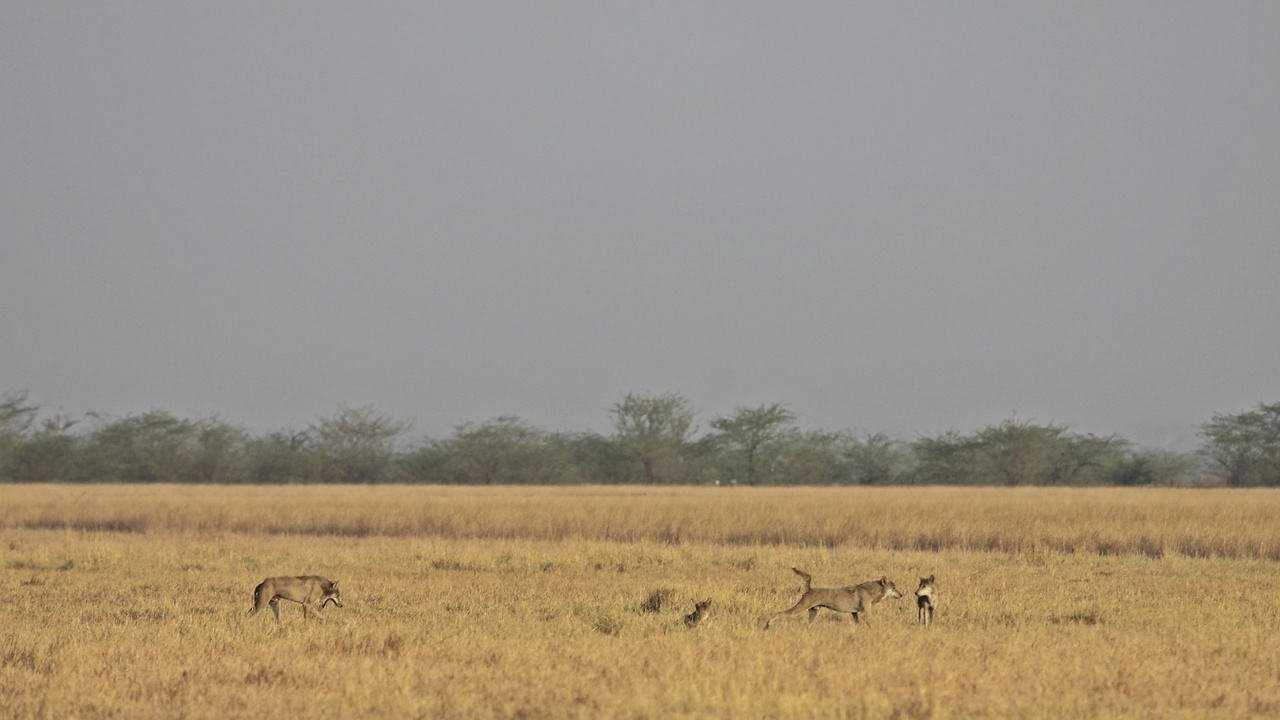
Members of the dog family and their close kin are textbook cooperative hunters: they use vocal signals, body cues, and role switching to run, flank, and exhaust prey. Pack hunting animals in this group vary from endurance specialists to sprinting relays, and pack sizes shift with prey type and habitat.
Vocal coordination (howls, barks, clipped calls) helps synchronize chases, while non‑vocal cues steer flankers and chasers into position. Packs commonly expand for large ungulates and shrink for small prey, giving these canids flexible, efficient strategies.
1. Gray Wolf (Canis lupus)
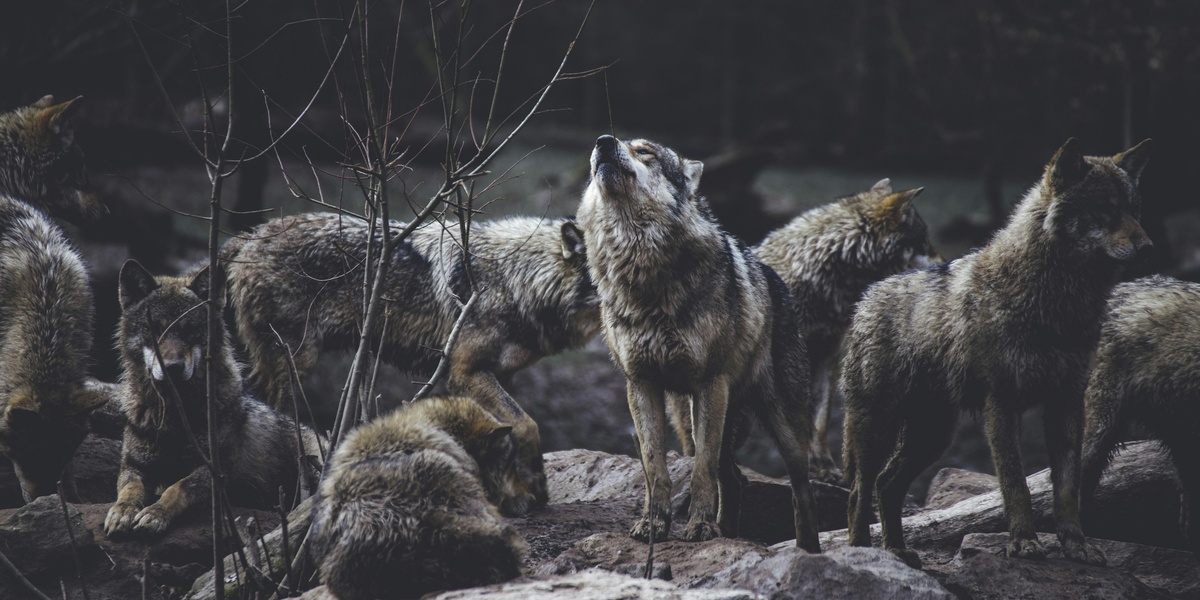
Gray wolves are emblematic pack hunters, with typical packs of 4–8 adults though regional groups can run from 2 to 20 or more. Wolves combine endurance pursuit with coordinated encircling: some individuals drive prey while others cut off escape routes.
The Yellowstone reintroduction in 1995 is a clear modern case: returning wolves altered elk behavior and foraging patterns, producing measurable effects on vegetation and riverbank recovery. Multiple observational studies document flanking and relay tactics in hunts.
Because hunting success often scales with pack size, wolf social structure links directly to prey abundance and territory management, fueling debates over population control and conservation across North America and Eurasia.
2. African Wild Dog (Lycaon pictus)
African wild dogs are among the most efficient mammalian hunters: packs commonly total 6–20 individuals and field studies report hunting success often above 60%—and in some favorable cases exceeding 70–80%.
The dogs use relay running and rapid role-switching to wear down antelope across open savanna; hunters trade places to sustain speed, then close for a short, decisive strike. Observations in Botswana’s Savuti marshlands illustrate remarkably high capture rates.
Conservation is urgent: fewer than 7,000 mature wild dogs remain worldwide, fragmented into isolated populations. Their coordination has even inspired algorithms and swarm robotics aimed at distributed-team problems.
3. Dhole (Cuon alpinus)
Dholes are Asian wild dogs known for flexible, stealthy drives through forested terrain. Typical packs range from 5–12 individuals, though numbers fluctuate with prey availability and local conditions.
They often approach silently, then launch coordinated drives that push ungulates into ambush lines or open ground where chasers finish the job. Field studies in Bandipur and Nagarhole, India, document these complex group maneuvers.
Like other social predators, dholes can take prey larger than a single animal could handle, but face threats from habitat loss and competition with tigers and leopards across Southeast Asia.
Big African Predators and Hyenas
Africa’s savanna features iconic team hunters that handle the continent’s largest ungulates. Lions rely on ambush, coordination, and role specialization, while spotted hyenas combine stamina, numbers, and a complex social order to outlast prey and competitors.
Both systems shape pride and clan structures, affect territory size, and alter reproduction strategies tied to group hunting success and resource distribution.
4. Lion (Panthera leo)
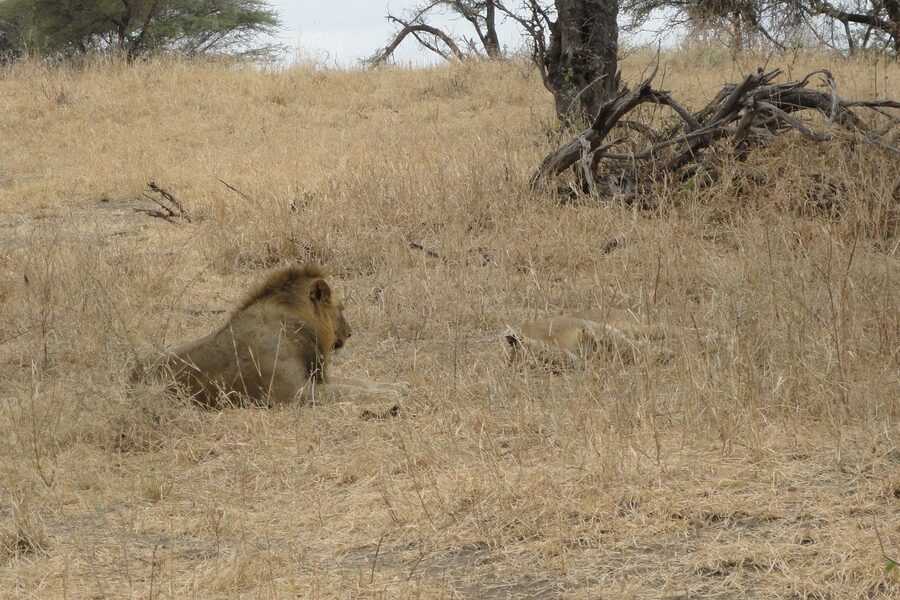
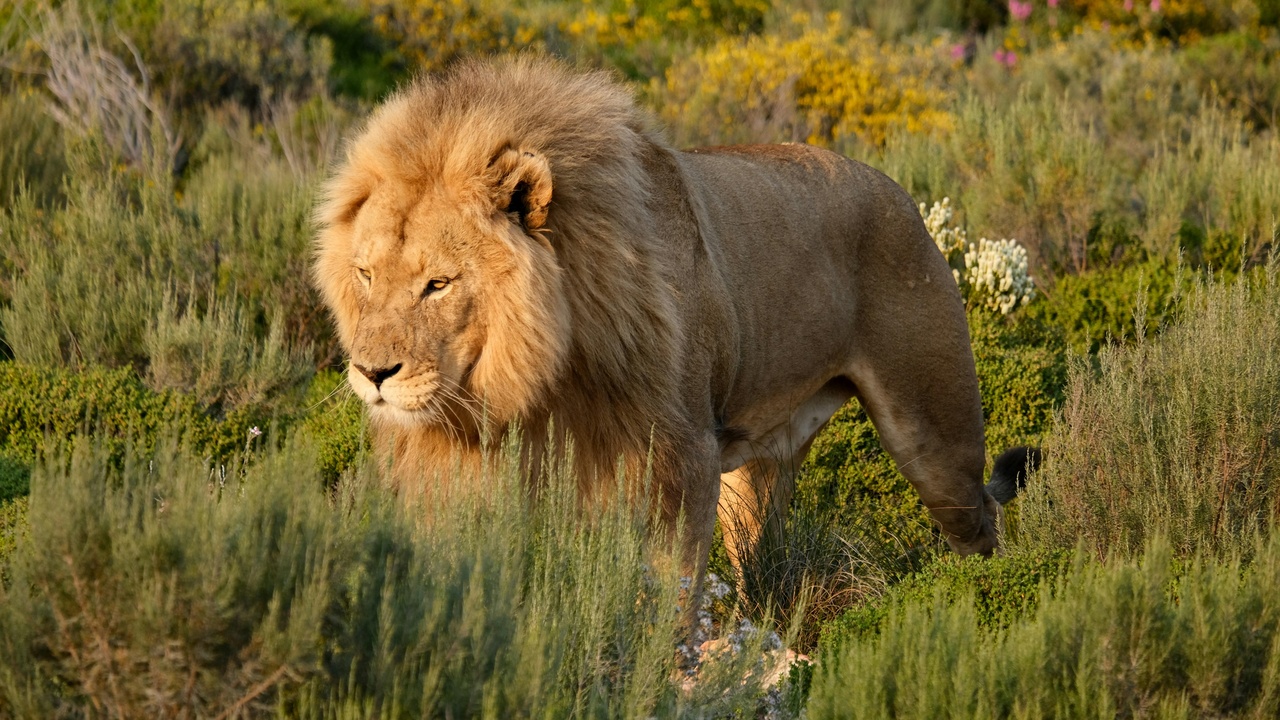
Lions are the most famous social big cats, with pride sizes commonly around 10–15 animals, though smaller or much larger prides exist in different regions. Females do most cooperative hunting, while males primarily defend territory and cubs.
Hunting typically uses ambush and coordinated flanking: groups station near likely routes, then rush and isolate targets such as buffalo, zebra, or wildebeest. Serengeti pride hunts on migrating herds are classic examples of timing and teamwork.
By controlling large herbivore numbers, lion predation influences grassland structure and downstream biodiversity, linking predator social behavior to ecosystem health.
5. Spotted Hyena (Crocuta crocuta)
Spotted hyenas are skilled hunters and scavengers with clan sizes that commonly range from 5–20 members and, in rich habitats, can reach up to 80. Their societies are female‑dominated and highly structured.
Hyenas use numerical advantage and endurance to run down prey, and they coordinate chases that capitalize on stamina rather than stealth. Ngorongoro and Serengeti clans provide many field records of group takedowns of zebra or wildebeest.
Because they both hunt and scavenge, hyenas influence nutrient flows and compete with lions and vultures, making them central players in savanna food webs and behavior studies.
Marine Mammals: Coordinated Hunters of the Sea
Hunting underwater demands different tools: sonar, complex vocalizations, and precise movements. Marine mammals like orcas and dolphins use corralling, bubble-netting, and even intentional stranding to concentrate prey.
Many techniques are culturally transmitted: pods and groups pass specialized tactics down generations, producing regional “traditions” that researchers track over decades.
6. Orca / Killer Whale (Orcinus orca)
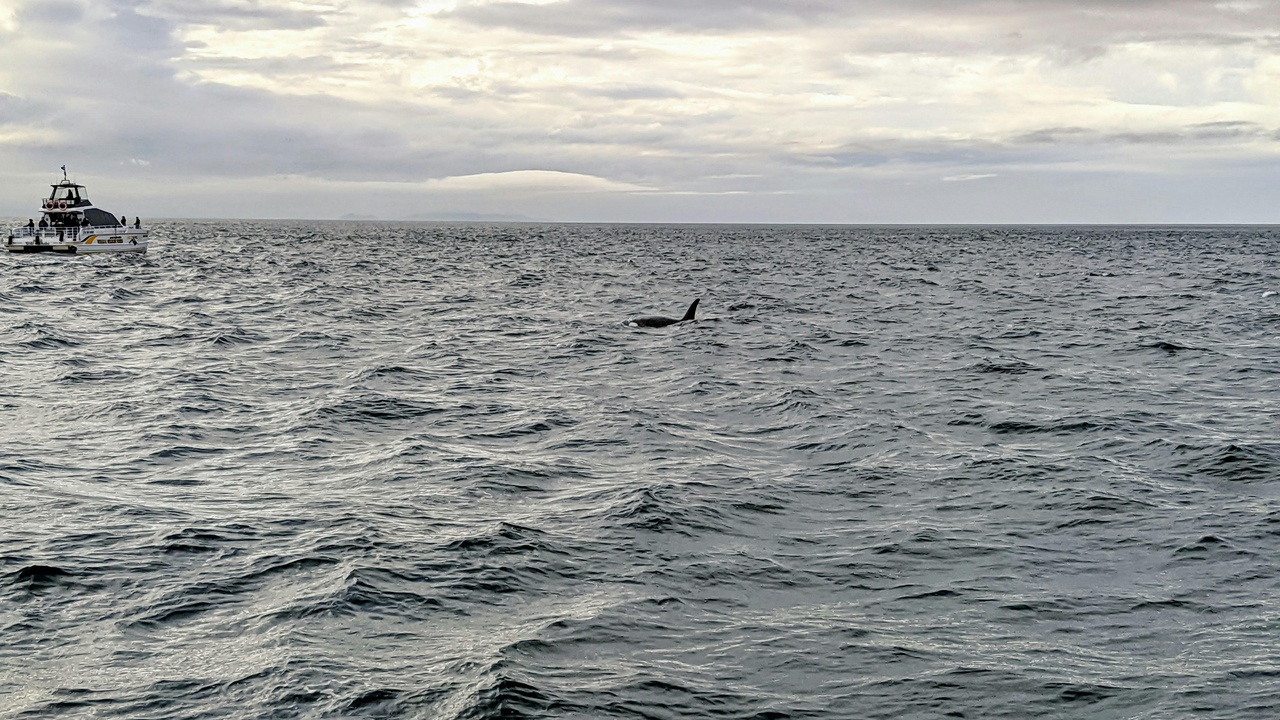
Orcas are apex predators with pods commonly of 5–30 individuals, though seasonal superpods can number much higher. Different ecotypes—resident, transient, offshore—show distinct prey preferences and hunting styles.
Techniques range from carousel feeding on herring (well documented off Norway) to deliberate beach‑stranding to catch seals (recorded in Patagonia). These tactics spread through pod culture rather than genetics alone.
Orca hunting behavior affects local fisheries and conservation planning, and their cultural complexity is central to protected‑population strategies in several regions.
7. Bottlenose Dolphin (Tursiops truncatus)
Bottlenose dolphins are versatile team hunters; group sizes range from a few individuals to dozens depending on prey and season. They use herding, mud‑ring feeding, and strand feeding to trap fish.
Mud‑ring feeding—observed in Florida in the 2000s—involves a dolphin making a circle of mud to herd fish into a tight ball for easy picking. Such behaviors are learned and transmitted across generations.
Because dolphins sometimes interact with coastal fisheries, understanding their cooperative tactics helps manage human‑wildlife conflicts and preserve culturally important dolphin populations.
Birds, Primates, and Opportunistic Pack Hunters
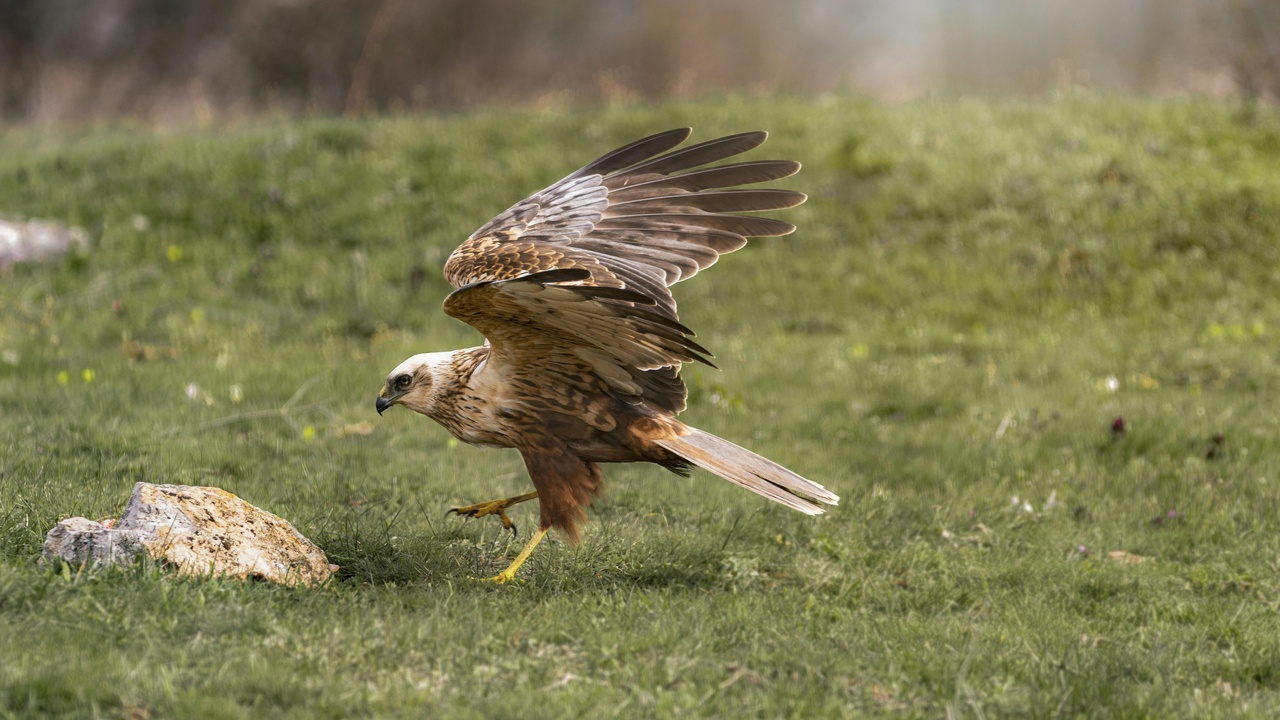
Cooperation isn’t limited to big carnivores and marine mammals. Raptors, primates, and adaptable canids also form teams for hunting, each using different senses and tactics—vision in birds, cognition in primates, and olfaction and endurance in canids.
These diverse strategies expand prey options and show how sociality repeatedly evolves in response to ecological opportunities.
8. Harris’s Hawk (Parabuteo unicinctus)
Harris’s hawks are one of the few raptors that hunt cooperatively, typically in groups of 2–6 birds. They use ladder‑like perching, flush‑and‑chase, and role sharing to catch prey larger or more agile than an individual hawk could handle.
Field observations in the Sonoran Desert show coordinated perch strategies where one bird flushes prey toward waiting partners. Falconers have long mimicked these tactics in demonstrations and training.
Group hunting increases capture rates in patchy environments where single predators would fare poorly, illustrating cooperative behavior outside the mammal world.
9. Chimpanzee (Pan troglodytes)
Jane Goodall’s 1960s Gombe studies first brought wide attention to chimpanzee group hunts of colobus monkeys, where parties assign roles as drivers, blockers, and ambushers. Taï Forest research has continued to document similar patterns.
Hunters patrol, isolate a target, and execute role‑specific moves; successful hunts are followed by meat‑sharing that strengthens social bonds and alliance networks. These behaviors offer insights into the evolution of cooperation in human ancestors.
Because hunting and sharing affect rank and reproduction, chimpanzee cooperative hunting has clear implications for social evolution studies.
10. Coyote (Canis latrans)
Coyotes are flexible hunters: often solitary, they form family groups or temporary packs of about 2–12 individuals when targeting larger prey such as white‑tailed deer. Eastern populations with coyote–wolf hybrids (so‑called “coywolves”) show more cooperative hunting of deer than western populations.
In suburban settings, coordinated coyote activity can affect small mammal and deer behavior, prompting wildlife managers to develop nonlethal deterrence and community education programs.
Understanding pack formation and movement patterns helps shape humane management strategies where human and coyote spaces overlap.
Summary
- Group hunting evolves because cooperation increases capture probability and opens access to larger prey, changing how individuals distribute effort and risk.
- Team hunting has strong ecological ripple effects—see Yellowstone (wolves, 1995), Jane Goodall’s Gombe work (1960s), and orca traditions off Norway—as predators shape prey behavior and habitat.
- Cooperation appears across taxa: canids, big cats and hyenas, marine mammals, birds, and primates each use vision, sound, endurance, or cognition to coordinate successful hunts.
- Many social predators face conservation challenges; supporting reputable groups (for example, WWF or IUCN‑backed programs) and observing wildlife responsibly helps protect these complex behaviors for future study.