Kiribati doesn’t have the kind of lush, layered forest you’d expect on a wetter Pacific island. Most of its land is low-lying coral atolls with sandy soil, salt spray, fierce sun, and not much freshwater to spare. That means the plants of Kiribati are a study in survival: salt-tolerant shrubs, useful tree crops, and a few hardy natives that can handle conditions most plants would hate on sight.
The result is a flora that’s not especially diverse, but very practical. Coconut palms, pandanus, breadfruit, taro in wetter pockets, mangroves in the right places, and a mix of coastal plants hold the whole thing together. People have always depended on plants here for food, roofing, weaving, medicine, fuel, and erosion control.
TL;DR
The plants of Kiribati are shaped by atolls, salt, and drought. The most important species are coconut palm, pandanus, breadfruit, taro, and mangroves, with coastal plants doing a lot of the heavy lifting against wind and erosion. Native biodiversity is limited, but the plants that do grow there are tough, useful, and deeply tied to daily life.
Table of contents
- What makes Kiribati’s plant life different?
- Native and coastal plants of Kiribati
- Food plants and cultivated species
- Mangroves and wetland plants
- Plants by habitat in Kiribati
- Conservation pressures and invasive species
- Quick reference table
What makes Kiribati’s plant life different?
Kiribati is made up mostly of coral atolls and a few raised islands, spread across a huge stretch of the central Pacific. That geography matters. Atolls have thin soils, little shelter from wind, and limited nutrient storage. Freshwater can be scarce or only available as a shallow lens underground, so plants have to cope with salt and drought at the same time.
That’s why the plant communities are dominated by species with broad tolerances rather than lush, specialized rainforest trees. According to the FAO, small island ecosystems often face soil salinity and water stress that limit crop diversity, and Kiribati is a textbook example of that problem.
The vegetation also changes from place to place. Some islands have more human settlement and more introduced plants. Others still support coastal scrub, pandanus stands, and patches of mangroves. But you won’t find a long list of high-canopy forest trees here. Nature didn’t exactly get a lot of room to work with.
Native and coastal plants of Kiribati
A lot of the most familiar plants in Kiribati are either native coastal species or long-established crops brought in by people centuries ago. Here are some of the key ones.
Coconut palm (Cocos nucifera)
The coconut palm is the icon plant of Kiribati for good reason. It’s everywhere, and it earns its keep. The fruit provides food and drink, the husk and shell become fuel or craft material, and the leaves are woven into thatch, mats, and baskets. In atoll life, a coconut palm is less “scenic tropical tree” and more “multi-tool with fronds.”
Pandanus (Pandanus tectorius)
Pandanus is another crucial coastal plant. It tolerates wind and salt, sends out aerial roots, and produces fruit that can be eaten or processed. The leaves are especially important for weaving. In many Pacific communities, including Kiribati, pandanus is used for mats, fans, roofing, and other everyday items. It’s one of those plants that quietly holds whole parts of domestic life together.
Beach heliotrope (Heliotropium foertherianum)
This shrub or small tree shows up in exposed coastal zones. It’s not a food plant, but it matters because it helps stabilize sandy ground and survives conditions that would flatten softer vegetation. Coastal species like this are part of the first line of defense along the shoreline.
Scaevola (Scaevola taccada)
Scaevola is a classic Pacific beach plant with thick leaves and a spreading habit. It handles salt spray well and often grows in dense clumps that help reduce erosion. If you’ve seen a hardy shrub holding a dune together on a tropical beach, there’s a decent chance it was this one or something like it.
Tournefortia (Tournefortia argentea)
This coastal tree is another sand-and-salt specialist. It often grows near beaches and contributes to shoreline stability. In places like Kiribati, these species matter more than flashy flowers do. They keep the edges of the island from getting chewed up by wind and surf.
Food plants and cultivated species
A lot of the plants in Kiribati are there because people planted them for survival, not decoration.
Breadfruit (Artocarpus altilis)
Breadfruit is one of the most important Pacific staple trees. It produces a starchy fruit that can be roasted, baked, boiled, or fermented depending on local practice. In island settings, it’s valuable because a single tree can provide substantial food over time without much daily labor.
Taro (Colocasia esculenta)
Taro needs more moisture than many atoll crops, so it does better in places with better water access or managed gardens. The edible corm is a major starch source across the Pacific. In Kiribati, it’s especially important where growing conditions allow it.
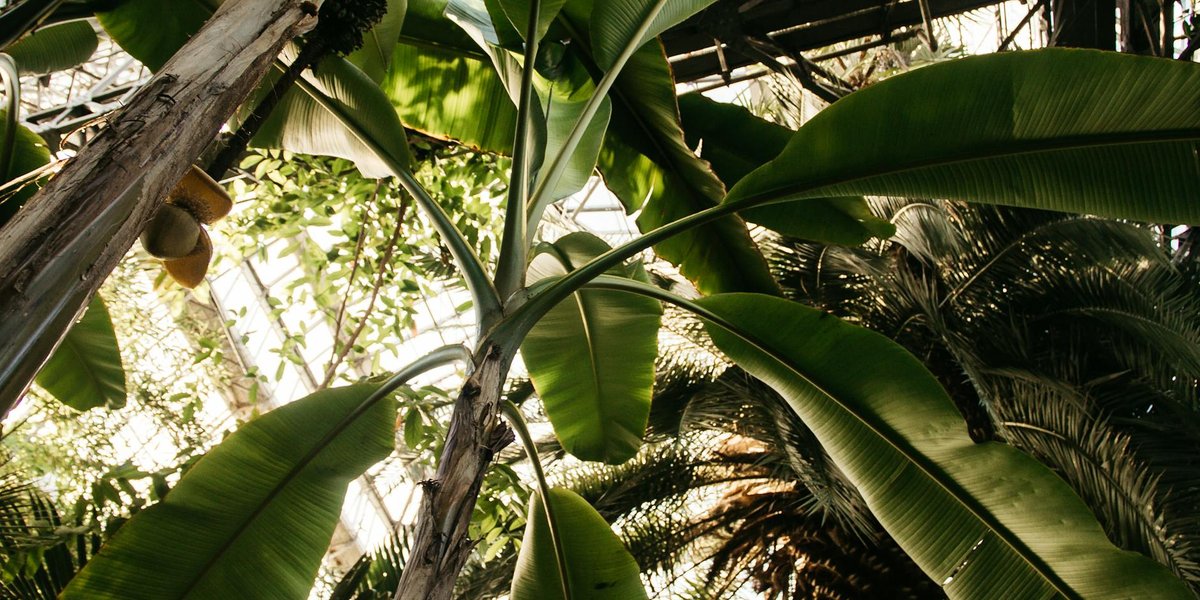
Banana and plantain (Musa spp.)
Bananas and plantains are grown in many island communities as dependable food crops. They need more water than coconut or pandanus, so they’re not always easy on dry atolls, but they’re still part of the agricultural mix where conditions permit.
Sweet potato (Ipomoea batatas)
Sweet potato is a useful backup crop because it can handle relatively poor soils better than some other staples. It’s not uniquely Kiribati, but it fits the logic of island gardening: get calories from something that won’t throw a fit about the soil.
Giant swamp taro (Cyrtosperma merkusii)
This is one of the more interesting Pacific crops because it’s adapted to wet, low-lying pits and controlled cultivation. Where it’s grown successfully, it can be a major food source. It’s a good reminder that even atolls can support specialized agriculture if people work with the land carefully.
Mangroves and wetland plants
Mangroves in Kiribati aren’t everywhere, but where they occur, they punch above their weight.
Mangrove species
Mangroves protect shorelines, trap sediment, and create habitat for fish and other marine life. They’re especially important in places facing erosion and rising sea levels. If you want a plant group that earns its environmental reputation, mangroves are it.
The IUCN has repeatedly highlighted mangrove ecosystems as critical for coastal resilience across the tropics, and that applies strongly in low-lying island nations like Kiribati.
Salt-tolerant wetland plants
Around brackish or low-lying areas, you’ll also find smaller salt-tolerant species adapted to unstable water conditions. These plants may not get much attention individually, but they’re part of the ecological scaffolding that supports the more visible trees and crops.
Plants by habitat in Kiribati
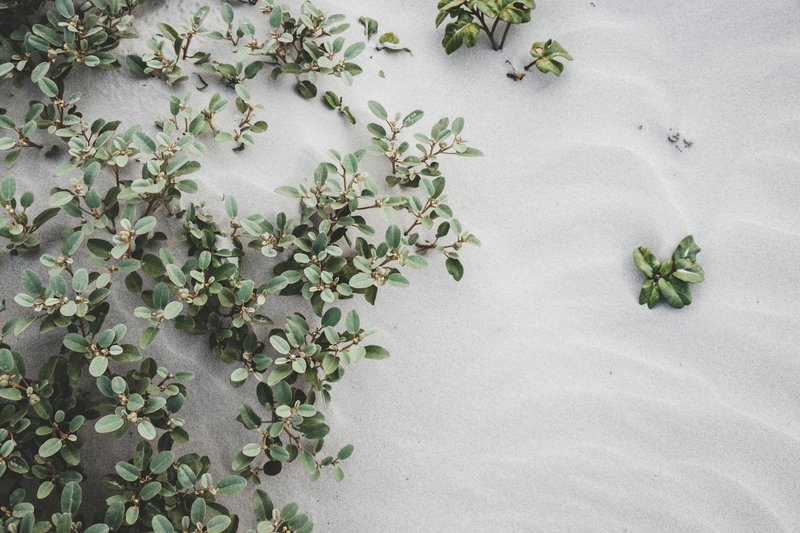
A simple way to understand Kiribati’s flora is by where the plants actually grow.
Coastal strand and beach edges
- Scaevola
- Beach heliotrope
- Tournefortia
- Pandanus
- Coconut palm
These species deal with salt spray, wind, and moving sand. They’re the tough outer ring of vegetation.
Settlement gardens and food plots
- Coconut palm
- Breadfruit
- Taro
- Banana
- Sweet potato
- Giant swamp taro
These are the plants people rely on most for food and daily use. Some are better suited to wetter or more managed areas.
Wetlands, lagoons, and mangrove margins
- Mangroves
- Salt-tolerant sedges and herbs
- Wetland taro in suitable places
These habitats are limited but ecologically important. They help with water movement, sediment, and habitat support.
Conservation pressures and invasive species
Kiribati’s plant life faces a pretty ugly combo of pressures: land scarcity, groundwater stress, coastal erosion, storm damage, and rising sea levels. Add in imported species and changing land use, and native plant communities can get squeezed fast.
Introduced plants can be useful, but some become invasive or crowd out coastal natives. On small islands, there isn’t much margin for error. A plant that spreads aggressively can change shade, soil structure, and shoreline dynamics in a hurry.
Conservation work in Kiribati often focuses on practical protection: restoring coastal vegetation, protecting mangroves, and maintaining food plants that support local communities. That’s not glamorous, but it’s exactly the kind of plant management island nations need. For a regional view of endangered species in Micronesia, see Endangered Species in Micronesia: The Complete List.
Quick reference table
| Plant | Scientific name | Why it matters in Kiribati |
|---|---|---|
| Coconut palm | Cocos nucifera | Food, drink, fiber, thatch, fuel |
| Pandanus | Pandanus tectorius | Weaving, roofing, food, coastal protection |
| Breadfruit | Artocarpus altilis | Major staple food tree |
| Taro | Colocasia esculenta | Important starch crop |
| Sweet potato | Ipomoea batatas | Hardy food crop |
| Giant swamp taro | Cyrtosperma merkusii | Specialized wetland staple |
| Scaevola | Scaevola taccada | Coastal erosion control |
| Beach heliotrope | Heliotropium foertherianum | Shoreline shrub/small tree |
| Tournefortia | Tournefortia argentea | Salt-tolerant coastal tree |
| Mangroves | various species | Coastal protection and habitat |
The plants of Kiribati are all about usefulness
The plants of Kiribati aren’t defined by sheer species count. They’re defined by what can survive at the edge of the ocean and what people can do with it once it’s there. Coconut, pandanus, breadfruit, taro, mangroves, and salt-tolerant coastal species form a practical plant world built for heat, wind, and scarcity.
That makes Kiribati’s flora easy to underestimate if you only look for diversity on paper. But if you look at function — food, fiber, shoreline protection, and daily life — it’s a very smart plant community indeed.