Lithuania’s mix of coast, wetlands, forests and meadows supports a broad and changing plant palette that reflects both northern climate and local soil types. Walking a dune, bog or roadside here often means spotting species that are common across the Baltic region as well as rarer local plants.
There are 40 Plants of Lithuania, ranging from Bilberry to Yarrow; for each entry you’ll find below Scientific name,Typical height (cm),Habitat / range.
Which of these species are native to Lithuania?
Most species on the list are native, but a few are naturalized or regionally uncommon; check the “Habitat / range” column to see where a plant typically occurs. For conservation status and origin notes, consult national floras or the Lithuanian Red Data Book—those sources clarify whether a species is widespread, limited to certain habitats, or under threat.
When is the best time to spot Bilberry or Yarrow in the wild?
Bilberry fruits and flowers are easiest to find from late spring through mid‑summer (flowers earlier, berries peaking July–August) in acidic forested areas, while Yarrow blooms from mid to late summer across meadows, road verges and disturbed soils; check the habitat column below for likely locations.
Plants of Lithuania
| Common name | Scientific name | Typical height (cm) | Habitat / range |
|---|---|---|---|
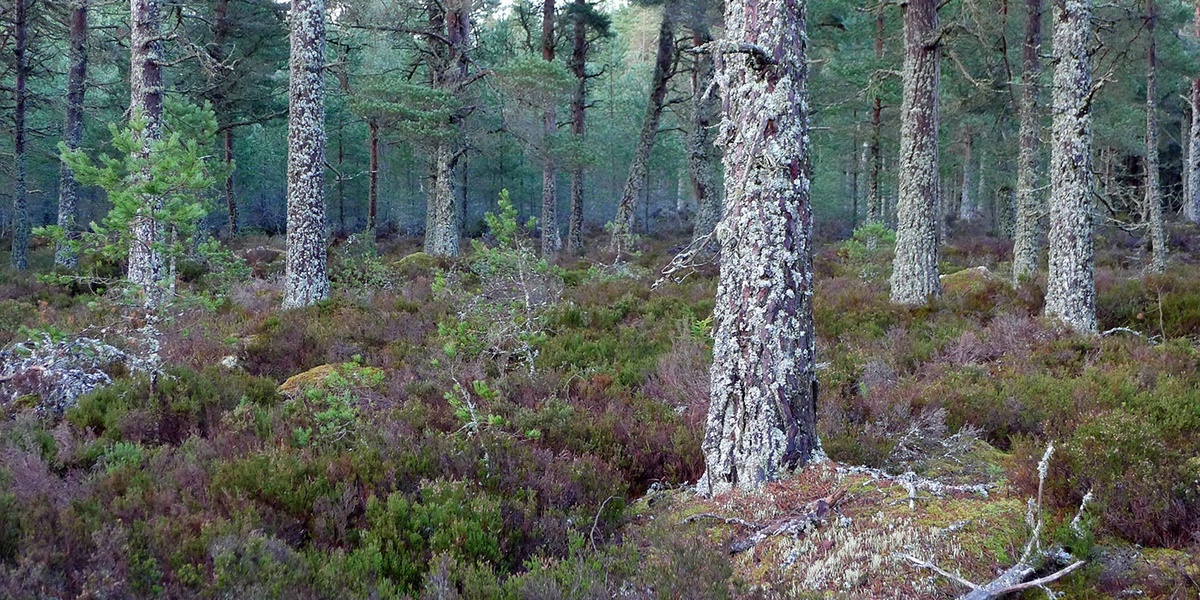
| Scots pine | Pinus sylvestris | 2,500 | Dry sandy soils, pine forests across Lithuania |
| Norway spruce | Picea abies | 3,000 | Wet and dry forests, northern and eastern regions |
| Silver birch | Betula pendula | 2,000 | Open woods, disturbed soils, nationwide |
| Downy birch | Betula pubescens | 1,500 | Wet heaths, mires, northern and eastern Lithuania |
| English oak | Quercus robur | 2,500 | Mixed forests, parklands, south and central Lithuania |
| Black alder | Alnus glutinosa | 2,000 | Riverbanks, wet woods, lowland wetlands |
| Small-leaved lime | Tilia cordata | 2,500 | Mixed broadleaf forests, riparian areas, scattered |
| European aspen | Populus tremula | 2,000 | Woodland edges, clearings, nationwide |
| Juniper | Juniperus communis | 200 | Heaths, dune scrub, open pine forests, coastal areas |
| European yew | Taxus baccata | 1,000 | Scattered old woodlands, calcareous sites; locally rare |
| Rowan | Sorbus aucuparia | 800 | Open woods, forest edges, uplands and hills |
| Sea buckthorn | Hippophae rhamnoides | 300 | Coastal dunes, sandy shores of Baltic coast |
| Common reed | Phragmites australis | 400 | Large wetlands, lakeshores, coastal lagoons |
| Bulrush | Typha latifolia | 200 | Ponds, marsh edges, slow rivers nationwide |
| Common horsetail | Equisetum arvense | 50 | Dry meadows, roadsides, disturbed soils nationwide |
| Marsh horsetail | Equisetum palustre | 100 | Wet meadows, bogs, marshes, northern regions |
| Bilberry | Vaccinium myrtillus | 30 | Acidic forests, pine woods, upland heaths |
| Heather (ling) | Calluna vulgaris | 50 | Heaths, dry bog margins, sandy soils, coastal heaths |
| Bog cranberry | Vaccinium oxycoccos | 20 | Raised bogs, wet peatlands, northern mires |
| Cloudberry | Rubus chamaemorus | 20 | Sphagnum bogs, northern mires, coastal mires |
| Cotton-grass | Eriophorum angustifolium | 50 | Acid bogs, wet meadows, northern peatlands |
| Sphagnum bog-moss | Sphagnum palustre | 5 | Wet bogs, raised mires, widespread peatland sites |
| Red bog-moss | Sphagnum capillifolium | 5 | Raised bog hummocks, northern peatlands |
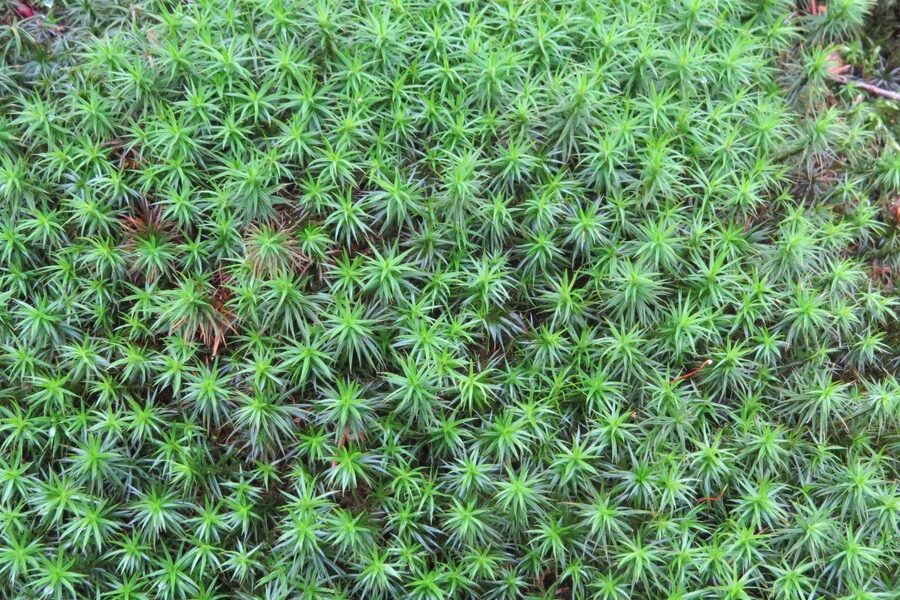
| Haircap moss | Polytrichum commune | 10 | Dry and moist soils: forests, heathlands, bog margins |
| Lady’s-slipper orchid | Cypripedium calceolus | 70 | Calcareous meadows, mixed woods; scattered, legally protected |
| Common spotted orchid | Dactylorhiza fuchsii | 40 | Meadows, damp grassland, forest clearings |
| Fragrant orchid | Gymnadenia conopsea | 40 | Dry meadows, calcareous grasslands, coastal dunes |
| Broad-leaved helleborine | Epipactis helleborine | 60 | Shady woods, forest margins, parks, widespread |
| Round-leaved sundew | Drosera rotundifolia | 5 | Acid bogs, wet Sphagnum hummocks, northern mires |
| Bog rosemary | Andromeda polifolia | 15 | Raised bog hummocks, Sphagnum-dominated mires |
| Bogbean | Menyanthes trifoliata | 15 | Shallow peat pools, bog pools, wet meadows |
| Lily-of-the-valley | Convallaria majalis | 20 | Shaded woods, mixed forests, widespread |
| Marsh marigold | Caltha palustris | 30 | Stream banks, wet meadows, spring-flooded areas |
| Common nettle | Urtica dioica | 150 | Fertile soils, hedgerows, disturbed ground, nationwide |
| Common dandelion | Taraxacum officinale | 30 | Lawns, meadows, roadsides, urban and rural |
| Common ivy | Hedera helix | 300 | Woodland understory, hedges, old trees, urban areas |
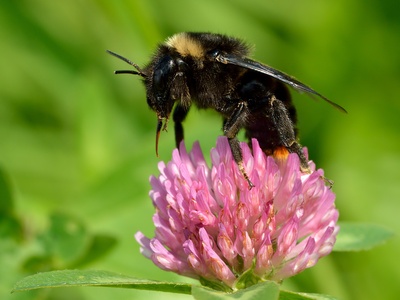
| Red clover | Trifolium pratense | 30 | Meadows, pastures, roadside verges, agricultural landscapes |
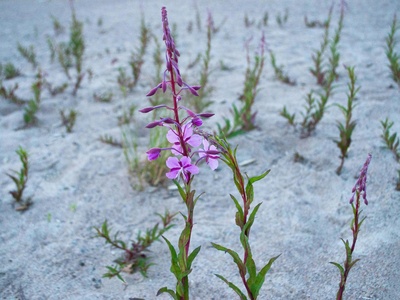
| Rosebay willowherb | Chamaenerion angustifolium | 150 | Open clearings, burned areas, roadsides, disturbed ground |
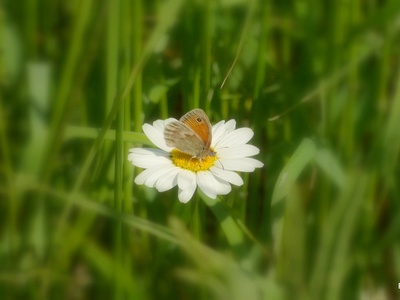
| Oxeye daisy | Leucanthemum vulgare | 40 | Meadows, roadside verges, light grassland, widespread |
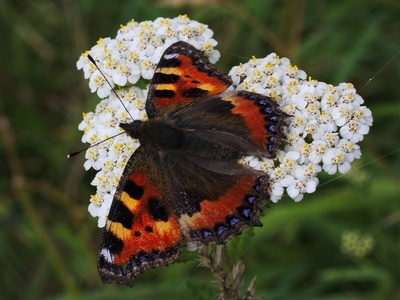
| Yarrow | Achillea millefolium | 60 | Meadows, dry grassland, roadside verges |
Images and Descriptions
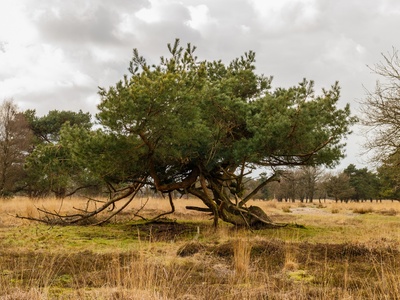
Scots pine
A common native conifer forming vast pine forests on sandy soils and dunes. Recognizable by orange-brown bark and slender crown, it reaches tall statures and supports boreal wildlife. Economically and ecologically important, often dominant in inland and coastal landscapes.
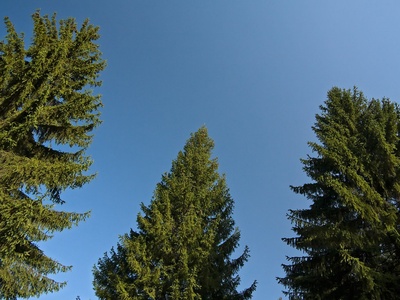
Norway spruce
Tall evergreen with conical crown and drooping branchlets, common in Lithuanian forests. Prefers moist, cool sites but adaptable; timber species with dense foliage that provides winter shelter for birds and mammals throughout the country.
Silver birch
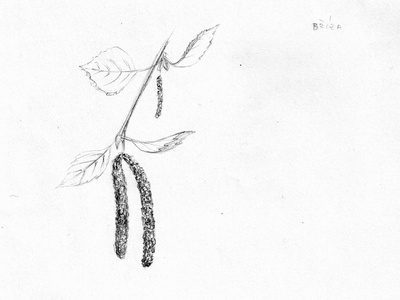
Graceful, fast-growing pioneer tree with white peeling bark and triangular leaves. Colonizes clearings and poor soils, common in young forests and urban edges. Important for early-successional habitats and insect life, easily spotted in spring by catkins.
Downy birch
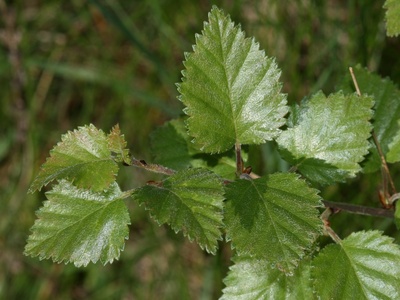
A bog- and wet-site birch with duller, grey bark and rounded crown. Common on peatlands and damp soils, it forms open woodlands and provides food and nesting sites for birds in mire ecosystems.
English oak
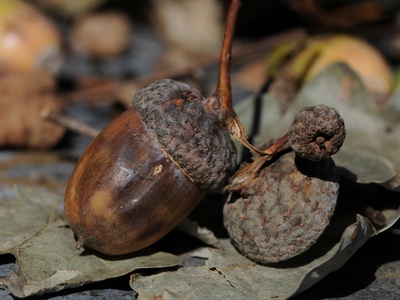
A long-lived broadleaf tree with deeply lobed leaves and robust stature. Supports high biodiversity, including numerous insects and lichens. Valued culturally and ecologically; older oaks are important for cavity-nesting wildlife and conservation.
Black alder
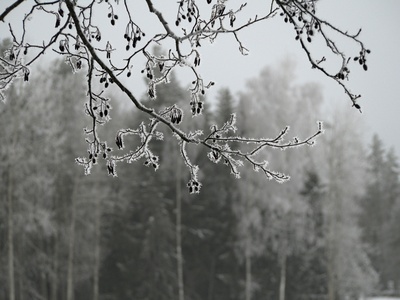
A water-loving tree with smooth grey bark and cone-like fruiting structures. Stabilizes riverbanks and improves soil via nitrogen-fixing root nodules. Common along waterways and in swampy forests, providing habitat for wetland species.
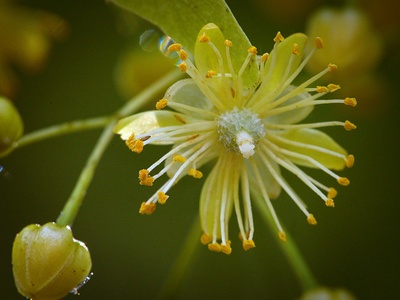
Small-leaved lime
A moderate-sized native lime (linden) with heart-shaped leaves and fragrant summer flowers. Favours fertile, moist soils and is often found in mature mixed forests and traditional parklands; important for pollinators.
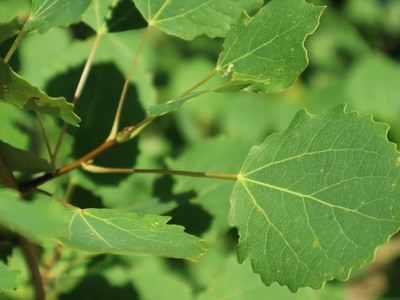
European aspen
A fast-growing deciduous tree with trembling leaves and smooth bark. Forms clonal stands via root suckers; common in light, disturbed sites and open forest. Leaves produce a distinctive rustling sound in wind.
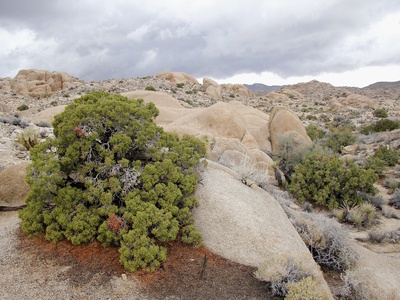
Juniper
An evergreen shrub or small tree with needle-like leaves and berry-like cones. Tolerant of poor soils and wind-exposed sites, commonly found in heathlands and dunes. Berries are notable for wildlife and traditional uses.
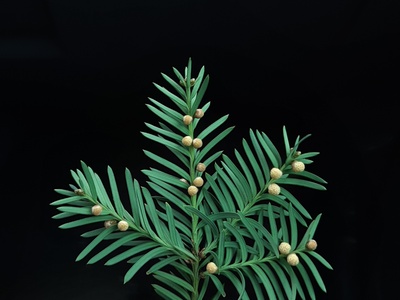
European yew
A slow-growing evergreen with dark foliage and red arils; often rare and legally protected. Found as scattered individuals in ancient woodlands and sheltered valleys. Highly toxic foliage but culturally and ecologically significant.
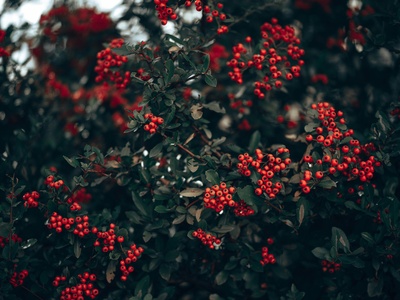
Rowan
A small deciduous tree with pinnate leaves and bright orange-red berries. Common in upland and woodland margins, providing autumn and winter food for birds. Tolerant of poor soils and exposed sites.
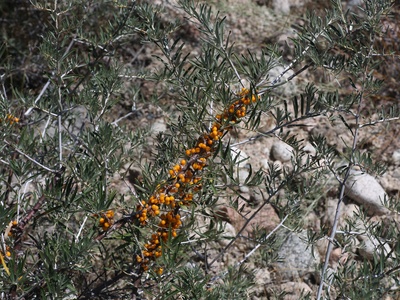
Sea buckthorn
A thorny, nitrogen-fixing shrub of coastal dunes with orange berries. Stabilizes sand and provides important coastal habitat and fruit for wildlife; valued for halophyte communities along Lithuania’s Baltic shore.
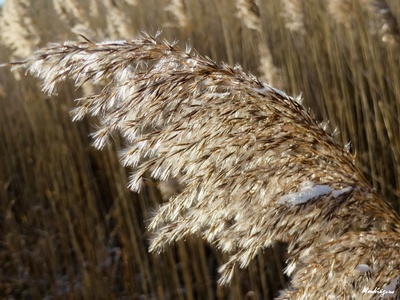
Common reed
A tall perennial reed forming dense stands in marshes and lake margins. Provides nesting habitat and erosion control but can become dominant. Look for feathery seedheads in late summer along Lithuania’s wetlands.
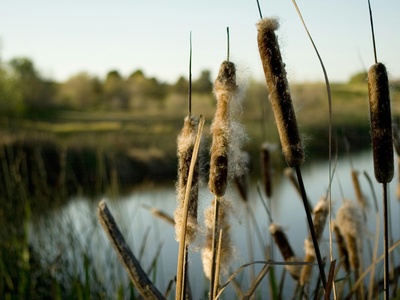
Bulrush
Robust wetland perennial with sword-like leaves and distinctive brown cylindrical flower spikes. Common along shallow margins of lakes and streams, important for wetland birds and amphibians and used traditionally for crafts.
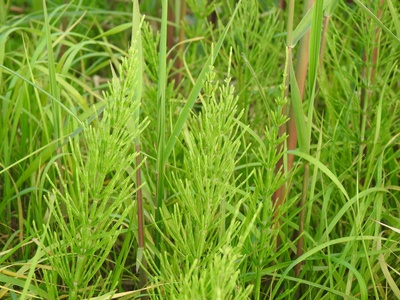
Common horsetail
A herbaceous primitive vascular plant with segmented, rough stems. Common in fields and waste places; spreads by rhizomes and spores. Recognizable by its vertical green stems and historical medicinal uses.
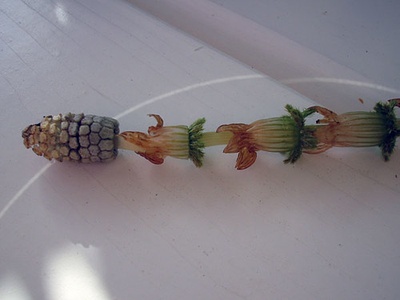
Marsh horsetail
A taller horsetail of wet habitats, commonly found in marshes and peatland edges. Prefers saturated soils and can form dense stands; characteristic simple, jointed stems and spore-bearing cones in spring.
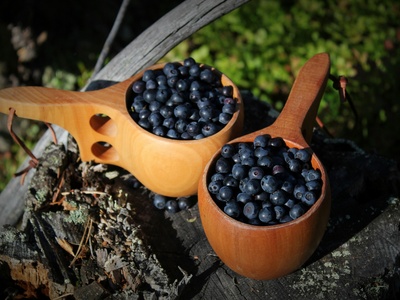
Bilberry
A low, woody shrub producing edible dark berries; widespread in acid forest soils and heathlands. Leaves turn bright colours in autumn. Important food for birds and mammals and a familiar berry for foragers.
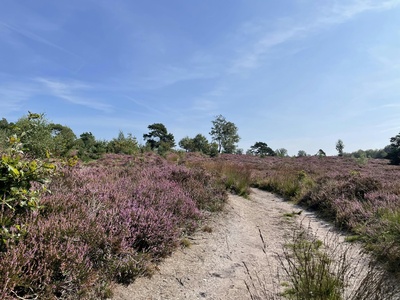
Heather (ling)
A low evergreen shrub forming extensive heaths with small bell-shaped flowers in late summer. Dominant in acidic, nutrient-poor habitats and valuable for specialized wildlife and colourful late-season blooms.
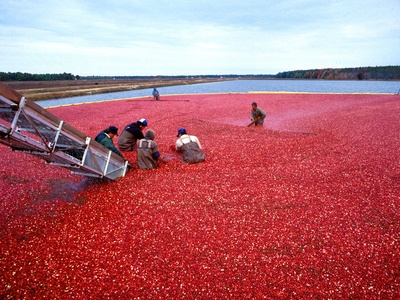
Bog cranberry
A prostrate bog shrub with tart red berries and glossy leaves. Grows in open Sphagnum-dominated mires and is an indicator of intact peatland ecosystems; berries are harvested locally.
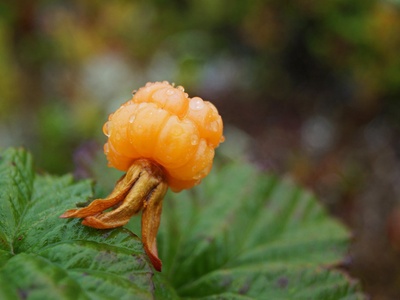
Cloudberry
A circumpolar bog plant producing amber-coloured edible fruit. Found in nutrient-poor Sphagnum bogs and tundra-like mires, often in small scattered patches; locally prized and ecologically important in peatland communities.
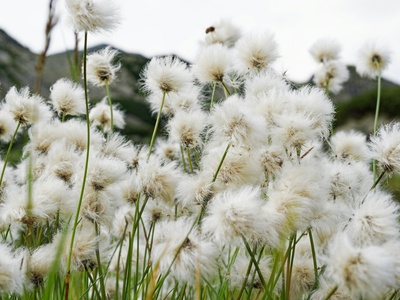
Cotton-grass
A tussock-forming sedge-like plant with distinctive cottony seedheads in summer. Common across mires and wet heaths, where the fluffy seed tufts stand out, aiding wind dispersal and characterizing peatland vegetation.

Sphagnum bog-moss
A dominant peat-forming moss in many Lithuanian bogs, retaining water and creating acidic, low-nutrient conditions. Forms spongy carpets and is essential for peat accumulation, carbon storage and specialist plant communities.
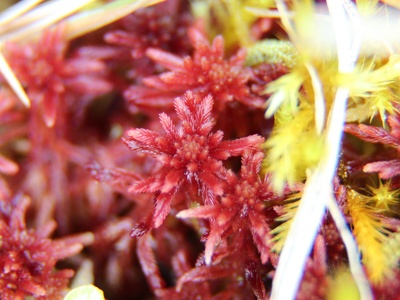
Red bog-moss
A common Sphagnum species that often forms reddish hummocks in ombrotrophic bogs. Important for peat accumulation and microtopography; helps create the wet, acidic conditions characteristic of healthy bogs.
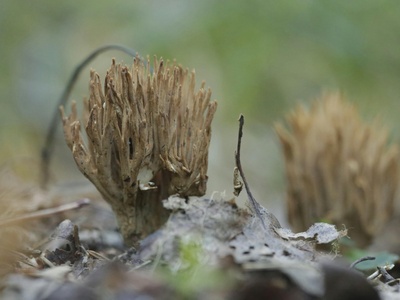
Haircap moss
A conspicuous upright moss with stiff, hair-like shoots forming dense turfs. Common in acidic soils and open woods; adds texture to the moss layer and stabilizes soils at habitat edges.
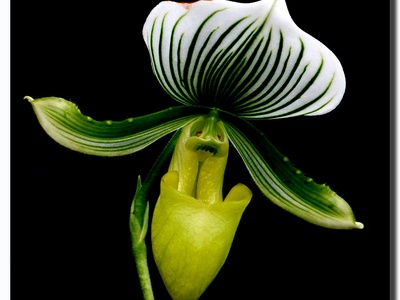
Lady’s-slipper orchid
A striking, rare orchid with slipper-shaped yellow pouch flowers. Protected and locally rare in Lithuania, best seen in undisturbed calcareous meadows and shady forest edges; of high conservation interest.
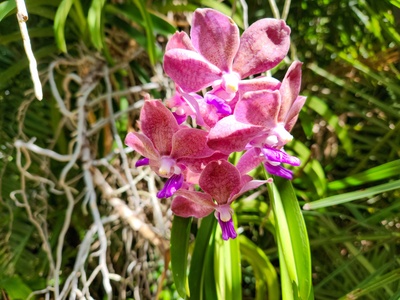
Common spotted orchid
A widespread orchid with speckled leaves and loose spikes of purple flowers. Tolerant of various soils, often seen in meadows and roadside verges. A familiar and attractive wildflower for spring–summer walks.
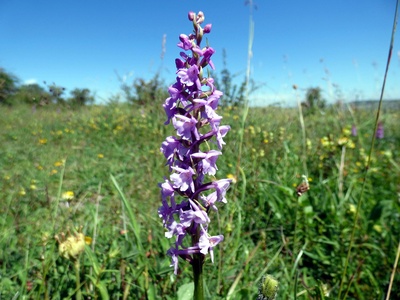
Fragrant orchid
A slender orchid with densely packed fragrant pink to purple flowers. Favors well-drained, calcareous grasslands and dune slopes; noted for a sweet scent and pollinator interactions in mid-summer.
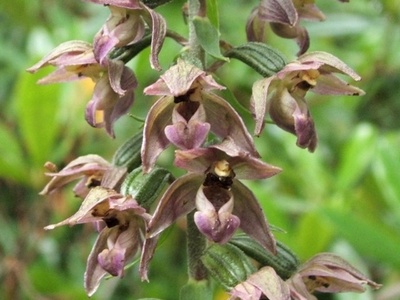
Broad-leaved helleborine
A tall woodland orchid with loose clusters of greenish-pink flowers. Quite adaptable, occurring in mature woodlands and urban parks. Pollinated often by wasps, it is one of the more commonly encountered epipactis orchids.
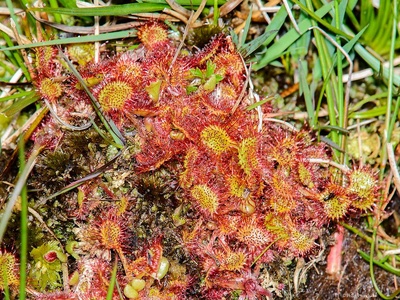
Round-leaved sundew
A small carnivorous plant with sticky, glandular leaves that trap insects on bog surfaces. Common in nutrient-poor peatlands, where its carnivory supplements low soil nutrients; a fascinating bog specialist.
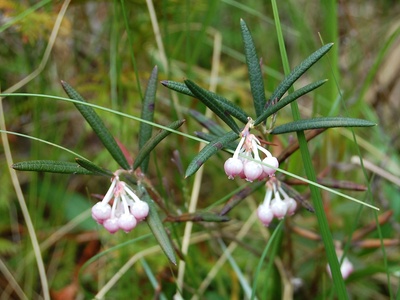
Bog rosemary
A low evergreen shrub with narrow leathery leaves and pale pink bell flowers. Found in acidic bogs, often on hummocks among Sphagnum mosses; indicative of well-preserved peatland habitats.
Bogbean
A creeping bog plant with trifoliate leaves and clusters of fragrant white to pink flowers. Grows in shallow water and wet peat hollows, contributing to the floral diversity of nutrient-poor wetlands.
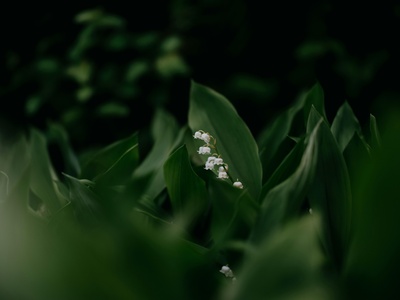
Lily-of-the-valley
A spring-flowering woodland perennial with arching stems of bell-shaped white flowers and glossy leaves. Common in deciduous forests and garden escapes, but also a native groundcover in intact woodlands across Lithuania.
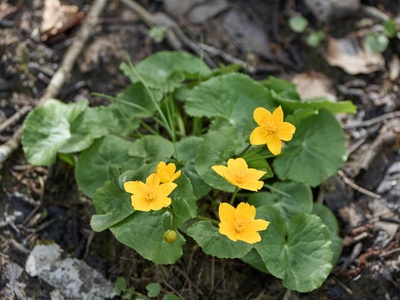
Marsh marigold
A bright yellow-flowered perennial of wet ground and stream margins. Flowers early in spring, often carpeting wet hollows and river edges. An easily recognized indicator of seasonally flooded habitats.
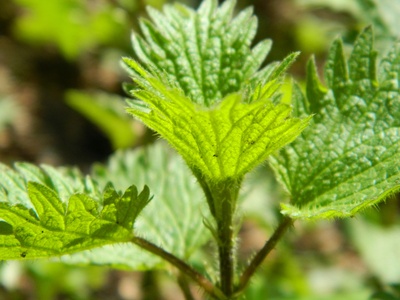
Common nettle
A tall, ubiquitous perennial herb with stinging hairs and serrated leaves. Thrives in nutrient-rich ground along paths, hedges and riverbanks. Important for insect life, notably butterflies, and used historically for fiber and food after processing.
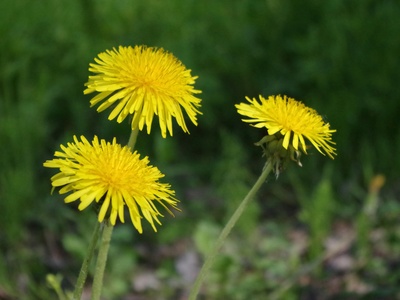
Common dandelion
A familiar rosette-forming perennial with yellow composite flowers and wind-dispersed seed heads. Extremely common in disturbed and open habitats, providing early-season nectar for pollinators and an easily recognized wildflower.
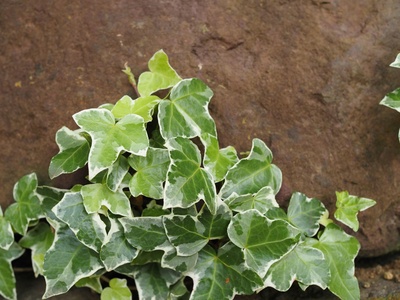
Common ivy
An evergreen climber that covers trunks, walls and ground. Provides late-season berries and evergreen shelter for birds and insects. Widespread in older woodlands and urban green spaces, often supporting nesting and foraging wildlife.
Red clover
A widespread legume with globular pink flower heads, valued for nitrogen fixation and as forage. Common in meadows and fields, attracts pollinators and is a familiar component of traditional hay meadows and pastureland.
Rosebay willowherb
A tall, showy colonizer with spires of pink flowers that quickly invades open, disturbed ground. Common after fires or clearings, attractive to bees and butterflies and often a dominant early successional species.
Oxeye daisy
A cheerful white-petaled daisy of meadows and field margins. Common in unimproved grasslands and roadside verges, supporting pollinators and often used as an indicator of traditional hay meadow habitats.
Yarrow
A versatile perennial with flat-topped clusters of small white flowers and feathery leaves. Frequent across many habitats, from dry grassland to disturbed ground. Long-used in traditional medicine and valuable for pollinators.