Across parts of Africa, some small mammals have evolved surprising chemical defenses that change how we think about rodents in the ecosystem. What looks like a plain-haired creature can, in rare cases, carry toxins that deter predators and complicate human encounters.
There are 1 Poisonous Rodents, ranging from African crested rat to African crested rat. For each entry I list Scientific name,Toxin type & mechanism,Range (regions/countries); you’ll find below.
Could the African crested rat poison a person or pet?
The African crested rat applies plant-derived cardiac glycosides to its flank hairs, making contact risky if those toxins enter a wound or are ingested; casual proximity is unlikely to cause harm but handling or allowing pets to chew the animal could. If exposure occurs, seek veterinary or medical advice and avoid skin contact with the contaminated area.
How can I tell if a rodent might be poisonous in the field?
Look for unusual behavior or warning traits (distinctive hair coatings, unusual odors, or association with known toxic plants), heed local reports, and avoid handling wild rodents; identification using a field guide or a local expert is the safest way to confirm whether a species carries toxins.
Poisonous Rodents
| Name | Scientific name | Toxin type & mechanism | Range (regions/countries) |
|---|---|---|---|
| African crested rat | Lophiomys imhausi | Cardiac glycosides (ouabain) from plant bark; damages heart, toxic if ingested or through wounds | East Africa (Kenya,Ethiopia,Tanzania) |
Images and Descriptions
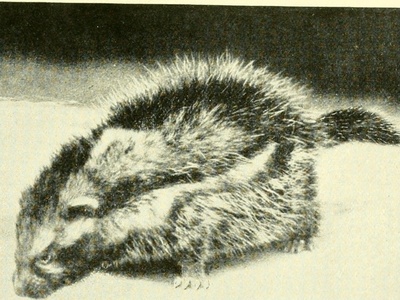
African crested rat
The African crested rat chews toxic Acokanthera bark and coats specialized flank hairs, creating a poisonous barrier. Predators licking or biting it can receive lethal cardiac glycosides; humans risk poisoning via ingestion or broken-skin contact. Unique example of defensive toxin use.