Across the United States, protected lands and waters preserve a wide array of ecosystems and cultural places for recreation, research, and conservation. This list highlights that variety — from Acadia to Zion — offering a quick way to compare different kinds of public lands and where they sit on the map.
There are 15 Protected Areas in the U.S. For each site you’ll find the Type, State(s), and Area (acres) — see below.
How up-to-date is the area and designation information on this list?
The figures here are a snapshot compiled from official sources, but boundaries and designations can change; for the most current acreage and management status check the managing agency’s site (NPS, USFS, BLM, state agencies) or the official park/unit page before citing or planning.
Can I use the table to plan visits, and what should I check first?
Yes — use the Type, State(s), and Area (acres) to narrow choices by size and jurisdiction, then verify access rules, seasonal closures, permit requirements, and trail conditions on the managing agency’s website or local ranger station before you go.
Protected Areas in the U.s.
| Name | Type | State(s) | Area (acres) |
|---|---|---|---|
| Yellowstone | National Park | WY,MT,ID | 2,219,791 |
| Grand Canyon | National Park | AZ | 1,217,262 |
| Yosemite | National Park | CA | 761,747 |
| Zion | National Park | UT | 146,597 |
| Rocky Mountain | National Park | CO | 265,461 |
| Everglades | National Park | FL | 1,508,976 |
| Great Smoky Mountains | National Park | TN,NC | 522,427 |
| Denali | National Park | AK | 4,740,911 |
| Death Valley | National Park | CA,NV | 3,366,064 |
| Glacier | National Park | MT | 1,013,322 |
| Olympic | National Park | WA | 922,650 |
| Joshua Tree | National Park | CA | 792,510 |
| Arches | National Park | UT | 76,518 |
| Acadia | National Park | ME | 49,075 |
| Mammoth Cave | National Park | KY | 52,830 |
Images and Descriptions
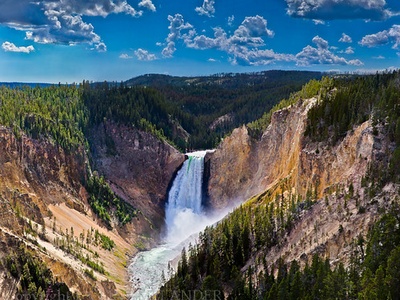
Yellowstone
Iconic geothermal and wildlife reserve in Wyoming, Montana, and Idaho protecting geysers, hot springs, and large mammals. Established for conservation and public enjoyment; notable for Old Faithful and Grand Canyon of the Yellowstone. Source: NPS.
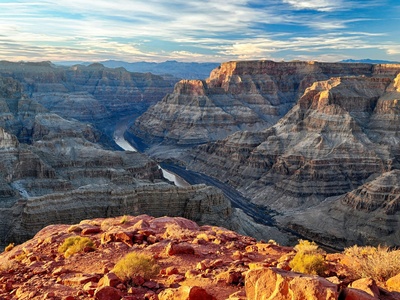
Grand Canyon
Massive carved canyon on the Colorado River in northern Arizona protecting spectacular geologic layers, vistas, and river corridor. Managed for conservation, recreation, and science; notable rim overlooks, hiking, and rafting. Source: NPS.
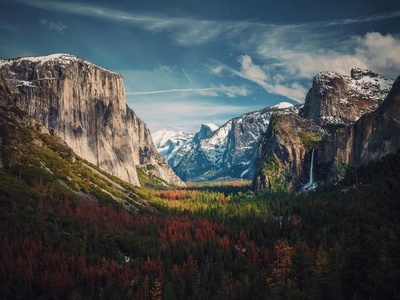
Yosemite
Sierra Nevada park in central California known for granite cliffs, waterfalls, giant sequoias, and valley vistas. Protected for conservation and public recreation; famous features include El Capitan, Half Dome, and Yosemite Falls. Source: NPS.
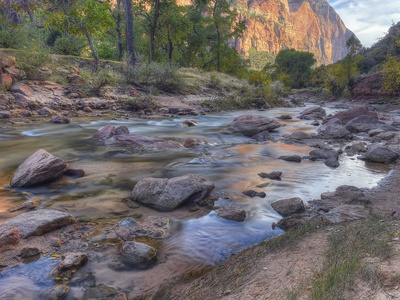
Zion
Southwestern Utah canyon park protecting dramatic Navajo sandstone cliffs, narrow slot canyons, and riparian habitats. Managed for recreation and habitat preservation; popular for hikes like Angels Landing and The Narrows. Source: NPS.
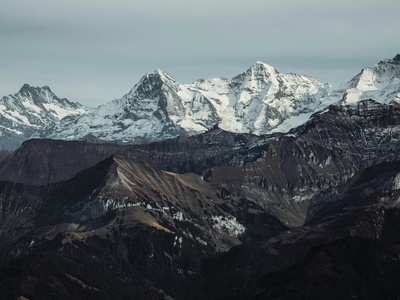
Rocky Mountain
High-elevation park in north-central Colorado protecting alpine tundra, forests, and headwaters of major rivers. Offers scenic drives, wildlife viewing for elk and bighorn sheep, and backcountry hiking. Conservation and recreation are core missions. Source: NPS.
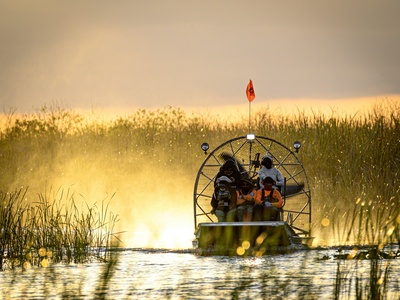
Everglades
Subtropical wilderness in southern Florida protecting a mosaic of sawgrass marshes, mangroves, and estuarine habitat critical for wading birds, manatees, and fisheries. Managed for ecosystem conservation and public enjoyment. Source: NPS.
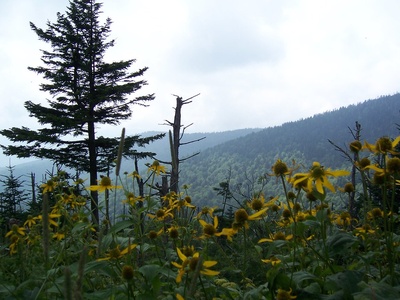
Great Smoky Mountains
Appalachian park spanning Tennessee and North Carolina protecting ancient forests, rich biodiversity, and cultural history. Renowned for wildflower displays, historic structures, and extensive hiking trails. Managed for preservation and public access. Source: NPS.
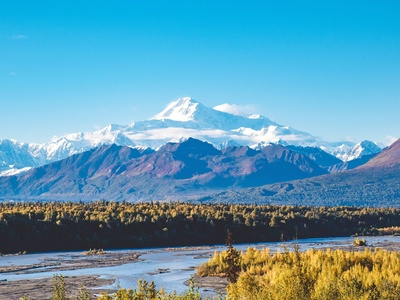
Denali
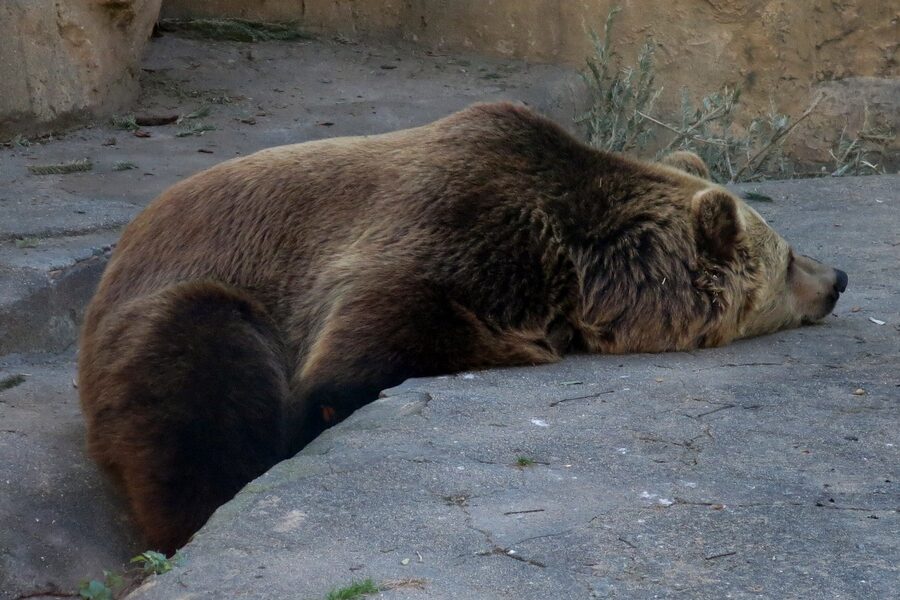
Vast Alaskan park centered on North America’s tallest peak, Denali, protecting subarctic ecosystems, taiga, and tundra habitats. Important for brown bear, caribou, and Dall sheep conservation and scientific research. Remote wilderness and scenic wildlife viewing. Source: NPS.
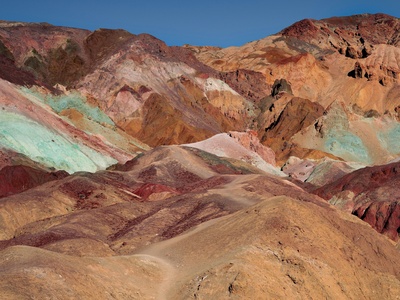
Death Valley
Desert and mountain park on the California–Nevada border protecting extreme landscapes including the lowest point in North America, salt flats, dunes, and rugged peaks. Managed for scientific study, cultural resources, and outdoor recreation. Source: NPS.
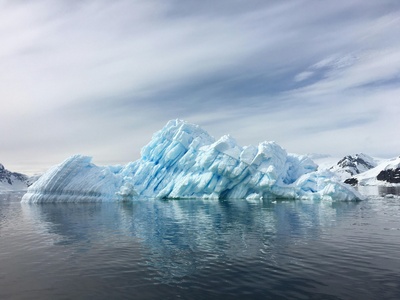
Glacier
Northern Montana park protecting rugged mountains, glaciers, alpine meadows, and freshwater ecosystems. Famous for Going-to-the-Sun Road and diverse wildlife; conservation focuses on glacier and watershed protection. Source: NPS.

Olympic
Pacific Northwest park in Washington protecting temperate rainforests, glaciated mountains, and wild coastline. Offers diverse ecosystems from sea to summit, cultural sites, and wilderness opportunities. Managed for preservation and public recreation. Source: NPS.
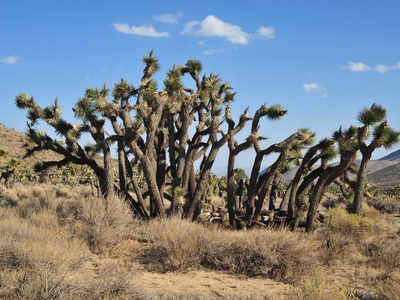
Joshua Tree
Southern California desert park protecting the iconic Joshua tree woodlands, unique Mojave and Colorado Desert ecosystems, and climbing formations. Managed for conservation, outdoor recreation, and cultural resource preservation. Source: NPS.
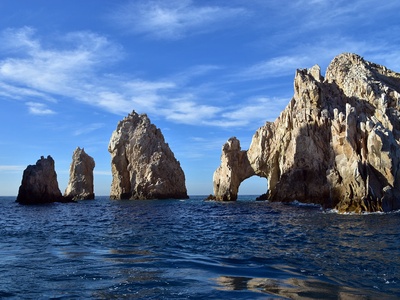
Arches
Red-rock park in eastern Utah protecting more than 2,000 natural sandstone arches, fins, and spires. Conservation prioritizes geological features and visitor access for hiking and photography. Iconic Delicate Arch view. Source: NPS.
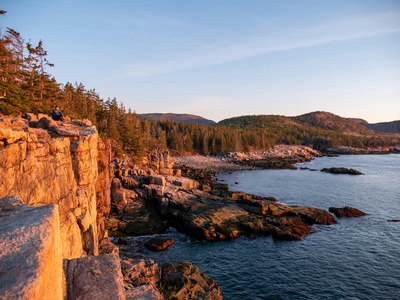
Acadia
Maine coastal park protecting rugged shoreline, islands, forests, and granite peaks including Cadillac Mountain. Important for marine and shoreline conservation as well as recreation like hiking and sea kayaking. Source: NPS.
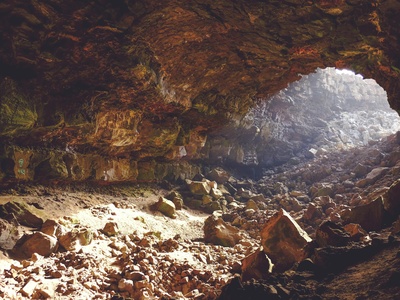
Mammoth Cave
Kentucky park preserving the world’s longest known cave system and surrounding karst landscape. Protects underground passages, surface ecosystems, and cultural history; offers extensive guided cave tours and scientific research. Source: NPS.