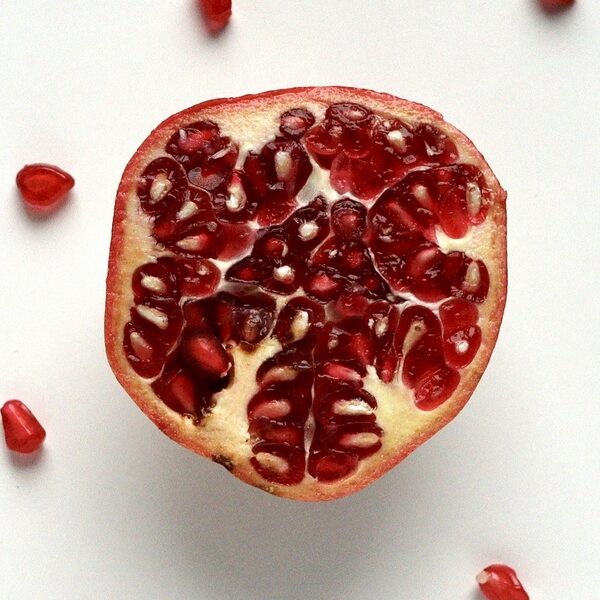
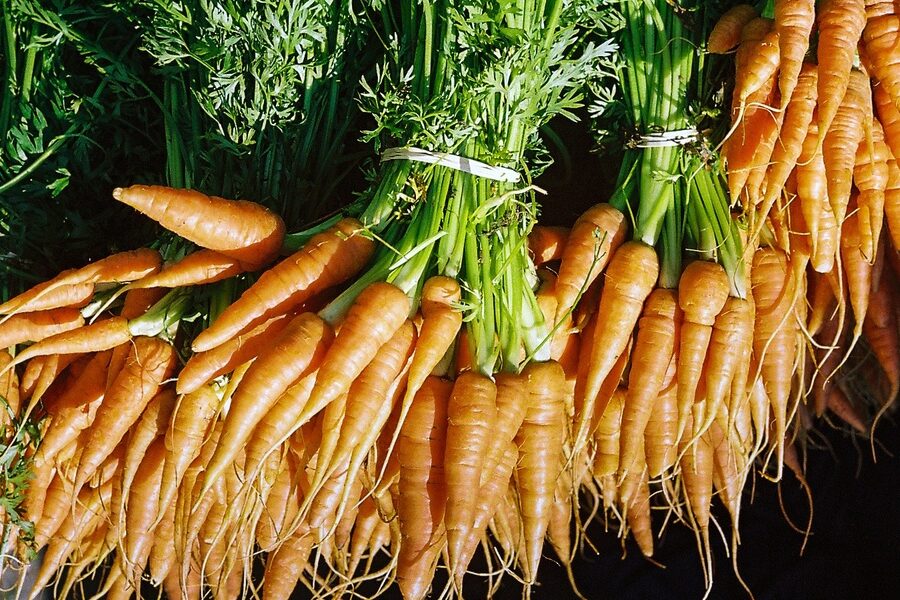
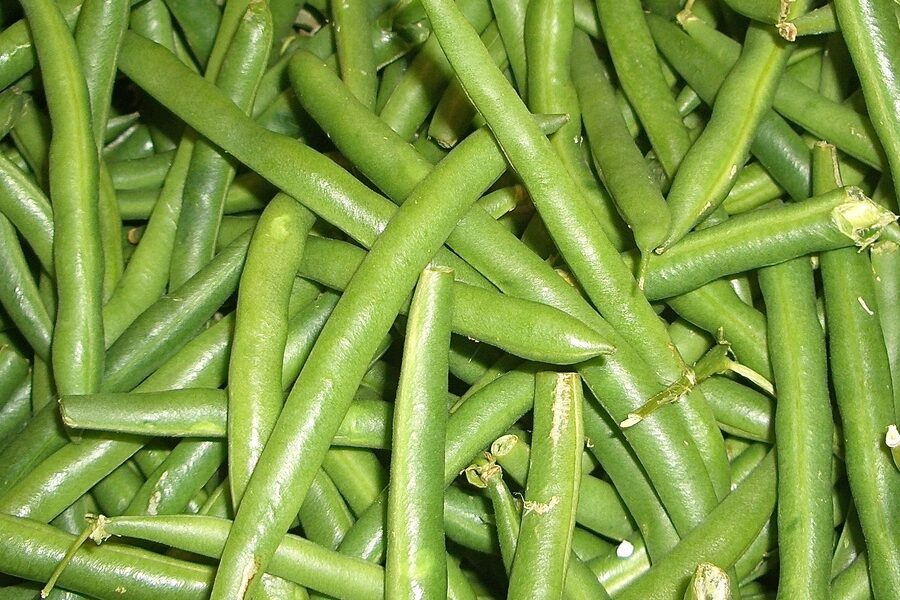
Across farmers’ markets and backyard gardens, colorful produce draws the eye and often hints at different flavors and nutrients. Noticing purple varieties can help you add both visual interest and new tastes to meals.
There are 24 purple vegetables, ranging from Beet (Beetroot) to Violet artichoke (Violet de Provence). For each entry you’ll find below Scientific name:,Purple part:,Season & nutrients: so you can quickly see what part is purple, when it’s at its best, and what it offers nutritionally—you’ll find below the full list and details.
Do purple vegetables offer different nutrients than other colors?
Yes — many purple vegetables contain anthocyanins, pigments that act as antioxidants and may support heart and brain health; otherwise their basic carbs, fiber, and vitamins are similar to other-color counterparts, so include a mix for varied benefits.
How should I cook or store purple vegetables to preserve color and nutrients?
Cook them gently (roast, steam, or quick sauté) to retain pigment and nutrients; avoid long boiling, which can leach color. For storage, refrigerate or blanch and freeze at peak ripeness; note that acids (like lemon or vinegar) often help keep red-purple tones, while alkaline conditions can dull them.
Purple Vegetables
| Name | Scientific name: | Purple part: | Season & nutrients: |
|---|---|---|---|
| Purple cabbage | Brassica oleracea var. capitata f. rubra | Leaves (outer, whole head) | Fall-winter; Vitamin C, K, fiber, anthocyanins |
| Red (Purple) kale | Brassica napus (Red Russian kale) | Leaves (veins and edges) | Fall-spring; Vitamins A, K, C, anthocyanins |
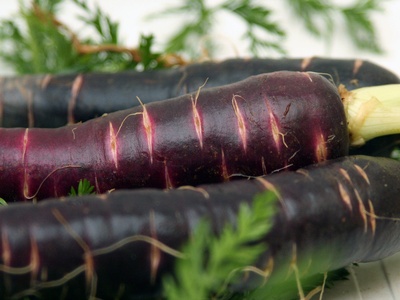
| Purple carrot | Daucus carota subsp. sativus | Skin and flesh | Fall; Beta-carotene, anthocyanins, fiber |
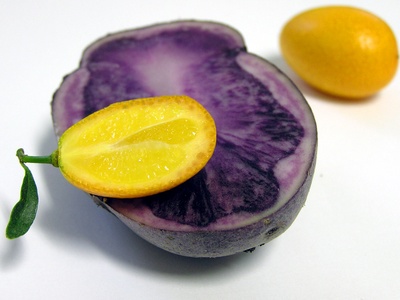
| Purple potato | Solanum tuberosum | Skin and/or flesh | Year-round; Fiber, potassium, anthocyanins |
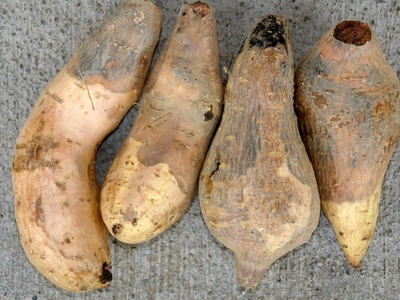
| Purple sweet potato (Okinawan) | Ipomoea batatas | Flesh | Year-round; Anthocyanins, fiber, vitamin C |
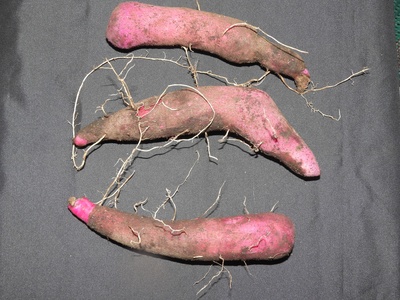
| Ube (purple yam) | Dioscorea alata | Flesh | Year-round (tropical); Carbohydrates, vitamin C, anthocyanins |
| Beet (Beetroot) | Beta vulgaris | Flesh and skin | Spring-fall; Folate, manganese, nitrates, fiber |
| Eggplant (Aubergine) | Solanum melongena | Skin (often glossy purple) | Summer-fall; Fiber, potassium, phenolic antioxidants |
| Purple asparagus | Asparagus officinalis | Spear tips/stalks | Spring; Vitamins A, C, K, fiber |
| Purple cauliflower | Brassica oleracea var. botrytis | Florets | Fall-spring; Vitamin C, fiber, anthocyanins |
| Purple sprouting broccoli | Brassica oleracea var. italica | Florets and stems | Late winter-spring; Vitamins C, K, fiber |
| Radicchio | Cichorium intybus var. foliosum | Leaves (heads/leaves) | Fall-winter; Vitamin K, fiber, antioxidants |
| Red/purple lettuce (e.g., Lollo Rosso) | Lactuca sativa | Leaves | Spring-fall, often year-round; Vitamins A, K, folate |
| Red (Purple) onion | Allium cepa | Skin and inner rings | Year-round; Vitamin C, fiber, flavonoids |
| Purple bell pepper | Capsicum annuum | Skin | Summer; Vitamin C, A, fiber |
| Purple okra | Abelmoschus esculentus | Pods | Summer; Fiber, vitamin C, folate |
| Purple snap beans | Phaseolus vulgaris | Pods (often turn green when cooked) | Summer; Fiber, plant protein, vitamins |
| Purple kohlrabi | Brassica oleracea var. gongylodes | Skin (bruised outer layers) and sometimes stems | Spring-fall; Vitamin C, fiber, potassium |
| Purple turnip (purple-top) | Brassica rapa | Skin (top) and sometimes flesh tinge | Fall-winter; Vitamin C, fiber, potassium |
| Purple radish | Raphanus sativus | Skin and sometimes inner flesh | Spring-fall; Vitamin C, fiber, antioxidants |
| Swiss chard (Ruby chard) | Beta vulgaris subsp. cicla | Stems and leaf veins | Spring-fall; Vitamins K, A, magnesium, iron |
| Purple mustard greens | Brassica juncea | Leaves | Spring-fall; Vitamins A, C, K, calcium |
| Purple pak choi (bok choy) | Brassica rapa subsp. chinensis | Stems and leaves | Spring-fall; Vitamins A, C, calcium |
| Violet artichoke (Violet de Provence) | Cynara cardunculus var. scolymus | Bracts (outer scales) and tips | Spring-summer; Fiber, vitamin C, magnesium |
Images and Descriptions
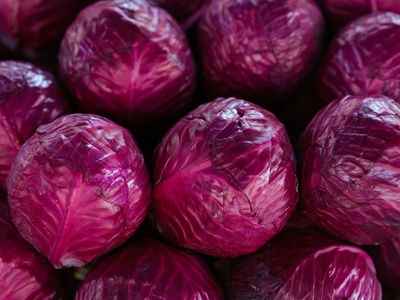
Purple cabbage
Also called red cabbage, it has deep purple outer leaves. Available fall through winter, it crisps raw in slaws or braises for color. Rich in vitamin C, K and anthocyanins linked to antioxidant benefits.

Red (Purple) kale
Red Russian kale has ruffled purple-tinged leaves with tender texture. Cool-season crop available fall to spring; great sautéed or massaged raw. Packed with vitamins A, K, C and beneficial anthocyanin pigments.
Purple carrot
An ancient variety with purple skin or flesh, carrots are sweetest after cool weather. Roast or juice to showcase color; they provide beta-carotene, fiber and anthocyanins for eye and antioxidant support.
Purple potato
Purple potatoes have striking purple skin and sometimes purple flesh throughout. Available year-round, they hold color when roasted or baked and offer fiber, potassium and anthocyanins compared with white varieties.
Purple sweet potato (Okinawan)
Okinawan sweet potatoes have vivid purple flesh prized in Pacific and Asian cuisines. Use steamed, mashed, or in desserts; they’re high in anthocyanins and fiber, with moderate vitamin C content.
Ube (purple yam)
Ube is a starchy purple yam common in Southeast Asian cooking. Cooked and mashed for desserts or pastries, it yields vivid color and provides carbohydrates, vitamin C and anthocyanin antioxidants.
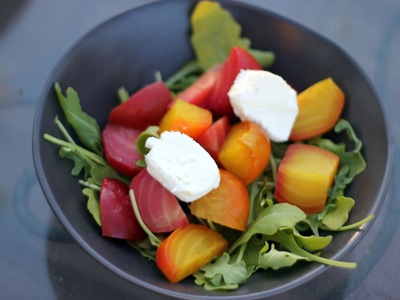
Beet (Beetroot)
Classic deep-purple roots eaten roasted, pickled, or raw in salads. Available spring through fall, beets supply folate, manganese and dietary nitrates that can support blood flow, plus satisfying fiber.
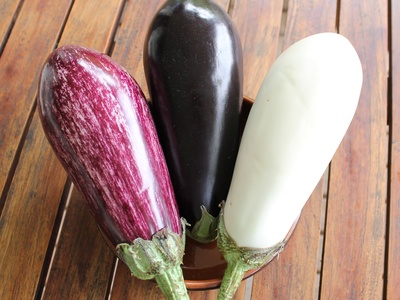
Eggplant (Aubergine)
Eggplant has glossy purple skin and pale flesh used widely in Mediterranean and Asian dishes. Peak in summer, it soaks up flavors when roasted or grilled and provides fiber, potassium and skin antioxidants like nasunin.
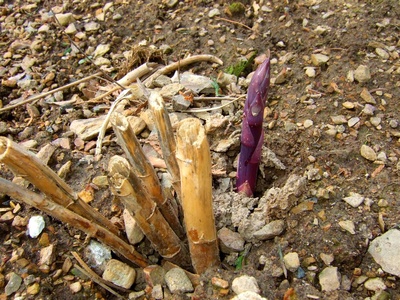
Purple asparagus
Purple asparagus is sweeter and more tender than green types early in spring. Blanch or grill briefly to preserve color; it’s a good source of vitamins A, C and K plus fiber.
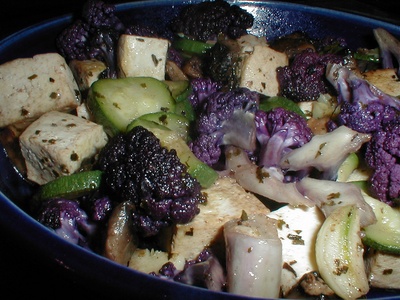
Purple cauliflower
Purple cauliflower has vivid florets colored by anthocyanins. Available in cooler seasons, it roasts, steams, or purees like white cauliflower but adds color and vitamin C with similar fiber.
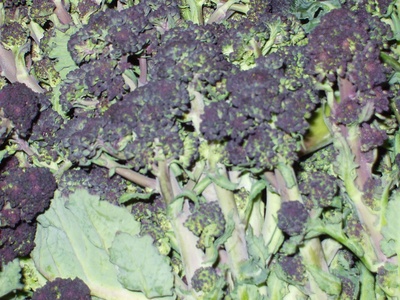
Purple sprouting broccoli
This cold-tolerant broccoli produces slender purple florets in late winter to spring. Sauté or steam briefly to keep color and get vitamin C, K and cruciferous-vegetable benefits like glucosinolates.
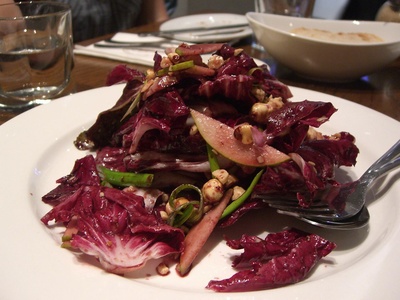
Radicchio
An Italian chicory with bitter, colorful purple-red leaves, radicchio is at its best in fall and winter. Grill or use raw in salads for contrast; it supplies vitamin K, fiber and bitter antioxidants.
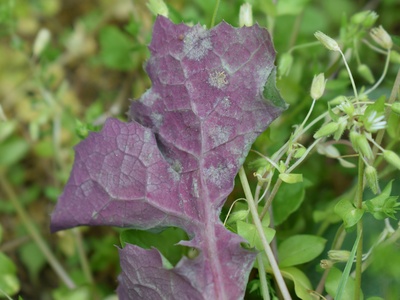
Red/purple lettuce (e.g., Lollo Rosso)
Red leaf lettuces have purple-tinged leaves used raw in salads or atop sandwiches. Widely available spring through fall, they contribute vitamin A, K and folate with mild flavor and crisp texture.
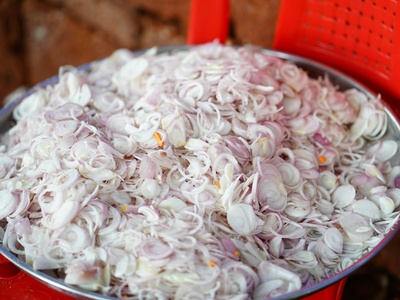
Red (Purple) onion
Red onions have purplish skins and tinged inner layers, adding color when eaten raw or grilled. Available year-round, they offer vitamin C, fiber and flavonoids like quercetin with a milder sharpness than white onions.
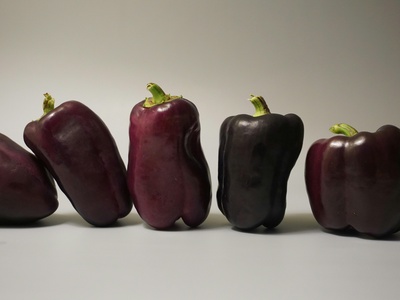
Purple bell pepper
Purple bell peppers are colorful variants of sweet pepper with deep-hued skins. Peak in summer, they’re crisp raw or roasted and deliver vitamin C, some vitamin A and dietary fiber.
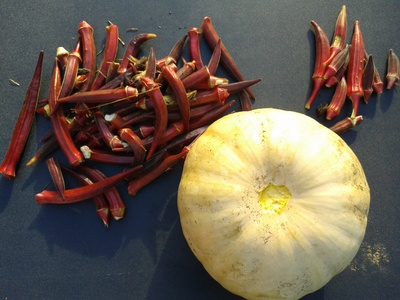
Purple okra
Purple okra has maroon to purple pods that may fade when cooked. Add to stews or quick-fry to retain color; it’s rich in fiber, vitamin C and folate and thickens soups naturally.
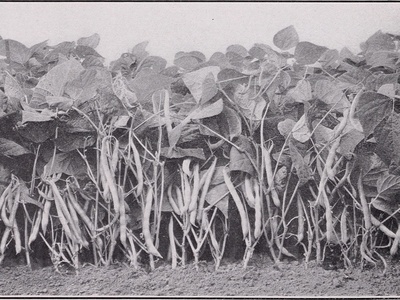
Purple snap beans
Purple-podded green beans add color raw or lightly cooked; many turn green with heat. Harvest summer pods for snacking or stir-fries; they offer fiber, plant protein and vitamins.
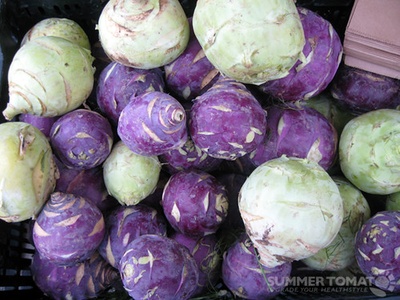
Purple kohlrabi
Purple kohlrabi has a bulbous purple-tinged stem with pale crunchy flesh. Available spring through fall, it’s tasty raw in slaws or roasted and provides vitamin C, fiber and potassium.
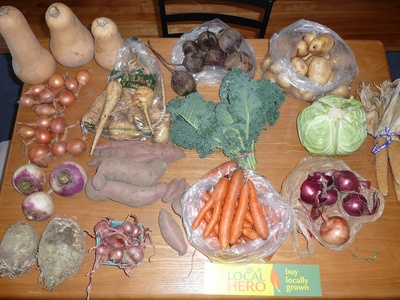
Purple turnip (purple-top)
Purple-top turnips have purple upper skins over white flesh. Harvest in cooler seasons; roast, mash, or braise for sweetness and enjoy vitamin C, fiber and potassium benefits.
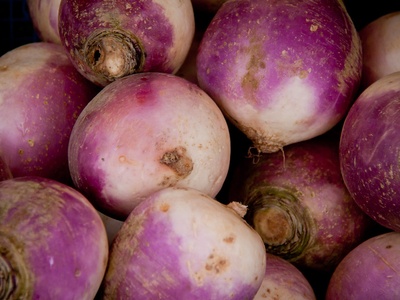
Purple radish
Purple radish varieties show purple skin or internal color, adding spice and crunch to salads. Available spring to fall, they bring vitamin C, fiber and antioxidant pigments with a peppery bite.
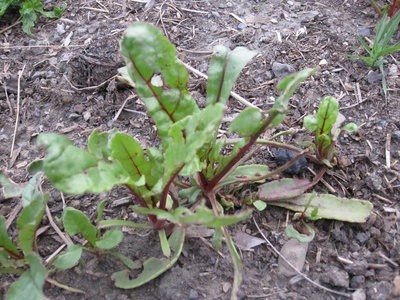
Swiss chard (Ruby chard)
Ruby chard has bright red-purple stems and veins against green leaves. Grow or buy spring through fall; sauté stems and leaves separately. It’s rich in vitamins K and A plus minerals.

Purple mustard greens
Purple mustard varieties display reddish-purple leaves with mustardy bite. Available in cool seasons, they’re excellent sautéed or in stir-fries and supply vitamins A, C and K plus calcium.
Purple pak choi (bok choy)
Certain pak choi cultivars show purple stems or leaves. Mild and fast-growing, they’re great in stir-fries or soups and offer vitamins A, C and calcium.
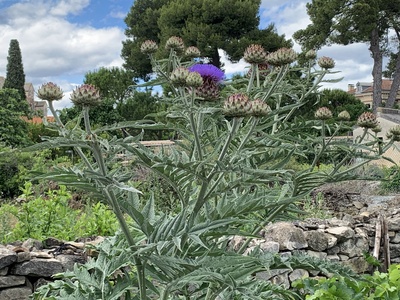
Violet artichoke (Violet de Provence)
Some artichoke varieties sport purple-tinged outer bracts. Enjoy steamed or grilled in spring and early summer; outer scales add visual interest and the hearts provide fiber, vitamin C and minerals.