Tropical rainforests cover roughly 6% of Earth’s surface yet support more than half of the planet’s terrestrial species. Early naturalists in the 18th and 19th centuries—collectors and illustrators who sailed to the Amazon, Borneo and central Africa—cataloged many of these wonders for the first time, often noting how narrowly adapted some species are to their forest homes. Today those same habitats face intense pressure: recent studies estimate the global tropical deforestation rate at roughly 10 million hectares lost per year in the 2010s, and poaching and fragmentation compound the threat. So what do we lose when forests shrink? These ten rainforest animals showcase the ecological roles, surprising adaptations, and urgent conservation needs that define tropical forests around the world.
Big Predators and Iconic Mammals
Large mammals shape food webs, disperse seeds over wide areas, and attract ecotourism dollars that can fund protection. Many are flagship species—meaning their protection helps whole ecosystems—but they also face human-wildlife conflict, poaching, and habitat fragmentation across continents.
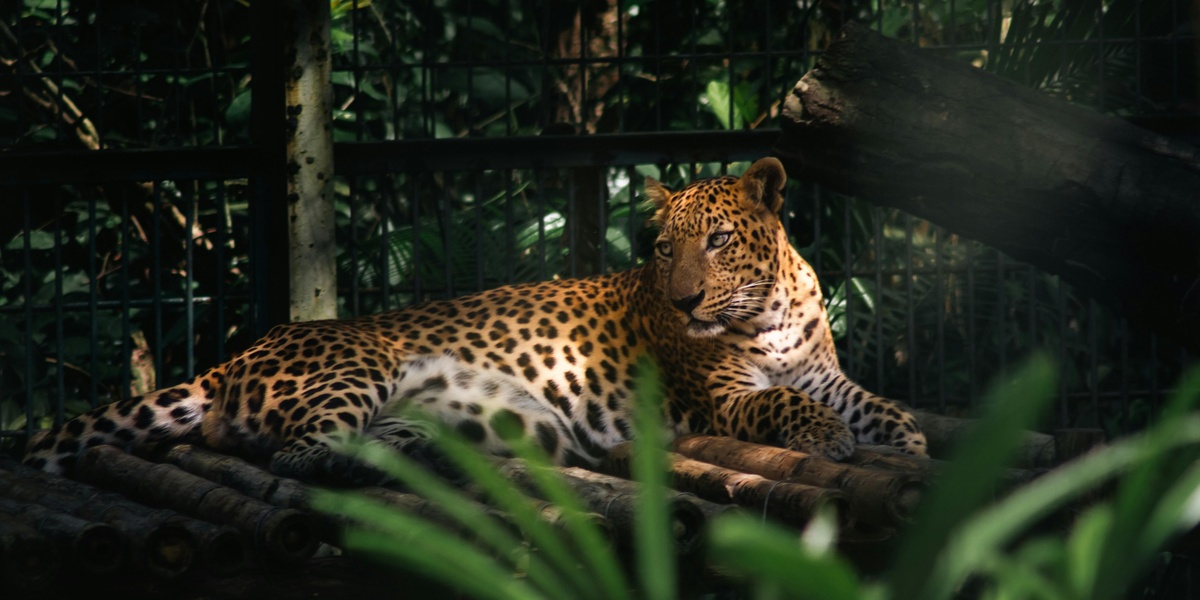
1. Jaguar (Panthera onca)
The jaguar is the largest cat of the Americas and a keystone predator that helps regulate herbivore and mesopredator populations. Adult jaguars commonly range from about 56 to 96 kg, and individual home ranges vary widely—often from roughly 25 to 350 km² depending on sex and habitat.
Regionally the IUCN lists jaguars as Near Threatened overall with declines in parts of their range; organizations like Panthera support landscape-scale efforts such as the Jaguar Corridor Initiative to reconnect populations across national borders.
In places like the Pantanal and parts of the Amazon, jaguar sightings fuel ecotourism (with seasonal sighting rates increasing during dry months), which provides local income and incentives to conserve habitat. Major threats remain deforestation, road fragmentation, and retaliatory killing when livestock are lost.
2. Orangutan (Pongo spp.)
Orangutans—great apes native to Borneo and Sumatra—are largely solitary and exceptionally intelligent. Adult males can reach roughly 90 kg, and wild lifespans commonly run 30–45 years.
Historically Bornean populations numbered in the tens of thousands (estimates often cited around 100,000 several decades ago), but habitat fragmentation and population declines have left groups isolated; the Sumatran species is far smaller and faces steeper declines. IUCN listings place Sumatran orangutans as Critically Endangered and Bornean orangutans as Endangered.
Orangutans are vital seed dispersers and help forest regeneration. Rehabilitation projects (for example, programs run by Orangutan Foundation International) work to rewild rescued individuals, while sustainable-forestry certification and limits on palm oil expansion are key to slowing habitat loss—especially after intense fire seasons such as those seen in 2015.
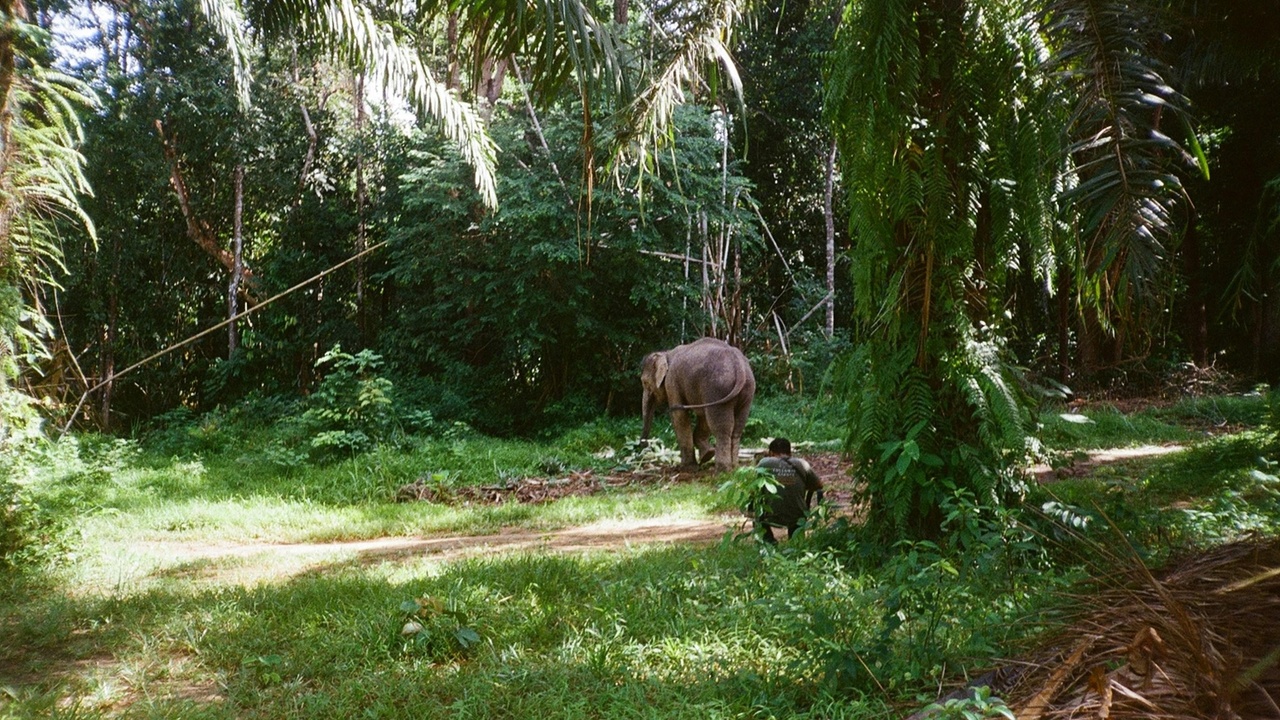
3. African Forest Elephant (Loxodonta cyclotis)
The African forest elephant is a smaller, forest-adapted cousin of the savanna elephant and an important engineer of dense tropical forests. Forest elephants are generally smaller than savanna types, often weighing under 2,000 kg, and they move seeds and create canopy openings that benefit many plant and animal species.
Population counts show severe declines: tens of thousands have been lost in recent decades to ivory poaching and conflict, and some assessments list sharp regional downturns. The species is covered by international protections such as CITES, and on-the-ground solutions often combine law enforcement with community ranger programs in Central African reserves.
Colorful Birds, Reptiles, and Amphibians
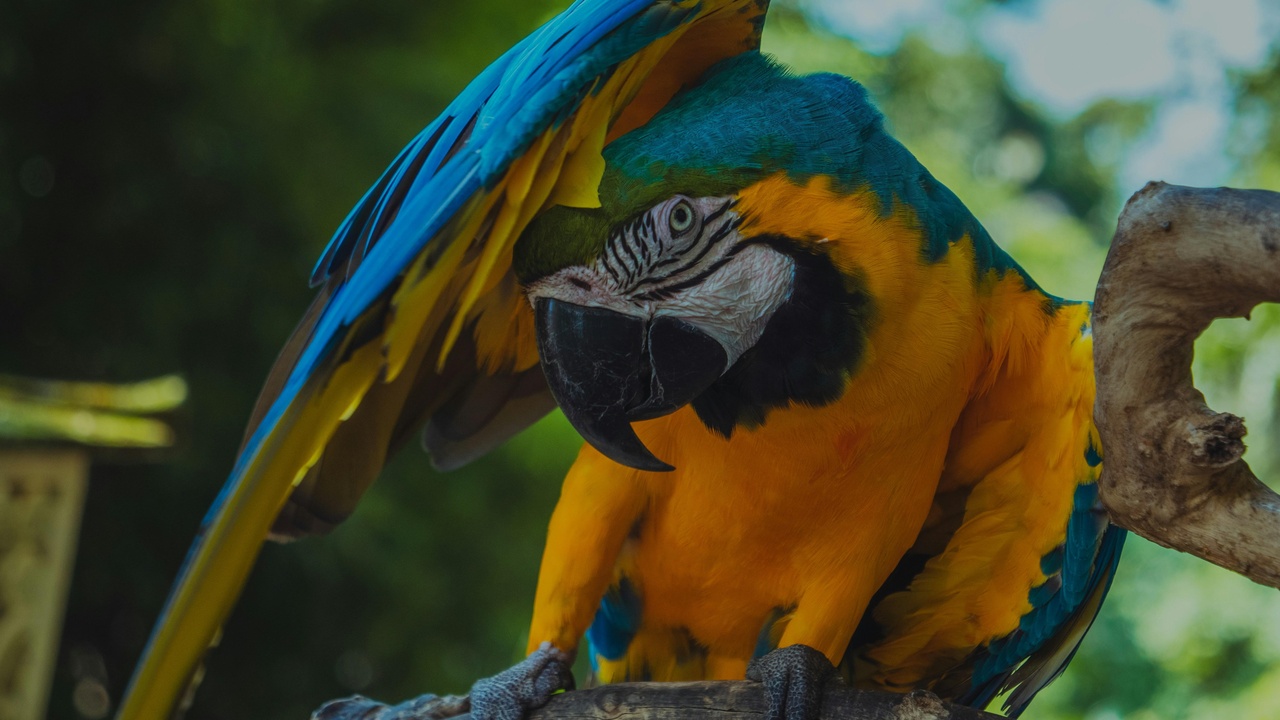
Bright color and potent toxins are common evolutionary strategies in tropical forests. Birds, reptiles, and amphibians contribute to pollination, insect control, and even medical research through unique compounds found in their skin or venom.
4. Harpy Eagle (Harpia harpyja)
The harpy eagle is among the largest raptors adapted to life in the canopy. Wingspans can reach about 2 m, and their talons are comparable in size to a small bear’s paw; territories commonly range between 50 and 120 km².
Harpy eagles exert top-down control on populations of monkeys and large birds, and they attract specialized birdwatchers—boosting niche ecotourism. Logging and disturbance near nests have driven declines in parts of their range, prompting nest-protection programs in countries such as Ecuador and Brazil.
5. Toucan (Family Ramphastidae)
Toucans are classic Neotropical fruit-eaters with oversized bills that can reach 20 cm or more—sometimes constituting about one-third of the bird’s total length. Typical body lengths fall in the 42–61 cm range for many species.
Bills aid in fruit handling, seed dispersal, and even thermoregulation (research has shown blood flow to the bill helps shed heat). Species like the keel-billed toucan are major attractions in Costa Rica, and toucan-mediated seed dispersal supports tree regeneration across forest gaps.
6. Poison Dart Frog (Family Dendrobatidae)
Poison dart frogs are tiny but chemically potent amphibians. Most species measure roughly 1.5–6 cm in length; some, such as Phyllobates terribilis, carry batrachotoxins so potent that minute doses can be lethal.
Their alkaloids have inspired pharmacological interest in ion channels and pain receptors, and ethnobotanical accounts show indigenous groups historically used frog toxins on darts. Captive-bred frogs typically lack wild-derived toxins, which indicates the compounds are diet-derived—linked to specific arthropod prey.
Habitat loss and the pet trade threaten several species; conservationists monitor populations and prioritize intact microhabitats that sustain both frogs and their prey base.
Reptiles and Invertebrate Engineers
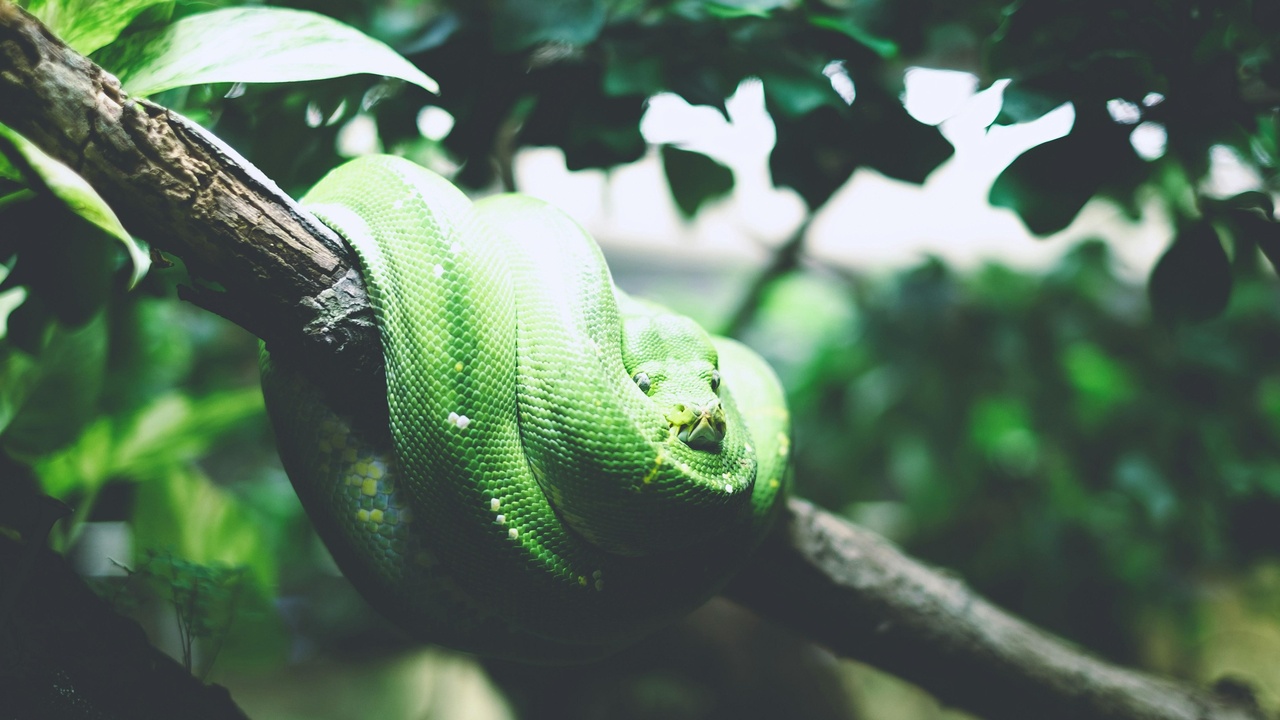
Certain reptiles and social insects punch far above their weight ecologically. Large snakes influence aquatic and riparian food webs, while colonies of ants can move tons of biomass and reshape soil chemistry across hectares.
7. Green Anaconda (Eunectes murinus)
The green anaconda ranks among the heaviest snakes on Earth and dominates Amazonian rivers and swamps as an aquatic ambush predator. Field records report individuals from 5 m to as long as 8–9 m, with the largest specimens weighing in excess of 200 kg.
Anacondas help control populations of medium-sized vertebrates and recycle nutrients when they consume large prey. They sometimes come into conflict with fisheries or nearby settlements, and they feature prominently in local folklore and ecotourism boat trips that highlight wetland biodiversity.
8. Leafcutter Ant (Atta and Acromyrmex spp.)
Leafcutter ants are major biomass movers in Neotropical forests. Colonies of Atta can number in the hundreds of thousands to millions of workers and may remove tons of leaf material each year from a local area.
These ants cultivate fungal gardens from the leaf material, driving soil turnover, nutrient cycling, and gap formation that influence plant succession. They’re sometimes agricultural pests, but they’re also invaluable model organisms for studies of social behavior and symbiosis.
Unusual and Lesser-Known Rainforest Residents
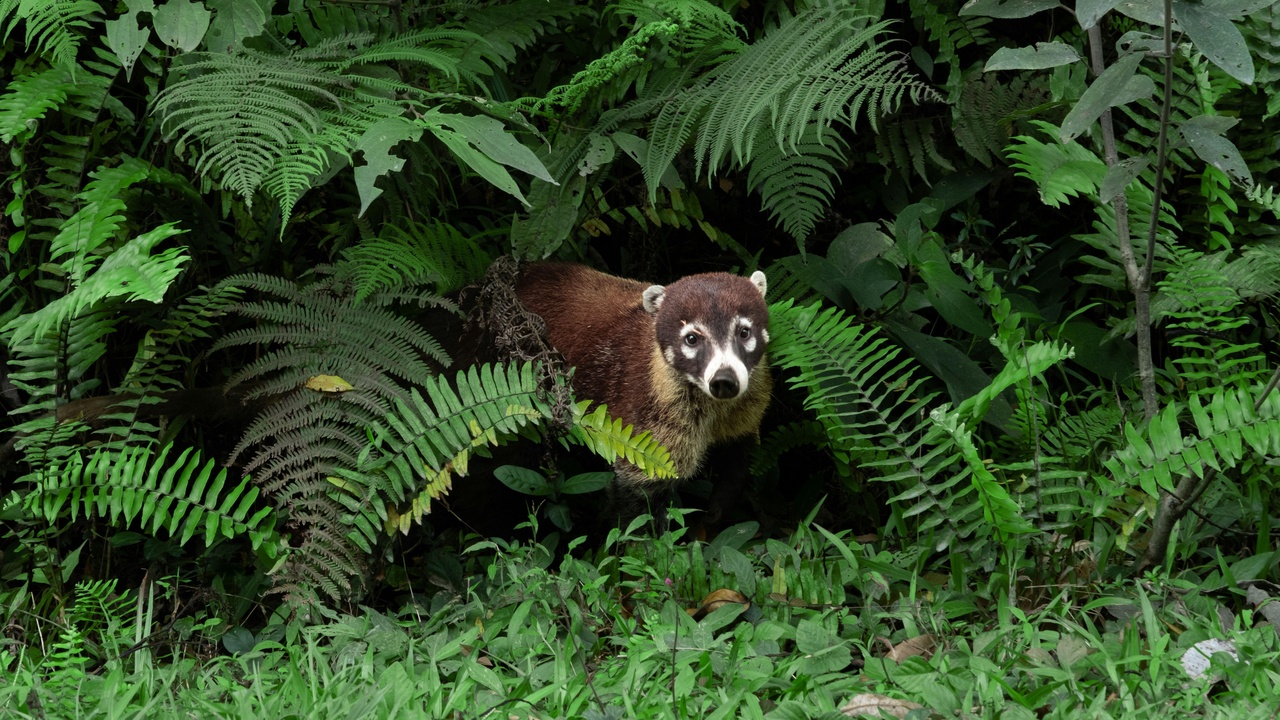
Beyond the megafauna and showy birds, rainforests host many species that receive little popular attention but perform vital functions. Studying these odd residents often yields surprising insights into ecology, evolution, and conservation priorities.
9. Goliath Birdeater (Theraphosa blondi)
The Goliath birdeater is the world’s largest tarantula by mass, with leg spans approaching 30 cm and weights over 150 g in large specimens. It lives in leaf litter and burrows, emerging at night to prey on insects, small rodents, and amphibians.
As a nocturnal predator it helps control invertebrate populations and serves as prey for larger animals. The species appears in local folklore and is sometimes collected for the exotic pet trade, so habitat protection and trade monitoring are important for its persistence.
10. Three-Toed Sloth (Bradypus spp.)
The three-toed sloth is a slow-moving, tree-dwelling mammal adapted to canopy life. Sloths exhibit extremely low metabolic rates and move at speeds often below 0.15–0.24 km/h while feeding largely on tough canopy leaves.
Sloth fur hosts algae and specialized moths that form a tiny micro-ecosystem; when sloths descend about once a week to defecate they transfer nutrients to the forest floor, aiding soil fertility. Rehabilitation centers in Costa Rica and behavioral studies have quantified movement and metabolic rates, highlighting how fragmentation and road mortality pose serious threats despite the animal’s popularity with wildlife tourists.
Summary
- Rainforest animals perform a range of essential roles—from top-down regulation by jaguars and harpy eagles to ecosystem engineering by forest elephants and leafcutter ants.
- Many species show striking adaptations (large jaguar home ranges of tens to hundreds of km², toucan bills of ~20 cm, poison frogs with milligram-scale toxins) that reflect specialized niches and vulnerability to rapid habitat change.
- Conservation successes rely on a mix of protected areas, transnational initiatives (for example, the Jaguar Corridor), community ranger programs, and responsible ecotourism that funds local stewardship.
- You can help: support reputable organizations such as WWF or Conservation International, choose sustainably sourced products, and visit wildlife areas in ways that prioritize conservation.
- These ten rainforest animals—and countless lesser-known species—remind us that biodiversity underpins healthy forests; protecting them protects climate resilience, local livelihoods, and scientific discovery.