Tropical rainforests host an extraordinary variety of hardwoods used in everything from cabinetry to musical instruments, and their properties shift with altitude, soil and climate. Walking a timber list from edge habitats to deep forest shows how grain, color and weight change across species.
There are 42 rainforest woods, ranging from African ebony to Zebrawood (Zebrano); for each entry you’ll find below organized data with Scientific name,Origin,Density (kg/m3) so you can compare appearance and structural properties — you’ll find below.
How do I pick the right rainforest wood for a furniture or instrument project?
Choose based on density and stability: higher density woods (noted in the Density (kg/m3) column) usually give greater hardness and sustain for instruments, while medium-density timbers balance workability and durability for furniture; consult the Scientific name and Origin to confirm characteristics and finish behavior.
Are the species listed commonly available and sustainably sourced?
Availability varies by species and region—some are widely traded, others are restricted; always check current trade regulations and look for certified suppliers or reclaimed sources, and use the Origin field to guide sourcing decisions.
Rainforest Woods
| Name | Scientific name | Origin | Density (kg/m3) |
|---|---|---|---|
| Bigleaf mahogany | Swietenia macrophylla | Central & South America | 650 |
| African mahogany | Khaya ivorensis | West & Central Africa | 560 |
| Sapele | Entandrophragma cylindricum | West & Central Africa | 640 |
| Sipo (Utile) | Entandrophragma utile | Central & West Africa | 600 |
| Bubinga | Guibourtia demeusei | Central Africa | 800 |
| Wenge | Millettia laurentii | Central Africa | 880 |
| Iroko | Milicia excelsa | West & Central Africa | 720 |
| African padauk | Pterocarpus soyauxii | Central Africa | 640 |
| Narra (Asian padauk) | Pterocarpus indicus | Southeast Asia & Pacific | 650 |
| Merbau (Intsia) | Intsia bijuga | Southeast Asia & Pacific | 800 |
| Okoume | Aucoumea klaineana | Gabon & Congo Basin | 420 |
| African ebony | Diospyros crassiflora | West Africa | 1,000 |
| Macassar ebony | Diospyros celebica | Sulawesi, Indonesia | 1,100 |
| Brazilian rosewood | Dalbergia nigra | Brazil (Atlantic Forest) | 900 |
| Cocobolo | Dalbergia retusa | Central America | 1,050 |
| Honduran rosewood | Dalbergia stevensonii | Belize & Guatemala | 940 |
| Purpleheart | Peltogyne spp. | Central & South America | 850 |
| Cumaru (Brazilian teak) | Dipteryx odorata | Amazon Basin | 1,000 |
| Jatoba (Brazilian cherry) | Hymenaea courbaril | Amazon & Central America | 860 |
| Ipe (Lapacho) | Handroanthus serratifolius | Amazon & Central America | 1,050 |
| Gonçalo Alves (Tigerwood) | Astronium lecointei | Amazon Basin | 800 |
| Mora | Mora excelsa | Guyana & Amazon | 950 |
| Balsa | Ochroma pyramidale | Central & South America | 160 |
| Spanish cedar | Cedrela odorata | Neotropical rainforests | 390 |
| Ramin | Gonystylus bancanus | Southeast Asian lowland rainforests | 560 |
| Zebrawood (Zebrano) | Microberlinia brazzavillensis | Central Africa | 770 |
| Angelim vermelho (Dinizia) | Dinizia excelsa | Amazon Basin | 1,000 |
| Ilomba | Pycnanthus angolensis | West & Central Africa | 450 |
| Opepe (Alstonia? no) Opepe | Nauclea diderrichii | West Africa | 800 |
| Doussie (African doussie) | Afzelia bipindensis | West & Central Africa | 770 |
| Andiroba | Carapa guianensis | Amazon Basin | 450 |
| Madagascar rosewood | Dalbergia maritima | Madagascar rainforests | 900 |
| Kapok | Ceiba pentandra | Neotropics, Africa, SE Asia rainforests | 180 |
| Imbuia (Brazilian walnut) | Ocotea porosa | Atlantic Forest (Brazil) | 900 |
| Guarea | Guarea spp. | Neotropical rainforests | 450 |
| Santos mahogany? (skip ambiguous) | |||
| Yellowheart (Euxylophora) | Euxylophora paraensis | Amazon Basin (Para) | 640 |
| Sipo (alternate listing avoided duplicate) | Entandrophragma utile | Central Africa | 600 |
| Red cedar (Cedrela fissilis) | Cedrela fissilis | South America rainforests | 490 |
| Kapur and other Dipterocarps avoided (ambiguous) | |||
| Keruing-style species (Dipterocarpus alatus) | Dipterocarpus alatus | Southeast Asian rainforests | 560 |
| Victoria amazonica? (non-woody) excluded |
Images and Descriptions
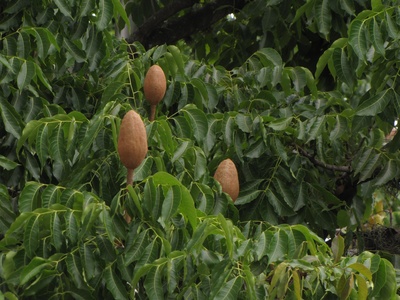
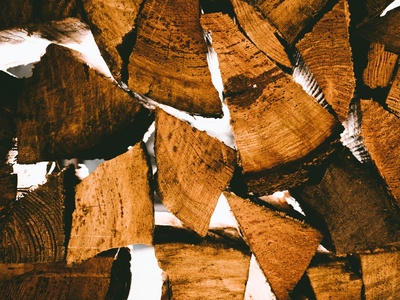
Bigleaf mahogany
A classic reddish-brown hardwood from Amazon and Central America. Medium density, straight-grained, used for furniture, veneers, and boatbuilding. Heavily logged historically; many populations reduced and internationally regulated due to high commercial demand and conservation concerns.
African mahogany
Warm brown, moderately heavy timber from African rainforests. Used for furniture, veneers, and light construction. Attractive grain and workability make it commercially valuable; overharvesting in some regions has prompted management and trade scrutiny.

Sapele
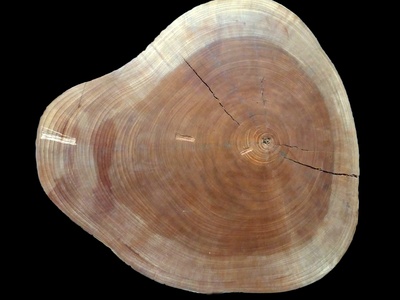
Reddish-brown with interlocked grain that polishes well. Common for cabinetry, veneers, and musical instruments. Sapele is a major commercial tropical hardwood; careful sourcing advised due to logging pressure in parts of its range.
Sipo (Utile)
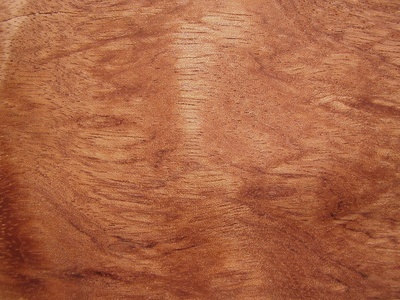
Brown to red-brown hardwood with consistent texture. Used for high-end joinery, veneers, and boat interiors. Popular African commercial timber; certified sourcing helps reduce illegal logging impacts.
Bubinga
Pinkish to reddish-brown wood with attractive figuring and strong stability. Used for furniture, veneers, and musical instruments. Highly prized and dense; sourcing is regulated in some areas due to heavy exploitation.
Wenge
Very dark brown to black-striped timber, heavy and hard. Used for flooring, cabinetry, and musical instruments. Striking appearance with high density; limited supply has led to trade controls and CITES listings in related species.
Iroko
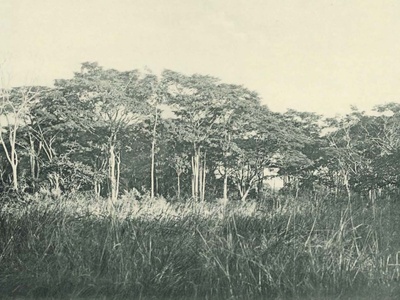
Yellow-brown durable timber often used as a teak substitute for decking, joinery, and outdoor uses. Naturally rot-resistant; widely used locally but concerns exist around unsustainable harvesting in some forests.
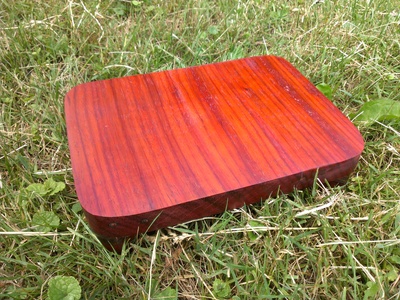
African padauk
Orange to deep red hardwood that darkens with age. Used for flooring, furniture, and turned objects. Vivid color and durability make it popular, with moderate conservation pressure in parts of its range.
Narra (Asian padauk)
Reddish hardwood from SE Asian rainforests, used for furniture and carving. Attractive grain and durability; many populations have declined and international trade is regulated in some contexts.
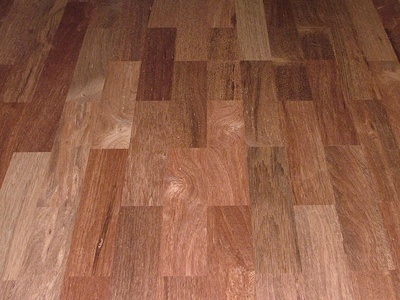
Merbau (Intsia)
Very dense, golden to dark brown timber used for decking, heavy construction, and flooring. Highly durable and termite-resistant; overharvesting has led to supply restrictions and certification emphasis.
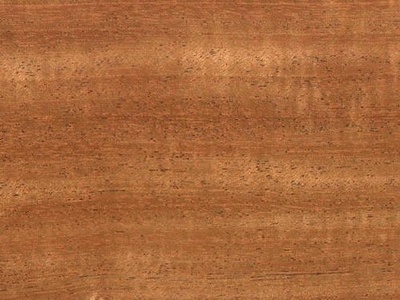
Okoume
Light-weight, pale pink to pale brown wood used extensively for plywood and boatbuilding. Low density makes it easy to work; major commercial export from Central Africa with attention to sustainable harvesting.
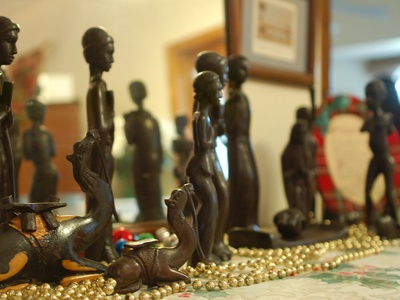
African ebony
Jet-black, extremely dense hardwood prized for fine inlays, musical instruments, and luxury objects. Highly endangered in many areas due to overexploitation; strict trade controls and CITES listings apply.
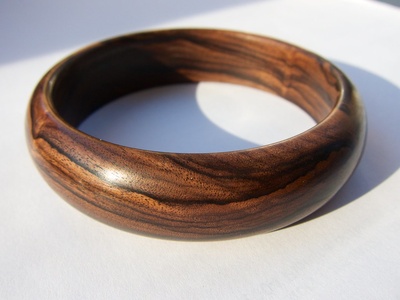
Macassar ebony
Highly figured black and brown striped hardwood used for veneers and luxury furniture. Very dense and rare; heavy exploitation has led to severe supply constraints and conservation concern.
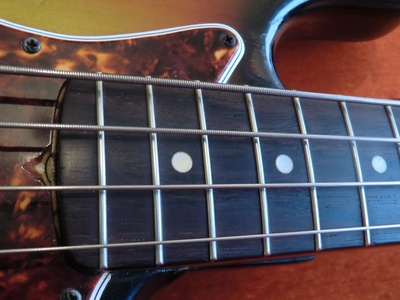
Brazilian rosewood
Deeply figured, fragrant reddish-brown wood historically prized for guitars and veneers. Species is critically endangered and internationally protected; trade is highly restricted and sourcing is tightly controlled.
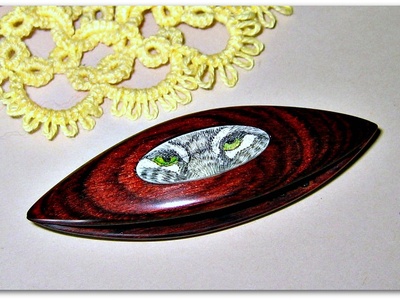
Cocobolo
Exotic, oily, highly figured tropical hardwood with red, orange and black streaks. Used for fine instruments and turned objects. Many Dalbergia species face overharvesting and strict trade regulation.
Honduran rosewood
Dense, richly hued wood used for high-end furniture and instruments. Valued for stability and beauty; small natural range and intense demand have resulted in conservation and trade measures.
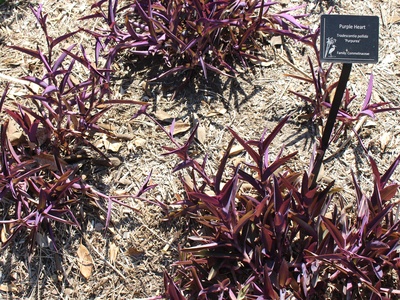
Purpleheart
Distinctive purple heartwood that darkens with finish, dense and strong. Commonly used for flooring, furniture, and decorative inlays. Popular but slow-growing; some species face pressure from logging in parts of the Amazon.
Cumaru (Brazilian teak)
Extremely hard, dense brown timber used for decking, heavy construction, and flooring. Very durable and resistant to decay; popular decking choice with high demand from tropical forest regions.
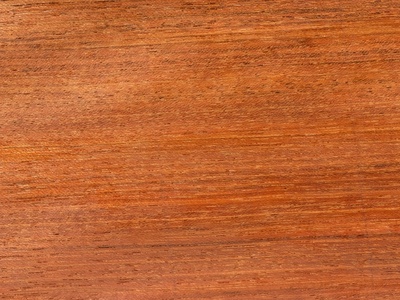
Jatoba (Brazilian cherry)
Hard, reddish-brown timber with interlocked grain, often used for flooring and heavy construction. Durable and attractive; widespread commercial use in Neotropics has ecological and legal sourcing implications.
Ipe (Lapacho)
Very dense, dark brown hardwood used extensively in decking and heavy outdoor structures. Extremely durable and rot-resistant; heavy harvesting and long growth cycles raise sustainability concerns.
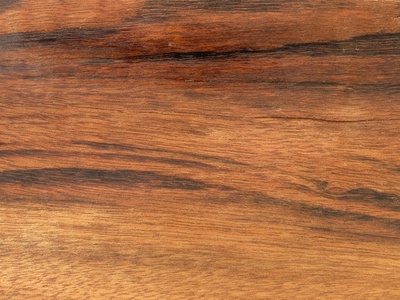
Gonçalo Alves (Tigerwood)
Highly figured orange-brown timber with bold striping. Used for flooring, veneers, and furniture. Beautiful appearance makes it commercially valuable; careful sourcing recommended to avoid illegal logging impacts.
Mora
Very heavy, durable tropical hardwood ranging from brown to reddish-brown. Commonly used for heavy structural work and bridge timbers. Long-lived trees and high density make it a prized commercial species in South American forests.
Balsa
Extremely light, pale wood abundant in lowland rainforests. Used for model-making, insulation, and lightweight cores. Rapid growth and short rotation make it less conservation-sensitive, though habitat protection remains important.
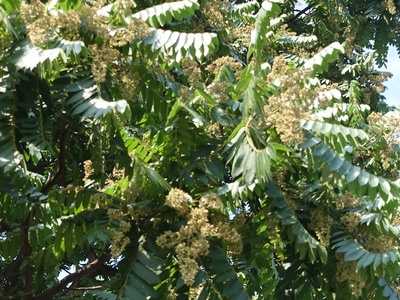
Spanish cedar
Aromatic, pale to reddish timber used for cigar boxes, furniture, and veneers. Attractive working properties and scent; many Cedrela populations declined through selective logging and are regulated under trade measures.
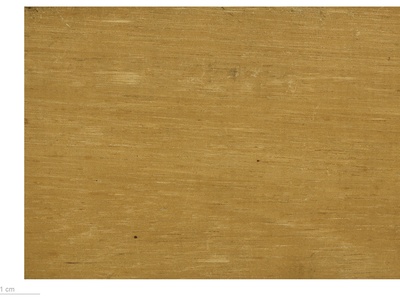
Ramin
Light-colored, moderately heavy wood used in mouldings, furniture, and veneers. Historically overexploited in peat swamp and lowland forests; now subject to strict trade controls and conservation actions.
Zebrawood (Zebrano)
Creamy to pale brown timber with dark contrasting stripes. Used for furniture, veneers, and decorative veneers. Visually striking and dense; logging pressure has made certified sourcing advisable.
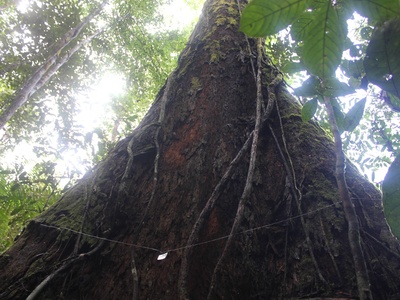
Angelim vermelho (Dinizia)
Massive, extremely dense hardwood with pinkish to reddish hues. Used for heavy construction and flooring. Long-lived canopy tree with slow growth; high commercial value prompts concern over sustainable harvest.
Ilomba
Pale, soft to medium hardwood used for furniture, veneers, and plywood. Lightweight and workable; often harvested locally, with variable management practices and some regional conservation attention.
Opepe (Alstonia? no) Opepe
Hard, durable timber with yellow to brown tones used in heavy construction, marine work, and railway sleepers. Very resistant and strong; commercially important with regional management to control harvesting.
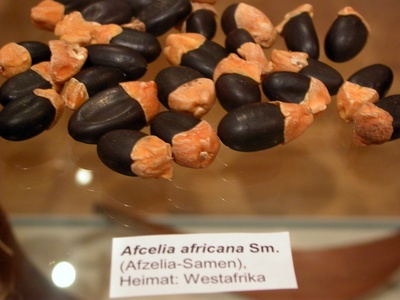
Doussie (African doussie)
Golden-brown timber with good durability and stability. Used for flooring, decking, and joinery. Valuable commercial species; careful sourcing reduces risk of illegal logging impacts.
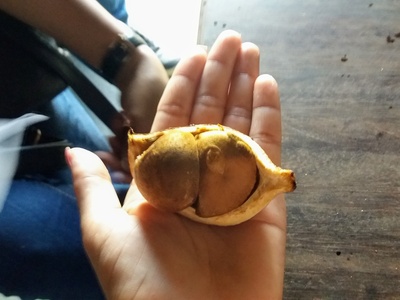
Andiroba
Pale to light brown timber often used for furniture and boatbuilding; oil extracted for traditional uses. Moderately durable and workable; cultural significance and forest-based sourcing mean sustainable management matters.
Madagascar rosewood
Deeply figured, fragrant red-brown wood highly prized for instruments and furniture. Recent illegal trade and habitat loss have made this species critically endangered and tightly controlled internationally.
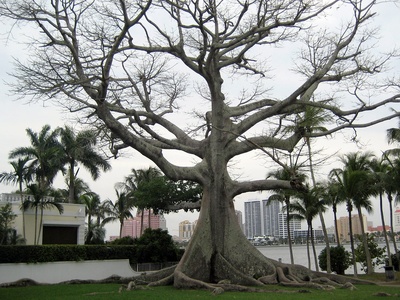
Kapok
Very lightweight, pale wood used for carvings, floats, and lightweight structures. Often the tree is valued more for fiber (kapok) and habitat than timber; overharvesting not usually the main threat but habitat loss affects populations.
Imbuia (Brazilian walnut)
Dark, richly figured hardwood prized for high-end furniture and cabinetry. Native to Atlantic Forest regions with heavy historic exploitation; conservation-sensitive sourcing and legal restrictions apply in parts of its range.
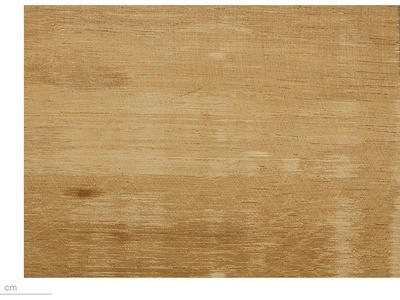
Guarea
Light to medium timber used for furniture, veneers, and carving. Many Guarea species occur across Amazon and Central America; sustainable management and species-level identification are important for responsible sourcing.
Santos mahogany? (skip ambiguous)
Yellowheart (Euxylophora)
Golden-yellow heartwood used for inlays, veneers, and decorative work. Striking color and moderate hardness make it desirable; commercial harvesting in parts of Amazon requires careful oversight to protect forests.
Sipo (alternate listing avoided duplicate)
See Sipo above; commonly used African hardwood for high-end joinery and veneers with sustainability considerations in commercial supply chains.
Red cedar (Cedrela fissilis)
Pale to reddish timber similar to Spanish cedar used in cabinetry and musical instruments. Populations have declined due to logging, leading to increased regulation and calls for certified sourcing.
Kapur and other Dipterocarps avoided (ambiguous)
Keruing-style species (Dipterocarpus alatus)
Heavy to medium timber used in construction and plywood. Native to lowland SE Asian rainforests with significant logging; species-level sourcing and regional regulations influence trade and conservation outcomes.