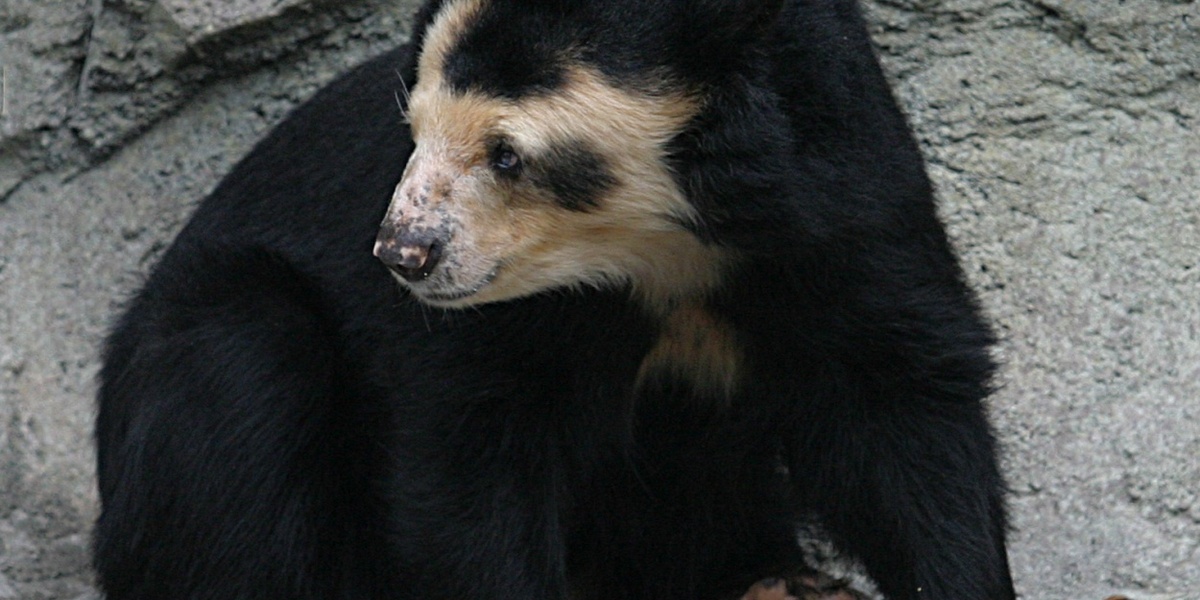
South America’s varied habitats—from the Amazon floodplain and Andean slopes to cloud forests and dry Chaco—harbor species found nowhere else. Many face shrinking ranges and mounting threats, so a clear, compact listing helps spot patterns and prioritize attention.
There are 27 Rare Animals in South America, ranging from the Amazon river dolphin to the Yellow-tailed woolly monkey. For each species we list Scientific name,IUCN status,Range & habitat — you’ll find below.
How up-to-date are the IUCN statuses listed here?
The IUCN status shown reflects the most recent published assessments at the time this list was compiled, but statuses can change with new surveys or taxonomic revisions; check the IUCN Red List or recent peer-reviewed studies for the latest updates on any species.
What practical actions can a visitor or supporter take to help these rare species?
Support locally led conservation groups, choose low-impact ecotourism operators, avoid buying wildlife products, and back habitat protection or restoration projects; even small actions like reporting sightings to citizen-science platforms can inform protection efforts.
Rare Animals in South America
| Name | Scientific name | IUCN status | Range & habitat |
|---|---|---|---|
| Andean condor | Vultur gryphus | Vulnerable 2015 | Colombia, Ecuador, Peru, Bolivia, Chile, Argentina; high Andes |
| Spectacled bear | Tremarctos ornatus | Vulnerable 2016 | Venezuela, Colombia, Ecuador, Peru, Bolivia; Andean cloud forest |
| Andean cat | Leopardus jacobita | Endangered 2016 | Peru, Bolivia, Chile, Argentina; high Andean puna, rocky slopes |
| Mountain tapir | Tapirus pinchaque | Endangered 2016 | Colombia, Ecuador, northern Peru; cloud forest, páramo |
| Giant otter | Pteronura brasiliensis | Endangered 2013 | Brazil, Peru, Bolivia, Colombia, Ecuador; Amazon rivers, flooded forest |
| Amazon river dolphin | Inia geoffrensis | Endangered 2018 | Brazil, Peru, Colombia, Bolivia, Ecuador; Amazon and Orinoco tributaries |
| Blue-throated macaw | Ara glaucogularis | Critically Endangered 2016 | Bolivia; Beni savanna, palm woodland |
| Spix’s macaw | Cyanopsitta spixii | Extinct in the Wild 2019 | Brazil (Bahia historically); Caatinga gallery forest (former) |
| Brazilian merganser | Mergus octosetaceus | Critically Endangered 2018 | Brazil (southern states), possibly Paraguay; fast clear rivers |
| Titicaca water frog | Telmatobius culeus | Critically Endangered 2019 | Peru, Bolivia; Lake Titicaca high-altitude freshwater |
| Galápagos penguin | Spheniscus mendiculus | Endangered 2018 | Ecuador (Galápagos); rocky shores, cold upwelling zones |
| Humboldt penguin | Spheniscus humboldti | Vulnerable 2018 | Peru, Chile; coastal islands and rocky shores |
| Northern muriqui | Brachyteles hypoxanthus | Critically Endangered 2016 | Brazil (Atlantic Forest); montane and lowland forest fragments |
| Southern muriqui | Brachyteles arachnoides | Endangered 2016 | Brazil (Atlantic Forest); canopy of Atlantic forest remnants |
| Golden lion tamarin | Leontopithecus rosalia | Endangered 2018 | Brazil (Rio de Janeiro state); Atlantic forest fragments, coastal lowland |
| Hyacinth macaw | Anodorhynchus hyacinthinus | Vulnerable 2018 | Brazil, Bolivia, Paraguay; palm savanna, gallery forest |
| Lear’s macaw | Anodorhynchus leari | Vulnerable 2019 | Brazil (Bahia); dry caatinga, sandstone cliffs |
| Andean flamingo | Phoenicoparrus andinus | Vulnerable 2016 | Chile, Bolivia, Peru, Argentina; high-altitude saline lakes |
| Giant armadillo | Priodontes maximus | Vulnerable 2014 | Amazon Basin, adjacent savannas; Brazil, Bolivia, Peru, Colombia, Venezuela |
| Leatherback turtle | Dermochelys coriacea | Vulnerable 2013 | Atlantic and Pacific coasts of South America; open ocean, nesting beaches |
| Yellow-tailed woolly monkey | Oreonax flavicauda | Critically Endangered 2008 | Peru; montane cloud forest |
| Brazilian three-banded armadillo | Tolypeutes tricinctus | Vulnerable 2014 | Brazil; cerrado and caatinga drylands |
| Arrau turtle | Podocnemis expansa | Vulnerable 2018 | Amazon Basin: Brazil, Peru, Colombia, Bolivia, Ecuador; large rivers, sandbanks |
| Titicaca grebe | Rollandia microptera | Critically Endangered 2000 | Peru, Bolivia; Lake Titicaca reed beds and open water |
| Magdalena river turtle | Podocnemis lewyana | Endangered 2000 | Colombia; Magdalena River basin, slow rivers and floodplains |
| Galápagos marine iguana | Amblyrhynchus cristatus | Vulnerable 2015 | Ecuador (Galápagos); rocky intertidal zones |
| Southern river otter | Lontra provocax | Endangered 2014 | Chile, Argentina; freshwater rivers, lakes, coastal fjords |
Images and Descriptions
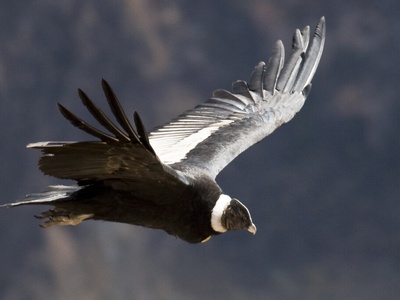
Andean condor
Massive scavenging bird threatened by poisoning and habitat loss; rare due to slow reproduction and persecution. Famous cliff roosts and wingspan make it iconic; conservation focuses on captive breeding and reducing toxic baits.
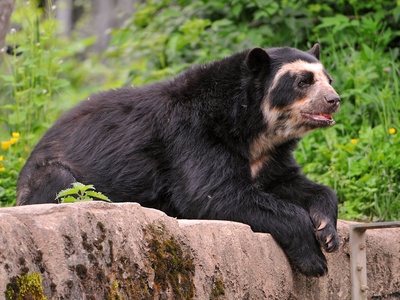
Spectacled bear
South America’s only bear, rare from deforestation and hunting. Recognizable by facial markings and shy, arboreal habits; populations fragmented in montane forests and conservation relies on habitat corridors and community protection.
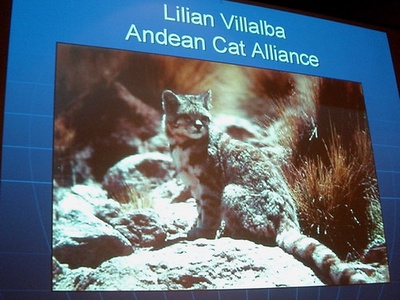
Andean cat
One of the rarest wild cats, limited to cold, arid highlands. Threatened by prey loss, persecution, and small fragmented populations. Distinctive long fur and pale coat help it survive extreme altitudes.
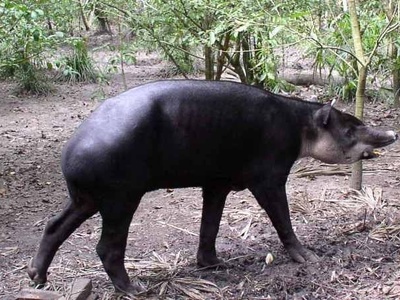
Mountain tapir
Small, woolly tapir surviving in fragmented montane forests and páramo; rarity driven by hunting and habitat loss. Important seed disperser with a prehensile snout and small population restricted to high-elevation corridors.
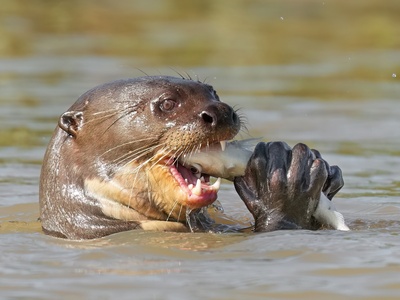
Giant otter
Social, vocal river otter rare from hunting and river habitat loss. Large family groups and throat markings make individuals identifiable; recovery depends on protected waterways and anti-poaching measures.
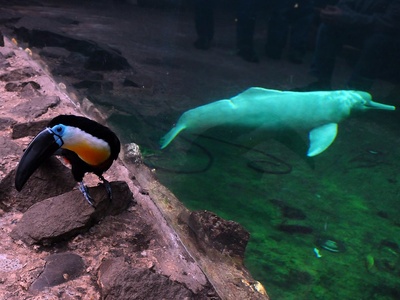
Amazon river dolphin
Pink freshwater dolphin facing habitat degradation, bycatch, and pollution. Flexible river specialist with variable color and long snout; river fragmentation and fisheries pose major threats to isolated subpopulations.
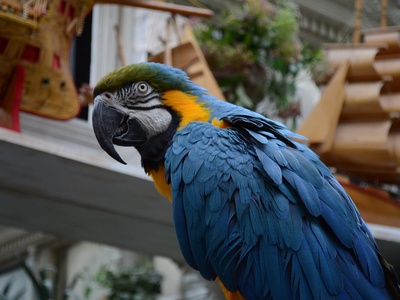
Blue-throated macaw
Iconic Bolivian parrot with tiny range and population; rarity caused by trapping and habitat conversion. Bright blue plumage and throat patch distinguish it; intensive reintroduction and nest-protection programs ongoing.
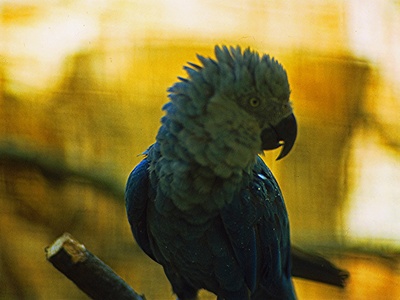
Spix’s macaw
Famed for extinction in the wild after trapping and habitat loss; only a small captive population remains with reintroduction attempts planned. Notable turquoise plumage and cultural conservation symbol.

Brazilian merganser
Very rare river duck surviving in few fragmented river systems; declines from damming, pollution, and disturbance. Thin serrated bill and stealthy plunge-diving behavior make it distinctive and vulnerable.

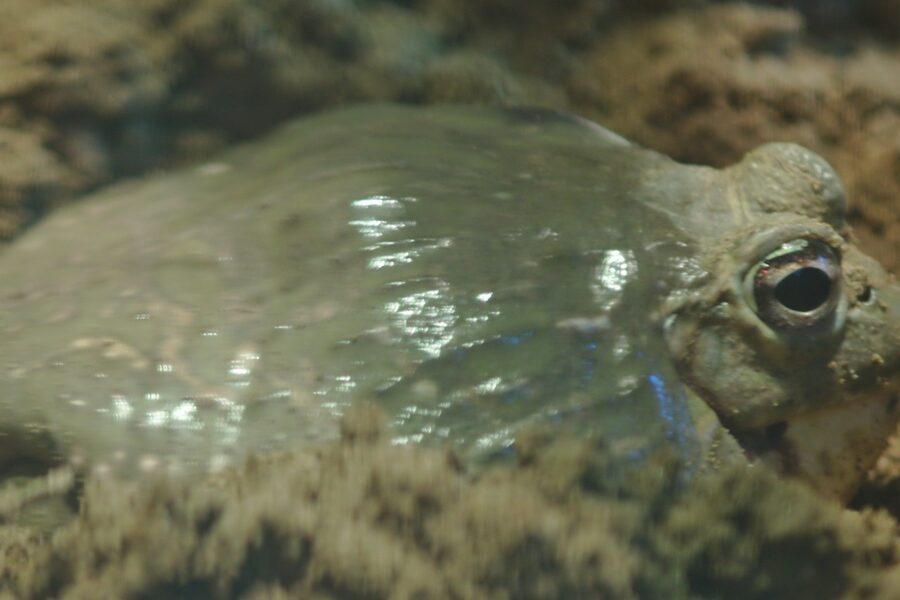
Titicaca water frog
Huge, loose-skinned frog endemic to Lake Titicaca; collapsed by overharvesting, disease and habitat degradation. Its flaccid, baggy skin helps oxygen uptake at altitude; captive breeding and disease control are key.
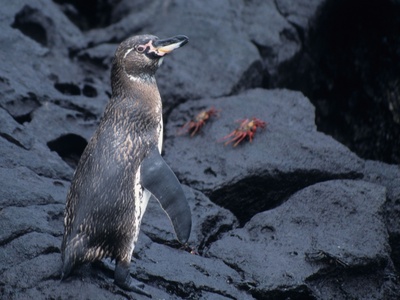
Galápagos penguin
Smallest penguin in tropical seas, restricted to few islands; rare due to El Niño events and introduced predators. Lives on nutrient-rich upwellings; conservation focuses on fisheries management and invasive species control.

Humboldt penguin
Medium coastal penguin threatened by fisheries, guano extraction and habitat disturbance. Dependent on cold Humboldt Current and nesting in fissures; population recovered in some colonies but remains patchy and vulnerable.
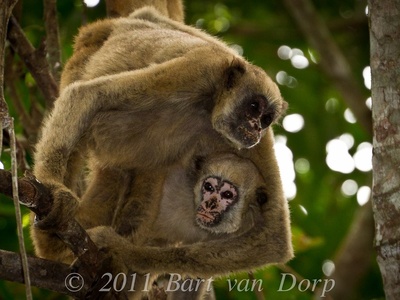
Northern muriqui
World’s rarest great ape, surviving in tiny Atlantic Forest fragments. Threatened by deforestation and isolation; peaceful, long-limbed primate that relies on canopy corridors and intensive habitat protection.
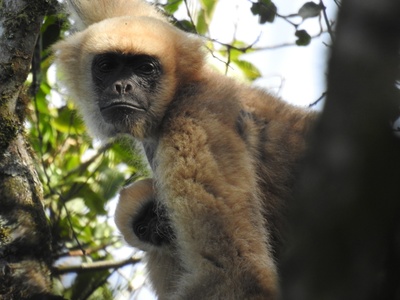
Southern muriqui
Large, gentle woolly monkey endangered by habitat loss and fragmentation. Arboreal folivore with slow reproduction; conservation centers on forest restoration and protected-area networks.
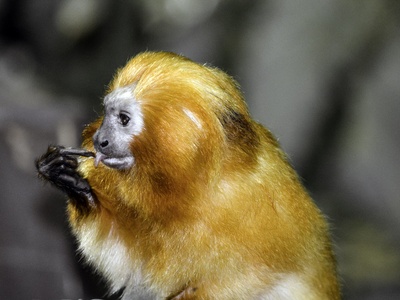
Golden lion tamarin
Small, striking primate recovered partly by reintroduction but still rare due to habitat fragmentation. Notable golden mane and group social structure; ongoing reforestation and corridors critical for survival.
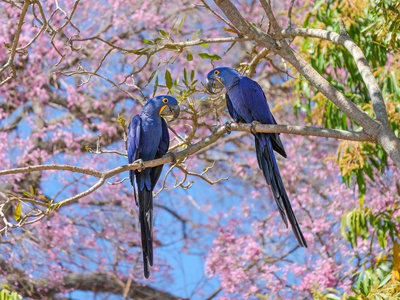
Hyacinth macaw
World’s largest parrot with cobalt blue plumage, threatened by trapping and loss of nesting palms. Populations clustered around palm-rich habitats; conservation includes nest-box programs and protection of palm groves.
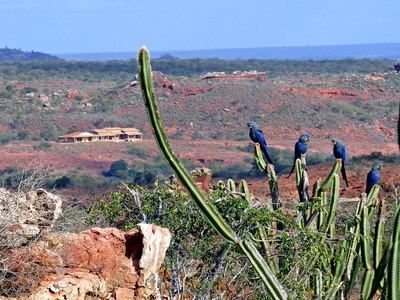
Lear’s macaw
Rare blue parrot narrowly endemic to northeastern Brazil; formerly decimated by trapping and habitat loss. Feeds on licuri palms and nests in cliff cavities; local community programs aid recovery.
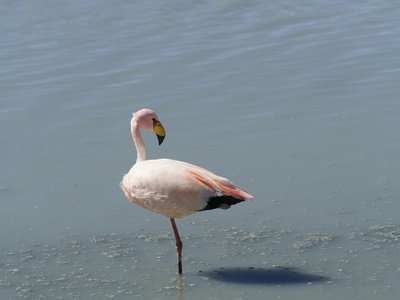
Andean flamingo
High Andes specialist with small, patchy breeding colonies; rarity due to mining, water extraction and disturbance. Pale pink plumage and specialized salt-lake feeding on algae make it vulnerable to lake changes.
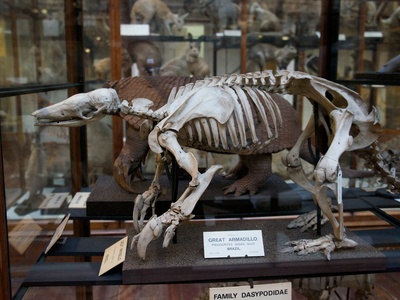
Giant armadillo
Largest armadillo, rare because of hunting and deforestation; builds massive burrows used by many species. Nocturnal, elusive, and dependent on intact lowland forest and savanna mosaics.

Leatherback turtle
Globally migratory but threatened along South American coasts by fisheries bycatch, egg loss and beach disturbance. Enormous, leathery-shelled turtle that depends on protected nesting beaches and reduced bycatch.
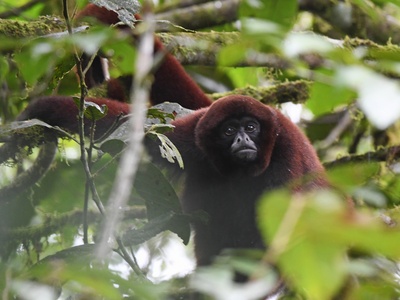
Yellow-tailed woolly monkey
Extremely rare, endemic primate restricted to small Peruvian cloud-forest pockets. Critically endangered from deforestation and hunting; distinctive golden tail and dense fur adapted to cool, humid mountains.
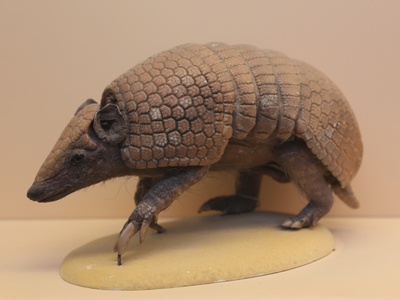
Brazilian three-banded armadillo
Unique roll-into-ball armadillo threatened by habitat loss and roadkill. Rarity concentrated in northeastern Brazil; defensive balling behavior and dryland specialization make it vulnerable to agricultural conversion.

Arrau turtle
Large river turtle facing nest harvest and river alteration. Long-lived river specialist with seasonal nesting on sandbanks; community-based nest protection has aided some recoveries but threats persist.
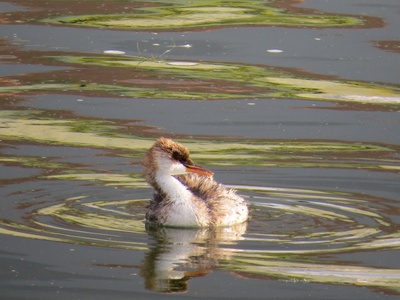
Titicaca grebe
Highly specialized, flightless waterbird endemic to Lake Titicaca; catastrophic decline from introduced trout, pollution and habitat change. Exceptional diving grebe dependent on reed habitat and strict lake protection to survive.
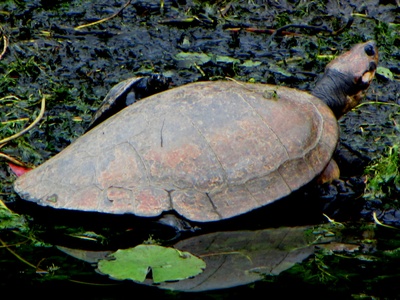
Magdalena river turtle
Freshwater turtle endemic to Colombia, rare from hunting and river fragmentation. Brightly patterned carapace and dependence on sandbanks for nesting make it vulnerable; river conservation is critical.
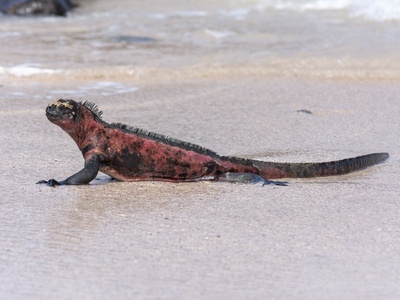
Galápagos marine iguana
Only marine lizard, threatened by climate change, oil spills and introduced predators. Dark, salt-shedding reptile that grazes algae; population swings linked to El Niño and human impacts, requiring strict island protections.
Southern river otter
Shy aquatic carnivore rare from habitat loss, pollution and persecution. Semiaquatic with dense fur, restricted to southern temperate waterways; conservation needs water-quality improvements and anti-hunting enforcement.