Across coral reefs, cloud forests and isolated islands, flashes of unexpected color tell stories of species that survive in small, fragile pockets of habitat. Spotting them often requires travel, patience and a bit of luck.
There are 19 rare colorful animals, ranging from Banggai cardinalfish to ʻIʻiwi. For each species, data is organized as Scientific name,IUCN status,Range/habitat — you’ll find below.
Which of these species are most at risk, and why?
Risk varies by species, but common drivers are habitat loss, climate change, invasive species and collection for trade; population trends and threat details are summarized in the IUCN status column so you can quickly see which ones need the most urgent attention.
How can I responsibly see or support these species?
Choose guided, low-impact wildlife tours, avoid buying wild-caught animals or products, support reputable conservation groups working on habitat protection and restoration, and report sightings to citizen-science projects to help researchers—details in the entries below can point you to region-specific efforts.
Rare Colorful Animals
| Name | Scientific name | IUCN status | Range/habitat |
|---|---|---|---|
| Spix’s macaw | Cyanopsitta spixii | Extinct in the Wild (EW) | Brazil (Upper Xingu River gallery forest) |
| Hyacinth macaw | Anodorhynchus hyacinthinus | Vulnerable (VU) | Brazil, Bolivia, Paraguay (Pantanal, gallery forest, cerrado) |
| Lear’s macaw | Anodorhynchus leari | Endangered (EN) | Brazil (northeast Caatinga, sandstone cliffs) |
| Golden lion tamarin | Leontopithecus rosalia | Endangered (EN) | Brazil (Atlantic Forest coastal fragments) |
| Queen Alexandra’s birdwing | Ornithoptera alexandrae | Endangered (EN) | Papua New Guinea (lowland rainforest, Oro Province) |
| Panamanian golden frog | Atelopus zeteki | Critically Endangered (CR) | Panama (western highland streams, cloud forest) |
| Kihansi spray toad | Nectophrynoides asperginis | Extinct in the Wild (EW) | Tanzania (Kihansi Gorge spray wetlands) |
| Banggai cardinalfish | Pterapogon kauderni | Endangered (EN) | Indonesia (Banggai Islands, reef lagoons and seagrass) |
| Humphead (Napoleon) wrasse | Cheilinus undulatus | Endangered (EN) | Indo-Pacific (coral reefs) |
| Blue iguana | Cyclura lewisi | Critically Endangered (CR) | Cayman Islands (Grand Cayman dry forests, rocky outcrops) |
| Red handfish | Thymichthys politus | Critically Endangered (CR) | Australia (Tasmania shallow coastal seafloor, seagrass) |
| ʻIʻiwi | Drepanis coccinea | Vulnerable (VU) | Hawaii (native high-elevation forests) |
| Golden poison frog | Phyllobates terribilis | Endangered (EN) | Colombia (Pacific lowland rainforest, leaf litter near streams) |
| Juan Fernández firecrown | Sephanoides fernandensis | Critically Endangered (CR) | Chile (Juan Fernández Islands, humid forest) |
| Wilson’s bird-of-paradise | Cicinnurus respublica | Vulnerable (VU) | Indonesia (Waigeo and Batanta islands, lowland forest) |
| Kakapo | Strigops habroptilus | Critically Endangered (CR) | New Zealand (offshore predator-free islands, temperate forest) |
| Blue-throated macaw | Ara glaucogularis | Critically Endangered (CR) | Bolivia (Beni savanna, palm groves) |
| Palawan peacock-pheasant | Polyplectron napoleonis | Vulnerable (VU) | Philippines (Palawan lowland forest) |
| Golden mantella | Mantella aurantiaca | Critically Endangered (CR) | Madagascar (lowland forest and swamp fragments) |
Images and Descriptions
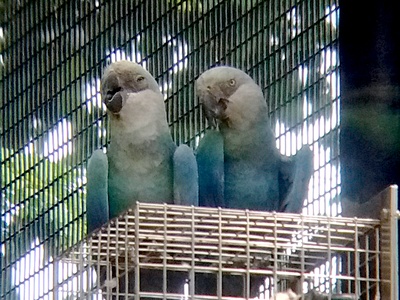
Spix’s macaw
Once famous for its electric blue plumage and extreme rarity, the Spix’s macaw survives only in captive programs after wild loss from trapping and habitat clearance; its striking sky-blue feathers made it a global icon for urgent rewilding efforts.
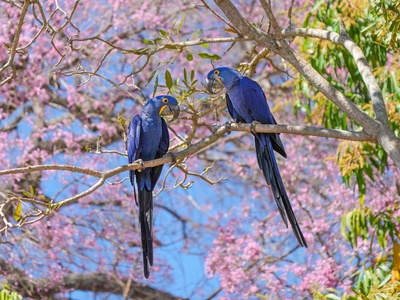
Hyacinth macaw
The world’s largest parrot, the hyacinth macaw dazzles with deep cobalt-blue feathers and bright yellow eye-rings. Habitat loss and illegal trade threaten remaining populations concentrated in wetlands and gallery forests across central South America.

Lear’s macaw
A vivid cobalt-blue parrot endemic to a small region in Brazil, Lear’s macaw was once critically low in numbers. Its dramatic color and cliff-nesting habits make it iconic; habitat destruction and the pet trade remain chief threats.
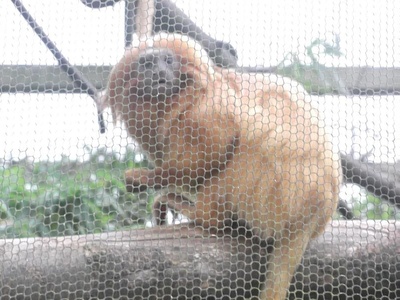
Golden lion tamarin
This small primate sports a mane of brilliant golden-orange fur. Extremely range-restricted in fragmented Atlantic Forest, conservation programs have helped, but habitat loss and fragmentation keep the golden lion tamarin at continuing risk.
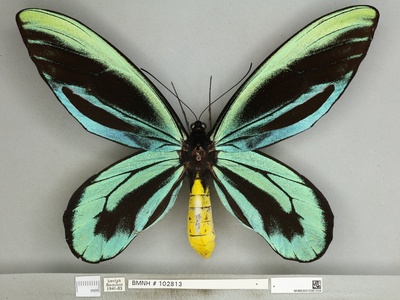
Queen Alexandra’s birdwing
The largest butterfly species, males flash iridescent green and black with electric blue highlights. Endemic to a tiny area of PNG, it faces habitat destruction from logging and agricultural conversion of rainforest.
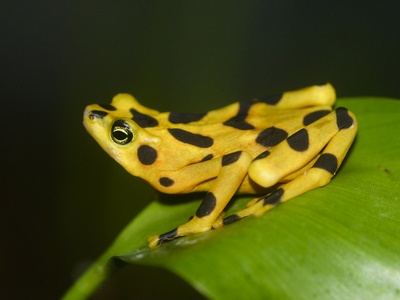
Panamanian golden frog
A vivid yellow-orange amphibian and cultural emblem of Panama, this frog has nearly vanished from the wild due to chytrid fungus, habitat loss, and pollution; surviving populations persist only in captive assurance colonies and remnant streams.
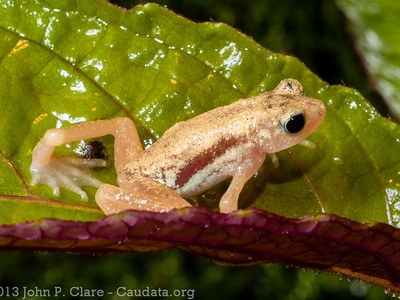
Kihansi spray toad
A tiny, bright yellow toad once confined to mist from one waterfall, the Kihansi spray toad declined after a dam altered its microhabitat and chytrid disease spread; captive breeding preserves hope for reintroduction.
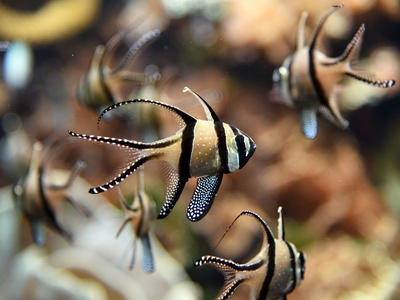
Banggai cardinalfish
A dramatic black-and-white striped fish with long fins and silvery spots, this charismatic reef species is threatened by overcollection for the aquarium trade and its tiny, fragmented island range.
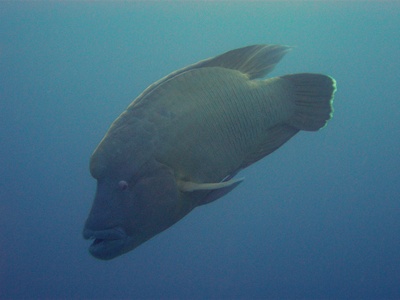
Humphead (Napoleon) wrasse
The humphead wrasse is a large, jewel-toned reef fish with mottled green-blue scales and a distinctive forehead bump. Slow to mature and long-lived, it is highly vulnerable to overfishing and reef degradation.
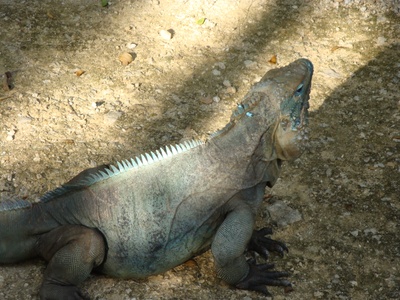
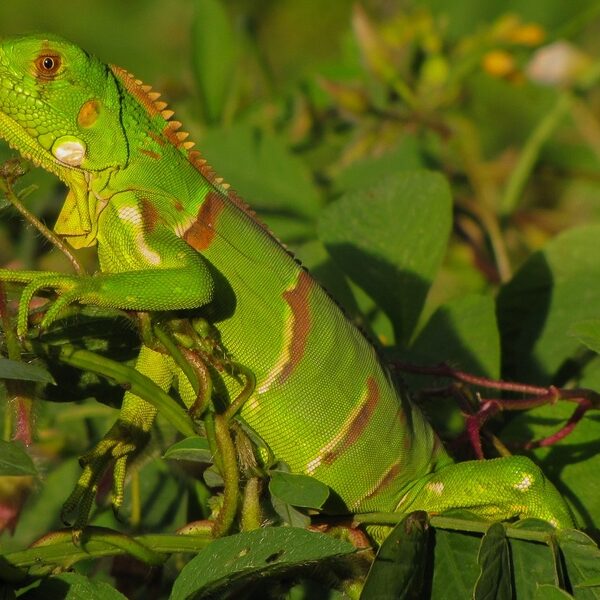
Blue iguana
A striking turquoise-blue lizard native to one island, the blue iguana was once near extinction. Habitat loss, invasive predators, and road mortality remain threats despite intensive captive-breeding and reintroduction efforts.

Red handfish
Bright red and bizarrely shaped, this tiny handfish “walks” on pectoral fins across seafloor rather than swimming. Extremely range-restricted and threatened by habitat loss, pollution, and small population size.
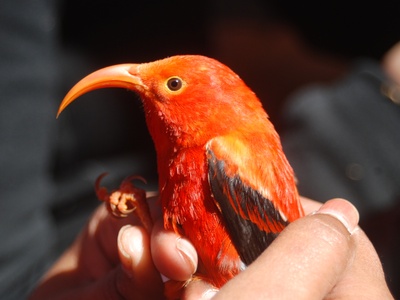
ʻIʻiwi
This charismatic Hawaiian honeycreeper dazzles with brilliant scarlet plumage and curved bill. ʻIʻiwi populations are fragmented and declining from habitat loss, introduced disease (avian malaria), and invasive species, making the red bird a conservation symbol.
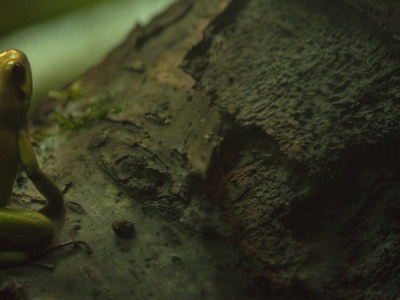
Golden poison frog
One of the most toxic and brightly colored frogs, males and females range from vivid yellow to orange. Restricted to western Colombian rainforest, it is threatened by habitat loss and collection pressure despite its toxicity.

Juan Fernández firecrown
A hummingbird with dazzling orange-red plumage in males, the firecrown is endemic to tiny Chilean islands. Invasive species, habitat loss, and severe range restriction make it one of the rarest hummingbirds.
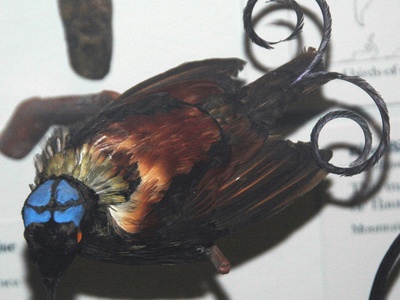
Wilson’s bird-of-paradise
The male is a riot of color — red back, sky-blue crown, emerald throat and ornate flank plumes — and lives only on a couple of Indonesian islands. Habitat loss and small range drive its vulnerable status.
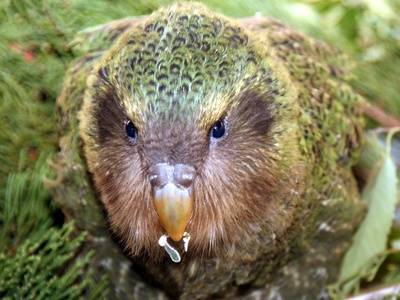
Kakapo
A flightless, nocturnal parrot with mossy-green plumage, the kakapo is one of the world’s rarest birds. Introduced predators devastated it; intensive island-based conservation and breeding programs now manage the tiny population.
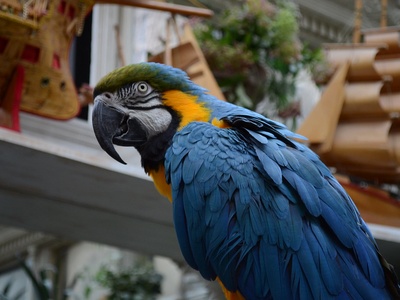
Blue-throated macaw
A striking yellow-and-blue macaw with a vivid turquoise throat, this species is limited to small Bolivian pockets. Habitat destruction, trapping for the pet trade, and small population size keep it precariously rare.
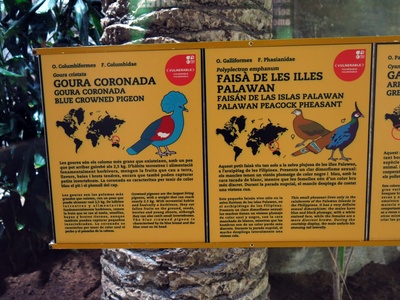
Palawan peacock-pheasant
A ground-dwelling bird with iridescent blue-green “peacock” spots on a dark body, this pheasant is endemic to Palawan. Deforestation for logging and agriculture fragments its limited habitat and threatens survival.
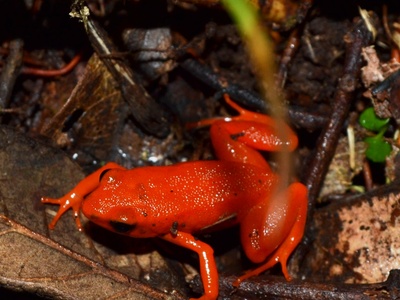
Golden mantella
A tiny amphibian blazing with orange-golden coloration, the golden mantella is confined to a few swampy sites. Habitat loss, collection for the pet trade, and chytrid disease imperil remaining populations.