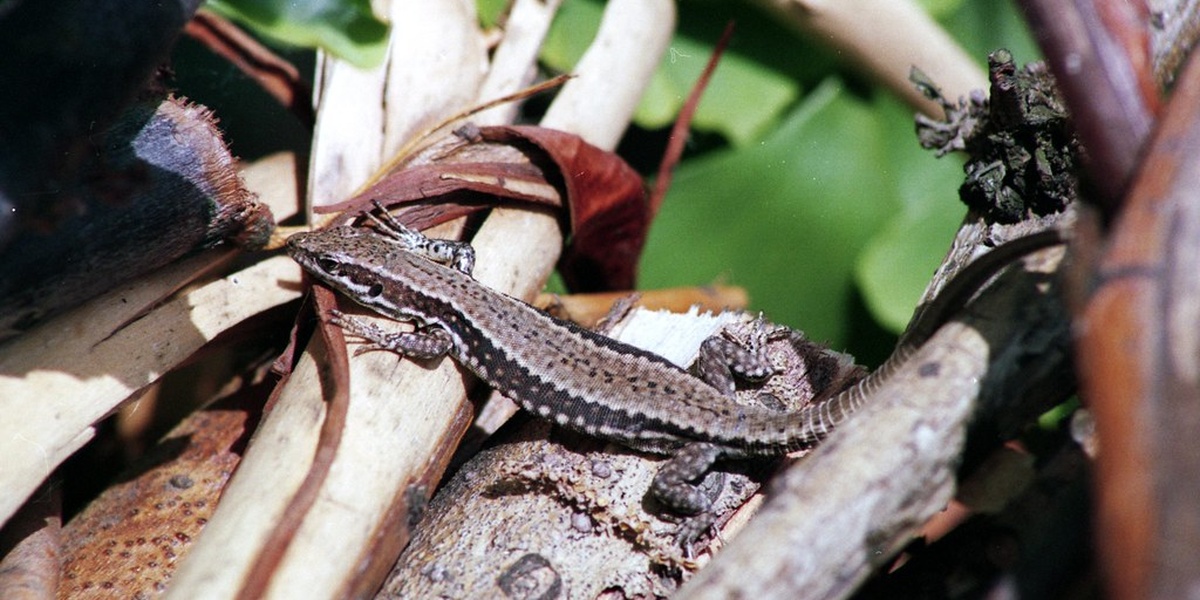
Montenegro’s mix of Adriatic coast, karst plateaus and alpine slopes supports a varied reptile fauna that appears in surprising places — from sun-warmed stone walls in towns to rocky scree above the tree line. A short field visit can turn up lizards basking, turtles in slow streams and snakes moving along dry ridges.
There are 25 Reptiles of Montenegro, ranging from Aesculapian snake to Snake-eyed skink. For each species the list shows the columns Scientific name,Max length (cm),Range & habitat & status so you can quickly check identification, size and where it’s found — you’ll find below.
Are any reptiles in Montenegro dangerous to people?
A few snake species carry venom, but encounters that lead to serious injury are uncommon; most reptiles are shy and avoid people. Treat all snakes with caution, give them space, and seek medical help promptly for any bite rather than relying on home remedies.
When and where am I most likely to see reptiles in Montenegro?
Warm months from spring to early autumn are best, especially on sunny slopes, rocky outcrops, dry grassland and along riverbanks; mornings and late afternoons are peak activity times, and looking under flat stones or near ruins often pays off.
Reptiles of Montenegro
| Common name | Scientific name | Max length (cm) | Range & habitat & status |
|---|---|---|---|
| Common wall lizard | Podarcis muralis | 25 | Widespread inland; rocky, walls; IUCN: LC |
| Italian wall lizard | Podarcis siculus | 20 | Coastal lowlands and towns; gardens, walls; IUCN: LC |
| Dalmatian wall lizard | Podarcis melisellensis | 23 | Adriatic coast and islands; rocky shorelines; IUCN: LC |
| European green lizard | Lacerta viridis | 40 | Lowland forests and shrub; scattered; IUCN: LC |
| Balkan green lizard | Lacerta trilineata | 45 | Southern/central regions; scrub, rocky slopes; IUCN: LC |
| European legless lizard (sheltopusik) | Pseudopus apodus | 120 | Dry rocky areas; karst, scrub; IUCN: LC |
| Snake-eyed skink | Ablepharus kitaibelii | 18 | Forests, grassland edges; widespread; IUCN: LC |
| Slow worm | Anguis fragilis | 40 | Cool meadows and montane forests; scattered; IUCN: LC |
| Moorish gecko | Tarentola mauritanica | 15 | Coastal towns and ruins; walls, rock crevices; IUCN: LC |
| Mediterranean house gecko | Hemidactylus turcicus | 12 | Coastal settlements; houses, lights; IUCN: LC |
| European pond turtle | Emys orbicularis | 32 | Freshwater wetlands, Skadar Lake; marshes; IUCN: LC |
| Balkan terrapin | Mauremys rivulata | 25 | Skadar Lake and southern wetlands; riversides; IUCN: NT |
| Loggerhead sea turtle | Caretta caretta | 100 | Adriatic coastal waters; occasional strandings; IUCN: VU |
| Grass snake | Natrix natrix | 120 | Wetlands, rivers and lowlands; widespread; IUCN: LC |
| Dice snake | Natrix tessellata | 100 | Rivers and lakes; aquatic habitats; IUCN: LC |
| Aesculapian snake | Zamenis longissimus | 180 | Wooded valleys and oak forests; scattered; IUCN: LC |
| Caspian whipsnake | Dolichophis caspius | 200 | Open dry habitats and fields; widespread; IUCN: LC |
| Four-lined snake | Elaphe quatuorlineata | 150 | Coastal hills and karst; dry scrub; IUCN: LC |
| Green whip snake | Hierophis viridiflavus | 150 | Open rocky areas and scrub; coastal to inland; IUCN: LC |
| Montpellier snake | Malpolon monspessulanus | 150 | Dry rocky slopes and scrub; southern/coastal; IUCN: LC |
| European cat snake | Telescopus fallax | 90 | Rocky coast and hills; crevices; IUCN: LC |
| Smooth snake | Coronella austriaca | 75 | Cool forests and montane areas; scattered; IUCN: LC |
| Nose-horned viper | Vipera ammodytes | 95 | Rocky slopes and karst; widespread in hills; IUCN: LC |
| Balkan worm lizard | Blanus strauchi | 18 | Loose soils, gardens and scrub; coastal to inland; IUCN: LC |
| Aesculapian snake (alternate) | Zamenis longissimus | 180 | Wooded valleys and ruins; IUCN: LC |
Images and Descriptions
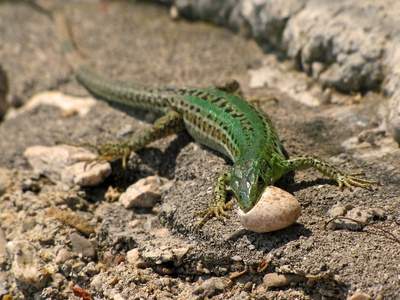
Common wall lizard
A common, agile lizard across Montenegro’s hills and villages from coast to mountains. Grows to ~25 cm, often sunning on walls and rocks. Harmless to people and frequently seen in gardens and ruins.
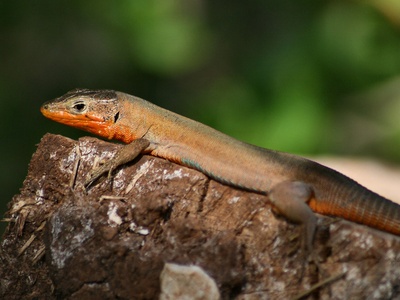
Italian wall lizard
Common around coastal towns and islands, especially in the south. Small and bold, it reaches about 20 cm and thrives on human-made structures. Non-venomous and often the first lizard you’ll spot in seaside villages.
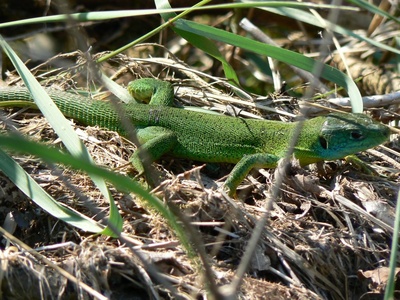
Dalmatian wall lizard
A coastal specialist around Montenegro’s Adriatic shores and islands. Reaches about 23 cm, slim and quick on sun-warmed rocks. Harmless and easy to find near the sea and dry stone walls.
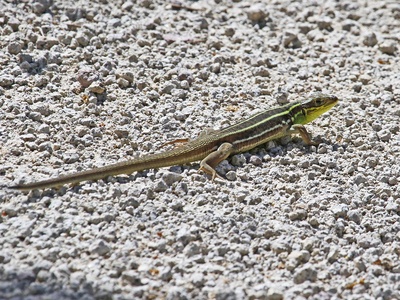
European green lizard
Bright green and large, this lizard occurs in wooded lowlands and river valleys in Montenegro. Up to 40 cm, noticeable for its vivid color. Non-venomous and often found basking on logs or low branches.
Balkan green lizard
A large, striking green lizard of southern and central Montenegro, favoring rocky scrub and sunlit slopes. Can reach 45 cm and is harmless. Often seen darting among stones and low vegetation.
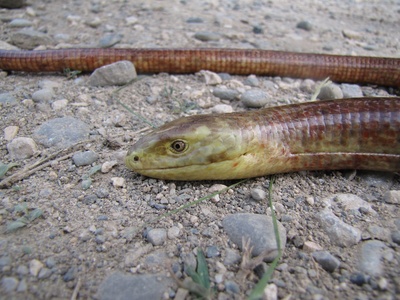
European legless lizard (sheltopusik)
A large, legless lizard resembling a snake, common on Montenegro’s dry, rocky karst. Can exceed a metre; non-venomous and gentle. Recognisable by eyelids and ear openings that snakes lack.
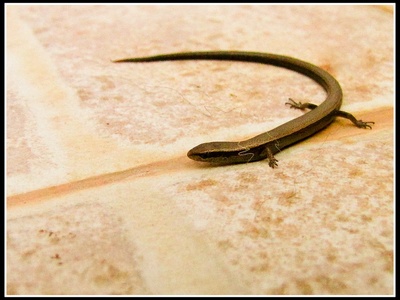
Snake-eyed skink
Small, smooth-scaled skink with fused eyelids (“snake-eyed”), common in shady forest edges and grassland. Reaches about 18 cm. Harmless and often secretive under leaf litter or stones.
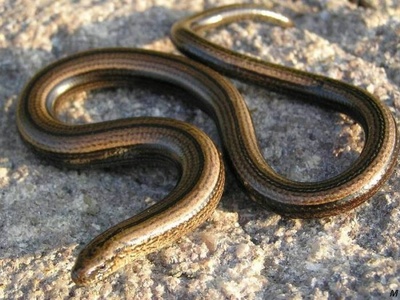
Slow worm
A glossy, legless lizard resembling a snake, found in mountain meadows and woodlands. Up to 40 cm, harmless and shy. Frequently seen under logs or near gardens at higher elevations.
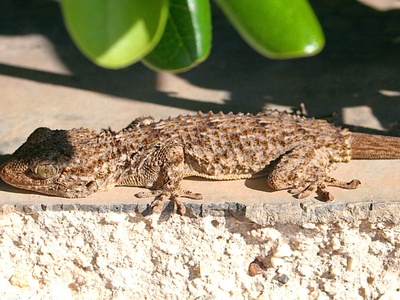
Moorish gecko
A chunky, nocturnal gecko of the Adriatic coast, often on walls, ruins and in houses. About 15 cm long, harmless to people and famous for its sticky toe pads and vocal chirps at night.
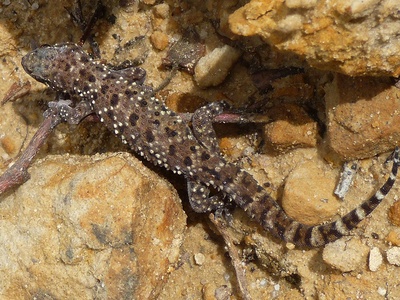
Mediterranean house gecko
A small nocturnal gecko frequently found in coastal villages and harbours. Reaches ~12 cm and hunts insects around lights. Harmless and welcome in homes for insect control.
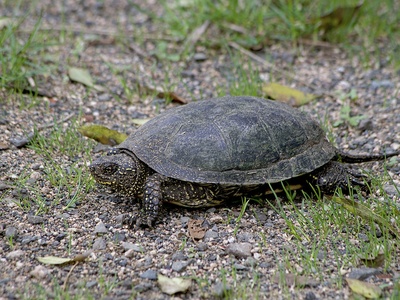
European pond turtle
The freshwater pond turtle inhabits Skadar Lake and lowland marshes. Shells reach around 32 cm; shy and aquatic. Protected locally and an indicator of healthy wetland habitats.
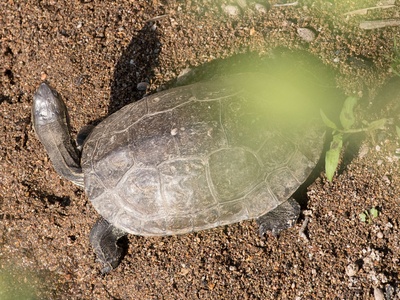
Balkan terrapin
A Mediterranean pond turtle common around Skadar and southern streams. Up to 25 cm, prefers slow water and basking logs. Protected and declining in some areas due to habitat loss.
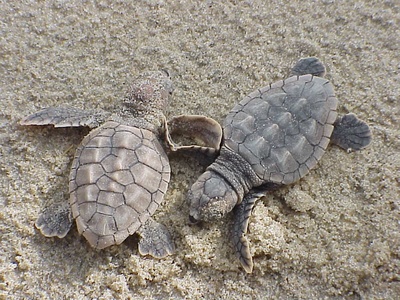
Loggerhead sea turtle
Occasional visitor to Montenegro’s coast and offshore seas. Adults reach about 100 cm carapace length. Non-aggressive, protected; sightings and strandings are recorded and reported to conservation groups.
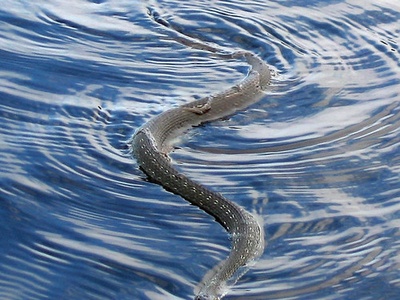
Grass snake
A common non-venomous snake of rivers, marshes and gardens. Grows up to 120 cm and feeds on amphibians and fish. Harmless to people and often seen near water bodies like Skadar Lake.
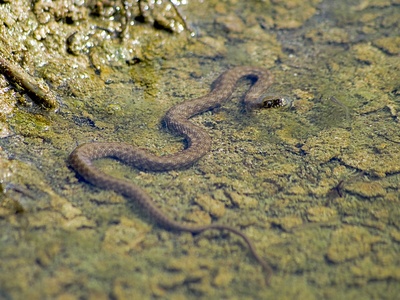
Dice snake
A fish-eating, mainly aquatic snake found along Montenegro’s rivers and lakes. Up to about 100 cm; non-venomous and excellent swimmer. Common near riverbanks and wetlands.
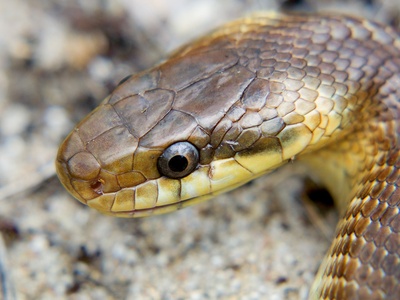
Aesculapian snake
A slender, forest-dwelling snake often found near old walls and groves. Can reach 180 cm, non-venomous and agile climber. Prefers warm, wooded valleys and is shy around humans.

Caspian whipsnake
A large, fast-moving snake of open fields and rocky slopes, reaching up to 200 cm. Non-venomous but impressive; feeds on small mammals and other reptiles and is commonly seen in warmer lowlands.
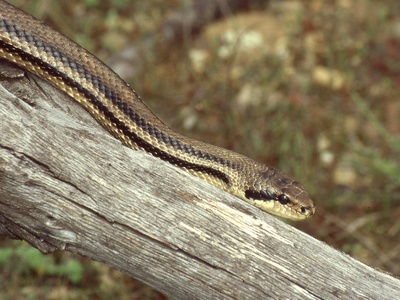
Four-lined snake
A bold, large snake found in coastal hills and karst landscapes. Up to 150 cm, patterned with longitudinal stripes. Non-venomous and often a spectacular sight in sunlit rocky areas.
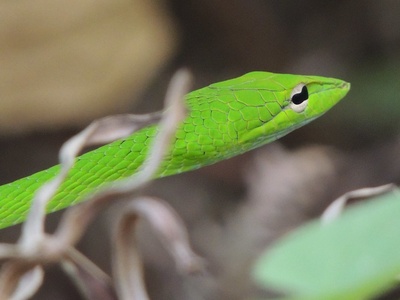
Green whip snake
A fast, slender snake common on sunny rocky slopes and scrub. Reaches ~150 cm and actively hunts during the day. Non-venomous and often seen moving quickly over stones.
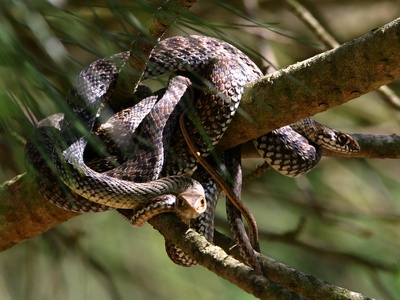
Montpellier snake
A large, rear-fanged snake found in dry southern and coastal Montenegro. Up to 150 cm; mildly venomous but not dangerous to healthy adults. Prefers warm, open habitats and is often nocturnal.
European cat snake
A slender, nocturnal rear-fanged snake occurring on rocky coasts and hills. About 90 cm long; mildly venomous to small prey but generally not dangerous to humans. Often hides in rock crevices by day.
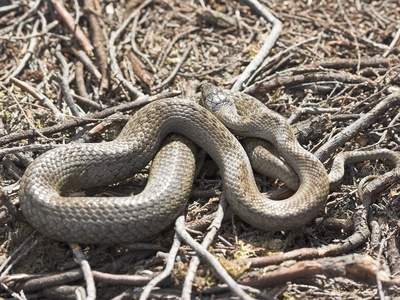
Smooth snake
A small, secretive forest snake reaching about 75 cm. Non-venomous and often found under stones and logs in cooler montane woodlands. Feeds on small reptiles and rodents.
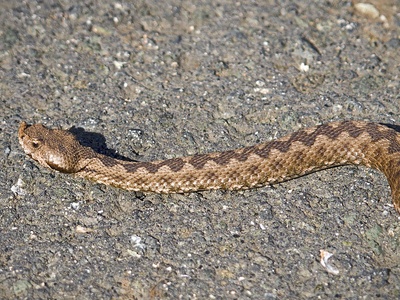
Nose-horned viper
Montenegro’s best-known viper, found on rocky slopes and karst. Up to ~95 cm; venomous and should be treated with caution. Locally common but avoids people; medical attention needed for bites.
Balkan worm lizard
A small, burrowing amphisbaenian often mistaken for a worm or snake. Reaches ~18 cm, legless and secretive under stones or in loose soil. Harmless and rarely seen above ground.
Aesculapian snake (alternate)
Large, elegant climber of Montenegro’s woodlands and old ruins; non-venomous and reaches nearly two metres. Feeds on small mammals and birds and is mainly shy of people.