Senegal’s mix of Atlantic coastline, river systems and Sahelian plains supports a surprising variety of reptiles, from freshwater turtles in the south to desert-adapted lizards in the north. If you’re exploring parks, rivers or coastal marshes, a focused list helps spot which species to expect and where to look.
There are 26 Reptiles of Senegal, ranging from African helmeted turtle to West African mud turtle to show the span from large aquatic species to smaller marsh specialists. For each entry you’ll find below the data organized as: Scientific name,Max length (cm),Senegal range & habitat, making it easy to compare size and typical locations you’ll find below.
Which habitats in Senegal hold the most reptile diversity?
Freshwater wetlands, coastal mangroves and the savanna/woodland transition zones generally host the highest diversity because they offer water, prey and shelter; rivers and seasonal pools support many turtles and water snakes, while drier savannas and rocky outcrops favor lizards and terrestrial snakes. Visiting multiple habitat types and different seasons increases chances of encountering a wider range of species.
How can I use this list for field identification or surveys?
Use the scientific names to avoid confusion, compare observed lengths to the Max length (cm) column, and narrow candidates by the Senegal range & habitat entry; photograph distinguishing features, note GPS locations and habitat, and consult local guides or museum records for confirmation and permits if you plan to handle animals.
Reptiles of Senegal
| Common name | Scientific name | Max length (cm) | Senegal range & habitat |
|---|---|---|---|
| West African crocodile | Crocodylus suchus | 400 | Rivers, estuaries and wetlands across Senegal |
| African spurred tortoise | Centrochelys sulcata | 80 | Northern Sahel and semi-deserts |
| Senegal chameleon | Chamaeleo senegalensis | 25 | Wooded savanna, gardens and farms countrywide |
| Nile monitor | Varanus niloticus | 200 | Rivers, floodplains and wetlands across Senegal |
| Savannah monitor | Varanus exanthematicus | 100 | Dry savanna and scrublands across Senegal |
| African helmeted turtle | Pelomedusa subrufa | 30 | Ponds, marshes and rice fields across Senegal |
| West African mud turtle | Pelusios castaneus | 30 | Forest ponds, slow rivers and wet savanna in southern Senegal |
| African softshell turtle | Trionyx triunguis | 100 | Large rivers, estuaries and coastal lagoons |
| Leatherback sea turtle | Dermochelys coriacea | 200 | Offshore waters and occasional southern nesting beaches |
| Green sea turtle | Chelonia mydas | 120 | Coastal lagoons, feeding grounds and nesting sites |
| Hawksbill sea turtle | Eretmochelys imbricata | 90 | Rocky coasts, coral areas; rare nesting records |
| Loggerhead sea turtle | Caretta caretta | 120 | Open coastlines and continental shelf; occasional records |
| Olive ridley | Lepidochelys olivacea | 70 | Oceanic waters and occasional coastal occurrences |
| Common agama | Agama agama | 30 | Urban areas, rocks and savanna countrywide |
| Tropical house gecko | Hemidactylus mabouia | 12 | Buildings, walls and lights across towns and villages |
| Wall gecko | Tarentola annularis | 15 | Rocky walls, buildings and dry habitats |
| Dwarf gecko | Lygodactylus picturatus | 12 | Trees, shrubs and walls in savanna and urban areas |
| African striped skink | Trachylepis striata | 20 | Open habitats, gardens and savanna across Senegal |
| Puff adder | Bitis arietans | 120 | Savanna, woodland edges and farmland nationwide |
| Saw-scaled viper | Echis ocellatus | 60 | Sahelian and dry sandy areas, northern and inland regions |
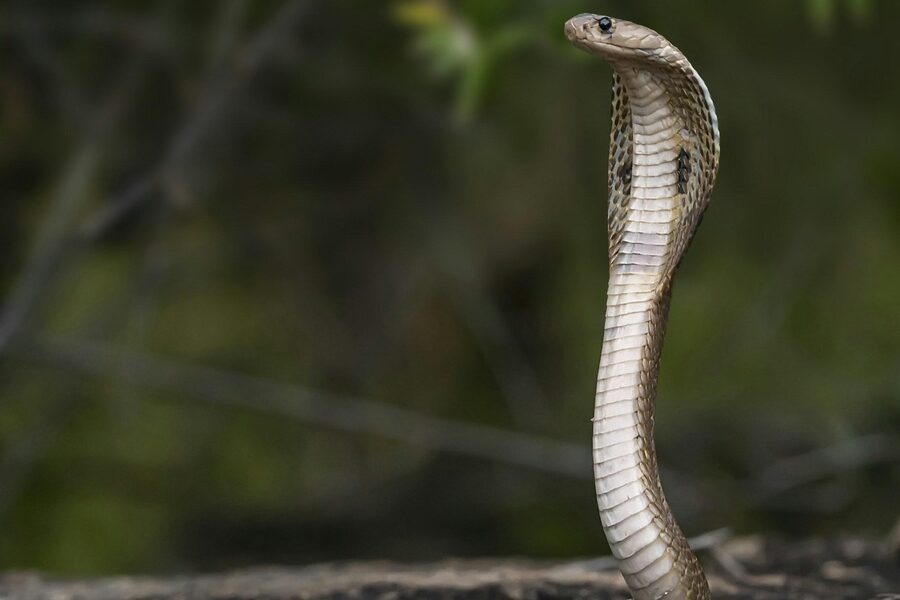
| Senegalese cobra | Naja senegalensis | 150 | Savanna, farmland and edges of forests across Senegal |
| Boomslang | Dispholidus typus | 120 | Woodland, gallery forests and gardens in southern Senegal |
| African house snake | Boaedon fuliginosus | 100 | Near buildings, farms and savanna across Senegal |
| Long sand snake | Psammophis sibilans | 120 | Open savanna, roadsides and sandy areas across Senegal |
| Ball python | Python regius | 120 | Savanna, termite mound areas in southern Senegal |
| Fringe-toed lizard | Acanthodactylus scutellatus | 20 | Sandy Sahel dunes and arid northern Senegal |
Images and Descriptions
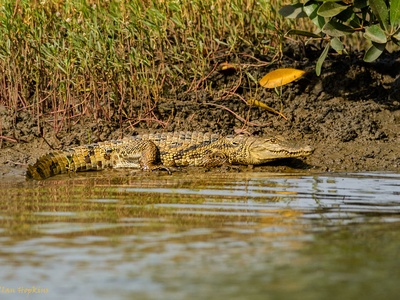
West African crocodile
Large freshwater crocodile found in rivers and estuaries. Can reach several metres; secretive but locally common in protected wetlands. Important predator and culturally significant; vulnerable to habitat loss and human conflict, so conservation matters for local communities.
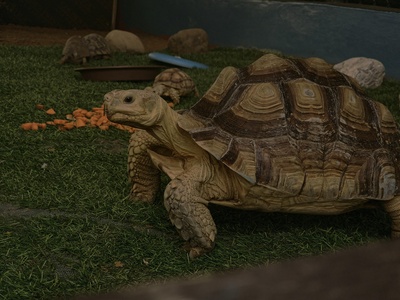
African spurred tortoise
Huge, burrowing tortoise of the Sahel. Shells grow large and adults reach big sizes. Lives in arid north Senegal where it digs burrows to escape heat. Faces threats from collection and habitat change; locally treasured but declining.
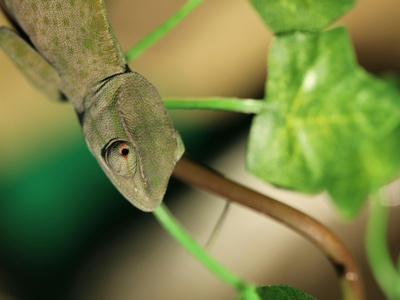
Senegal chameleon
Small, adaptable chameleon common in gardens and savanna. Changes color slightly, catches insects with a long tongue, and is often seen on shrubs or fences. Harmless to people, interesting for its eye movements and slow, deliberate behavior.
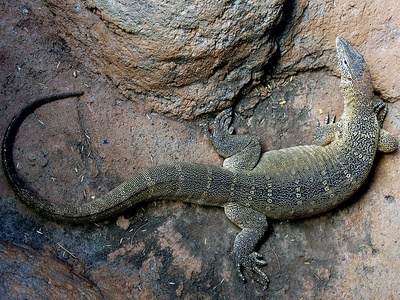
Nile monitor
Large, powerful lizard that hunts fish, crabs and small vertebrates near water. Strong swimmer often seen on riverbanks. Can become bold around people; plays a key ecological role but sometimes persecuted due to size and livestock concerns.
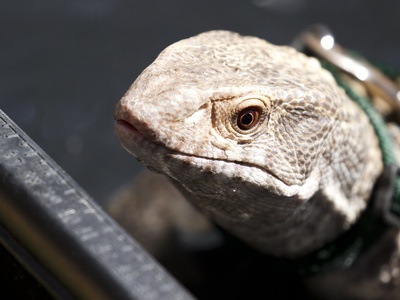
Savannah monitor
Robust ground-dwelling monitor that eats insects, rodents and eggs. Common in drier habitats and farmland edges. Slow-moving compared to Nile monitors, it’s non-tree-climbing and often shelters in burrows; sometimes collected for the pet trade.
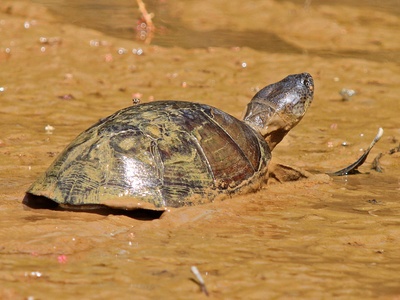
African helmeted turtle
Sturdy freshwater turtle with a domed shell often seen basking. Tolerant of disturbed waters including rice paddies and urban ponds. Omnivorous and adaptable, making it one of the most commonly encountered freshwater turtles in the region.
West African mud turtle
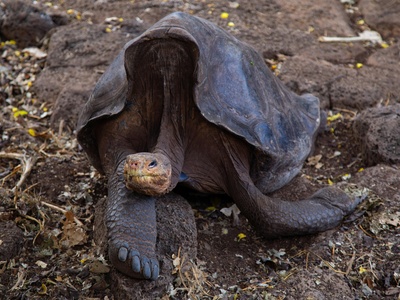
Freshwater turtle of forests and wetlands, with a hinged plastron allowing tight closure. Prefers quieter waters than Pelomedusa and is important for aquatic ecosystems. Common in southern Senegal and Casamance wetlands.
African softshell turtle
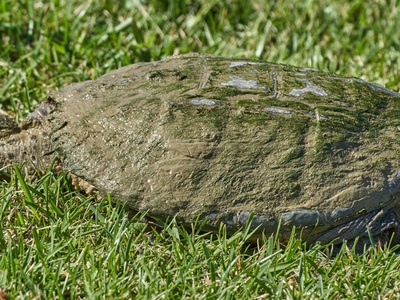
Flat, leathery-shelled turtle that lies buried in sand and ambushes fish. Can be large and is well adapted to river mouths and coastal lagoons. Rare and vulnerable in parts of West Africa from hunting and habitat loss.
Leatherback sea turtle
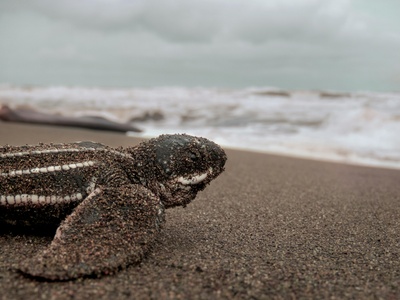
The world’s largest sea turtle, known for deep ocean voyages. Rarely nests on Senegal’s shores but frequents offshore waters. Iconic and critically endangered globally; threatened by fisheries bycatch and marine pollution.
Green sea turtle
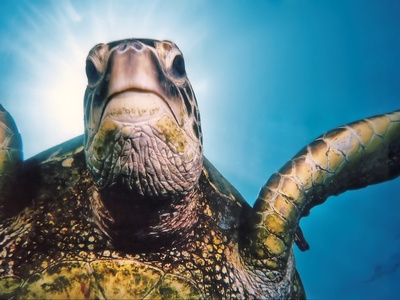
Herbivorous adult sea turtle that feeds on seagrass and algae. Found in coastal waters and nests on sandy beaches. Vulnerable to egg collection and coastal development; conservation groups monitor nesting seasons.
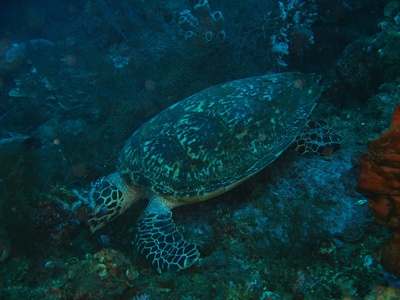
Hawksbill sea turtle
Beautiful, spiny-shelled turtle that prefers reefs and rocky shorelines. Rarely nests in Senegal but may forage offshore. Critically endangered due to shell trade, bycatch, and habitat degradation; local sightings are uncommon and draw conservation interest.
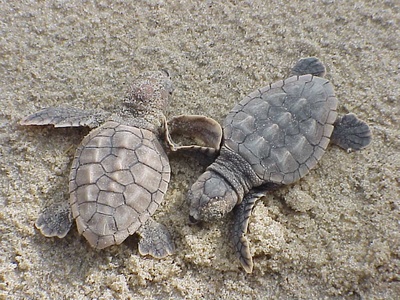
Loggerhead sea turtle
Large-headed sea turtle seen occasionally off Senegal’s coast. Mostly oceanic but may use continental shelf waters. Threatened by longline fisheries and marine debris; records are less common than green or leatherback turtles.
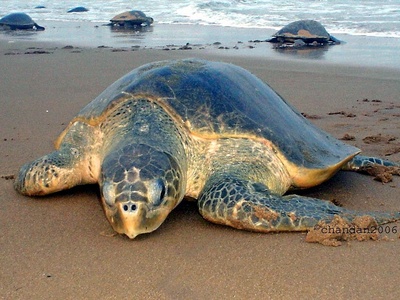
Olive ridley
Small, pelagic sea turtle that sometimes approaches shore. Opportunistic nesters and widely distributed, but records from Senegal are occasional. Vulnerable to fisheries and coastal threats; identification important for monitoring. Local sightings help inform regional conservation.
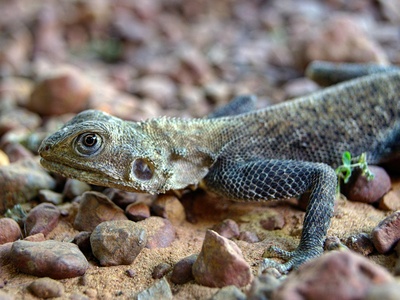
Common agama
Colorful lizard often seen basking on walls, rocks and fence posts. Males show bright heads during breeding and are common in towns and countryside. Harmless to people and a frequent sight for naturalists and schoolchildren.
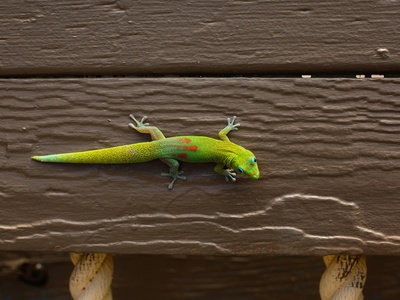
Tropical house gecko
Small nocturnal gecko common around human habitations, hunting insects attracted to lights. Easily recognized by chirping calls and flattened body. Tolerant of disturbance and often the first reptile people notice in urban areas.
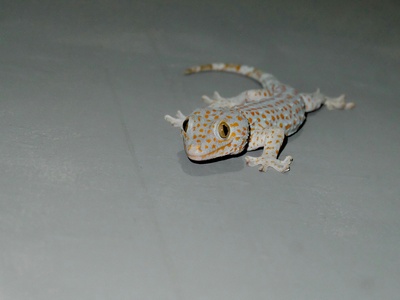
Wall gecko
Sturdy gecko with a wide head and adhesive pads, common on stone walls and in dry areas. Nocturnal and insectivorous, it often coexists with house geckos but prefers rougher, rockier substrates.
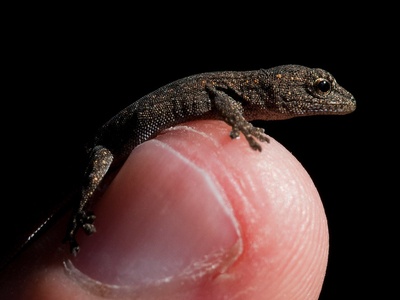
Dwarf gecko
Very small daytime gecko that runs on vertical surfaces. Brightly patterned in some individuals, it hunts tiny insects on bark and walls. Often seen in gardens and shaded spots, intriguing for its activity during daylight.
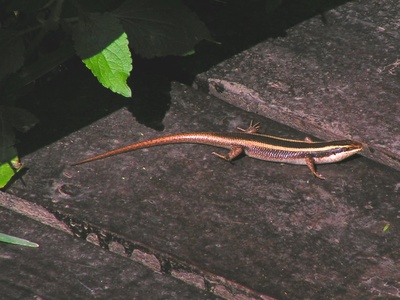
African striped skink
Sleek, fast-moving skink with glossy scales and light stripes. Common in disturbed habitats and gardens, it feeds on insects and can be seen dashing across paths. Harmless and widespread. Its smooth movement and shiny scales make it easy to spot in sunlight.
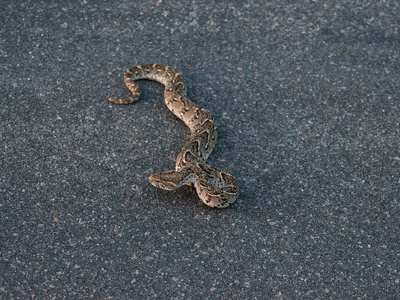
Puff adder
Stocky, well-camouflaged viper often lying in ambush. Responsible for many snakebites across Africa due to its wide distribution and calm temperament when approached. Best admired from a distance; plays a role controlling rodent populations.
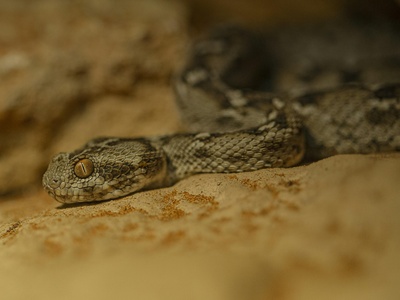
Saw-scaled viper
Small but extremely dangerous viper of dry zones. Aggressive when threatened and responsible for significant envenomation incidents in the Sahel. Short, cryptic and quick; avoid handling and report sightings to locals.
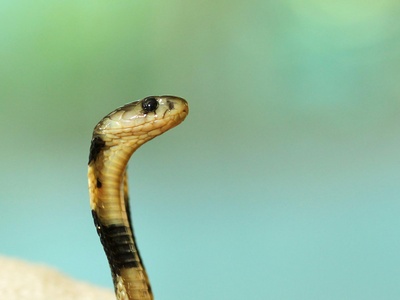
Senegalese cobra
Medium-sized cobra that raises a hood when threatened and can spit venom defensively. Found near people in farms and gardens; bites are medically significant. Respectful distance and local knowledge are essential for safety and conservation.
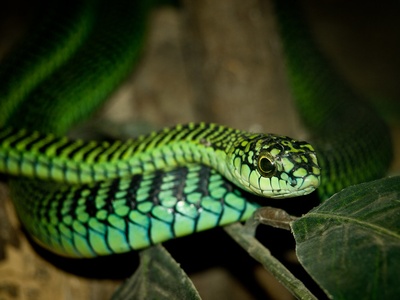
Boomslang
Arboreal, big-eyed snake that feeds on birds and reptiles. Highly venomous with a potent hemotoxic bite but generally shy and avoids humans. Found in trees and hedgerows; identification is important as it blends with foliage.
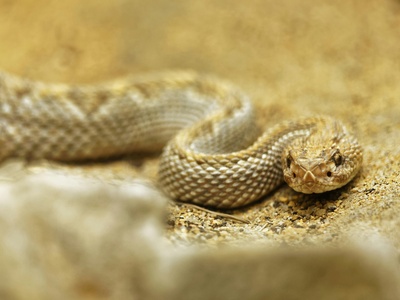
African house snake
Non-venomous, nocturnal constrictor often found near homes controlling rodents. Docile and small compared with big constrictors, it is beneficial to farmers and commonly encountered in villages and fields at night.
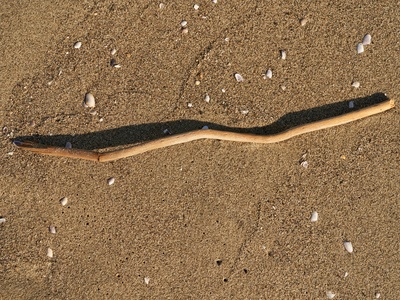
Long sand snake
Fast, slender colubrid that actively hunts lizards and small mammals. Diurnal and quick-moving, rarely aggressive to people but bites may cause local pain. Often seen on warm roads and paths basking in sun.
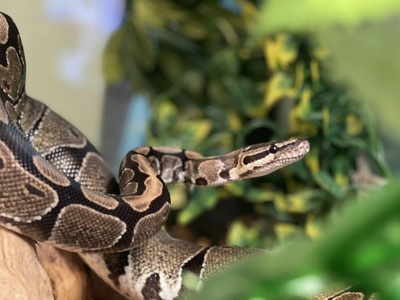
Ball python
Heavy-bodied constrictor that coils in burrows and preys on rodents. Secretive and mostly nocturnal, it’s prized in the pet trade but is part of natural rodent control. Not aggressive when left alone.
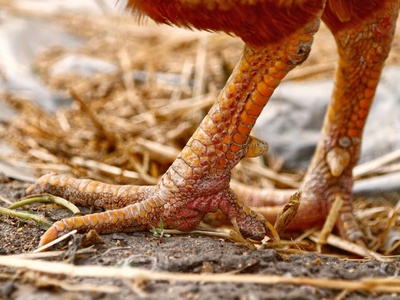
Fringe-toed lizard
Active diurnal lizard with fringed toes for running on loose sand. Inhabits arid dunes and gravel plains in the north; insectivorous and well adapted to hot, dry environments, often seen during cooler morning hours.