Reptiles of the Gambia: A Field Guide to Species
The reptiles of the Gambia are shaped by a small country with big habitat variety. You’ve got mangroves along the River Gambia, dry savanna, farm edges, coastal scrub, wetlands, and city gardens all packed into a narrow strip of West Africa. That mix is exactly why the country supports a useful little cross-section of West African reptiles — the kind you can actually look for without needing a six-week expedition and a machete.
The headline species are easy to guess: monitor lizards, geckos, agamas, a long list of snakes, a few turtles, and Nile crocodiles in the right places. Some are common around homes and roadsides. Others are shy, seasonal, or tied to river systems. A few are dangerous enough that you should leave them alone and keep your distance. That part is non-negotiable.
Table of contents
- Quick overview
- Lizards of The Gambia
- Snakes of The Gambia
- Turtles and tortoises
- Crocodiles and larger reptiles
- Where to look for reptiles
- How to stay safe
- Final take
Quick overview
The most commonly encountered reptiles in The Gambia are the ones that tolerate people: house geckos, agamas basking on walls, skinks in leaf litter, and the occasional monitor lizard near water or rubbish heaps. Snakes are present and diverse, but many are nocturnal, secretive, or active only after rain. If you’re walking in daylight, you’ll probably notice lizards first.
If you want a broader baseline on the country’s habitats, the Encyclopaedia Britannica overview of The Gambia is a useful starting point, and the country’s riverine geography explains a lot of the reptile distribution. For a broader look at Gambian wildlife beyond reptiles, see Top 8 Diverse Wildlife of The Gambia.
Lizards of The Gambia
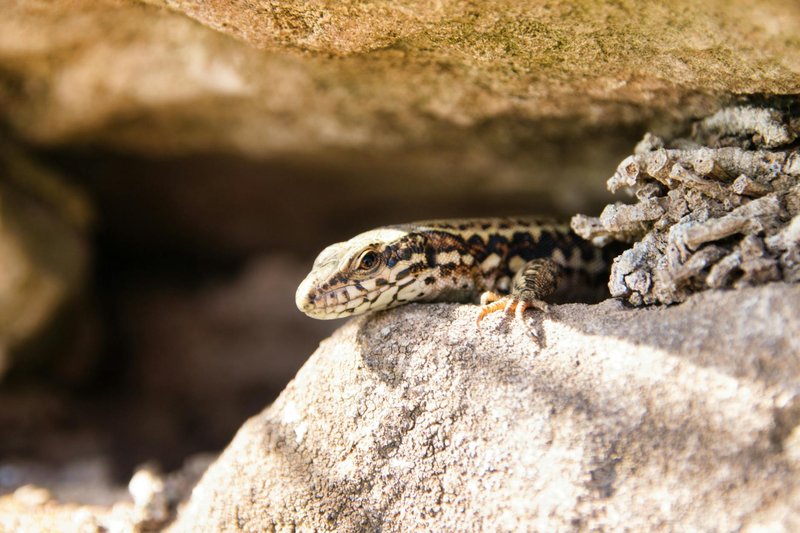
The lizards are the easiest reptiles to spot, and they’re the ones most visitors actually see. The Gambia’s warm walls, stone fences, sandy paths, and scrubby gardens are ideal for basking and insect hunting.
Nile monitor
The Nile monitor is the heavyweight. Big body, long tail, heavy jaws, no confusion once you’ve seen one. It’s the reptile most likely to make people stop and stare near wetlands or water margins. Juveniles are often more patterned than adults, but the overall shape gives them away. They’re strong swimmers, good climbers when young, and fond of fish, eggs, insects, and anything else they can overpower.
In The Gambia, look near rivers, marshes, and quiet pools. Don’t corner one. They can lash hard with that tail, and adults are absolutely not interested in being handled.
Agamas
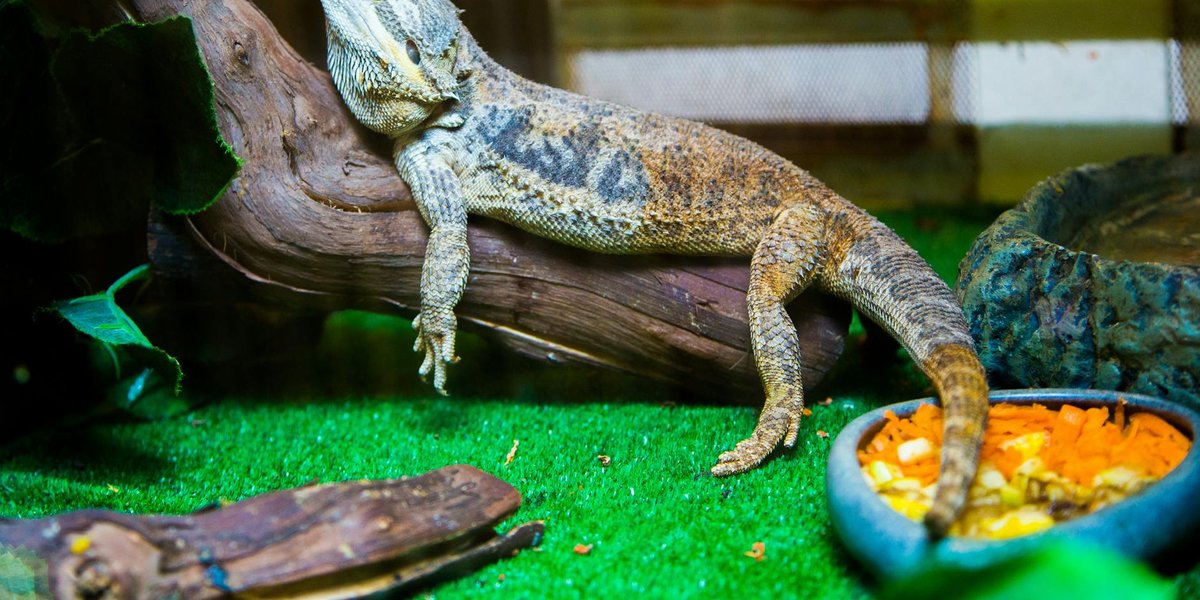
Agamas are the classic wall-basking lizards of West Africa. In The Gambia, they’re often seen on rocks, fences, termite mounds, and building edges, usually parked in full sun and judging everybody. Males may show brighter colors and a more territorial posture, especially in breeding season.
If you see a lizard doing push-ups on a wall, that’s probably an agama. It’s not showing off for you. It’s telling another lizard to back off.
Skinks
Skinks are the sleek, glossy runners that vanish into grass, leaf litter, or sand almost before you process what you saw. They’re common in gardens, open woodland, and disturbed habitat. Their body shape is the giveaway: smooth scales, reduced limbs in some species, and a habit of moving in a straight, fast line instead of doing the dramatic lizard freeze.
Skinks are useful to know because they’re everywhere, but they don’t stay visible long enough for casual observers to admire them.
Geckos
Geckos are the night shift. Around lights, on walls, behind shutters, and in roofs, they feed on insects drawn to artificial lighting. House geckos are especially familiar in towns and villages. Bigger geckos may hunt on trunks or around rocky outcrops, depending on local habitat.
The clicky calls, sticky feet, and habit of appearing where you least expect them make geckos one of the most successful reptiles in human spaces.
Chameleons
West Africa has chameleons, and The Gambia is part of that story, though they’re far less conspicuous than geckos or agamas. If you find one, it’s usually in vegetation, moving slowly and relying on camouflage rather than speed. Their laterally compressed bodies and turreted eyes make them look like they were assembled by a very strange committee.
They’re easiest to miss and easiest to damage, so look but don’t grab.
Snakes of The Gambia
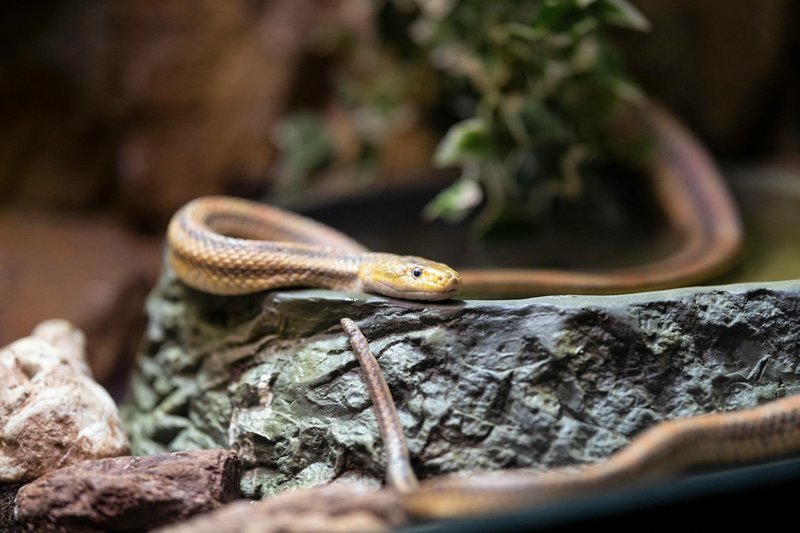
Snake diversity is one of the most searched parts of the topic, and for good reason. The Gambia has a mix of non-venomous, mildly venomous, and medically significant species. The trick is knowing which is which — or better yet, not trying to find out by hand.
Puff adder
The puff adder is one of the most dangerous snakes in West Africa. It’s heavy-bodied, camouflaged, and often relies on stillness rather than fleeing. That means people step too close. It has a reputation that’s well earned. If you’re walking through grass, especially at dusk or after rain, watch your feet.
The pattern is usually blotchy and earth-toned, which is exactly why it’s so easy to miss.
Carpet viper
The carpet viper is another medically important snake in the region. Small to medium in size, highly patterned, and often found in dry or semi-dry habitats, it’s a species to respect from a distance. It’s not the longest snake on the landscape, but it’s one of the ones you really do not want to test.
Black-necked spitting cobra
This is one of the snakes visitors are most likely to hear about. It’s fast, defensive, and capable of spraying venom toward threats. Eye protection matters if you’re around any snake you don’t know, but the real answer is simpler: don’t approach.
Cobras are often tied to wetter or more varied habitat edges, including farmland and places where rodents are common. They’re part of the reason people in rural West Africa stay alert after dark.
Python
Pythons are among the least panicked-looking snakes in The Gambia. They’re big, powerful constrictors, usually non-aggressive unless cornered. Their size and thick build make them easier to identify than many smaller snakes. They may hunt mammals and birds and are often associated with wetter habitats, dense cover, or quiet areas with good prey.
They can look slow. They are not harmless. Just not usually interested in you.
Grass snakes and other harmless colubrids
A lot of the snakes you might see are harmless or low-risk colubrids — long, agile snakes that feed on frogs, lizards, rodents, or fish. Some are active during the day, others at dawn or dusk. Because many have plain brown or greenish bodies, they’re often misidentified as “dangerous” simply because people don’t know them.
That’s a common theme with snakes everywhere, and The Gambia is no exception: most fear comes from bad ID, not bad snakes.
For a broader taxonomic reference, The Reptile Database is a solid starting point for checking species names and ranges. For a broader regional snapshot, see Animals of West Africa: The Complete List.
Turtles and tortoises
Turtles are tied to water, and in The Gambia that usually means rivers, floodplains, lagoons, or coastal waters. Tortoises are more terrestrial and much harder to encounter in the dry season unless you’re in the right habitat.
Freshwater turtles
Freshwater turtles are present in river systems and slow water. They spend a lot of time submerged or basking on logs, and they’re easy to overlook unless you’re scanning carefully. If you’re paddling, birding, or crossing quiet water at the right time of day, keep an eye on floating logs and exposed banks.
Sea turtles
Along the coast, sea turtles may appear in the broader region, especially during nesting or feeding movements in West African waters. They’re not an everyday sight for most travelers in The Gambia, but they matter for conservation conversations and coastal wildlife tourism.
Tortoises
Tortoises are less often encountered than people expect. Dry-season conditions, habitat loss, and collection pressure can all make them harder to find. If you do come across one, let it keep moving. Tortoises do not need your intervention unless they’re in immediate danger.
Crocodiles and larger reptiles
Nile crocodile
The Nile crocodile is the reptile that changes the mood of a riverbank fast. In The Gambia, crocodiles are associated with larger waterways, quiet backwaters, and places with enough cover and prey. They’re not something to casually wade around or photograph from low bank positions.
They’re among the most iconic reptiles in West Africa, but they deserve the kind of respect that keeps you on the safe side of the water.
The IUCN Red List is the best place to check conservation status for crocodiles and other reptiles if you want to go beyond field-guide basics.
Where to look for reptiles
The best reptile-spotting in The Gambia happens in a few habitat types:
- River edges and mangroves: monitors, crocodiles, aquatic turtles, and snakes near water
- Savanna and grassland edges: agamas, skinks, puff adders, carpet vipers
- Farm and village margins: geckos, small snakes, skinks, and wall-dwelling lizards
- Wet season puddles and flooded ground: more snake activity, more frogs, more prey, more movement
- Night around lights: geckos and insect-hunting reptiles show up fast
The wet season is usually better for activity, especially for snakes and amphibious prey species. The dry season can still be excellent for basking lizards, but many animals become more secretive or shift to shaded, wetter microhabitats.
How to stay safe
The Gambia is not a place to panic about reptiles, but it is a place to pay attention.
A few basic rules go a long way:
- Wear closed shoes in grass, scrub, and at night
- Watch where you put your hands and feet
- Don’t pick up snakes, even if you think they’re harmless
- Give big lizards and crocodiles plenty of space
- Use a flashlight after dark around paths, walls, and water edges
- If bitten, get medical help immediately and avoid folk remedies
If you’re traveling with kids, the easiest rule is also the best one: look first, touch never.
Final take
The reptiles of the Gambia are a practical field guide in miniature: wall geckos, basking agamas, hidden skinks, water-loving monitors, a diverse snake community, and crocodiles in the right river habitats. It’s a good country for seeing reptiles if you know where to look, and an even better one if you’re patient enough to look twice.
The main keyword here is simple: the reptiles in The Gambia are most visible where habitat changes happen quickly — river to bank, shade to sun, grass to path, village to field. That edge-country is where reptiles make their living. Stay aware, keep your distance, and you’ll see more than you expect.