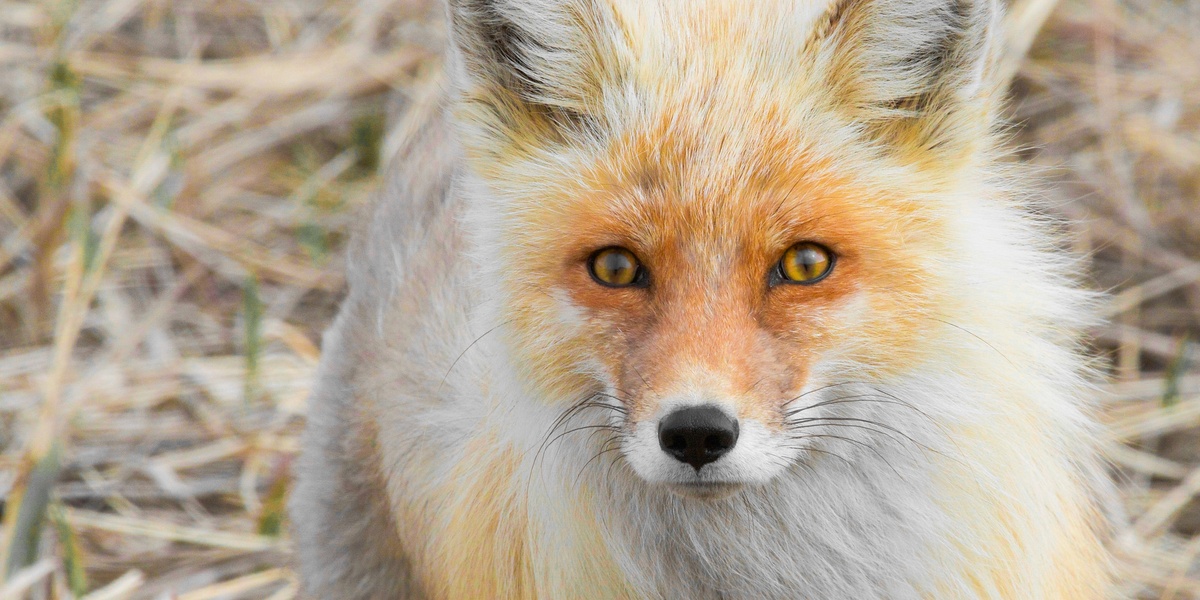
San Marino may be small, but its hills, beech woods and cultivated terraces host a surprising array of wildlife—mammals, birds, reptiles and more—adapted to a patchwork of semi-natural and human-shaped habitats. Walking the trails or scanning hedgerows around the capital and rural castelli can reveal species you might not expect in such a compact country.
There are 32 San Marino’s native animals, ranging from Aesculapian Snake to Wild Boar. For each species I’ve organized the data as Scientific name,Size (length cm),Where to find (habitat/locations), so you can quickly see identification, typical size and where to look; you’ll find that information below.
Where in San Marino am I most likely to spot these species?
Look for wildlife along woodland edges, dry stone walls, riparian strips and the mosaic of orchards and meadows rather than in the urban center; birds and small mammals are common near hedgerows, reptiles like the Aesculapian Snake bask on sunny slopes, and larger animals such as Wild Boar are usually in more secluded, forested valleys.
Do any of these species pose risks to people or pets?
Most are harmless if left alone—standard precautions (keep dogs leashed, avoid nests, give snakes space) reduce conflict—while larger species like Wild Boar can be defensive if cornered, so observe from a distance and report repeated sightings in populated areas to local wildlife authorities.
San Marino’s Native Animals
| Common name | Scientific name | Size (length cm) | Where to find (habitat/locations) |
|---|---|---|---|
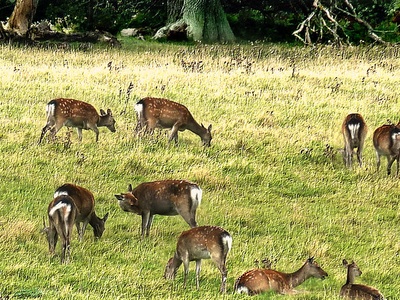
| Roe Deer | Capreolus capreolus | 115 | Woodlands and fields at dawn or dusk, especially around Monte Titano. |
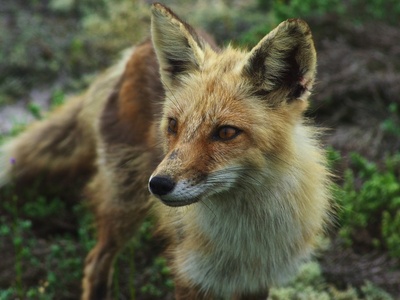
| Red Fox | Vulpes vulpes | 65 | Widespread in countryside and even near towns; mostly active at night. |
| Wild Boar | Sus scrofa | 150 | Forests and dense shrublands, often digging for roots and tubers. |
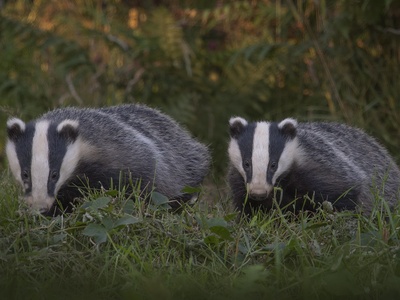
| European Badger | Meles meles | 70 | Deciduous woodlands; look for signs of their large burrow systems (setts). |
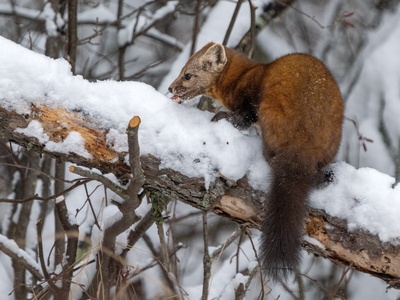
| Pine Marten | Martes martes | 50 | Mature forests of Monte Titano; very elusive and rarely seen. |
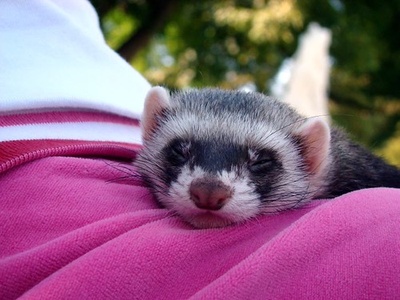
| Weasel | Mustela nivalis | 20 | Farmland, stone walls, and woodland edges; moves very quickly. |
| Hedgehog | Erinaceus europaeus | 25 | Gardens, parks, and woodlands; active after dusk. |
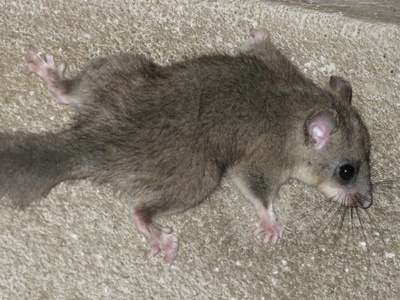
| Edible Dormouse | Glis glis | 16 | Deciduous forests and orchards; listen for its calls at night. |
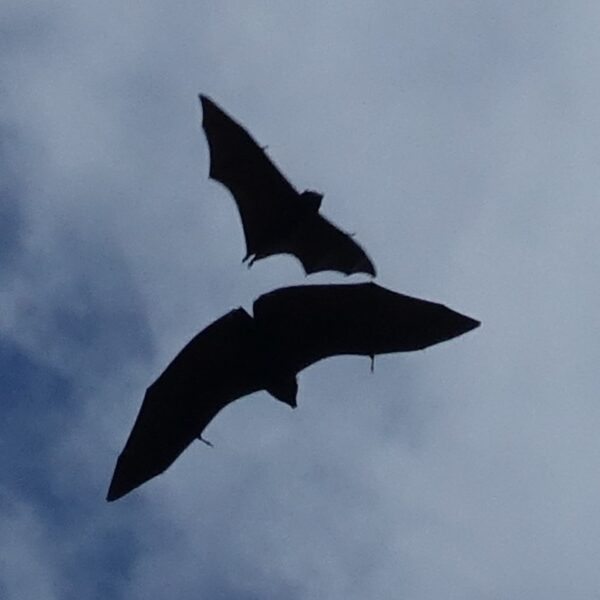
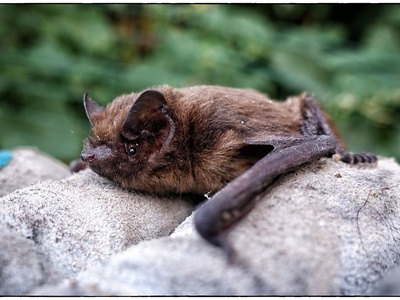
| Common Pipistrelle | Pipistrellus pipistrellus | 4 | Flying at twilight over water, parks, and woodland edges. |
| Peregrine Falcon | Falco peregrinus | 42 | Cliffs of Monte Titano; watch for them soaring or in a high-speed dive. |
| Common Buzzard | Buteo buteo | 53 | Soaring in wide circles over open countryside and wooded hills. |
| Eurasian Kestrel | Falco tinnunculus | 34 | Hovering over fields and roadsides while hunting for small mammals. |
| Tawny Owl | Strix aluco | 38 | Woodlands and mature parks; listen for its classic “twit-twoo” call at night. |
| Hoopoe | Upupa epops | 28 | Open country, lawns, and vineyards; look for its distinctive crest. |
| Italian Sparrow | Passer italiae | 15 | Abundant in towns, villages, and farmsteads; a very familiar sight. |
| Common Blackbird | Turdus merula | 24 | Gardens, parks, and woodlands; males are all-black with a yellow beak. |
| European Robin | Erithacus rubecula | 14 | Common in all habitats with tree cover, from forests to city gardens. |
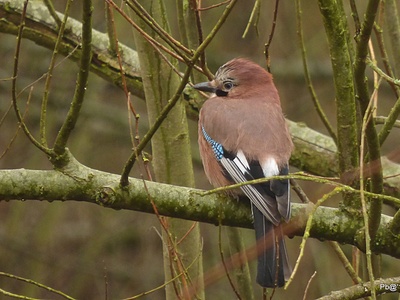
| Eurasian Jay | Garrulus glandarius | 34 | Oak woodlands; identified by a flash of brilliant blue on its wings. |
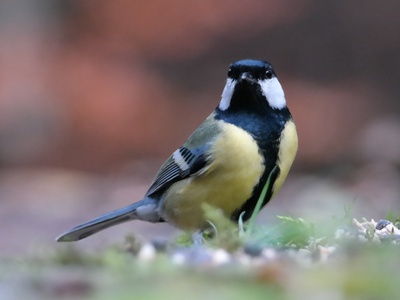
| Great Tit | Parus major | 14 | Woodlands, parks and gardens; listen for its two-note “teacher-teacher” song. |
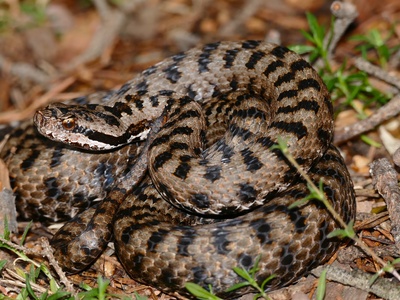
| Asp Viper | Vipera aspis | 65 | Sunny, rocky slopes and woodland edges; venomous but avoids humans. |
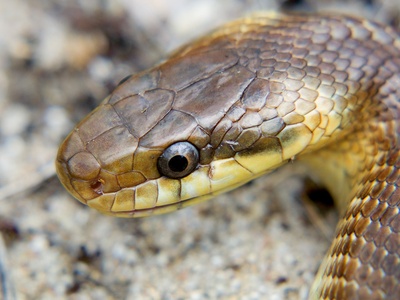
| Aesculapian Snake | Zamenis longissimus | 150 | Forest edges, scrubland, and old stone walls; a large, gentle climber. |
| Western Whip Snake | Hierophis viridiflavus | 130 | Open, sunny habitats with cover like scrub and stone walls. |
| Common Wall Lizard | Podarcis muralis | 18 | Extremely common on stone walls, rocks, and buildings everywhere. |
| European Green Lizard | Lacerta bilineata | 35 | Sun-exposed bushy areas, meadows, and road embankments. |
| Slow Worm | Anguis fragilis | 45 | Under logs, stones, and in compost heaps in gardens and woodlands. |
| Fire Salamander | Salamandra salamandra | 20 | Damp, shady broadleaf forests near clean streams, often seen after rain. |
| Common Toad | Bufo bufo | 10 | Near ponds, ditches, and damp areas, especially during spring breeding. |
| Italian Tree Frog | Hyla intermedia | 4.5 | Vegetation near ponds, wetlands, and other still water bodies. |
| Swallowtail | Papilio machaon | 8 | Flowering meadows and gardens, particularly with fennel or wild carrot. |
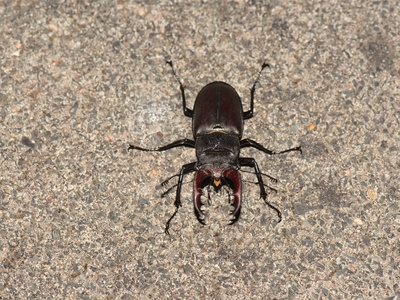
| Stag Beetle | Lucanus cervus | 6 | Old oak woodlands; males have huge mandibles resembling a stag’s antlers. |
| Rosalia Longicorn | Rosalia alpina | 3 | Mature beech forests, like those found on Monte Titano. |
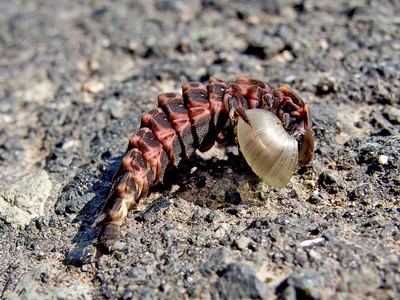
| Common Glow-worm | Lampyris noctiluca | 2 | Grassy banks and woodland edges on warm summer nights. |
Images and Descriptions
Roe Deer
A graceful and shy deer, often seen browsing in small groups. Unlike other deer, their young, called fawns, are often left hidden alone in tall grass for hours while the mother feeds nearby. Their population is stable.
Red Fox
Highly adaptable and clever, the red fox is San Marino’s top predator. They have incredible hearing, capable of detecting a mouse digging underground. They have successfully adapted to living close to human settlements.

Wild Boar
These powerful animals are the ancestors of domestic pigs and travel in family groups called sounders. While they can cause damage to farmland, they are a crucial native species that helps turn over the forest soil.
European Badger
A heavyset member of the weasel family, badgers are nocturnal and live in complex social groups. They are meticulous housekeepers, constantly cleaning their setts and refusing to soil them. Their populations are generally secure.
Pine Marten
An agile, cat-sized hunter that lives in trees. Pine martens were once heavily hunted for their fur but are now protected. Seeing one is a sign of a healthy, mature forest ecosystem.
Weasel
The smallest carnivore in the world, the weasel is a fierce and relentless hunter of mice and voles. Its slender body allows it to follow prey directly into their burrows. It is a vital part of the rural ecosystem.

Hedgehog
A familiar nocturnal animal famous for its coat of sharp spines, which it uses for defense. Hedgehogs can travel over a mile each night foraging for insects, slugs, and worms. Be mindful of them on roads at night.
Edible Dormouse
This large, squirrel-like dormouse was considered a delicacy by the ancient Romans. It hibernates for up to seven months a year, making it one of the longest hibernators. Its presence indicates a healthy, older forest.
Common Pipistrelle
One of Europe’s smallest and most common bats, a single pipistrelle can eat up to 3,000 insects in one night. They use echolocation to navigate and hunt in complete darkness, a truly remarkable natural sonar system.
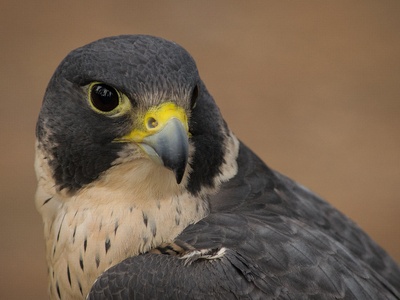
Peregrine Falcon
The fastest animal on the planet, capable of diving at speeds over 320 km/h to catch other birds in mid-air. The cliffs of San Marino provide ideal nesting sites for this spectacular and protected bird of prey.
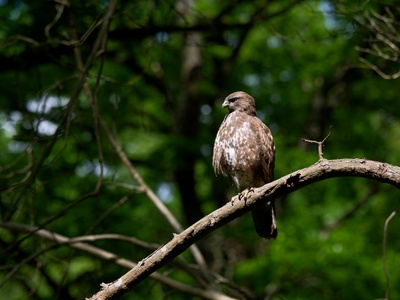
Common Buzzard
San Marino’s most common large bird of prey, often identified by its broad wings and mewing call. It is an opportunistic hunter, feeding on everything from rabbits to insects and carrion, making it a key part of the food web.

Eurasian Kestrel
This small falcon is famous for its ability to hover in one spot, head held perfectly still, as it scans the ground for prey. It has adapted well to human landscapes and is a common sight in open areas.

Tawny Owl
This is the classic storybook owl, with a stout body and dark eyes. The famous call is actually a duet between a male (twit) and a female (twoo). They are highly territorial and mate for life.
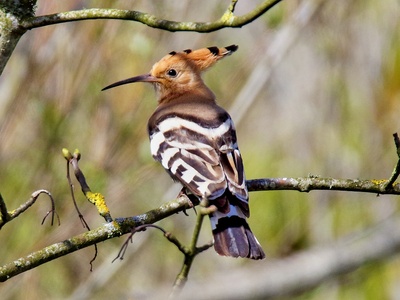
Hoopoe
An unmistakable summer visitor with a stunning crown-like crest that it can raise and lower. Its name is an onomatopoeia, derived from its soft “oop-oop-oop” call. It nests in holes in trees or walls.

Italian Sparrow
A species unique to Italy and surrounding areas, its plumage is intermediate between the House Sparrow and Spanish Sparrow. Though common, their populations have seen declines, highlighting the need for urban biodiversity.
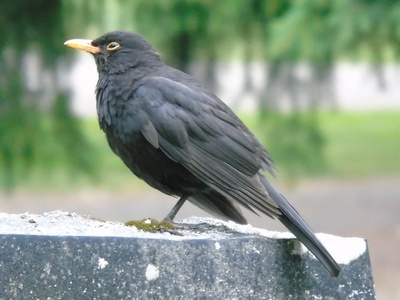
Common Blackbird
Renowned for its beautiful, melodic song, often heard at dawn and dusk. The blackbird is one of San Marino’s most common and beloved birds, frequently seen hopping across lawns searching for earthworms.

European Robin
Despite its cute appearance, the robin is fiercely territorial and will aggressively defend its patch. Its red breast is not for attracting mates but for warning off rivals. They are famously unafraid of people.
Eurasian Jay
A colourful and intelligent member of the crow family. Jays are famous for burying acorns in the autumn to eat during winter, and since they forget many, they are crucial for planting new oak trees.
Great Tit
A smart and adaptable little bird, easily recognized by its black head and bright yellow belly. Great tits have been observed using tools, such as pine needles, to extract grubs from holes.
Asp Viper
San Marino’s only native venomous snake, recognized by its slightly upturned snout. It is crucial for controlling rodent populations. Despite its reputation, it is shy and will only bite if provoked or cornered.
Aesculapian Snake
A large but harmless and non-venomous snake, named after the Greek god of medicine. It is the species featured on the Rod of Asclepius, the symbol of medicine. It’s a powerful constrictor that feeds on rodents.
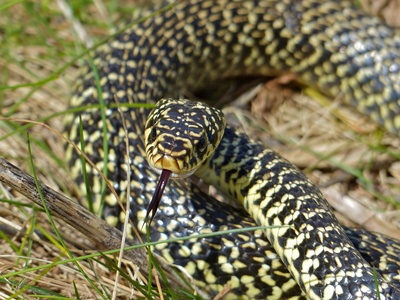
Western Whip Snake
A fast, active, and alert snake often seen basking in the sun. It is a non-venomous but feisty hunter that preys on lizards, rodents, and even other snakes. Its presence indicates a healthy reptile population.
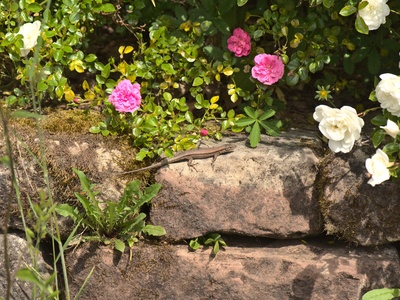
Common Wall Lizard
The quintessential lizard of San Marino, seen basking on almost any sunny day. They can shed their tail to escape from predators, which then slowly and imperfectly regrows over time.
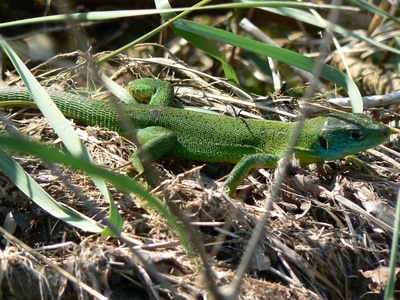
European Green Lizard
A large, stunning lizard, with breeding males sporting a vibrant green body and a brilliant blue throat. It’s a spectacular sight, but they are wary and will dash for cover if approached too closely.
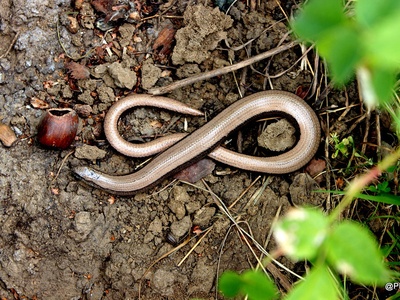
Slow Worm
Often mistaken for a snake, this is a legless lizard. You can tell the difference because, unlike snakes, slow worms have eyelids and can blink. They are completely harmless and are a gardener’s friend, eating slugs and snails.
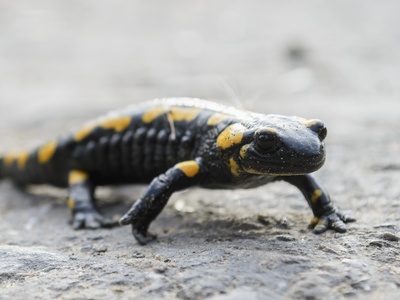
Fire Salamander
An amphibian with a striking pattern of black and yellow, which warns predators that its skin is toxic. According to legend, these creatures were born from fire, as they would emerge from logs placed on a fire.
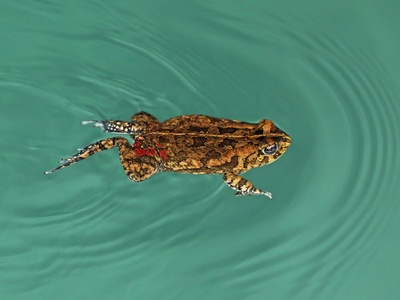
Common Toad
A familiar amphibian with warty skin that secretes a mild toxin for defense. Toads undertake impressive migrations back to their ancestral breeding ponds each spring, often crossing dangerous roads in the process.
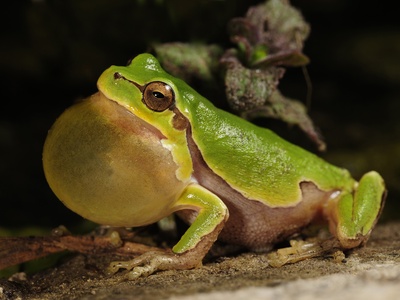
Italian Tree Frog
A small, bright green frog that is an expert climber thanks to adhesive discs on its toes. On spring and summer nights, the males produce a surprisingly loud and rapid chorus of calls to attract females.
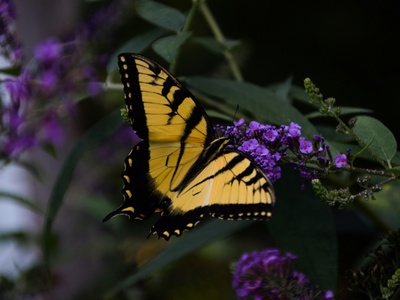
Swallowtail
One of Europe’s most beautiful and spectacular butterflies. It gets its name from the long extensions on its hindwings. Its large, green-and-black striped caterpillar is just as striking as the adult butterfly.
Stag Beetle
Europe’s largest beetle, and a truly impressive sight. The males use their “antlers” to wrestle with other males over territory. Their larvae depend on decaying wood, making them a key indicator of healthy, old-growth forests.

Rosalia Longicorn
A stunning and rare longhorn beetle with a beautiful blue-grey body and black spots. It is a protected species in Europe as its survival is tied to the presence of old and dead beech trees, a declining habitat.
Common Glow-worm
A type of beetle famous for its bioluminescence. The wingless females emit a steady green light from their abdomen to attract the flying males. Seeing them glow is a truly magical experience.