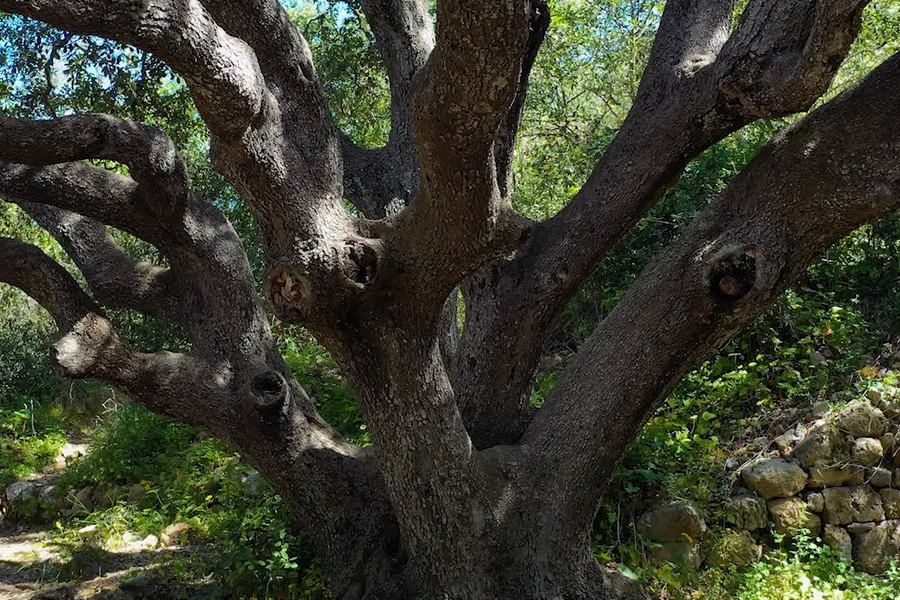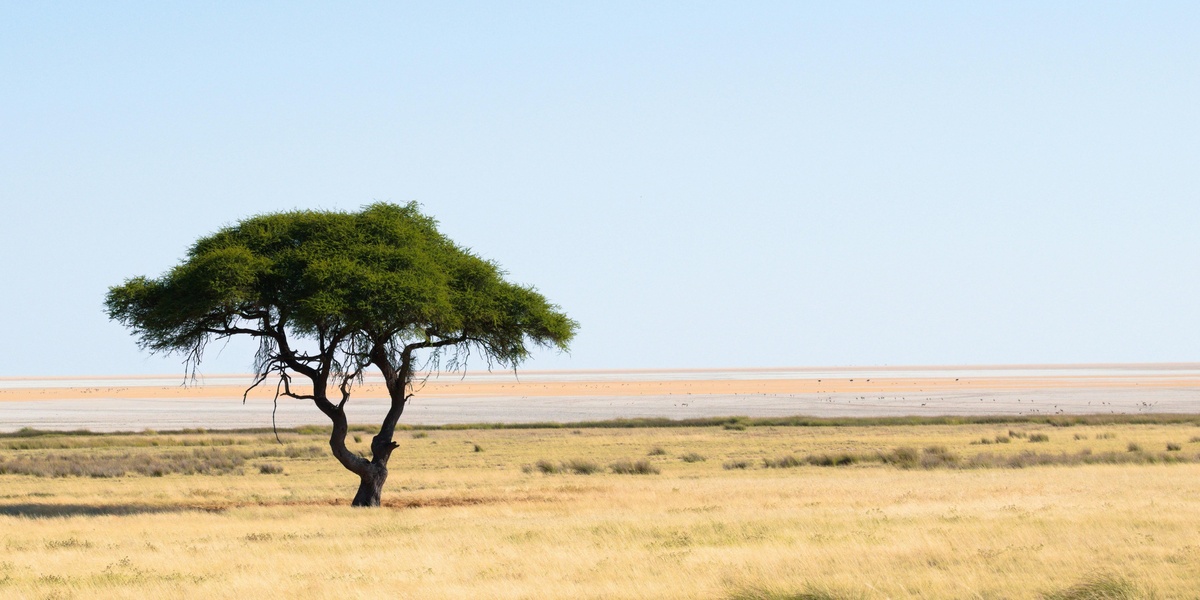
Savannas are open landscapes where grasses, scattered trees and shrubs interact with seasonal rainfall and fire regimes to shape habitats for wildlife and people. Knowing which plants dominate different savanna types helps with identification, land management and restoration planning.
There are 34 Savanna Plants, ranging from African birch to Winter thorn (Ana tree). Each entry is organized as Scientific name,Typical range,Height (m),Key traits so you can scan distinguishing features quickly — you’ll find below.
How can I identify common savanna plants in the field?
Look for a combination of growth form (grass, shrub, tree), leaf shape and size, bark or thorn presence, typical height, and flowering or fruiting traits. Use the Typical range and Height (m) columns to narrow candidates by location and size, then confirm with Key traits like leaf arrangement or seed pods.
Which species are best to consider for drought-prone savanna restoration?
Prioritize native trees and shrubs with deep roots, small or waxy leaves, or nitrogen-fixing ability; these traits improve survival in dry spells. Check the Typical range and Key traits columns for drought tolerance or soil preferences, and choose locally adapted species to support resilience and biodiversity.
Savanna Plants
| Name | Scientific name | Typical range | Height (m) | Key traits |
|---|---|---|---|---|
| Umbrella thorn acacia | Vachellia tortilis | Africa, Middle East; Kenya, Tanzania, Sudan | 5-12 | Flat crown, drought and fire-tolerant, thorny, browse |
| Whistling thorn | Vachellia drepanolobium | East Africa; Kenya, Tanzania, Ethiopia | 1.5-4 | Paired thorns, ant mutualism, coppices after fire |
| Blackthorn acacia | Senegalia mellifera | Africa, Arabian Peninsula; Sahel to southern Africa | 2-6 | Spiny shrub, drought-hardy, nitrogen-fixing |
| Gum arabic tree | Senegalia senegal | West Africa Sahel; Sudan, Senegal, Mauritania | 4-8 | Drought-tolerant, gum-producing, nitrogen-fixing |
| Winter thorn (Ana tree) | Faidherbia albida | Sub-Saharan Africa; Sahel, East and Southern Africa | 10-20 | Phasic leaf drop (reverse phenology), soil-enriching, deep-rooted |
| Baobab | Adansonia digitata | Sub-Saharan Africa; Sahel, southern Africa | 5-25 | Massive trunk, water-storing, fire-resistant bark |
| Marula | Sclerocarya birrea | Sub-Saharan Africa; South Africa, Botswana, Zimbabwe | 8-18 | Drought-resistant, fruit-bearing, resprouts after fire |
| Mopane | Colophospermum mopane | Southern Africa; Namibia, Botswana, Zimbabwe, Mozambique | 4-12 | Hardwood, coppicing, termite-tolerant |
| Leadwood | Combretum imberbe | Southern Africa; Namibia, Botswana, Zimbabwe | 6-18 | Extremely dense wood, fire-resistant bark, slow-growing |
| Silver cluster-leaf | Terminalia sericea | Southern Africa; South Africa, Zimbabwe, Botswana | 3-8 | Silvery foliage, resprouts after fire, colonizer |
| Sausage tree | Kigelia africana | Sub-Saharan Africa; riverine and open savannas | 8-15 | Large hanging fruits, fire-tolerant bole, medicinal uses |
| Desert date | Balanites aegyptiaca | Sahel to East Africa, Middle East | 3-10 | Spiny shrub/tree, drought-adapted, edible fruit |
| Doum palm | Hyphaene petersiana | Southern and East Africa savannas | 5-12 | Fan leaves, multi-stemmed, water-storing stem |
| Red grass (Kangaroo grass) | Themeda triandra | Africa, Asia, Australia; widespread savannas | 0.3-1.2 | Tussock-forming, fire-adapted, forage value |
| Big bluestem | Andropogon gerardii | North American tallgrass prairie and savannas; USA, Canada | 1.5-3.0 | Tussock grass, deep roots, fire-adapted |
| Little bluestem | Schizachyrium scoparium | North America; prairies and oak savannas | 0.3-1.2 | Clumping, drought-tolerant, winter ornamental interest |
| Guinea grass | Megathyrsus maximus | Native Africa; widely in tropical savannas worldwide | 0.8-2.0 | Tall bunching grass, good forage, drought-tolerant |
| Buffel grass | Cenchrus ciliaris | Africa, Asia native; widely naturalized in savannas | 0.3-1.0 | Drought-hardy, invasive potential, tussock-forming |
| Sandpaper tree | Curatella americana | Neotropical savannas; Brazil (cerrado), Venezuela, Guyana | 4-10 | Rough leaves, drought-tolerant, pioneer species |
| Pequi | Caryocar brasiliense | Brazilian cerrado; central Brazil states | 3-10 | Thorny branches, oily edible fruit, fire-adapted |
| Nance | Byrsonima crassifolia | Neotropics; savannas and pastures of Central and South America | 3-8 | Edible fruit, drought-tolerant shrub, nectar source |
| Cerrado pau-terra | Qualea grandiflora | Brazilian cerrado; central Brazil | 5-10 | Hardy bark, fire-resistant, small tree |
| Bur oak | Quercus macrocarpa | North America; Midwest savannas and plains, Canada | 9-20 | Thick bark, fire-tolerant, deep root system |
| Post oak | Quercus stellata | Eastern and central US; oak savannas and dry sites | 10-20 | Drought and fire-tolerant, slow-growing, thick leaves |
| Rattlesnake master | Eryngium yuccifolium | Midwestern North America savannas and prairies | 0.6-1.2 | Spiky inflorescences, pollinator-friendly, drought-tolerant forb |
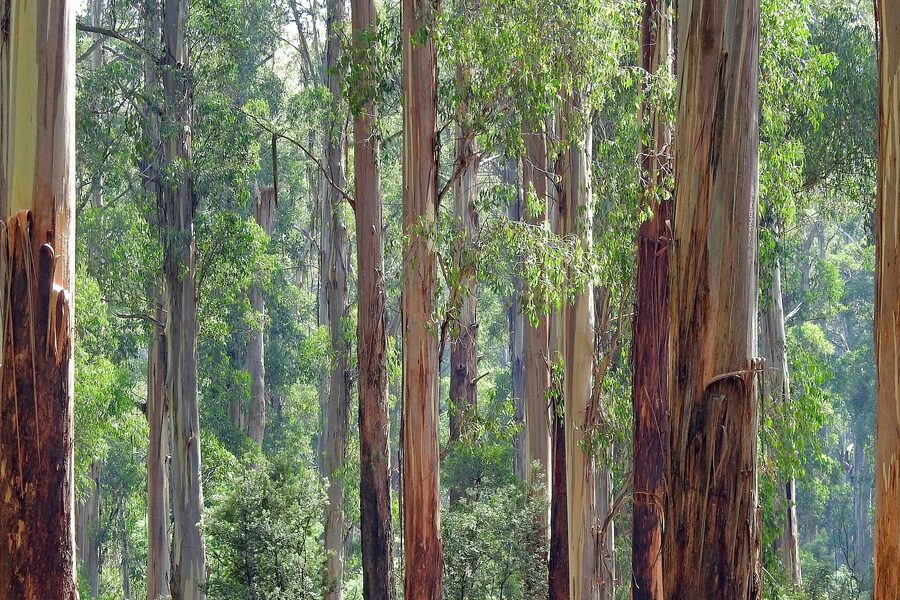
| Darwin stringybark | Eucalyptus tetrodonta | Northern Australia tropical savannas | 6-20 | Stringy bark, fire-adapted, canopy tree |
| Bloodwood | Corymbia terminalis | Northern and central Australia savannas | 4-15 | Lanceolate leaves, rough trunk, resprouts after fire |
| Wild sorghum | Sorghum arundinaceum | African savannas; widespread in tropics | 0.5-3.0 | Tall annual/perennial, drought-adapted, wildlife forage |
| Gamba grass | Andropogon gayanus | Native African savannas; widely naturalized in tropics | 1.0-3.0 | Tall tussock grass, fire-promoting, pasture grass |
| Thatching grass | Hyparrhenia hirta | Africa, Mediterranean, parts of Asia; dry savannas | 0.4-1.2 | Tussock-forming, drought-tolerant, used for thatch |
| Babul | Vachellia nilotica | Africa, South Asia; Sahel and savannas | 5-15 | Thorny, fire-resprouting, pod forage and tannin source |
| Camel’s foot | Piliostigma reticulatum | West and Sahelian Africa savannas | 3-8 | Compound leaves, resprouts after fire, medicinal uses |
| African birch | Anogeissus leiocarpa | West to Central African savannas and woodlands | 7-20 | Deciduous, fire-resilient, soil-binding roots |
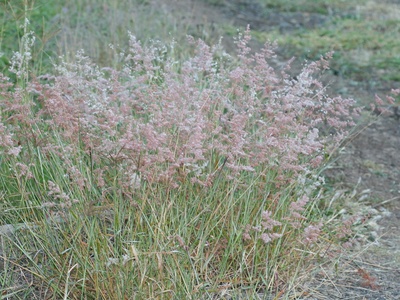
| Red natal grass | Melinis repens | Native Africa; naturalized in tropical savannas globally | 0.3-1.0 | Fluffy inflorescences, fire-adapted, invasive tendencies |
Images and Descriptions
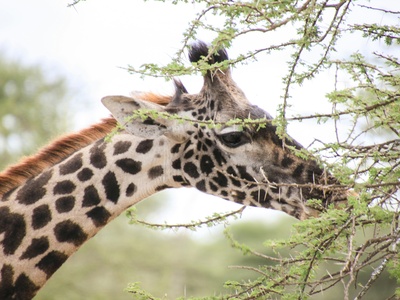
Umbrella thorn acacia
Iconic umbrella-shaped tree with a broad, flat crown and small pinnate leaves. Tolerates seasonal drought and fire, provides shade and browse for wildlife and livestock; pods are eaten by animals and people in dry regions.
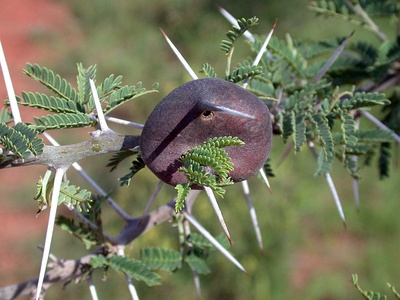
Whistling thorn
Multi-stemmed shrub or small tree known for swollen thorns that house ants. Dominates parts of East African savanna, tolerates grazing and fire, and creates microhabitats that influence herbivore distribution and predator visibility.
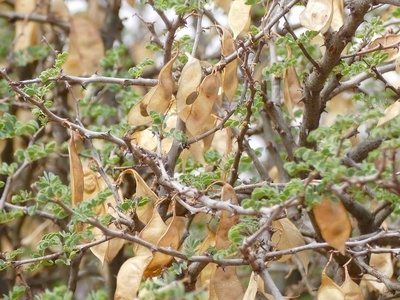
Blackthorn acacia
Dense, thorny shrub common in arid savannas and rangelands. Fixes nitrogen, resprouts after fire, provides fuelwood and livestock browse but can form impenetrable thickets when overgrazed.
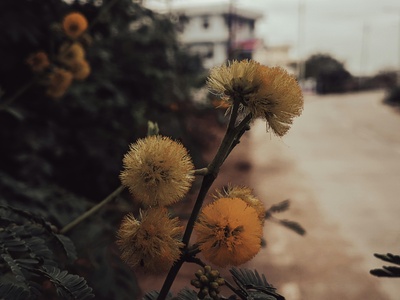
Gum arabic tree
Small, thorny tree of dry savannas famous for producing gum arabic. Deep-rooted and fire-resistant, it supports pastoral livelihoods and stabilizes soils in semi-arid landscapes.
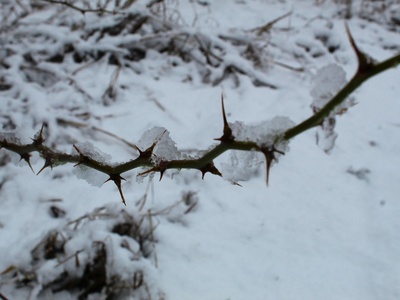
Winter thorn (Ana tree)
Deciduous tree that drops leaves in rainy season, improving soil fertility under its canopy. Favoured in agro-silvopastoral systems, provides fodder, shade and resilience in seasonally dry savannas.
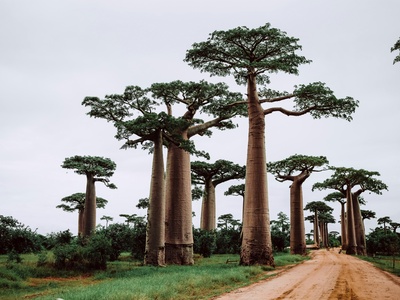
Baobab
Huge, bottle-shaped trunked tree storing water in fibrous tissue. Stands out on open savanna, produces edible fruit and leaves used locally; culturally important and adapted to long dry seasons and occasional fires.

Marula
Medium tree with rounded crown and glossy leaves; produces sweet, oily fruit prized by people and wildlife. Useful for traditional beers, oils, and wildlife forage in dry savannas.

Mopane
Multi-stemmed tree or shrub forming dense stands on hot lowveld savannas. Durable timber, leaves are a key food for mopane worms, and it copes well with seasonal drought and fire.
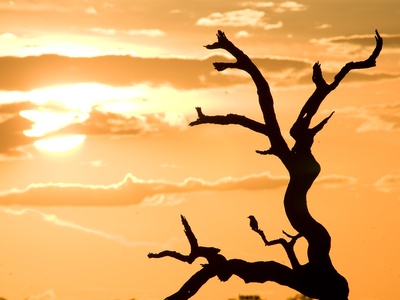
Leadwood
Large, long-lived tree with heavy, hard timber and deep roots. Common in southern African savannas, provides durable fuelwood and habitat for birds; survives drought and occasional fires.
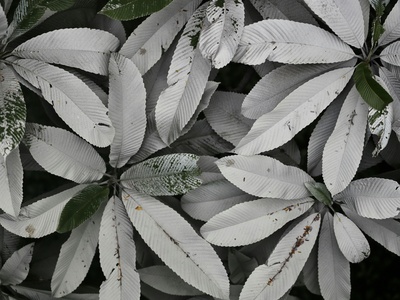
Silver cluster-leaf
Small tree or shrub with silvery leaves that thrives on poor soils. A pioneer species in disturbed savanna, tolerates drought and fire, used in traditional medicine and for poles.
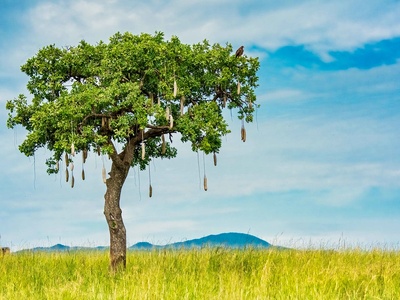
Sausage tree
Striking tree with deeply furrowed trunk and massive sausage-shaped fruit. Flowers attract bats and pollinators; fruit and bark used in traditional remedies; commonly found along savanna watercourses and open woodlands.
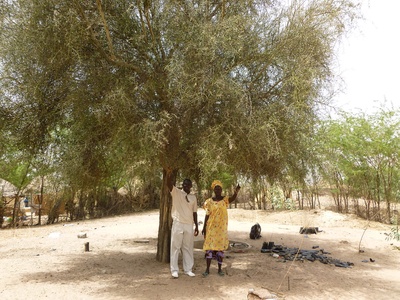
Desert date
Tough, spiny tree tolerant of harsh, dry savannas. Produces nutritious oily fruit and seeds processed for food and oil; deep roots and thick bark confer drought and fire resilience.
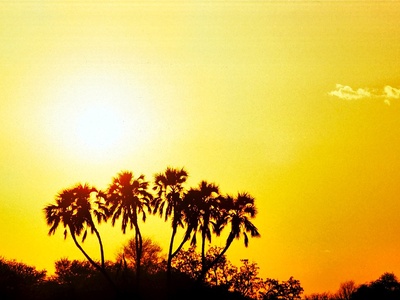
Doum palm
Palm with branching trunks and fan-shaped leaves found in drier savanna wetlands and dunes. Edible fruit and fibers used locally; survives seasonal dryness and occasional fires by resprouting.
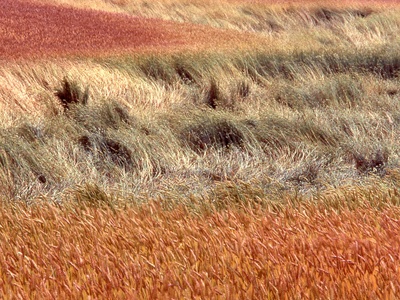
Red grass (Kangaroo grass)
Clump-forming perennial grass with reddish flowering heads; common in diverse savannas and grasslands. Regenerates after fire, valuable forage for livestock and wildlife, and important in soil stabilization.
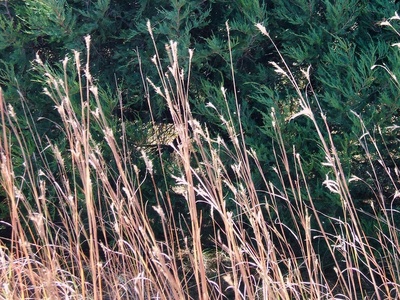
Big bluestem
Dominant tallgrass forming big clumps with characteristic three-pronged seedheads. Deep-rooted and fire-resilient, it builds soil organic matter and fuels traditional grazing systems in oak-prairie mosaics.
Little bluestem
Fine-textured, warm-season grass with blue-green summer foliage turning copper in fall. Widely present in prairies and oak savannas, supports pollinators and small fauna and tolerates fire and grazing.
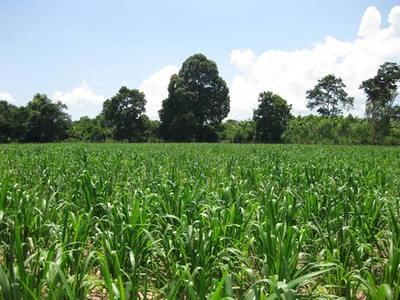
Guinea grass
Robust perennial grass forming dense tussocks in tropical savannas. Valued as pasture grass for livestock; tolerates seasonality and recovers after fire, though can become dominant if unmanaged.
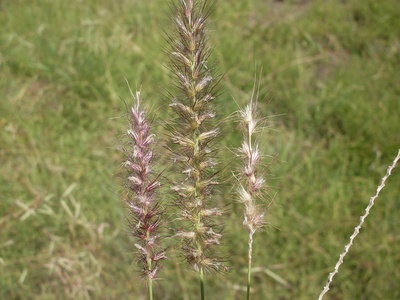
Buffel grass
Short to medium tufted grass widely used for pasture and erosion control. Extremely drought-tolerant and fire-prone landscapes favor it; can outcompete native species where introduced.
Sandpaper tree
Small, gnarled tree with very rough leaves that gives the cerrado its common name in places. Tolerant of poor soils and fire; provides shade and habitat in open South American savannas.
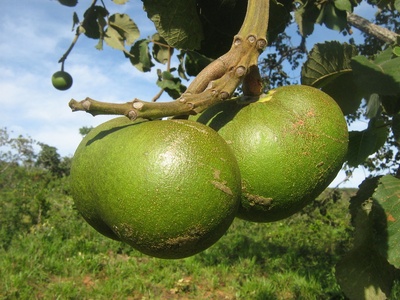
Pequi
Medium tree producing large, aromatic fruits with oily pulp important in local cuisine. Adapted to seasonal fires and drought, common across central Brazilian savannas and culturally significant.
Nance
Open-canopied shrub or small tree with yellow fruit eaten fresh or processed. Flowers attract pollinators; typical of seasonally dry savannas and used locally for food and traditional medicine.
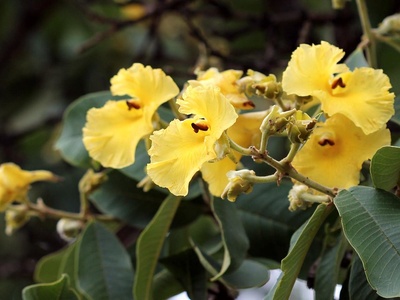
Cerrado pau-terra
Common cerrado tree with rough bark and white flowers. Resprouts after fire and survives seasonal drought; wood used locally and often scattered across grassy savanna landscapes.
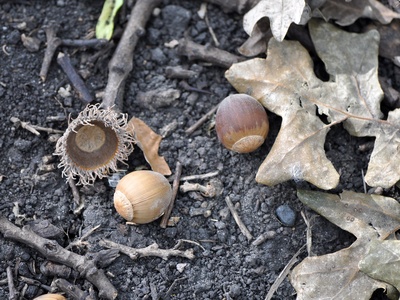
Bur oak
Massive, rugged oak with deeply lobed leaves and corky bark that provides fire resistance. Key canopy tree of oak savannas, tolerant of drought and grazing with high wildlife value.
Post oak
Stout oak with blocky bark and leathery leaves adapted to dry, open sites. A classic component of North American oak savannas, it survives frequent fires and supports diverse understory.
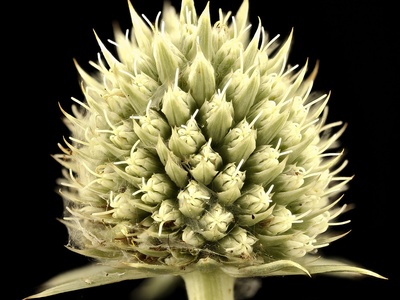
Rattlesnake master
Striking, yucca-like perennial forb with spherical white flower heads that attract bees and butterflies. Well adapted to dry, open savannas and a traditional prairie indicator species.
Darwin stringybark
Common eucalypt of northern Australian savannas with fibrous bark and broad crown. Tolerates fire through thick bark and epicormic resprouting; provides shade and habitat in open eucalypt-grass woodlands.
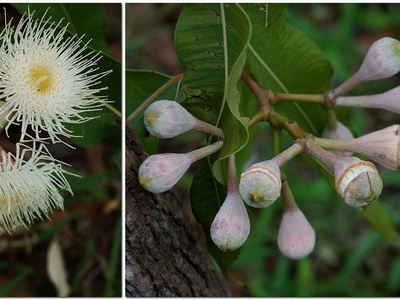
Bloodwood
Medium tree with tessellated bark and red kino. Widespread across Australian savannas, it recovers after fires and supplies nectar for birds and insects; traditional uses include medicine and tools.
Wild sorghum
Wild ancestor of cultivated sorghum, this grass grows in savanna margins, tolerates drought, and provides seed and forage for animals. Often co-occurs with grazing and fire regimes.
Gamba grass
Very tall perennial grass forming dense tussocks in tropical savannas. Native to Africa but invasive where introduced. In its native range it fuels seasonal grazing and regenerates after fire.
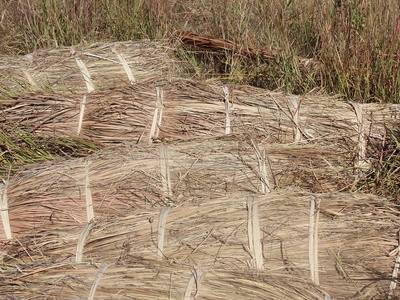
Thatching grass
Coarse tussock grass common on degraded or open savanna soils. Drought-resistant and often used for thatching and fodder; readily regenerates after fire and grazing.
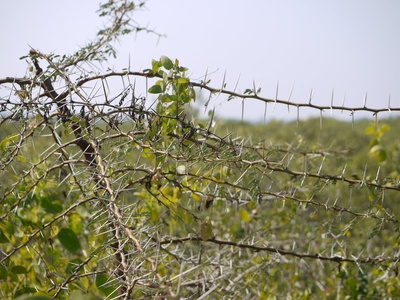
Babul
Spiny tree with dense crown and pod-bearing habit important for fodder, tannin extraction and wood. Tolerant of dry conditions and frequent fires, commonly scattered across savanna landscapes.
Camel’s foot
Open-crowned tree found across Sahelian savannas; tolerates drought and recovers after fire. Leaves and bark are used in traditional medicines and it provides seasonal shade and browse.
African birch
Medium to large tree with grey bark and papery leaves common in savanna mosaics. Deep roots help stabilize soils, and wood and tannins are used locally; tolerates seasonal fires.
Red natal grass
Elegant tufted grass with pinkish plumes in season. Present in warm savannas, regenerates after fire and grazing; valued for erosion control but can spread aggressively outside its native range.