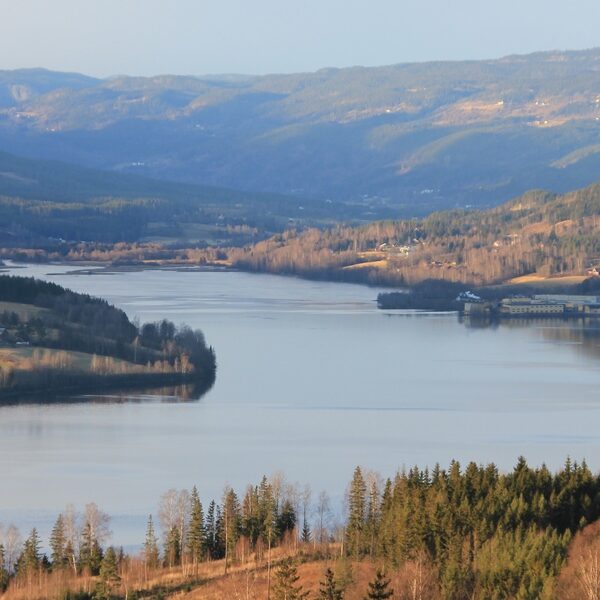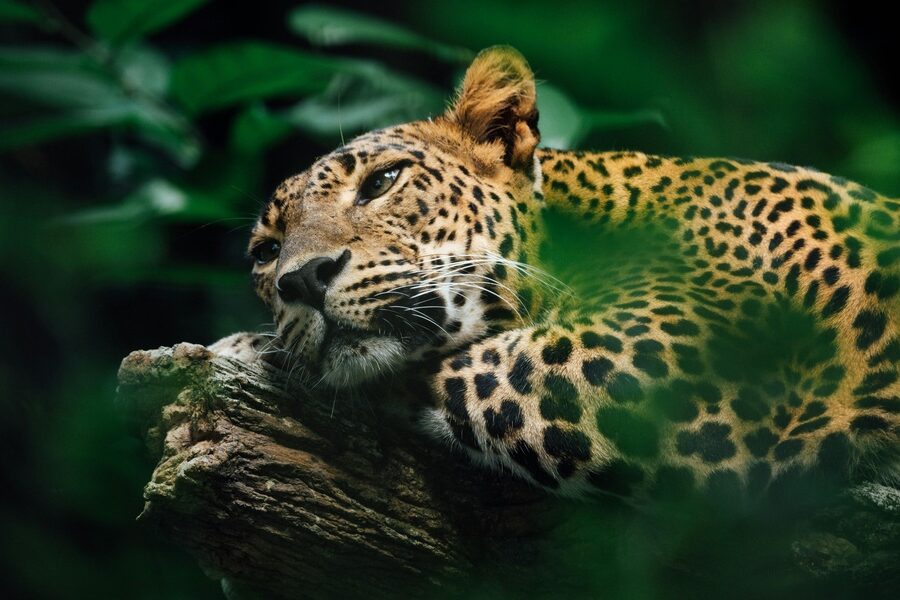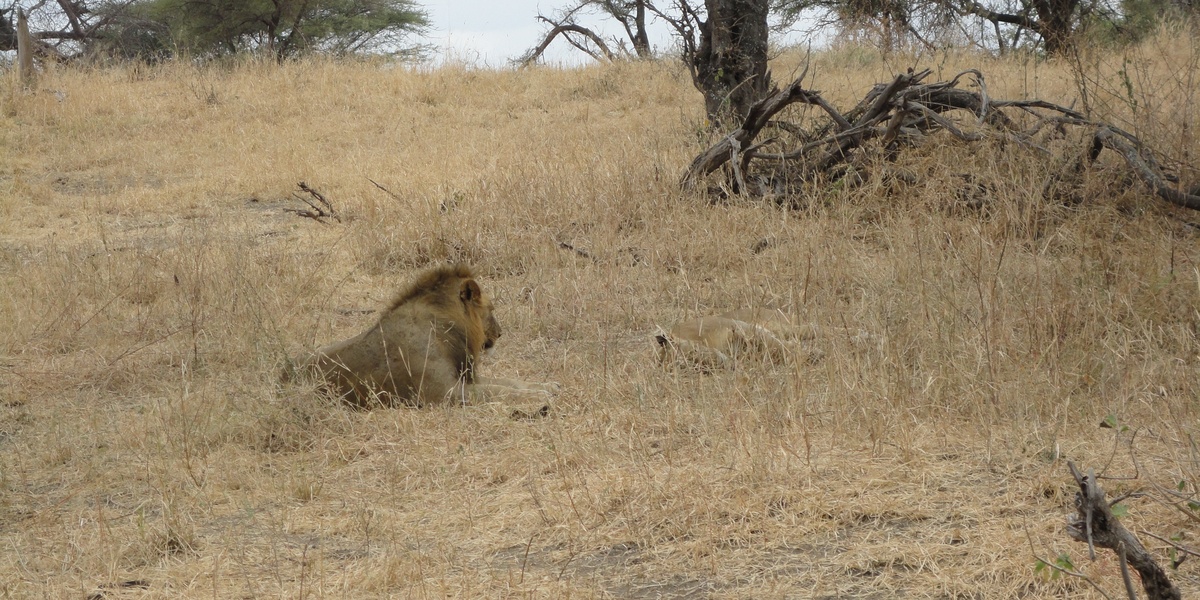
The savanna is a patchwork of grasses, shrubs and scattered trees where rainfall and fire shape who lives where. Predators here use stealth, speed and social tactics to exploit seasonal herds and the smaller animals that thrive between grasses.
There are 56 Savanna Predators, ranging from Aardwolf to Yellow mongoose. For each species the data are organized by Scientific name, Range, Typical prey and hunting method — you’ll find those details below.
How can I tell similar savanna predators apart in the field?
Look for a combination of size, silhouette, coat pattern, gait and behavior: nocturnal versus diurnal activity, preferred habitat (open grass vs. bush), common prey and distinctive calls. Tracks, scat and recent kill remains are also reliable clues; carry a compact field guide or use a camera to compare later.
Do all savanna predators eat the same prey or hunt the same way?
No — diets and tactics vary widely: large predators often take bigger ungulates using ambush or cooperative hunts, while smaller carnivores focus on insects, rodents or birds and use solitary stalking or digging. The list below highlights these differences so you can see who eats and hunts what where.
Savanna Predators
| Name | Scientific name | Range | Typical prey and hunting method |
|---|---|---|---|
| Lion | Panthera leo | Sub-Saharan African savannas | Large ungulates; group stalk-and-ambush hunts |
| Leopard | Panthera pardus | Sub-Saharan Africa, Asian savanna mosaics | Medium ungulates, primates; solitary stalk-and-ambush |
| Cheetah | Acinonyx jubatus | East and Southern African savannas | Small–medium ungulates; high-speed sprint chases |
| African wild dog | Lycaon pictus | Sub-Saharan African savannas | Medium ungulates; endurance pack coursing |
| Spotted hyena | Crocuta crocuta | Widespread African savannas | Ungulates and carrion; stamina hunting and group chase |
| Brown hyena | Hyaena brunnea | Southern African savannas and arid zones | Small mammals, carrion; nocturnal scavenging and hunting |
| Black-backed jackal | Lupulella mesomelas | Southern and Eastern African savannas | Small mammals, birds; opportunistic stalk-and-pounce |
| Side-striped jackal | Lupulella adusta | Central and East African savannas | Small mammals, birds; nocturnal forager and hunter |
| Golden jackal | Canis aureus | South Asian and Middle Eastern savannas | Small mammals, birds; opportunistic hunter and scavenger |
| African golden wolf | Canis lupaster | North and Northeastern African savannas | Small mammals, birds; solitary/paired hunter |
| Caracal | Caracal caracal | African and Asian savannas and scrub | Small ungulates, birds; ambush and vertical leaps |
| Serval | Leptailurus serval | Sub-Saharan African grasslands and wetlands | Rodents, birds; pounce-and-leap hunting with long legs |
| African wildcat | Felis lybica | African savannas and scrub | Small mammals, birds; solitary stalker |
| Bat-eared fox | Otocyon megalotis | Southern African grasslands and savannas | Insects (termites); ear-guided foraging and digging |
| Aardwolf | Proteles cristata | Southern and Eastern African savannas | Termites and insects; nocturnal specialized foraging |
| Meerkat | Suricata suricatta | Kalahari and southern African savannas | Invertebrates, small vertebrates; cooperative foraging and mobbing |
| Banded mongoose | Mungos mungo | Sub-Saharan savannas and woodlands | Insects, small vertebrates; group foraging and cooperative raids |
| Yellow mongoose | Cynictis penicillata | Southern African open grasslands | Invertebrates, rodents; burrowing ambushes |
| Slender mongoose | Galerella sanguinea | African savannas and woodlands | Small mammals, birds; agile ground hunter |
| Honey badger | Mellivora capensis | African savannas and drylands | Small mammals, reptiles; fearless predator and digging |
| African civet | Civettictis civetta | Wooded savannas across Africa | Small vertebrates, invertebrates; nocturnal foraging and pouncing |
| Common genet | Genetta genetta | African savannas and scrublands | Rodents, birds; nocturnal arboreal hunting |
| Nile crocodile | Crocodylus niloticus | Rivers and pans in African savannas | Ungulates, fish; ambush at water margins |
| African rock python | Python sebae | Sub-Saharan savanna woodlands | Ungulates, primates; ambush constriction at waterholes |
| Black mamba | Dendroaspis polylepis | Eastern and Southern African savannas | Small mammals, birds; active pursuit, highly venomous |
| Puff adder | Bitis arietans | Widespread African savannas | Rodents, birds; ambush envenomation |
| Boomslang | Dispholidus typus | Sub-Saharan savanna trees and shrubs | Birds, reptiles; arboreal strike-and-envenom |
| Nile monitor | Varanus niloticus | Wetlands and savannas across Africa | Fish, birds, small mammals; active pursuit and scavenging |
| Jaguar | Panthera onca | South American llanos and cerrado savannas | Capybara, deer; ambush and strong bite to skull |
| Puma | Puma concolor | South/Central American savannas and grasslands | Deer, smaller mammals; stalking and pounce ambush |
| Maned wolf | Chrysocyon brachyurus | Brazilian Cerrado savannas | Rodents, fruits and insects; cursorial solitary hunter |
| Ocelot | Leopardus pardalis | South American savanna edges and woodlands | Small mammals, birds; nocturnal stalk-and-pounce |
| Crested caracara | Caracara cheriway | Llanos and open savannas of Americas | Small vertebrates, carrion; walks to hunt and soars |
| Green anaconda | Eunectes murinus | Seasonal wetlands in South American savannas | Fish, mammals; ambush constriction in water |
| Dingo | Canis familiaris (dingo) | Australian savannas and grasslands | Wallabies, small mammals; pack or solitary hunts |
| Wedge-tailed eagle | Aquila audax | Australian open woodlands and savannas | Medium mammals, birds; soaring stoop and ambush |
| Saltwater crocodile | Crocodylus porosus | Northern Australian rivers in savannas | Ungulates, fish; ambush predator at water margins |
| Perentie | Varanus giganteus | Australian arid and savanna regions | Reptiles, birds, mammals; active foraging and ambush |
| Gould’s monitor (sand goanna) | Varanus gouldii | Australian open habitats and savannas | Small mammals, reptiles; digs and pursues prey |
| Red goshawk | Erythrotriorchis radiatus | Northern Australian savannas and woodlands | Birds, small mammals; fast low-level pursuit |
| Indian wolf | Canis lupus pallipes | Indian dry grasslands and savannas | Deer, small ungulates; cursorial pack or pair hunting |
| Bengal fox | Vulpes bengalensis | Indian grasslands and savanna-like scrub | Rodents, insects; nocturnal stalking and pouncing |
| Striped hyena | Hyaena hyaena | Indian, Middle Eastern and African dry savannas | Small mammals, carrion; nocturnal scavenging and hunting |
| Indian leopard | Panthera pardus fusca | Indian savanna woodlands and grasslands | Ungulates and primates; ambush and tree caching |
| Barn owl | Tyto alba | Global open habitats including savannas | Small mammals; nocturnal aerial hunting by sound |
| Great horned owl | Bubo virginianus | American savannas, pampas and grasslands | Mammals, birds; powerful night ambush predator |
| Secretarybird | Sagittarius serpentarius | Sub-Saharan grassland and savannas | Snakes, insects, small mammals; stomping strikes on foot |
| Martial eagle | Polemaetus bellicosus | Sub-Saharan savannas and open woodlands | Medium ungulates, large birds; powerful aerial stoops |
| Tawny eagle | Aquila rapax | African and Asian savannas | Small mammals, carrion; soaring and stooping |
| Brown snake-eagle | Circaetus cinereus | Sub-Saharan savannas and woodlands | Snakes and reptiles; low perching strike |
| Peregrine falcon | Falco peregrinus | Open habitats including savannas worldwide | Birds mid-air; high-speed stoop attacks |
| Spotted eagle-owl | Bubo africanus | African savannas and woodlands | Rodents, insects; nocturnal perch-and-pounce |
| Red-tailed hawk | Buteo jamaicensis | North American grasslands and savannas | Rodents, birds; perch-and-ambush stoop |
| Swift fox | Vulpes velox | North American prairies and savanna-like grasslands | Small mammals, insects; nocturnal hunting and pouncing |
| Coyote | Canis latrans | North American grasslands and savannas | Rodents, deer fawns; opportunistic stalking and chasing |
| Bobcat | Lynx rufus | North American savannas and woodlands | Rabbits, rodents; solitary ambush predator |
Images and Descriptions
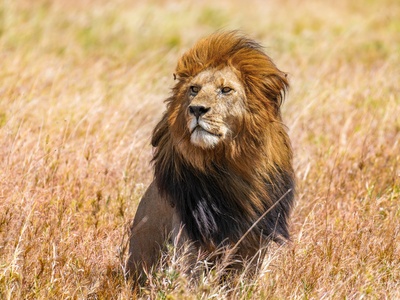
Lion
Africa’s iconic big cat, males to about 190 kg and females smaller; pride cooperation enables hunts of zebra and buffalo. Apex predator known for roaring and social structure. IUCN: Vulnerable.
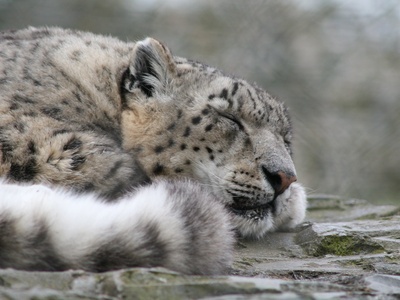
Leopard
Stealthy, adaptable cat up to ~90 kg that hauls kills into trees to avoid scavengers. Extremely secretive and widespread across savanna mosaics. IUCN: Vulnerable.
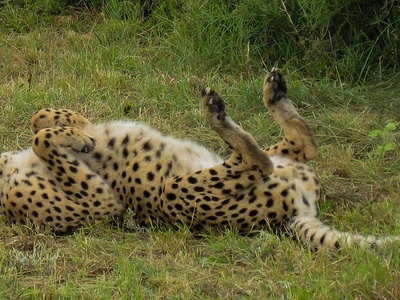
Cheetah
Slim predator built for speed, can reach ~110 km/h in short bursts. Relies on daylight sprint hunts; lighter than other big cats. IUCN: Vulnerable.
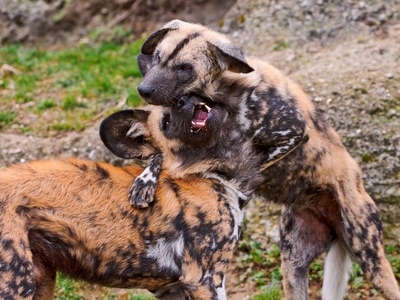
African wild dog
Highly social pack hunter with patterned coat, efficient endurance chasers that take antelope. Packs are cooperative but globally scarce. IUCN: Endangered.

Spotted hyena
Powerful bone-crushing predator, females larger than males, up to ~80 kg. Skilled hunters and scavengers with complex social clans. IUCN: Least Concern.

Brown hyena
Shaggy-coated hyena that scavenges widely but takes small prey, mostly nocturnal. Less social than spotted hyena and regionally uncommon. IUCN: Near Threatened.
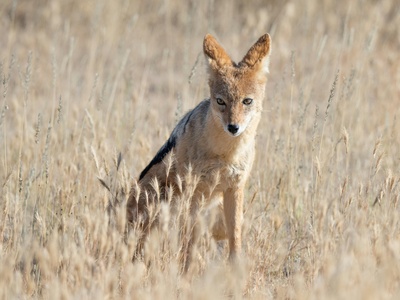
Black-backed jackal
Fox-like canid, common and adaptable, hunts rodents and birds often alone or in pairs. Quick and wary. IUCN: Least Concern.

Side-striped jackal
Shy jackal of woodland-savanna edges, mostly nocturnal and feeds on small vertebrates and invertebrates. IUCN: Least Concern.
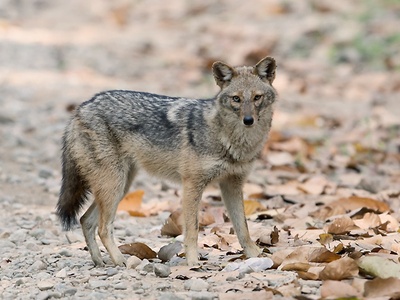
Golden jackal
Versatile canid that thrives in open habitats, opportunistic diet and adaptable to human-altered savannas. IUCN: Least Concern.
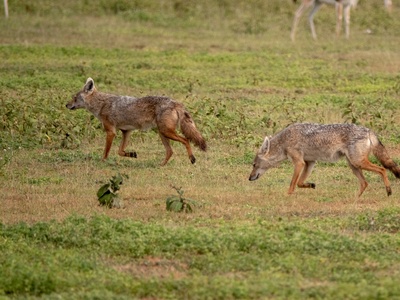
African golden wolf
Recently recognized species similar to jackals, occupies dry grasslands and hunts small vertebrates. Often seen in pairs. IUCN: Least Concern.
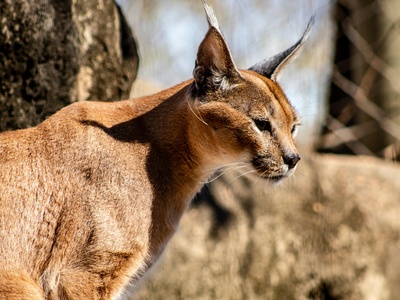
Caracal
Medium-sized cat (7–18 kg) famed for explosive leaps to snatch birds mid-air; elusive and powerful. IUCN: Least Concern.
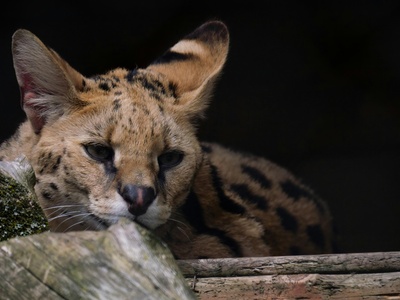
Serval
Slender, long-legged cat specializes in catching rodents and birds with high pounces; small but effective predator. IUCN: Least Concern.
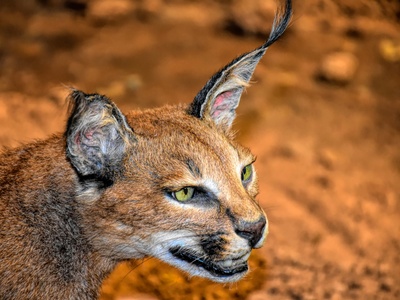
African wildcat
Small ancestral domestic cat, 3–6 kg, nocturnal and secretive; important small-mammal predator in savanna mosaics. IUCN: Least Concern.
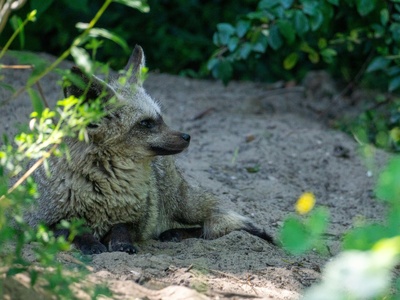
Bat-eared fox
Small fox with enormous ears specialized for detecting termites and insects; diurnal and highly social forager. IUCN: Least Concern.
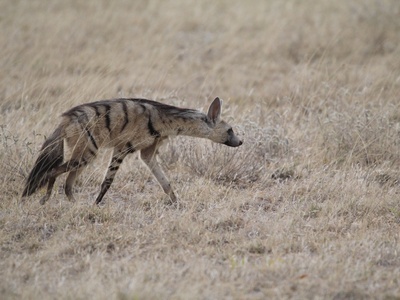
Aardwolf
Small hyena relative that feeds almost exclusively on termites using long tongue; non-destructive to large prey. IUCN: Least Concern.
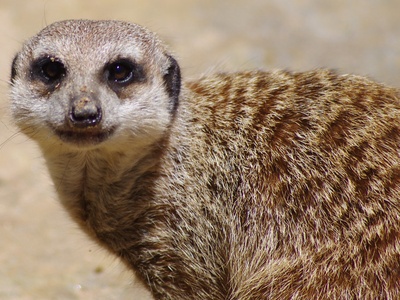
Meerkat
Social mongoose living in large groups, diurnal hunters of insects and small vertebrates; famed for sentinels and cooperative care. IUCN: Least Concern.
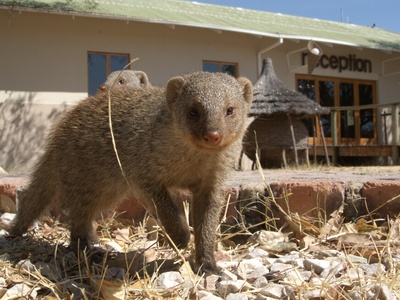
Banded mongoose
Social predator that raids termite mounds and takes small vertebrates; lives in tight-knit groups using teamwork. IUCN: Least Concern.
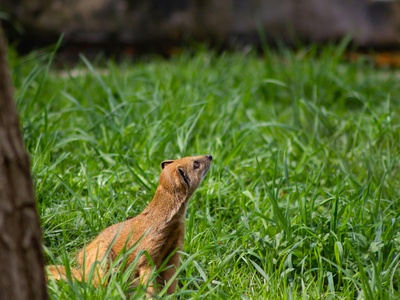
Yellow mongoose
Diurnal burrower often seen on termite mounds; hunts insects and small mammals in open grassland. IUCN: Least Concern.
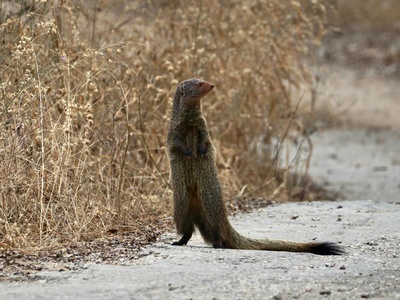
Slender mongoose
Small, quick predator that hunts rodents and snakes; solitary and opportunistic across savanna habitats. IUCN: Least Concern.
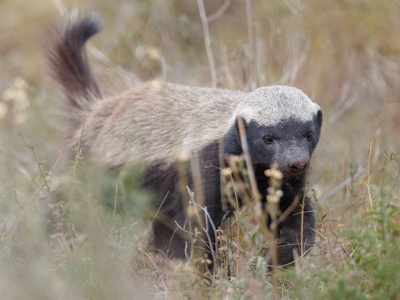
Honey badger
Renowned for toughness and boldness, raids beehives and kills venomous snakes; digs and pries into burrows. IUCN: Least Concern.

African civet
Large nocturnal civet with musky scent glands, omnivorous but actively hunts small animals at night. IUCN: Least Concern.
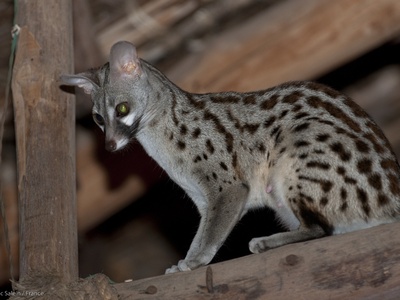
Common genet
Arboreal, cat-like carnivore that climbs trees to catch birds and small mammals; slender and nocturnal. IUCN: Least Concern.
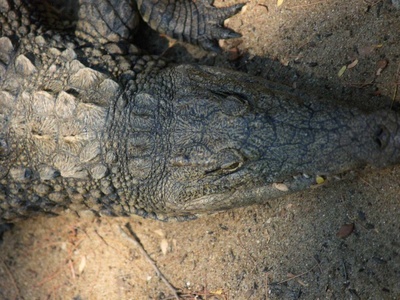
Nile crocodile
Massive aquatic ambush predator up to ~5–6 m, waits at watering holes to seize prey; very dangerous. IUCN: Least Concern.
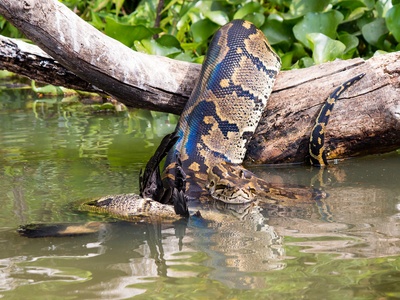
African rock python
Huge constrictor reaching several metres, ambushes mammals near water; can take large prey. IUCN: Near Threatened.
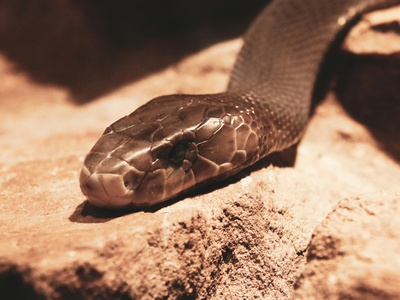
Black mamba
Large, fast, highly venomous snake up to ~3 m; quick-moving predator of rodents and birds, feared by people. IUCN: Least Concern.
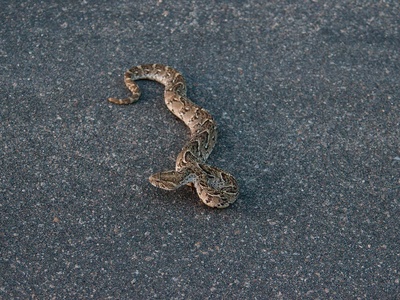
Puff adder
Heavily built viper that relies on camouflage and sudden strikes; common and responsible for many bites. IUCN: Least Concern.
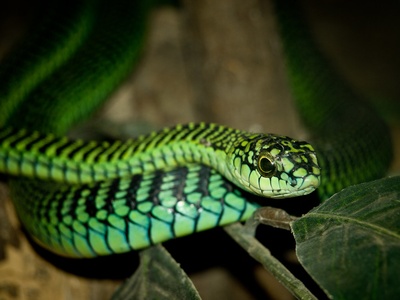
Boomslang
Large-eyed tree snake that preys on birds and reptiles; potent hemotoxic venom and excellent arboreal hunter. IUCN: Least Concern.
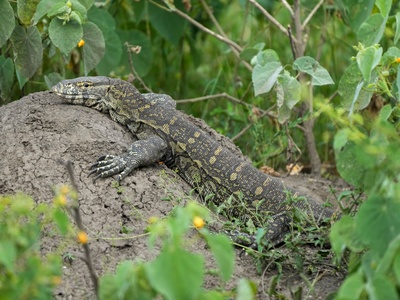
Nile monitor
Large, amphibious lizard up to ~2 m, strong swimmer and opportunist that preys on many animals. IUCN: Least Concern.
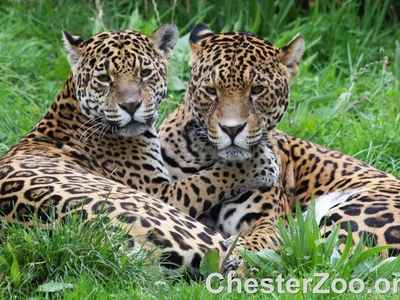
Jaguar
Stocky, powerful big cat, largest in the Americas, excellent swimmer; kills large prey with crushing bite. IUCN: Near Threatened.
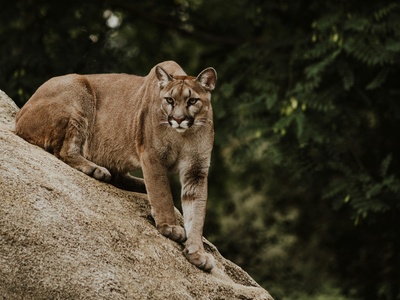
Puma
Flexible, wide-ranging cat that hunts by stealth and ambush; varies greatly in size across range. IUCN: Least Concern.
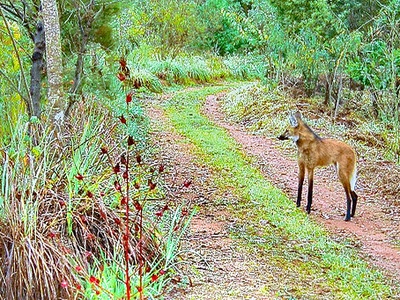
Maned wolf
Tall, long-legged canid (~23 kg) of South American savannas; unique omnivorous diet includes fruit, giving ecological seed-dispersal role. IUCN: Near Threatened.
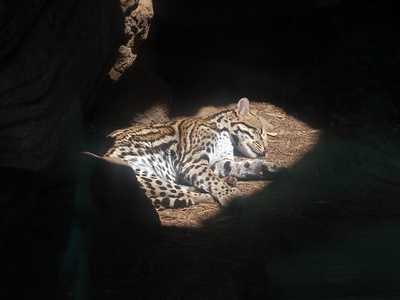
Ocelot
Medium spotted cat active at night, hunts rodents and birds along savanna-forest edges. IUCN: Least Concern.
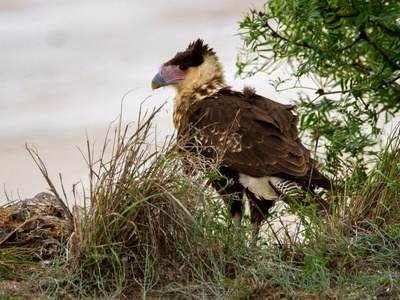
Crested caracara
Bold raptor that often forages on foot, eating reptiles, small mammals and carrion in open country. IUCN: Least Concern.

Green anaconda
Massive semi-aquatic constrictor able to take large mammals; ambushes from water margins. IUCN: Least Concern.
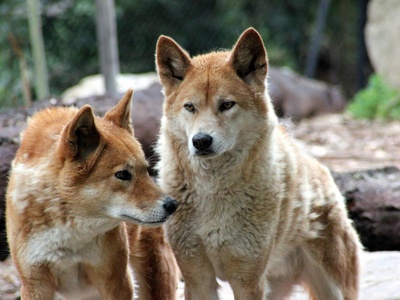
Dingo
Wild dog of Australia that plays apex predator role in many savanna ecosystems; impacts on native fauna controversial. IUCN: variable/not assessed separately.
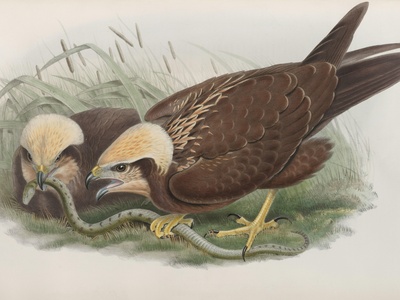
Wedge-tailed eagle
One of the world’s largest eagles (2–3 m wingspan), powerful aerial hunter of rabbits and wallabies. IUCN: Least Concern.
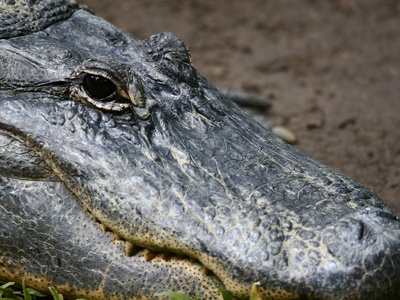
Saltwater crocodile
Largest living crocodile, up to 6 m+, ambushes animals at riverbanks; highly dangerous to humans. IUCN: Least Concern.
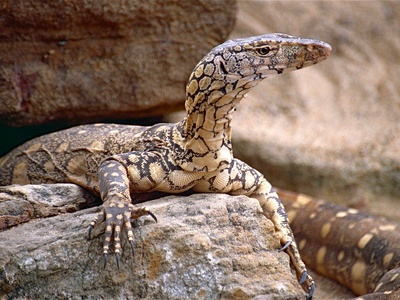
Perentie
Australia’s largest monitor, up to ~2.5 m, powerful and fast predator that digs and pursues prey. IUCN: Least Concern.

Gould’s monitor (sand goanna)
Widespread goanna that raids nests and hunts small vertebrates; strong digger and climber. IUCN: Least Concern.

Red goshawk
Rare, elusive raptor specialized in fast low-level pursuit through open woodlands and savannas; locally threatened. IUCN: Near Threatened.
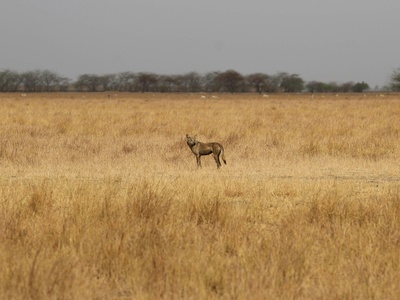
Indian wolf
Smaller wolf subspecies in Indian plains, often hunts in pairs or small packs and suffers from persecution. IUCN: Endangered (regional).
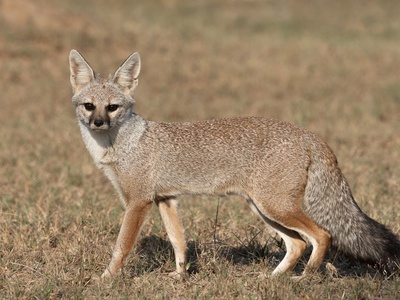
Bengal fox
Small, long-legged fox adapted to open plains and scrub, hunts rodents and insects at night. IUCN: Least Concern.
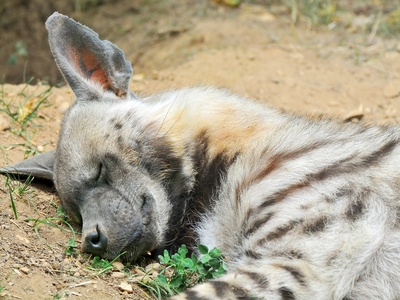
Striped hyena
Solitary hyena that largely scavenges but will hunt small prey; occupies dry savanna and scrub areas. IUCN: Near Threatened.
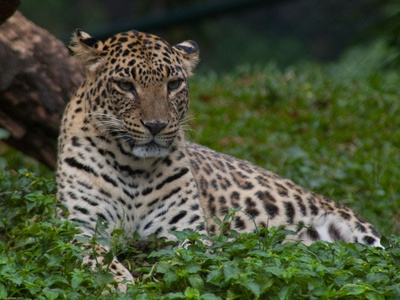
Indian leopard
Adaptable leopard subspecies that uses savanna-forest mosaics, often seen near human areas; strong climber and ambush predator. IUCN: Vulnerable.
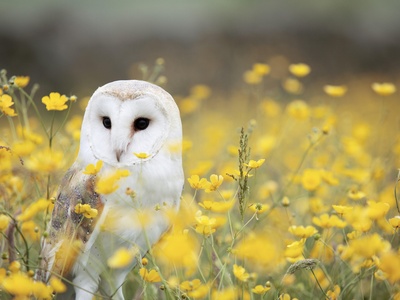
Barn owl
Silent predator that locates rodents by hearing, highly effective in grasslands and farmland at night. IUCN: Least Concern.

Great horned owl
Large, versatile owl with strong talons that takes rabbits, rodents and other birds across open country. IUCN: Least Concern.

Secretarybird
Iconic long-legged raptor that hunts on foot, striking prey with powerful kicks; unique terrestrial raptor of African savannas. IUCN: Near Threatened.
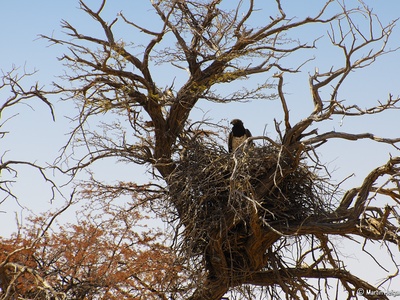
Martial eagle
Africa’s largest eagle, capable of taking small antelopes; powerful talons and broad wings for soaring. IUCN: Vulnerable.

Tawny eagle
Medium eagle common over savannas; opportunistic hunter and frequent scavenger. IUCN: Vulnerable.
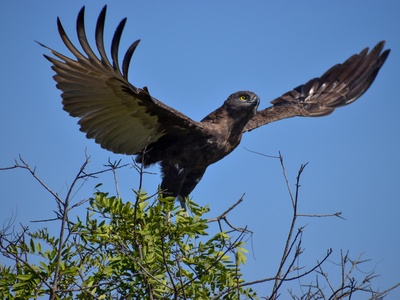
Brown snake-eagle
Specialist snake-eating raptor with stout legs and a snake-focused diet; often seen perched in savannas. IUCN: Least Concern.
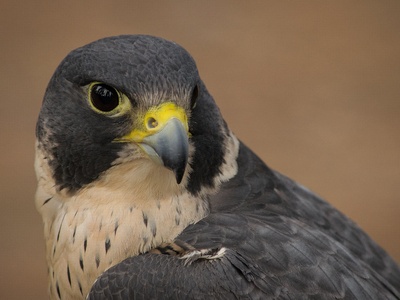
Peregrine falcon
World-renowned aerial predator capable of extreme stoop speeds; captures birds in flight over open terrain. IUCN: Least Concern.

Spotted eagle-owl
Common nocturnal owl of savannas that hunts rodents and insects from low perches; adaptable to human-modified areas. IUCN: Least Concern.
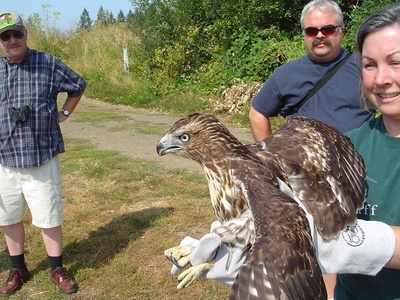
Red-tailed hawk
Widespread hawk that hunts rodents from perches; a familiar raptor across prairies and open woodlands. IUCN: Least Concern.
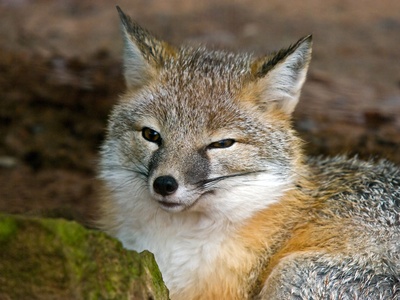
Swift fox
Small prairie fox specialized for open grassland hunting of rodents and insects; once declined but recovering. IUCN: Least Concern.
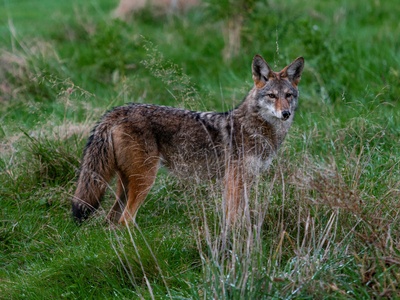
Coyote
Highly adaptable canid, common in prairies and edges; eats rodents, rabbits and sometimes larger prey. IUCN: Least Concern.
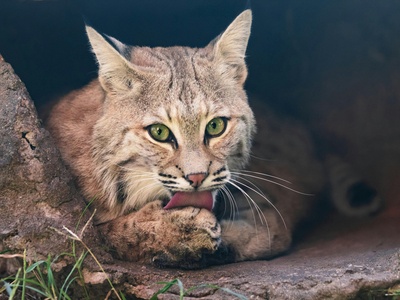
Bobcat
Medium-sized wild cat that hunts by stealth in open woodlands and grassy edges; adaptable and widespread. IUCN: Least Concern