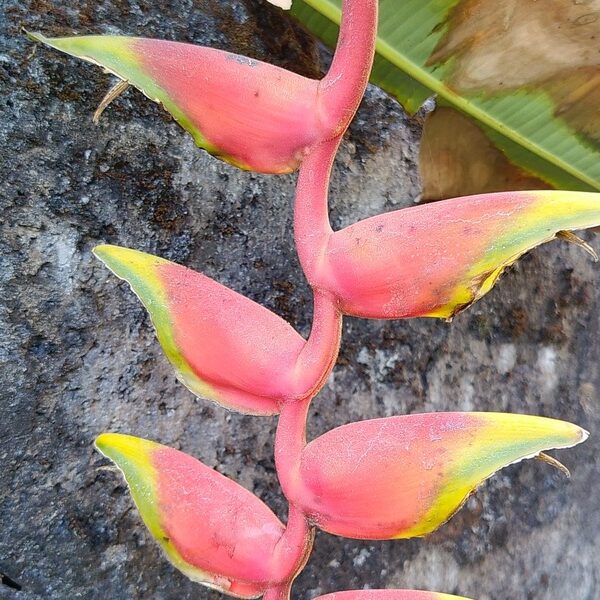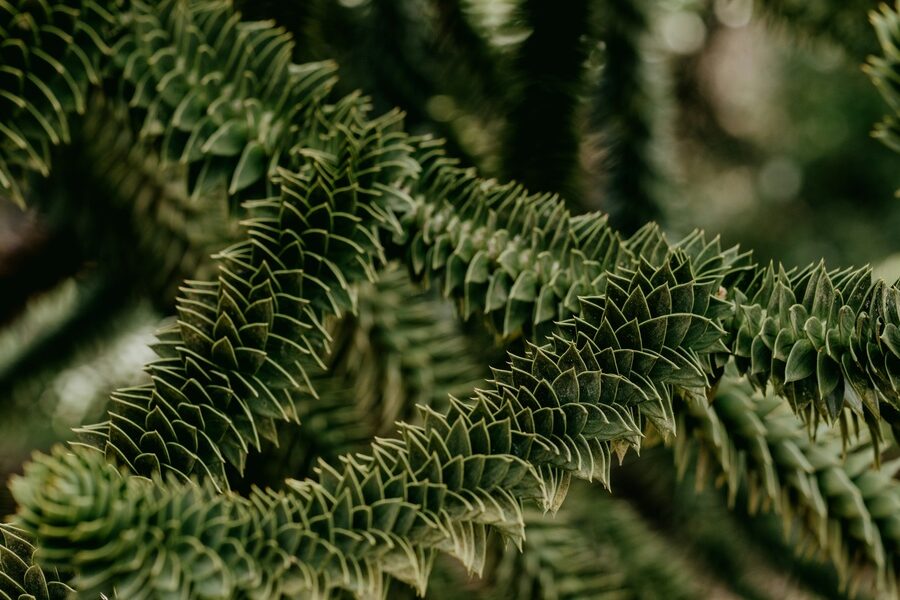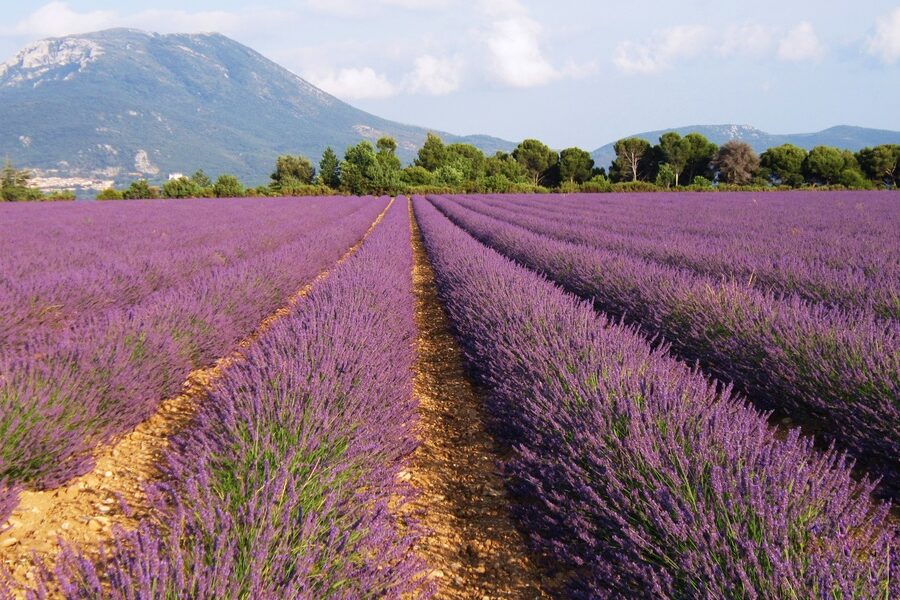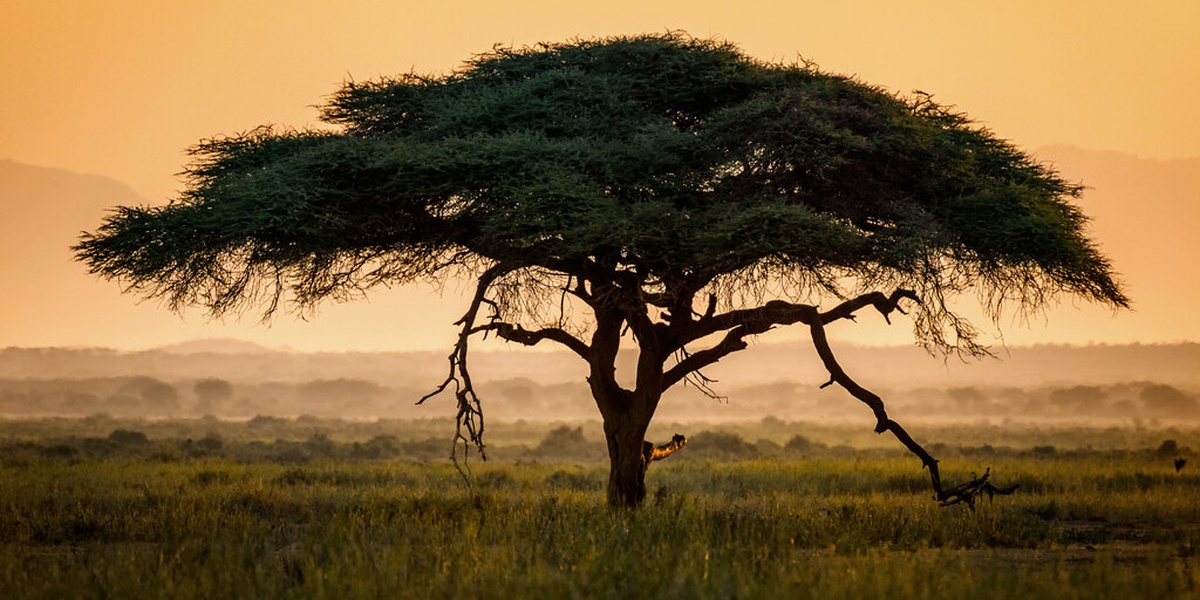
The Serengeti is often pictured for its animals, but the landscape is shaped just as much by the plants that form grasslands, woodlands and riverine strips. Knowing the common species helps you understand habitat, seasonal food sources and where wildlife concentrates.
There are 30 Serengeti Flora, ranging from African ebony to Winter thorn. For each entry the columns are Scientific name,Type,Height (m); you’ll find those details below.
How were the species selected for this list?
Species were chosen based on confirmed occurrence in the Serengeti, ecological role (forage, shelter, soil stabilization), and availability of reliable identification data so the list reflects common, widespread and functionally important plants.
Can I use this list to help identify plants in the field?
Yes—scientific names plus type and height narrow possibilities and guide field ID, but use a regional field guide or local expert for photos, seasonal changes and look‑alikes before making a firm identification.
Serengeti Flora
| Name | Scientific name | Type | Height (m) |
|---|---|---|---|
| Umbrella thorn | Vachellia tortilis | tree | 6-12 |
| Fever tree | Vachellia xanthophloea | tree | 8-15 |
| Whistling thorn | Vachellia drepanolobium | shrub | 2-5 |
| Blackthorn | Senegalia mellifera | shrub | 2-8 |
| Baobab | Adansonia digitata | tree | 5-20 |
| Winter thorn | Faidherbia albida | tree | 8-18 |
| Sausage tree | Kigelia africana | tree | 8-15 |
| Sycamore fig | Ficus sycomorus | tree | 10-25 |
| Desert date | Balanites aegyptiaca | tree | 3-10 |
| Velvet bushwillow | Combretum molle | shrub | 2-6 |
| Silver cluster-leaf | Terminalia sericea | tree | 3-8 |
| White crossberry | Grewia bicolor | shrub | 1-4 |
| African ebony | Diospyros mespiliformis | tree | 6-15 |
| Mopane | Colophospermum mopane | tree | 5-18 |
| Red oat grass | Themeda triandra | grass | 0.3-1.0 |
| Thatched grass | Hyparrhenia rufa | grass | 0.5-1.5 |
| Couch grass | Cynodon dactylon | grass | 0.1-0.3 |
| Elephant grass | Pennisetum purpureum | grass | 1.5-3.5 |
| Tall lovegrass | Eragrostis superba | grass | 0.5-1.2 |
| Camphor bush | Tarchonanthus camphoratus | shrub | 1-4 |
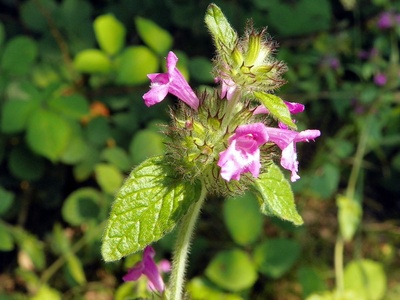
| Wild basil | Ocimum suave | shrub | 0.3-1.0 |
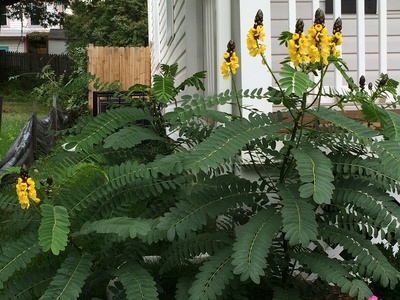
| African senna | Senna singueana | shrub | 1.5-5 |
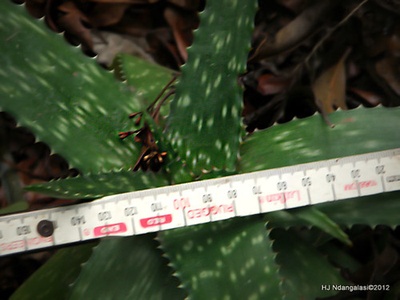
| Aloe secundiflora | Aloe secundiflora | shrub | 0.5-2.0 |
| Camel’s foot | Piliostigma thonningii | tree | 5-12 |
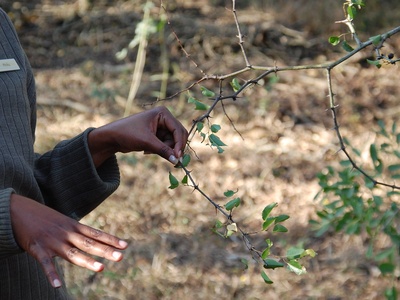
| Buffalo thorn | Ziziphus mucronata | shrub | 2-8 |
| Strangler fig | Ficus thonningii | tree | 5-20 |
| Wild date palm | Phoenix reclinata | tree | 2-7 |
| Nile acacia | Vachellia nilotica | tree | 6-15 |
| Red acacia | Vachellia seyal | tree | 6-10 |
| Papyrus | Cyperus papyrus | sedge | 1.0-3.0 |
Images and Descriptions
Umbrella thorn
Iconic flat-crowned acacia with twisted trunk and small pinnate leaves. Found across open plains and woodlands; very common in central and southern Serengeti. Look for dense thorny branches and yellow puffball flowers in the wet season; important browse for herbivores.

Fever tree
Distinguished by smooth, pale green-yellow bark and bright yellow flowers. Grows along seasonal swamps, river margins and kopje footslopes in Serengeti. Easy to spot near waterholes; bark and wet-site preference make it a marker for marshy areas and wildlife concentrations.
Whistling thorn
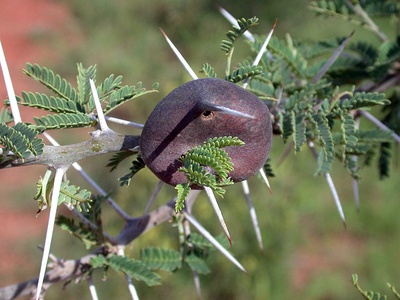
Low, multi-stemmed thorny shrub with swollen spines and small bipinnate leaves. Dominant on some central Serengeti plains and termite mounds. Thorns house ants that “whistle” in the wind; look for paired white galls and fine yellow flower clusters in the rains.
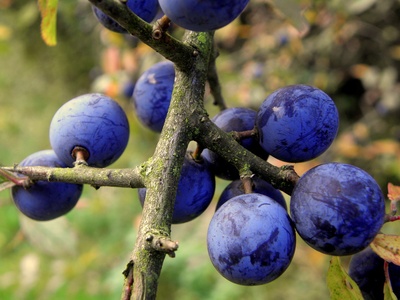
Blackthorn
Dense, thorny shrub or small tree with greyish bark and small pinnate leaves. Common on drier plains, bushland and degraded areas in northern and eastern Serengeti. Provides dense cover and browse; produces small cream flowers and seed pods after rains.
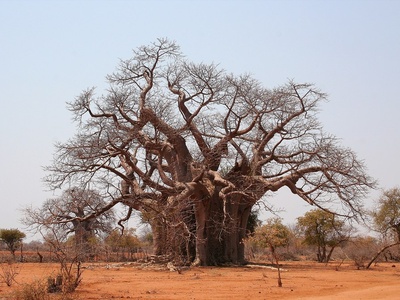
Baobab
Huge, bottle-shaped trunk and sparse branches make baobabs instantly recognizable. Scattered around Serengeti kopjes, drainage lines and rocky outcrops. Seasonal white flowers and large edible fruit; important for shelter, water storage and as landmarks for wildlife and people.
Winter thorn
Deciduous tree with unusual reverse phenology — it drops leaves in wet season and leafs in dry season. Occurs on floodplains and riverine woodlands in Serengeti. Valuable fodder source in dry months and easily spotted by its pale bark and spreading crown.
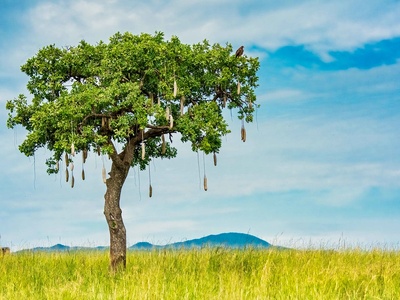
Sausage tree
Riverine tree with long sausage-shaped fruits and large red bell flowers. Found along rivers and in gallery forest patches in Serengeti, especially Mara and Grumeti systems. Flowers attract bats and birds; heavy fruits drop near trunks — a distinctive ID sign.
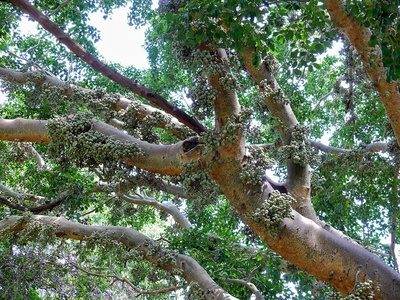
Sycamore fig
Large fig with spreading crown and edible figs; common along rivers and around permanent water. Look for buttressed roots, white latex and clusters of figs that attract monkeys, birds and hippos. Important keystone species in riverine strips.
Desert date
Spiny, drought-tolerant tree on drier plains and rocky ridges. Recognizable by pinnate leaves and olive-like fruits. Found on the Serengeti’s drier margins, providing fruit for wildlife and traditional uses by local people.
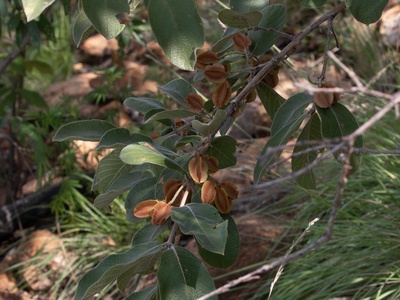
Velvet bushwillow
Hairy-leaved shrub or small tree with greyish underside leaves and comb-like fruit. Common in woodland edges and bushland across Serengeti. Look for soft, velvety leaves and clusters of small yellowish flowers in the rainy season.
Silver cluster-leaf
Small tree with silvery leaf undersides and layered horizontal crown. Occurs on sandy soils and open woodlands throughout the Serengeti. Distinctive pale foliage and winged fruits; often seen on plains edges and degraded thickets.
White crossberry
Multi-stemmed shrub with hairy leaves and soft orange fruits. Found in open woodlands and along dry riverbeds in Serengeti. Easy to spot by its squat habit and sweet fruits eaten by birds and small mammals during the wet season.
African ebony
Medium tree of riverine and wooded grassland with glossy leaves and small edible fruits. Occurs along rivers and in mixed woodlands across Serengeti. Smooth bark and dark timber; figs-like fruits attract birds and mammals.
Mopane
Characteristic butterfly-shaped leaflets and deeply furrowed bark. Occurs on heavier clay soils in parts of northern and western Serengeti. Forms dense stands called mopane woodland; favored by elephants and visible as orange-brown canopies in dry season.

Red oat grass
Clumping perennial with reddish seed heads that color the plains after rains. Dominant on short-grass plains where migrating herds feed. Look for coarse leaves and distinctive tufted reddish inflorescences during and after the wet season.
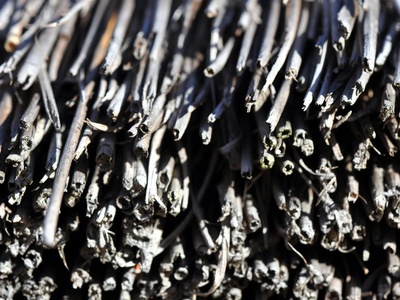
Thatched grass
Tall tussock grass forming the Serengeti’s longer grasslands. Found in wetter or previously grazed areas; seed heads are feathery and golden. Provides cover and forage, burning in dry season to renew grazing.
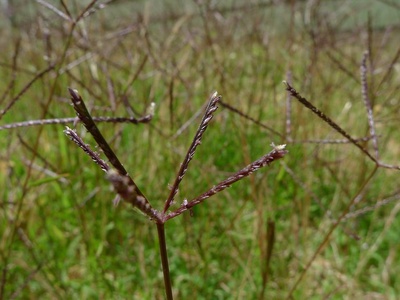
Couch grass
Low, mat-forming perennial common near waterholes, trails and grazed plains. Hairy creeping stolons, fine leaves and low profile make it a preferred short-grass food for grazers. Remains green longer in dry spells near water.
Elephant grass
Very tall, dense clumps in marshes and along wet channels. Found in permanent wetlands and river floodplains across Serengeti. Broad blades and plume-like inflorescences; used by elephants and hippos for cover and browsing.
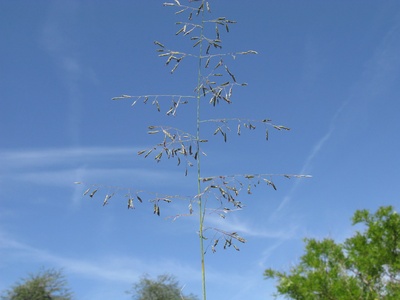
Tall lovegrass
Tufted perennial grass that forms springy tussocks on plains and dambos. Becomes prominent in the wet season with fine, open seed panicles. Common in mixed grassland that supports migratory wildebeest and zebra feeding.
Camphor bush
Aromatic, grey-foliaged shrub found on kopje slopes, woodland edges and dry hills. Smooth, resinous leaves give a camphor scent when crushed. Produces creamy flower clusters in the rains and provides browse and shelter for small wildlife.
Wild basil
Aromatic shrub with green, fragrant leaves and lilac flowers on plains and kopje margins. Common in disturbed ground and edges of woodlands in Serengeti; used by people as traditional medicine. Smells strongly when crushed.
African senna
Open-crowned shrub with pinnate leaves and showy yellow flower spikes. Found in acacia-grassland mosaics and riverine edges; seeds in pods follow the flower flush after rains. Attracts pollinators and provides browse for browsers.
Aloe secundiflora
Rosette-forming succulent with spotted leaves and tall red flower spikes in the dry season. Grows on kopjes, rocky outcrops and dry slopes across Serengeti. Flowers attract sunbirds; easy to spot when in bloom.
Camel’s foot
Rounded tree with pinnate leaves and bright clusters of small yellow flowers. Occurs along river corridors and woodland patches in the Serengeti. Pods and flat leaflets are distinctive; used locally for shade and traditional uses.
Buffalo thorn
Spiny shrub or small tree with glossy leaves and distinctive hooked thorns. Common in bushland and riverine scrub throughout Serengeti; produces round fruit eaten by birds and mammals. Look for zig-zag twigs and clustered fruits in late season.

Strangler fig
Multipurpose fig with dense crown, aerial roots and year-round figs. Found in gallery forests, riverine strips and kopje gullies. Produces fruit almost anytime, drawing many animals; trunks often show strangling roots on host trees.
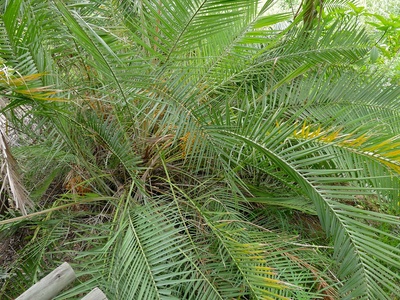
Wild date palm
Clustering palm with pinnate leaves, fibrous trunk and orange dates. Grows along rivers, marsh edges and behind springs in Serengeti. Look for clumps of trunks and feathery fronds in wet, sheltered spots used by birds and primates.
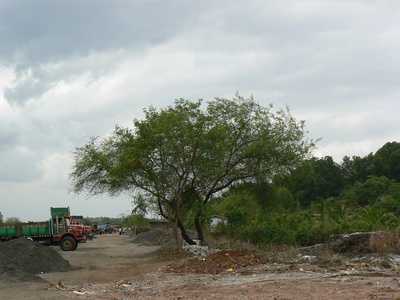
Nile acacia
Rugged acacia with dense crown and hooked thorns, often along riverbanks and seasonal floodplains. Produces ball-shaped yellow flowers and pods; common in riparian corridors where it stabilizes banks and provides shade for wildlife.
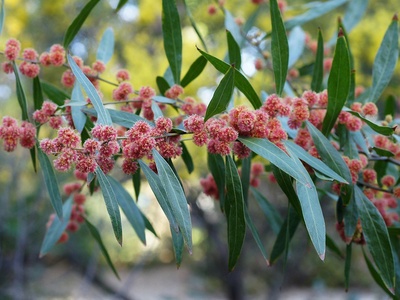
Red acacia
Pale-barked acacia found in wetter depressions and along streams. Smaller than some savanna acacias, it has bipinnate leaves and bright yellow flower clusters in the rains. Frequently occurs near seasonal water and in mixed riverine woodland.
Papyrus
Tall, reed-like sedge forming dense stands in marshes and slow-moving river margins. Found in some Serengeti swamps and floodplain edges; stems topped by umbrella-like inflorescences. Key habitat for birds and hides for hippos and waterfowl.