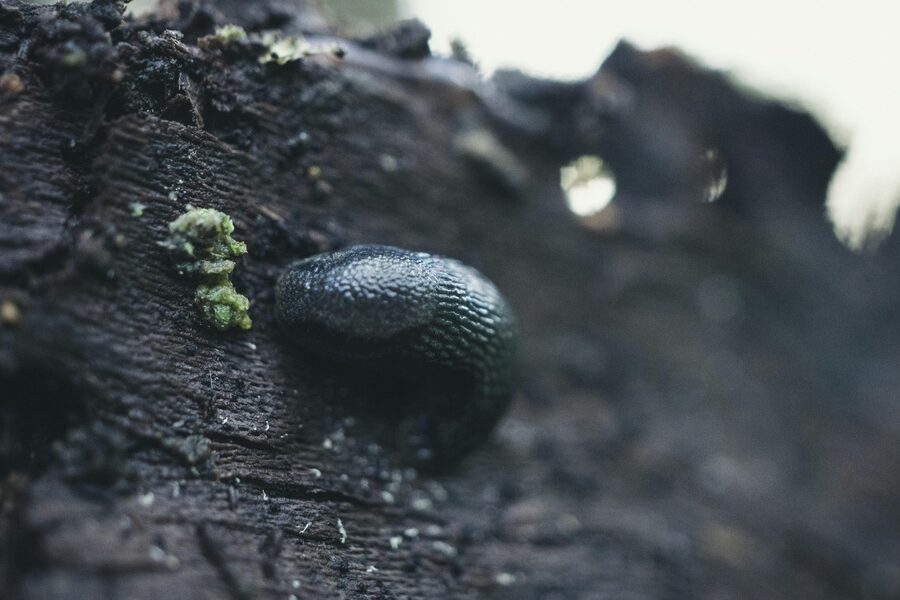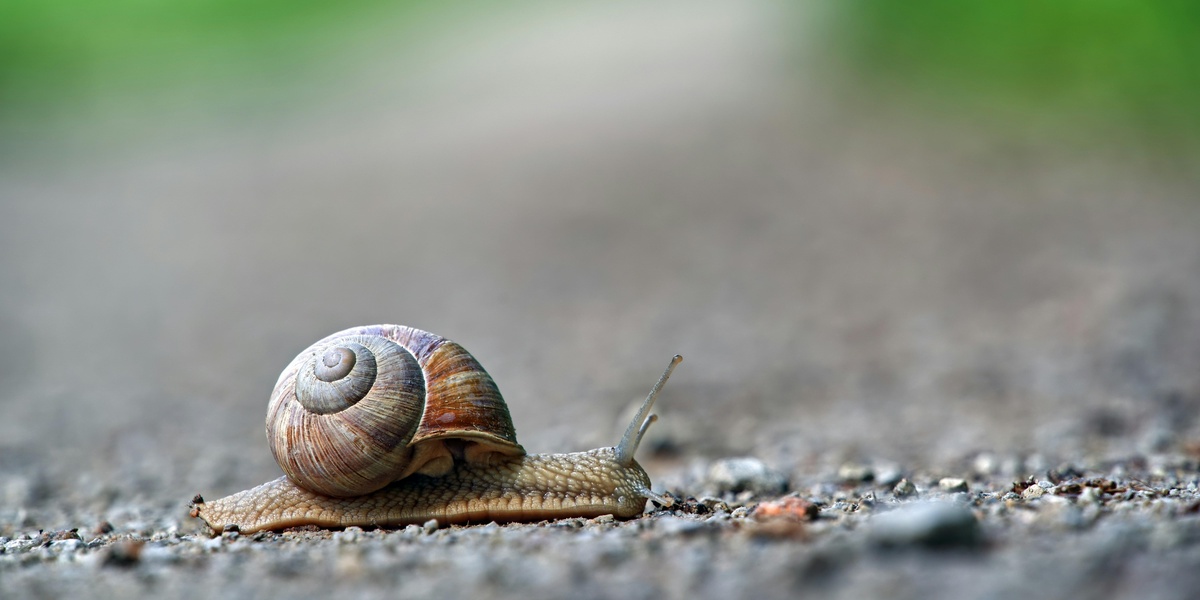
There are more than 60,000 described species of gastropods worldwide — from tiny marine snails to the familiar garden slug — and many people still confuse snails with slugs. Knowing the difference matters: it changes how gardeners manage pests, how chefs select escargot, and how conservationists prioritize species at risk. Take the garden snail Helix aspersa, often seen climbing a stem, and the common black slug Arion ater, which hides under mulch; they look similar at a glance but behave very differently.
Although they belong to the same class, snails and slugs differ in eight clear ways that affect anatomy, behavior, ecological role, human interactions, and conservation status. Below are those differences organized into three practical categories: anatomy and shell, behavior and ecology, and interactions with people plus conservation.
Anatomy and Shell Differences
The most obvious differences are external: one group carries a coiled shell, the other usually does not. This category covers shell presence and structure, body-plan and respiration differences, and how each defends itself.
1. Shell: Present vs Absent (or Internal)
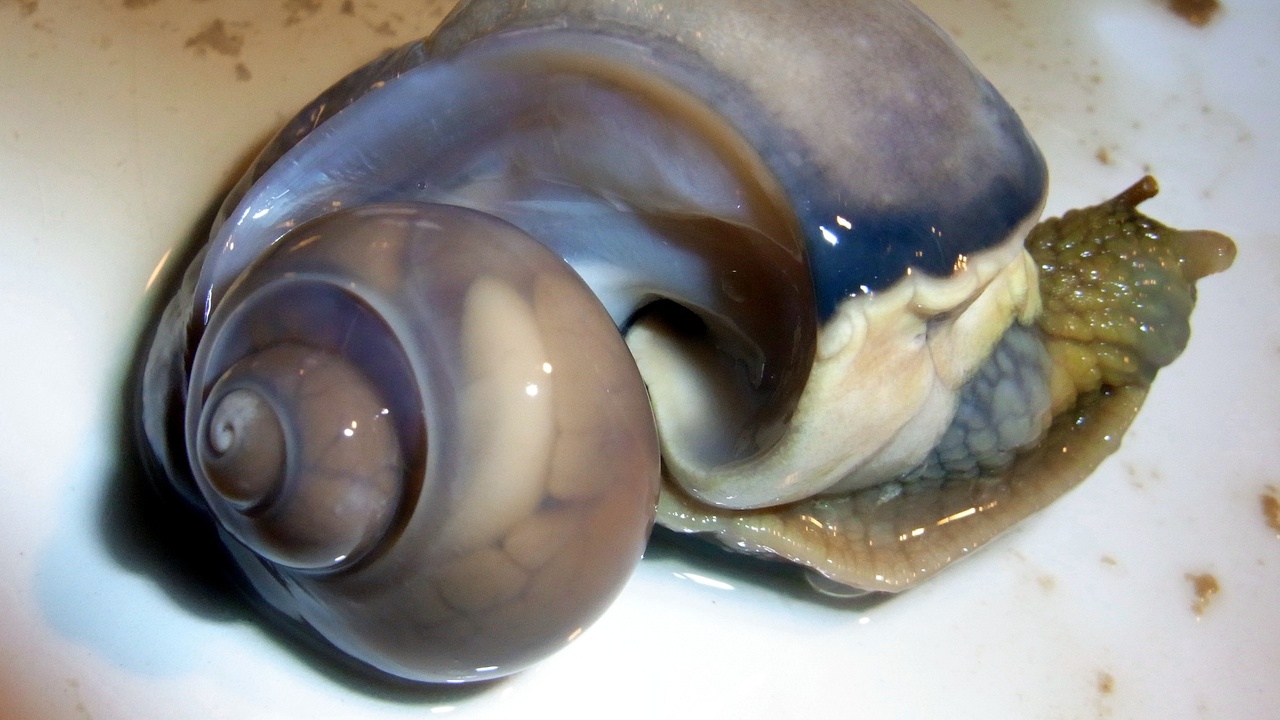
The easiest way to tell them apart is the shell. True snails have an external, typically coiled shell made largely from calcium carbonate that protects soft tissues and helps retain moisture. Slugs lack an external shell; some have a small internal plate or a reduced shell under the mantle (these are called semi-slugs).
Shells allow some snails, like the Roman snail Helix pomatia, to tolerate more exposed surfaces and even climb vegetation. Without that armor, slugs such as Arion ater favor damp cover where they avoid desiccation. Shell presence therefore shapes where each animal can live and forage.
2. Body plan and respiration: mantle, pneumostome, and breathing
Both snails and slugs have a mantle — a body region that secretes the shell in shelled species — and a mantle cavity that houses respiratory structures. Terrestrial forms usually breathe air through a pneumostome, a visible breathing opening on the mantle’s right side.
Shells influence how the mantle and pneumostome are protected: snails can withdraw into the shell and close the opening with a temporary barrier (an epiphragm) to reduce water loss. Slugs must regulate moisture behaviorally and with mucus, which is why many are active at night or after rain (see university extension notes for field observations on pneumostome function).
3. Defense: armor vs mucus and camouflage
Snails rely on passive armor — the shell — as a refuge. When threatened they retract and often seal the aperture for hours or even weeks to survive drought. Some species also have thick, sculptured shells that resist predators.
Slugs use mucus, coloration, and hiding. Their slime is not just for locomotion: it can be sticky, distasteful, or contain chemicals that deter predators. Because they can’t retreat into a shell, slugs hide under litter and are more reliant on camouflage and behavioral avoidance.
These different defenses change how people try to control them: physical barriers work better on snails, while habitat modification and bait strategies are more effective for slugs.
Behavior, Ecology, and Habitat
An animal’s anatomy flows directly into how it uses habitat, what it eats, and how it reproduces. The next three points look at microhabitat choices, feeding roles, and mating strategies that separate many snails from many slugs.
4. Habitat preferences and microhabitats
Snails and slugs often overlap geographically, but microhabitats differ. Snails tolerate sunnier, more exposed surfaces because their shells help limit water loss; you’ll find them climbing stems, walls, and rocks. Slugs need constant cover and humidity and are common under boards, mulch, and in leaf litter.
Activity patterns reflect moisture needs: many slugs are nocturnal or most active within 24–48 hours after rain. Gardeners will notice slugs in beds after wet weather and snails appearing on leaves and fences on damp mornings.
5. Diet and ecological roles: herbivores, detritivores, and specialists
Both snails and slugs feed with a radula, a tongue-like organ with tiny teeth, but their diets often diverge. Many land snails are primarily herbivores that graze living plant tissue and algae. Some species, however, specialize on particular plants.
Slugs frequently play big roles as detritivores and fungal feeders. In forests they accelerate decomposition by consuming leaf litter and fungi, returning nutrients to the soil. Certain species are scavengers or even predators on other invertebrates.
These dietary differences matter in human contexts. Some snails are major agricultural pests — for example, the golden apple snail Pomacea canaliculata damages rice in parts of Asia — while slugs can cause extensive seedling loss in gardens but also support soil health in natural systems.
6. Reproduction and life cycles: eggs, love darts, and hermaphroditism
Most terrestrial snails and slugs are hermaphrodites and lay eggs in soil or sheltered sites. Mating systems vary: some snails perform conspicuous courtship and even use a calcareous “love dart” to increase mating success (observed in Helix aspersa and relatives).
Clutch sizes and development differ by species. Common garden snails may lay roughly 40–120 eggs per clutch, with incubation and hatching times depending on temperature and moisture. Lifespans likewise range: many garden snails live 2–5 years, while some larger species can live longer.
Because both groups can reproduce rapidly under favorable conditions, understanding life cycles helps with management — whether you’re reducing pest numbers or planning captive-breeding for conservation.
Interactions with People and Conservation
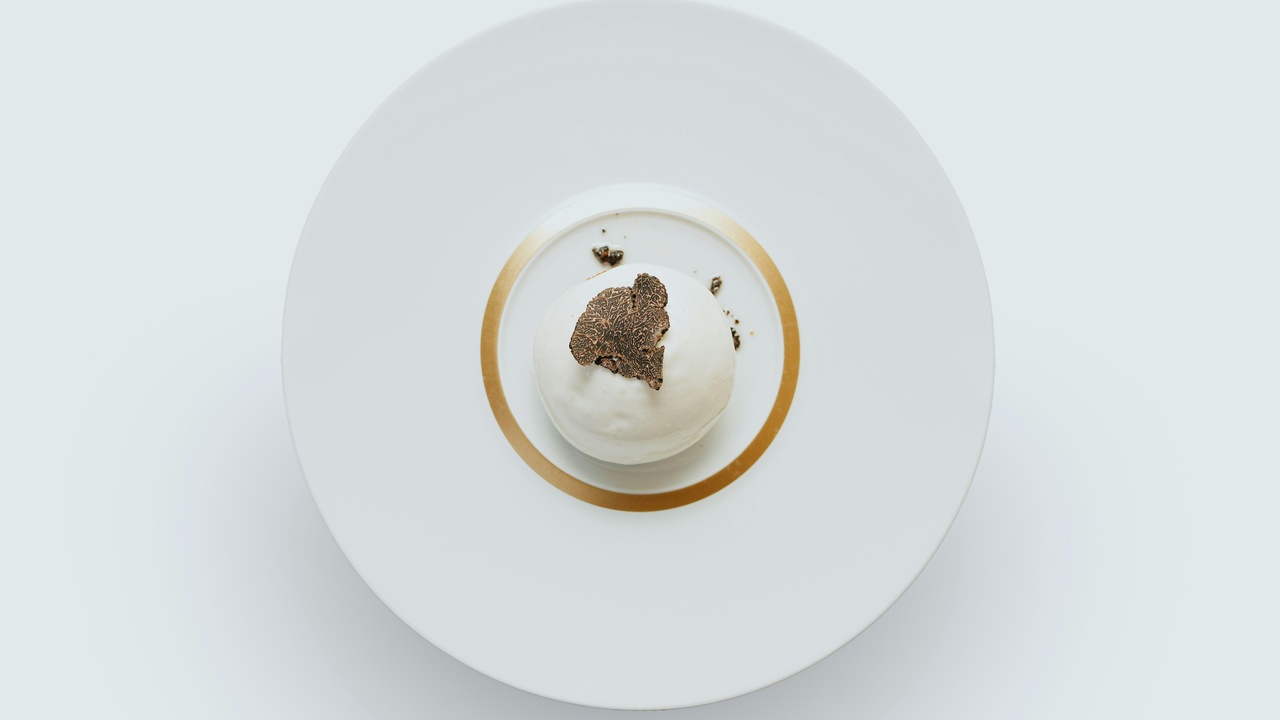
When people consider snails vs slugs they often think of food, pests, or, surprisingly, conservation priorities. Snails are harvested and farmed in some cultures and have commercial uses; slugs are mainly seen as unwelcome in gardens. Both groups, however, include species under threat.
7. Economic and cultural interactions: food, farming, and products
Snails have culinary and commercial value. Escargot is a classic French dish, and heliciculture — small-scale snail farming — supplies restaurants and cosmetics markets across Europe, Africa, and Asia. Snail mucin has become a prominent ingredient in K-beauty and global skincare lines, with brands like COSRX and Mizon popularizing the trend.
These uses create incentives for sustainable harvest and farming in some regions. That contrasts with slugs, which gardeners usually control through exclusion, cultural practices, or baits rather than commercial production.
8. Conservation status and threats: who’s at risk and why it matters
Many land snails and slugs face conservation pressure, particularly island endemics. The IUCN Red List documents several hundred threatened terrestrial gastropods, and iconic declines — like the extinction of some Partula species and the ongoing losses among Hawaiian tree snails — illustrate how vulnerable these animals can be.
Major threats include habitat loss, invasive predators (rats and predatory flatworms), pollution, and climate shifts that reduce available moisture. Conservation responses range from habitat protection to captive breeding programs for the most imperiled species.
Biology matters for vulnerability: heavily localized, slow-dispersing species with narrow microhabitat needs are the most at risk. That’s why shell-bearing island snails or specialized forest slugs sometimes disappear before people notice.
Summary
- Shells vs no shells shapes the basics: shelter, moisture control, and where gastropods live and feed.
- Mantle anatomy (including the pneumostome), mucus, and radula-driven diets create different ecological roles — snails often as grazers, slugs often as decomposers and fungal feeders.
- Human uses and threats diverge: snails are farmed and eaten and even supply cosmetics, while both groups include many threatened species, especially island endemics listed on the IUCN Red List.
- Practical step: help by reporting local sightings to iNaturalist, using humane slug control in gardens (habitat modification and barriers), or supporting conservation groups working on snail recovery.