The taiga is a world of long light and tight winters, where hardy plants develop bold, concentrated flavors you don’t find elsewhere. Walks through moss, birch and peat reveal small pockets of herbs that shaped local cooking and medicine for generations.
There are 23 taiga spices, ranging from Angelica (wild) to Sweet gale (bog-myrtle). Entries are organized by Scientific name,Flavor notes,Foraging & season to help you match taste, timing and ID — you’ll find below.
How can I forage taiga spices safely?
Start with good ID resources and local guidance: many taiga plants have lookalikes and protected status. Forage only in allowed areas, take small samples from several plants rather than stripping one, and note the season listed with each entry so you harvest at peak flavor and with minimal ecological impact.
How should I use these spices in cooking?
Treat taiga spices like concentrated aromatics: use sparingly, pair with fats or slow infusions to extract flavor, and experiment with syrups, brines or stews. The Flavor notes column below will help you decide whether a spice suits sweet preserves, game dishes, or herbal teas.
Taiga Spices
| Name | Scientific name | Flavor notes | Foraging & season |
|---|---|---|---|
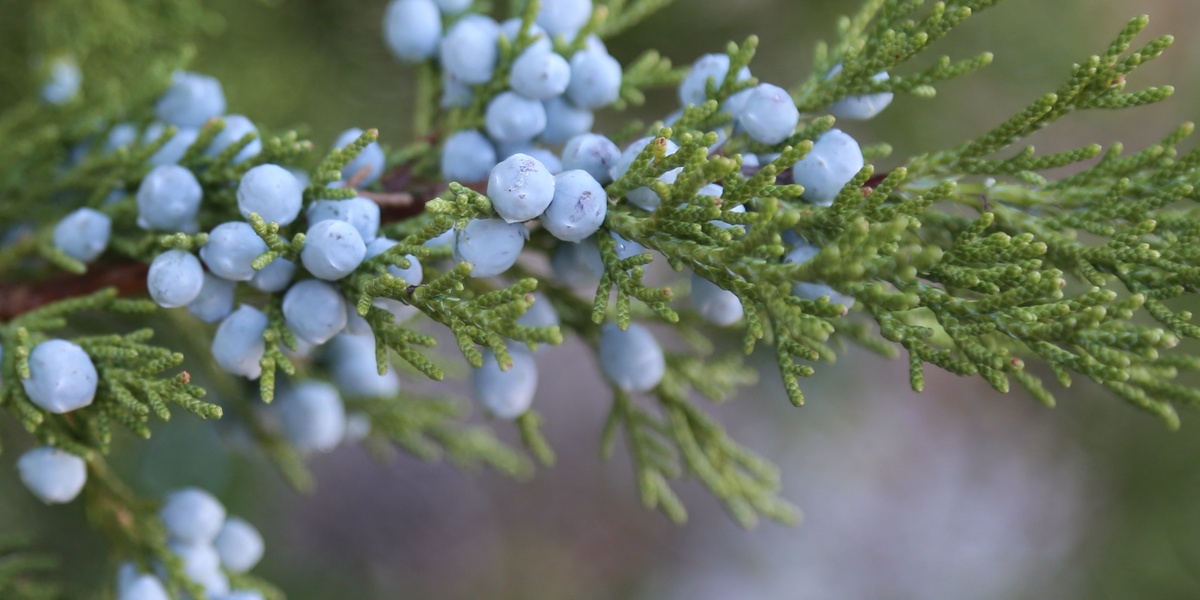
| Juniper berry | Juniperus communis | piney, resinous, citrusy | Coniferous forests; berries ripe Aug–Oct; use sparingly, pregnancy caution |
| Spruce tips | Picea abies / Picea glauca | bright, resinous, citrusy | Forest canopy; harvest fresh tips spring–early summer; take only tips from healthy trees |
| Fir tips | Abies balsamea / Abies sibirica | sweet-resinous, citrusy | Upper branches; pick young shoots spring–early summer; avoid heavy stripping of trees |
| Pine needles | Pinus sylvestris / Pinus sibirica | piney, resinous, citrus | Open stands; harvest fresh needles spring–summer; avoid treated trees and choking hazards |
| Siberian pine nuts (cedar nut) | Pinus sibirica | buttery, nutty, sweet | Conifer forests; harvest cones late summer–autumn; labor-intensive cone processing |
| Spruce resin (spruce pitch) | Picea spp. | sweet, smoky, resinous | Bark wounds; collect fresh resin summer–autumn; small amounts, avoid harming trees |
| Pine resin (pitch) | Pinus spp. | resinous, smoky, balsamic | Bark wounds; collect sparingly summer–autumn; avoid girdling trees |
| Birch sap | Betula pubescens / Betula papyrifera | lightly sweet, clean, vegetal | Tap trunks in spring; collect before leaf-out; perishable, preserve soon |
| Birch inner bark (cambium) | Betula spp. | mildly sweet, nutty, bread-like | Harvest inner bark spring–early summer; strip thinly, sustainable techniques essential |
| Sea buckthorn | Hippophae rhamnoides | tart, tangy, citrusy | Coastal and upland shrubs; harvest berries late summer–autumn; acidic, wear gloves |
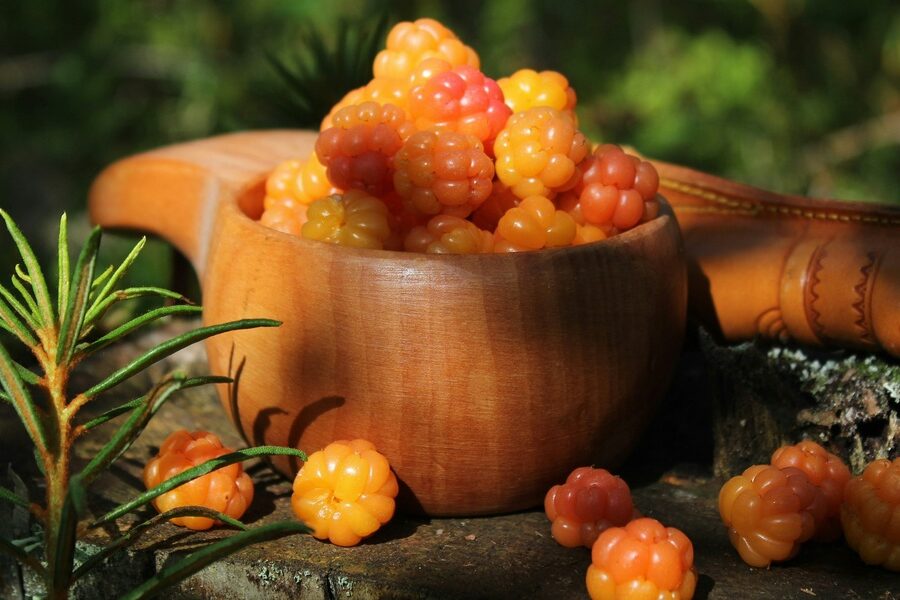
| Cloudberry | Rubus chamaemorus | tart, honeyed, floral | Peatlands and bogs; pick ripe late summer; fragile, collect gently |
| Lingonberry | Vaccinium vitis-idaea | tart, bright, astringent | Forests and tundra; harvest late summer–autumn; resilient, plentiful in many areas |
| Bilberry (wild blueberry) | Vaccinium myrtillus | sweet-tart, earthy, jammy | Woodland floors; pick mid-summer; look for deep blue berries |
| Bog cranberry (small cranberry) | Vaccinium oxycoccos | tart, sharp, cranberry-like | Sphagnum bogs; harvest late summer–autumn; pick carefully on peaty ground |
| Crowberry | Empetrum nigrum | mild, earthy, slightly resinous | Heathlands and bogs; harvest late summer–autumn; often low-yield |
| Rowan (mountain ash) berry | Sorbus aucuparia | bitter-tart, astringent, apple-like | Upland forests; harvest after frost improves flavor; cook before eating |
| Angelica (wild) | Angelica archangelica | sweet, aromatic, celery-like | Moist meadows; harvest stems/seeds summer; young shoots best, watch lookalikes |
| Sweet gale (bog-myrtle) | Myrica gale | bitter, resinous, spicy | Bogs and wet heaths; harvest leaves summer; aromatic, avoid overharvest |
| Iceland moss (reindeer lichen) | Cetraria islandica | mild, slightly bitter, earthy | Open ground and rocks; harvest dried thalli year-round; requires processing |
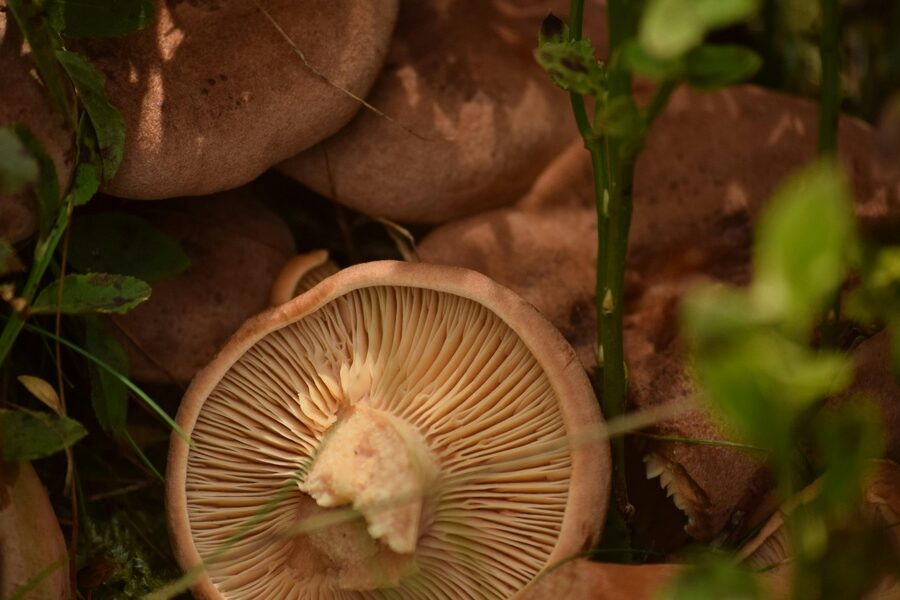
| Matsutake (pine mushroom) | Tricholoma matsutake | spicy, aromatic, piney | Pine and mixed forests; fall fruiting; valuable, avoid overharvest |
| Stinging nettle | Urtica dioica | green, spinach-like, mineral | Shaded edges and clearings; harvest young shoots spring; cook to neutralize sting |
| Meadowsweet | Filipendula ulmaria | vanilla, almond, floral | Damp meadows; harvest flowers summer; aromatic, avoid in aspirin-sensitive people |
| Mountain sorrel | Oxyria digyna | lemony, tart, green | Alpine and tundra edges; pick leaves early summer; sharp acid, use sparingly |
Images and Descriptions
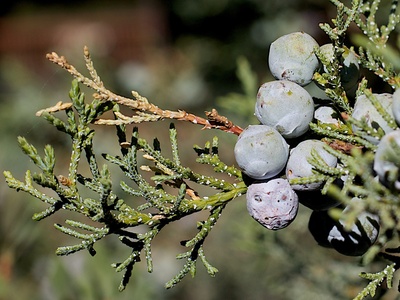
Juniper berry
Small blue-black cones used dried to flavor game, stews and gin; sharp pine-citrus aroma brightens fatty meats and pickles. Pick ripe berries from common juniper, avoid ornamental cultivars and excessive use.
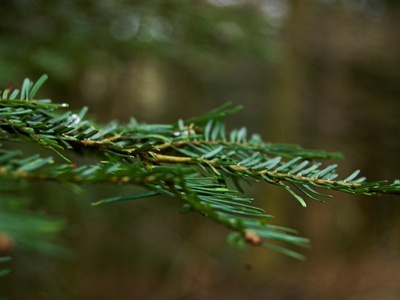
Spruce tips
Tender spring tips have a lively citrus-pine scent used for syrups, cordials, preserves and garnishes. Mildly resinous, they add brightness to desserts, drinks and pickles.
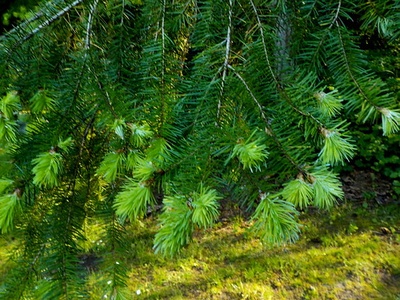
Fir tips
Young fir shoots are aromatic and sweet-resinous, excellent in syrups, infused creams, and jellies. Use fresh or candied; collect sparingly to avoid tree damage.
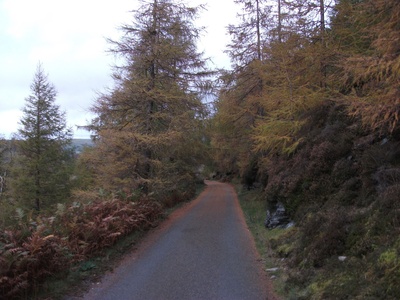
Pine needles
Needles yield a bright pine-citrus infusion for syrups, vinegars and marinades. Tough mature needles bitter; use tender new growth and moderate amounts for pleasant evergreen notes.

Siberian pine nuts (cedar nut)
Rich, oily seeds prized like pine nuts for baking, pestos and confections. Slightly resinous backnote makes them excellent toasted; collect sustainably from fallen cones when possible.
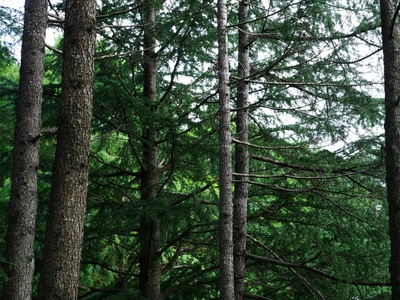
Spruce resin (spruce pitch)
Aromatic pitch used traditionally as chewing gum and to flavor sweets or seal smoked foods. Strong resinous taste—use sparingly and sanitize collection site.
Pine resin (pitch)
Pine pitch has intense resinous flavor used historically in preserves and as a flavoring in small amounts; also used for chewing gum and rustic candies.
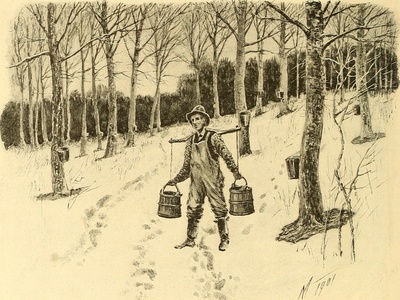
Birch sap
Delicate, slightly sweet sap makes refreshing drinks, fermented beverages and syrups. Boil to concentrate birch syrup with maple-like complexity; harvest carefully without harming trees.
Birch inner bark (cambium)
Dried and ground inner bark has been used as flour extenders and thickeners in breads and porridges. Mild, slightly sweet flavor—use blended with grain.
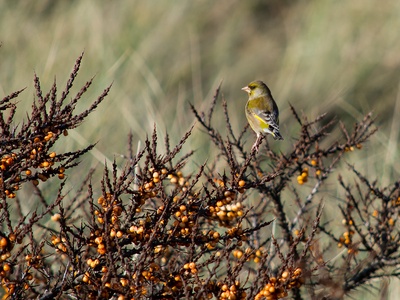
Sea buckthorn
Orange berries are intensely tart, packed with vitamin C; used in juices, sauces, preserves and oils. Balance with sweeteners; thorny bushes require careful harvesting.
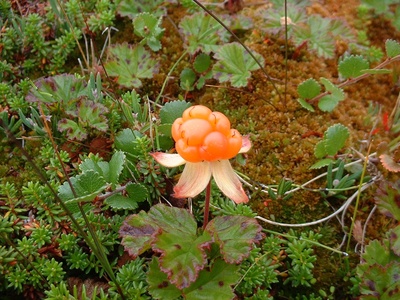
Cloudberry
Golden amber fruits yield a complex sweet-tart flavor used for jams, desserts and paired with game. Highly prized, soft when ripe—preserve quickly.
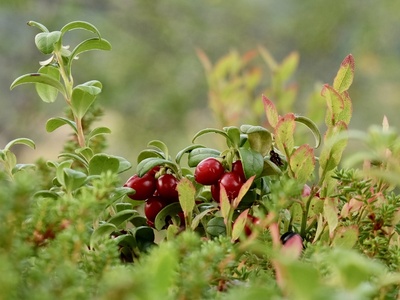
Lingonberry
Firm red berries are tart and slightly astringent, ideal for relishes, sauces and preserves to accompany savory dishes and game. Long-traditional Scandinavian condiment.
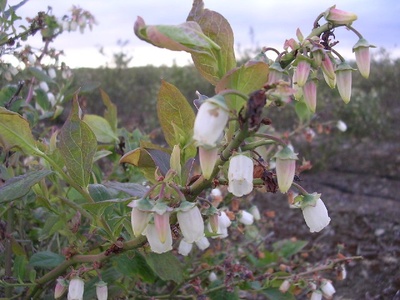
Bilberry (wild blueberry)
Smaller, intensely flavored blueberries used fresh or cooked in jams, pastries and sauces. Rich berry aroma and foresty depth complement both sweet and savory recipes.
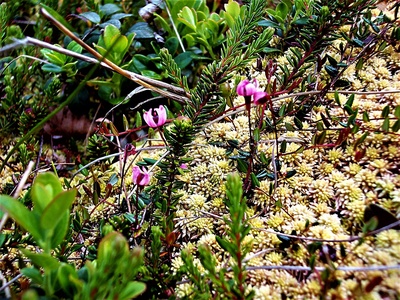
Bog cranberry (small cranberry)
Small tart berries excellent in preserves, sauces and liqueurs. Sharp acid profile suits sweetening or pairing with fatty meats and game.
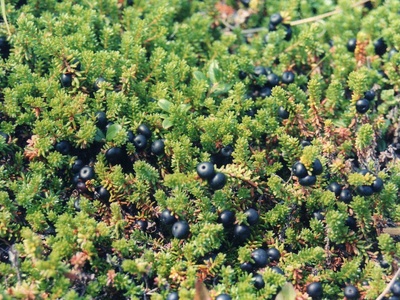
Crowberry
Dark berries have a subdued, earthy flavor used in preserves, fermented drinks and as a buffer in berry blends. Often mixed with sweeter fruits.
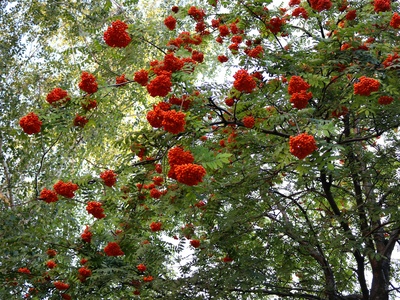
Rowan (mountain ash) berry
Bright orange-red berries are bitter raw but turn pleasant when cooked into jellies, sauces and liqueurs; traditional accompaniment for game and cheeses.
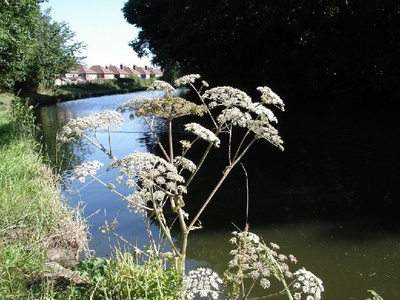
Angelica (wild)
Tall plant with anise-celery aroma; stems candied, roots and seeds used to flavor liqueurs, breads and confections. Wild angelica adds aromatic, herbal depth.
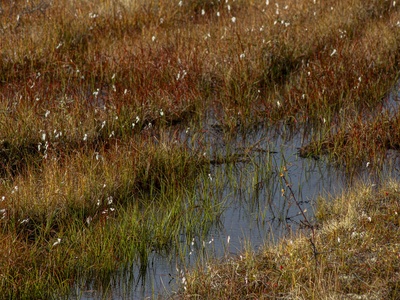
Sweet gale (bog-myrtle)
Leaves historically flavor ales, smoked meats and preserves with a bitter, resinous spice. Use small amounts for beer, marinades or smoking mixes.
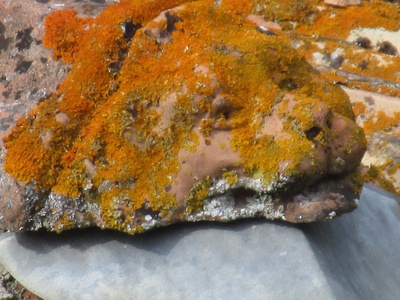
Iceland moss (reindeer lichen)
Lichen processed into flour or used as a thickener and sweetened confection in traditional northern cuisines. Needs soaking and boiling to reduce bitterness.
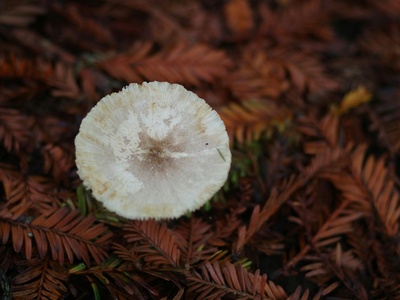
Matsutake (pine mushroom)
Highly aromatic mushroom with spicy, pine-like scent used fresh to perfume rice, soups and broths. Foragers prize its unique umami and fragrance.
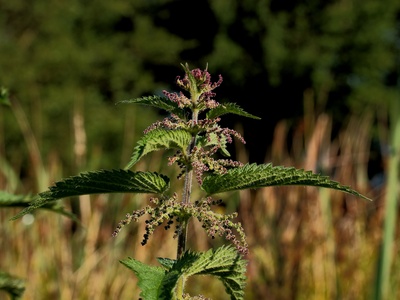
Stinging nettle
Young nettle leaves are cooked into soups, pestos and fillings with a bright, green flavor. Rich in nutrients—always blanch or cook to remove stings.
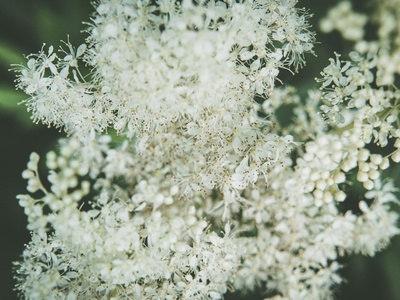
Meadowsweet
Fragrant flowers lend sweet, almond-vanilla notes to custards, syrups and meads. Historically used to flavor desserts and fermented beverages; use small amounts.
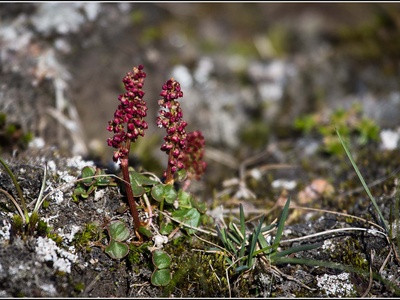
Mountain sorrel
Small sour leaves provide bright lemony tang to salads, sauces and fish dishes. Popular as a natural souring herb where it grows in northern landscapes.