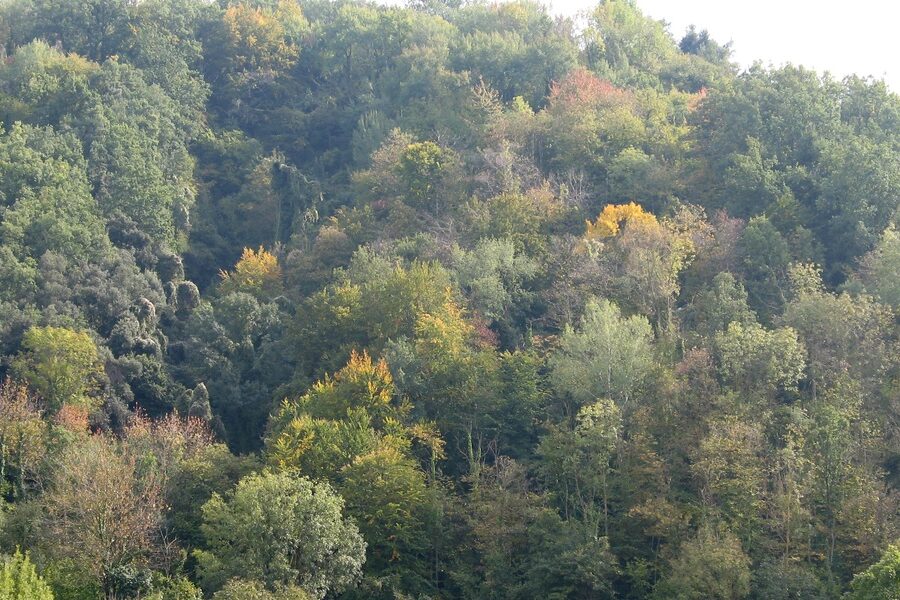
Temperate forests are mosaics of oaks, maples, and pines where fallen trees, leaf litter, and seasonal mortality create steady resources for a diverse cleanup crew. Scavengers play a practical role here, moving nutrients, limiting pathogen build-up, and linking carnivores and decomposers across the landscape.
There are 28 temperate forest scavengers, ranging from American black bear to Wolverine. For each species I provide Scientific name, Typical carrion, Range (temperate regions) so you can quickly compare diets and distribution; you’ll find those details below.
How do scavengers like the American black bear and the wolverine influence forest health?
Scavengers accelerate decomposition and return nutrients to the soil, which supports plant growth and overall productivity; by removing carcasses they also reduce the window for disease transmission and provide food pulses that benefit many species, from insects to raptors, stabilizing local food webs.
Can I safely observe these scavengers without disturbing them or putting pets at risk?
Yes—observe from a distance with binoculars, never feed wildlife, secure attractants like garbage and pet food, and keep pets leashed or indoors; most scavengers avoid people, but large animals should be given space and never approached if they’re feeding on a carcass.
Temperate Forest Scavengers
| Name | Scientific name | Typical carrion | Range (temperate regions) |
|---|---|---|---|
| Corvids | Corvidae | small to large carcasses, roadkill, eggs | Holarctic temperate forests |
| Turkey vulture | Cathartes aura | large mammals, roadkill, carrion | Temperate North America |
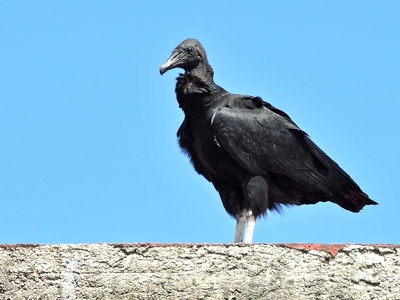
| Black vulture | Coragyps atratus | medium to large carcasses, roadkill | Southeastern temperate North America |
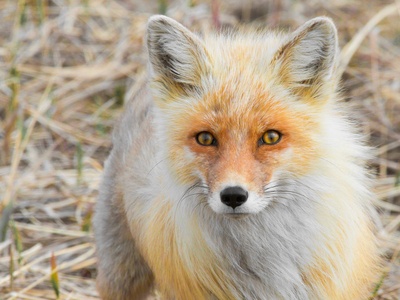
| Red fox | Vulpes vulpes | small mammals, bird carcasses, roadkill | Europe, Asia, North America temperate forests |
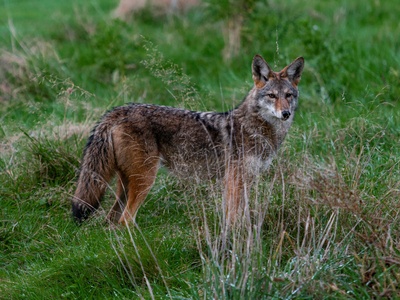
| Coyote | Canis latrans | medium mammals, ungulate carrion, roadkill | Temperate North America |
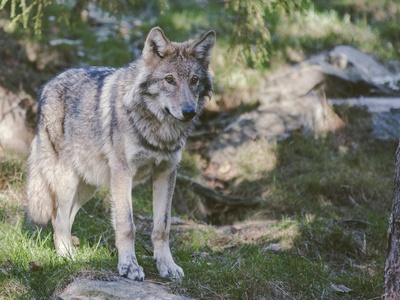
| Gray wolf | Canis lupus | ungulate carcasses, roadkill, large carrion | North America, Eurasia temperate forests |
| Golden jackal | Canis aureus | small to medium carcasses, carrion | Temperate Europe and Asia |
| Raccoon | Procyon lotor | small carcasses, bird remains, invertebrate-rich carrion | Temperate North America |
| Virginia opossum | Didelphis virginiana | roadkill, small carcasses, invertebrates on carrion | Eastern temperate North America |
| American black bear | Ursus americanus | ungulate carcasses, salmon, large carrion | Temperate North America |
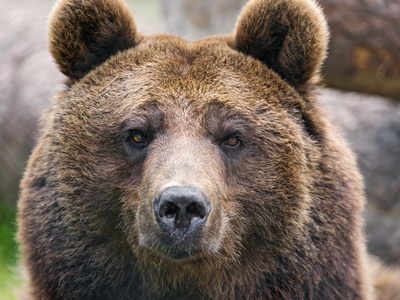
| Brown bear | Ursus arctos | ungulate carcasses, large carrion, scavenged kills | Temperate Eurasia and North America |
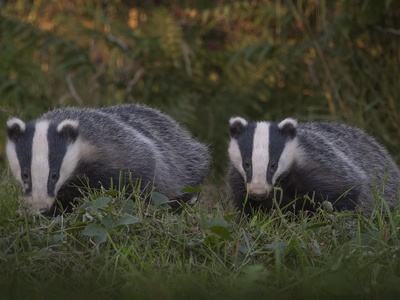
| European badger | Meles meles | carrion, small vertebrates, insect-rich remains | Temperate Europe |
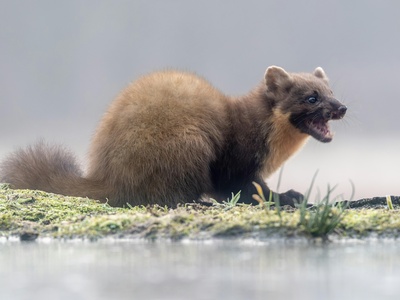
| Pine marten | Martes martes | small carcasses, bird remains, opportunistic carrion | Temperate Europe |
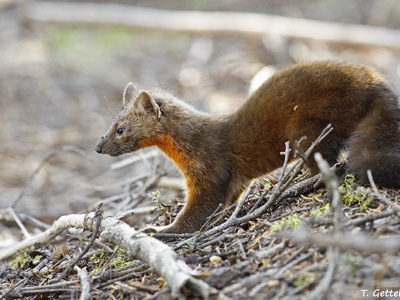
| American marten | Martes americana | small vertebrate carrion, bird carcasses, opportunistic scavenging | Temperate North America |
| Fisher | Pekania pennanti | medium carcasses, bird remains, scavenged kills | Temperate North American forests |
| Wolverine | Gulo gulo | ungulate carcasses, winter-killed prey, large carrion | Northern montane and boreal-temperate forests |
| Striped skunk | Mephitis mephitis | small carcasses, egg remains, roadkill | Temperate North America |
| Buteonine hawks | Buteo spp. | small to medium carcasses, roadkill, nestling remains | Holarctic temperate forests |
| Common buzzard | Buteo buteo | mammal carcasses, roadkill, bird remains | Temperate Europe |
| Red-tailed hawk | Buteo jamaicensis | small to medium carrion, roadkill, vertebrate remains | Temperate North America |
| Burying beetles | Nicrophorus spp. | small vertebrate carcasses (mice, birds) | Temperate forests worldwide |
| Carrion beetles | Silphidae | variously sized carcasses, succession on decaying flesh | Holarctic temperate forests |
| Blow flies | Calliphoridae | fresh carrion, eggs for maggot development | Temperate forests worldwide |
| Dermestid beetles | Dermestidae | dried carcass tissues, skin, feathers, bone remnants | Temperate forests worldwide |
| Ants | Formicidae | small carrion pieces, insect-rich remains, nest provisioning | Global temperate forests |
| Scavenging wasps | Vespidae | small carrion, meat fragments, insect prey on carcasses | Temperate forests worldwide |
| Jays | Garrulus spp.;Cyanocitta spp. | bird carcasses, small vertebrate remains, roadkill scraps | Holarctic temperate forests |
| Magpies | Pica pica | carrion, nestling remains, small carcasses | Temperate Europe and Asia |
Images and Descriptions
Corvids
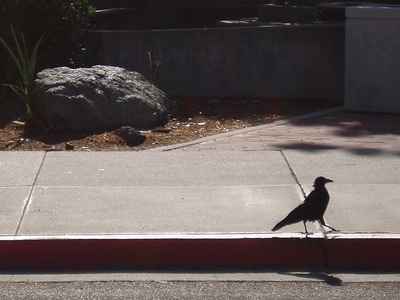
Crows, ravens, magpies and jays are bold forest scavengers. They find roadkill, gut piles and nestling remains, often working edges and canopy gaps. Intelligent and social, corvids speed nutrient recycling and can dominate carcass sites until larger scavengers arrive.
Turkey vulture
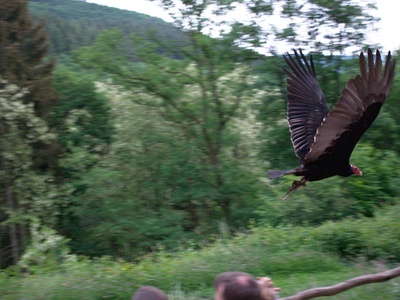
Turkey vultures soar above forest canopies to locate volatile odors from decaying flesh. They specialize on soft tissues of medium to large carcasses and are efficient at cleaning up roadkill and old kills in forest valleys and clearings.
Black vulture
Black vultures forage in wooded and open temperate areas, often with turkey vultures. More social and aggressive, they tear into carcasses quickly and displace smaller scavengers, concentrating nutrient returns near forest edges and riparian corridors.
Red fox
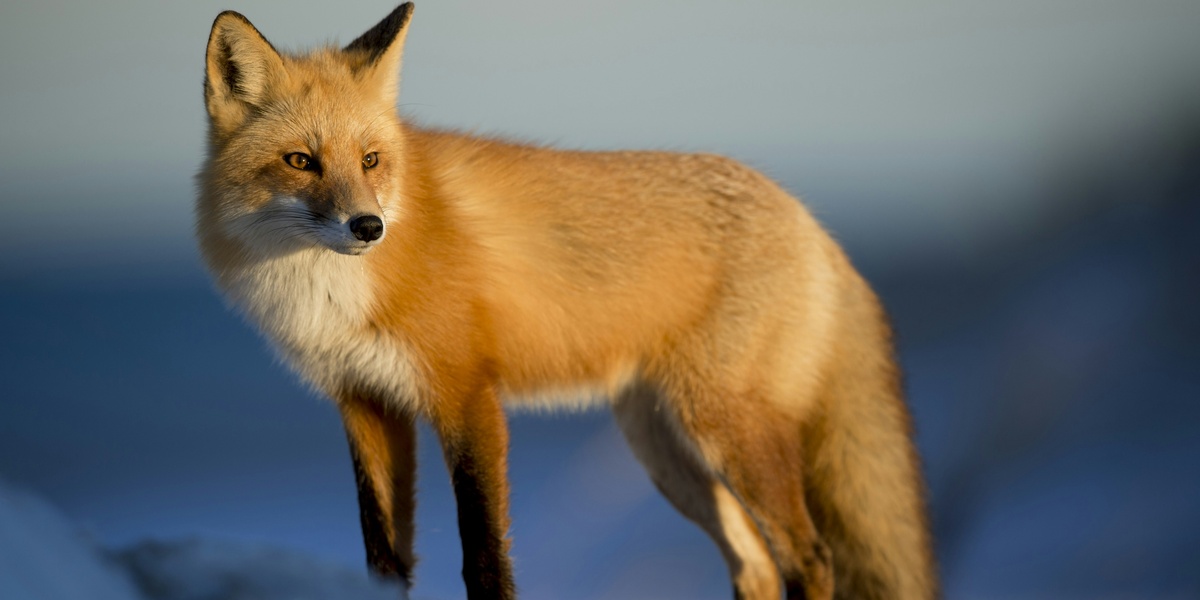
Red foxes scavenge opportunistically, taking roadkill, bird carcasses and leftover big-game remains. In forests they use understory cover and trails to access carcasses at night, helping transfer nutrients and supporting invertebrate scavenger communities.
Coyote
Coyotes frequently scavenge along forest edges and clearings, feeding on deer carcasses, roadkill and killed livestock. They both hunt and scavenge, influencing carcass availability for smaller predators and decomposers and shaping local scavenger hierarchies.
Gray wolf
Wolves kill but also heavily scavenge, feeding on ungulate carcasses and winter-killed animals. In forested landscapes they drag large prey to sheltered sites, leave remains for a host of scavengers, and are keystone providers of carrion resources.
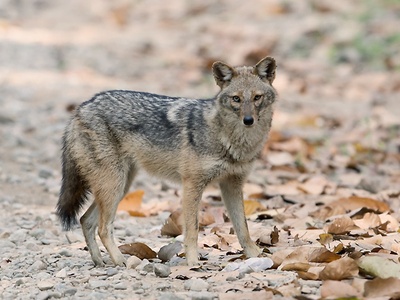
Golden jackal
Golden jackals exploit carcasses in woodland and scrubby temperate habitats, taking small mammal remains and roadkill. Their flexible diet and scavenging help them persist near human-altered forests and subsidize other scavengers with remnants.
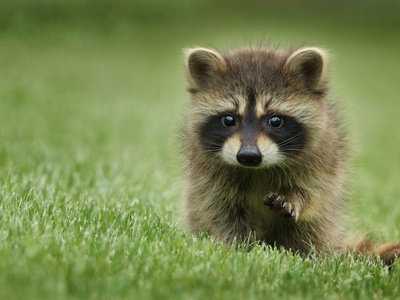
Raccoon
Raccoons are frequent nocturnal scavengers in forests, rifling through carcasses, nests and riverine drift. They eat small vertebrate remains and invertebrates on corpses, moving nutrients between aquatic and terrestrial forest systems.
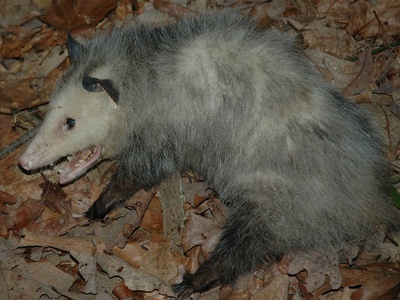
Virginia opossum
Opossums are opportunistic night scavengers, readily consuming roadkill and small dead animals in forests. Their immune tolerance and slow metabolism let them exploit decaying resources, and they transport bits of carrion into dens and burrows.
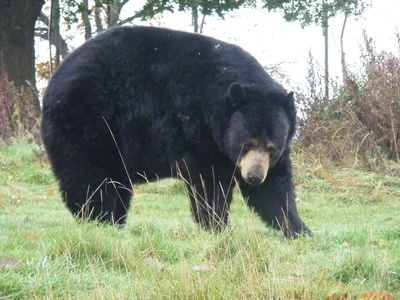
American black bear
Black bears scavenge large carcasses and salmon runs in forested ecosystems, using strength to open carcasses and access marrow. They create localized nutrient hotspots and influence carcass persistence by covering or caching remains.
Brown bear
Brown bears in temperate woodlands opportunistically scavenge ungulate carcasses and leftover kills. Their large size allows access to big carcasses and bones; they redistribute nutrients through feeding sites and transport of meat into forested shelters.
European badger
European badgers are omnivores that commonly scavenge small carcasses and bird remains in woodlands. Using setts near foraging areas, they dig for invertebrates on carcasses and contribute to decomposition by breaking up flesh and bone.
Pine marten
Pine martens take small dead mammals and bird remains in mature temperate forests, often scavenging nestling kills or roadkill. Their arboreal habits let them access carcasses in trees and dense understory, linking canopy and ground scavenger networks.
American marten
American martens in mixed and coniferous temperate forests scavenge small carcasses and nestling remains. They supplement hunting with carrion during lean seasons, aiding nutrient turnover in forest floor microhabitats.

Fisher
Fishers, forest specialists, scavenge medium-sized carcasses and bird remains when available, especially in winter. Their presence at carcasses provides food for nocturnal predators and frees carrion for smaller invertebrate decomposers.
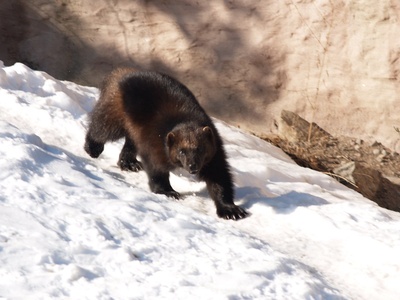
Wolverine
Wolverines are powerful scavengers of winter-killed ungulates and large carcasses in cold temperate mountains and taiga-forest edges. They can transport meat long distances, creating dispersed carcass sites that sustain many smaller scavengers.
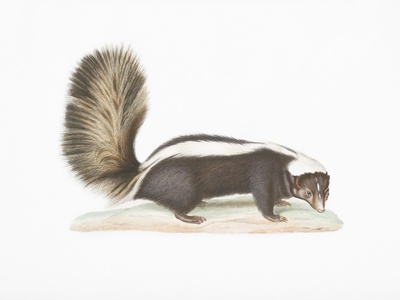
Striped skunk
Skunks forage on small carrion, eggs and insect-rich remains in understory and edge habitats. Nocturnal and opportunistic, they help reduce soft-tissue carrion and expose remains to beetles and flies through digging and tearing.
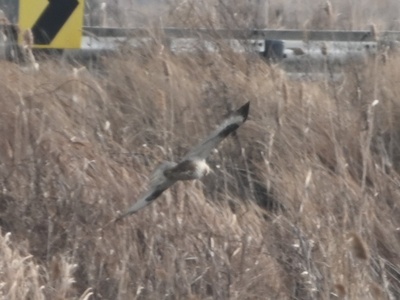
Buteonine hawks
Broad-winged buteonine hawks (buzzards and similar) will scavenge roadkill and small carcasses, especially in colder months. They perch along forest openings and ride thermals, occasionally displacing smaller scavengers and dropping remains that attract insects.
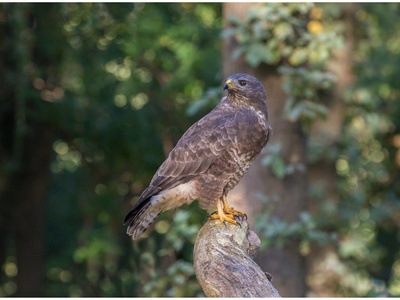
Common buzzard
Common buzzards frequently scavenge carrion in fields adjacent to forests and use woodland perches to spot carcasses. Their scavenging supplies carrion pieces to corvids and invertebrates and helps move nutrients into woodland ecosystems.
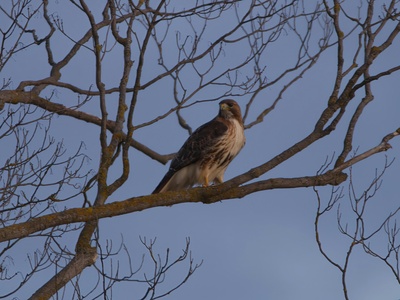
Red-tailed hawk
Red-tailed hawks take roadkill and small carcasses opportunistically, often feeding near forest edges and clearings. Their presence at carcass sites can alter access for smaller scavengers and provide meat scraps for ground-dwelling decomposers.
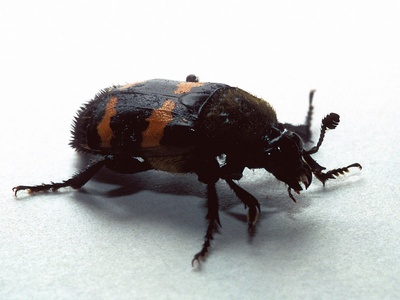
Burying beetles
Burying beetles are forest specialists that locate small carcasses, bury and prepare them to raise larvae. By concealing carcasses they speed recycling in soil, reduce surface scavenging, and support nutrient transfer directly into the forest floor.
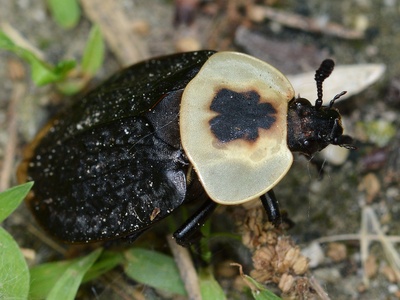
Carrion beetles
Silphid beetles are abundant forest carrion specialists, arriving early or late in decomposition to remove flesh, disperse microbes, and feed larvae. They structure insect successional communities and accelerate nutrient release into forest soils.
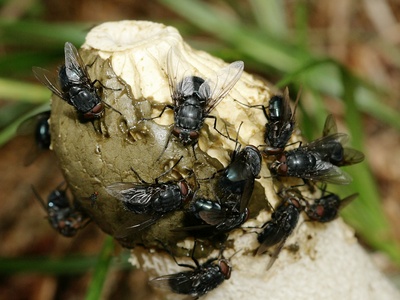
Blow flies
Blow flies are usually the first insects on fresh carcasses in temperate forests. Their maggots rapidly consume soft tissues, producing heat and altering decomposition rates; they are central to nutrient cycling and provide food for insectivores.
Dermestid beetles
Dermestids arrive later in decomposition to clean dried tissues and feathers from bones. In wooded habitats they help finish decomposition, exposing bone and aiding nutrient return to leaf litter and soil communities.
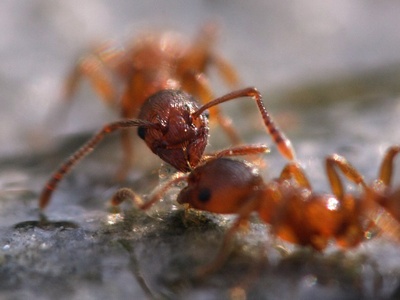
Ants
Forest ants rapidly strip small carcasses and scatter fragments through nests, accelerating decomposition and redistributing protein-rich material underground. Their foraging trails and colonies make them key, often-overlooked contributors to forest carrion processing.
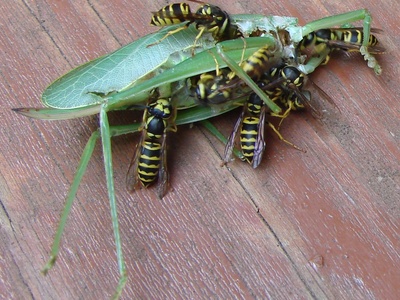
Scavenging wasps
Some social and solitary wasps scavenge meat and forage on carcasses in forest clearings and understory. They cut and carry meat to nests, providing protein to larvae and trimming carrion that then becomes accessible to microbes and beetles.
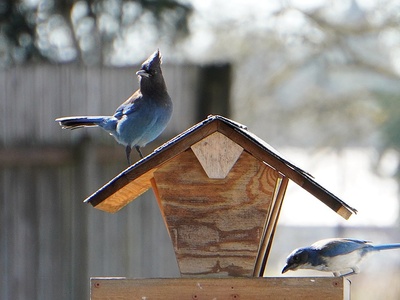
Jays
Jays often scavenge nestling remains and small carcasses in wooded areas, caching meat and moving pieces into tree cavities. Their behavior spreads nutrients through canopy and forest floor, and they may monopolize small carcasses before beetles arrive.
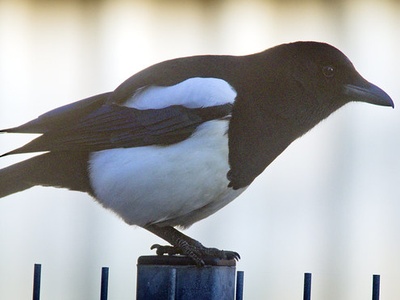
Magpies
Magpies are bold, opportunistic scavengers in farmland-woodland mosaics. They feed on carcasses and dead nestlings at forest edges, frequently transporting food to perches and nests, which concentrates nutrient inputs and benefits scavenger networks.