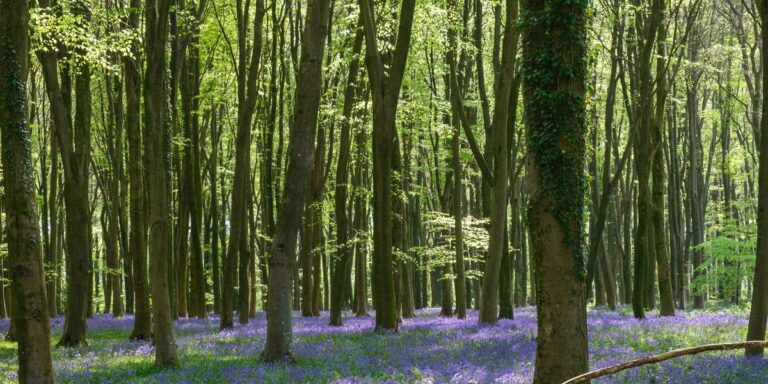
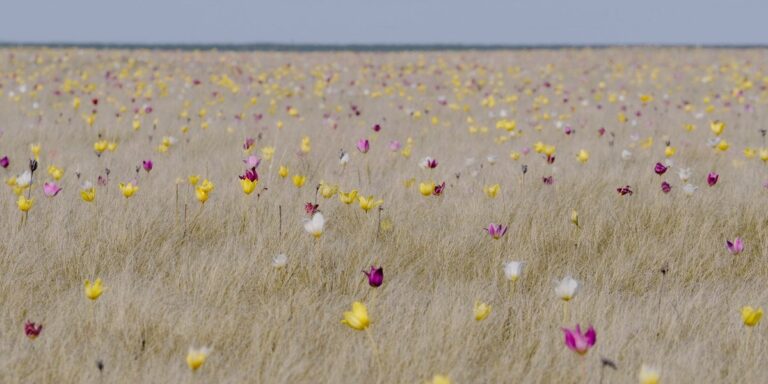
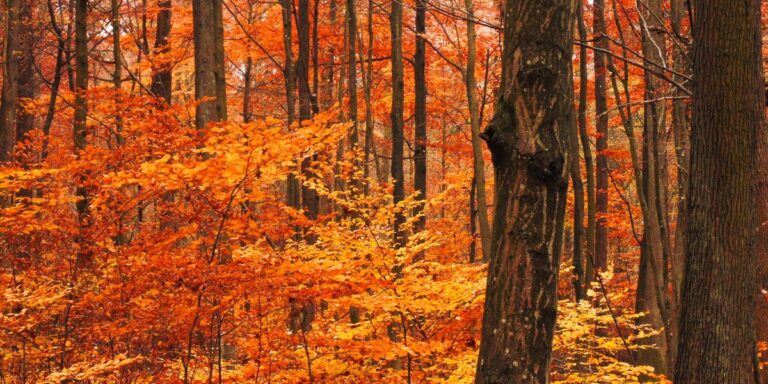
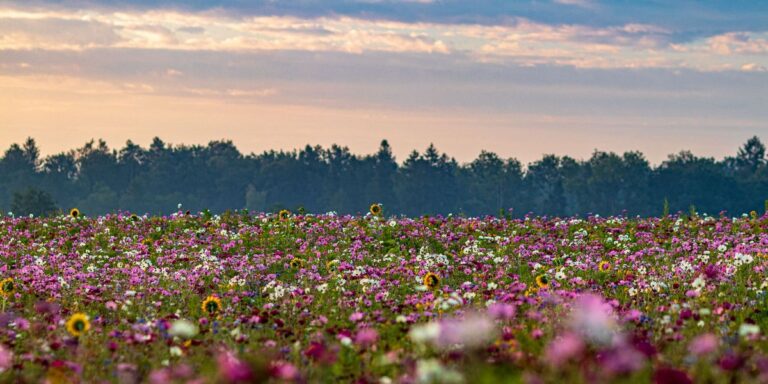
Germany has no single “German flora.” It has six or seven distinct ones, stacked by habitat: beech forest floors that bloom before the leaves open, Alpine meadows above 1,500 meters,…
What Do Douglas Squirrels Eat? A Seasonal Diet Guide
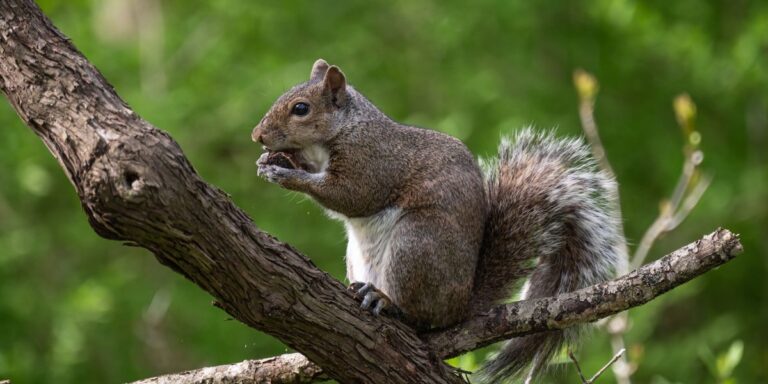
TLDR Douglas squirrels (chickarees) eat mostly conifer seeds, which they harvest by cutting green cones off the tree. The rest of the diet is fungi, especially truffles and mushrooms, plus…
Congaree National Park Snakes: A Visitor’s ID Guide
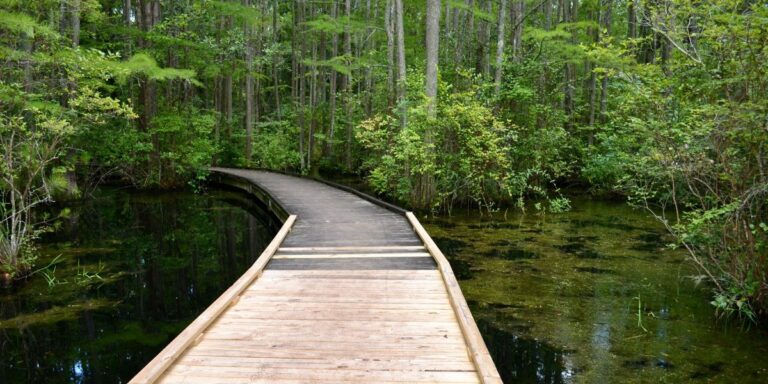
Congaree National Park has 21 snake species, and only three of them are venomous: the timber rattlesnake, the copperhead and the cottonmouth. Bites are rare. Snakes here want nothing to…
Trees of England: Native Species and How to Identify Them
TLDR England has roughly 35 to 40 native tree species, depending on how you count. The ones you’ll meet most often are English oak, ash, beech, silver birch, hazel, rowan…
Poisonous Forest Animals: 12 to Know Before You Hike
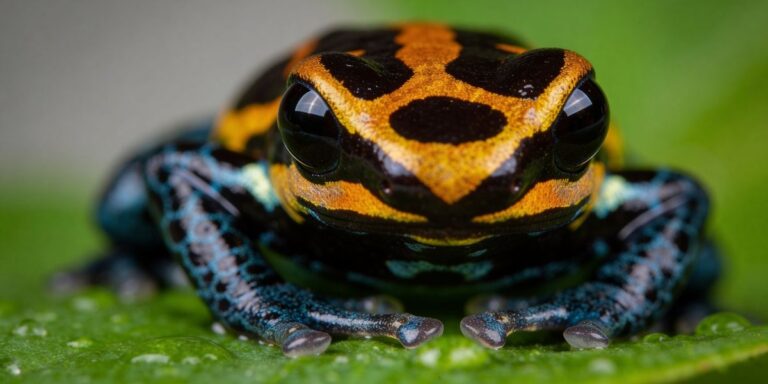
TLDR Contents Poisonous vs venomous: the difference Poisonous animals are toxic to touch or eat. The toxin sits in the skin or tissue, and you only get hurt if you…
Ukraine’s Native Plants: A Field Guide by Ecoregion
Ukraine has roughly 4,600 native vascular plant species, and they don’t live in one place. The country runs from flat black-earth steppe in the south to wet pine forest in…
Temperate Forest Fruits: A Seasonal Field Guide
Temperate forests grow wild apples, pears, plums, cherries, persimmons, pawpaws, hawthorn haws, elderberries, blueberries, raspberries and blackberries, plus nuts like acorns, chestnuts and hazelnuts. Most ripen between late summer and…
Trees of Syria: What Grows There and What Remains
Syria is not the all-desert country most people picture. The trees of Syria grow in four fairly distinct belts: pine, fir and cedar forest on the western mountains, oak woodland…
Invasive Species in Vermont: A Field Guide and Action Plan
TLDR Contents Why invasive species in Vermont are a bigger problem than they look An invasive species isn’t just a non-native one. Plenty of non-native plants sit quietly in gardens…