The Marshall Islands sit across low coral atolls in the central Pacific, where ocean currents and winds shape a compact but varied set of habitats. Life here mixes seabirds, shore species and reef-associated reptiles that reflect both tropical and open-ocean influences.
There are 31 The Marshall Islands’ native animals, ranging from Black noddy to Yellow-bellied sea snake. For each species the list provides Scientific name,Habitat & range,Status (IUCN; Endemic?), and you’ll find below.
Are any of these species unique to the Marshall Islands?
A small number of species and subspecies are endemic or have very restricted ranges, but most birds and marine reptiles also occur on nearby islands or across the Pacific. Check the Status (IUCN; Endemic?) column in the list below for clear indicators of endemism and conservation priority.
What are the main threats and how is their conservation status tracked?
Key threats include habitat loss on low-lying atolls, invasive species, overfishing and climate-driven sea-level rise; coral degradation also affects reef-dependent animals. Conservation status is tracked via IUCN assessments and local monitoring, which are summarized in the Status (IUCN; Endemic?) column you’ll see below.
The Marshall Islands’ Native Animals
| Common name | Scientific name | Habitat & range | Status (IUCN; Endemic?) |
|---|---|---|---|
| Brown noddy | Anous stolidus | reef, nesting on atolls (Majuro, Kwajalein) | LC; Native |
| Black noddy | Anous minutus | reef, atolls (Ratak & Ralik chains) | LC; Native |
| Sooty tern | Onychoprion fuscatus | open ocean, atoll colonies (various) | LC; Native |
| White tern | Gygis alba | trees on atolls, reef islets | LC; Native |
| Red-footed booby | Sula sula | reef, atoll nesting sites | LC; Native |
| Brown booby | Sula leucogaster | coastal reefs, atoll shores | LC; Native |
| Masked booby | Sula dactylatra | offshore atolls, nesting islets | LC; Native |
| Great frigatebird | Fregata minor | open ocean, roosts on atolls | LC; Native |
| Lesser frigatebird | Fregata ariel | open ocean, atoll roosts | LC; Native |
| Wedge-tailed shearwater | Ardenna pacifica | pelagic, nests in burrows on islets | LC; Native |
| Pacific reef heron | Egretta sacra | rocky shores, lagoon edges, atolls | LC; Native |
| Humpback whale | Megaptera novaeangliae | offshore waters, migratory routes | LC; Native |
| Sperm whale | Physeter macrocephalus | deep offshore waters | VU; Native |
| Spinner dolphin | Stenella longirostris | lagoon entrances, offshore | LC; Native |
| Bottlenose dolphin | Tursiops truncatus | coastal, reef edges, passes | LC; Native |
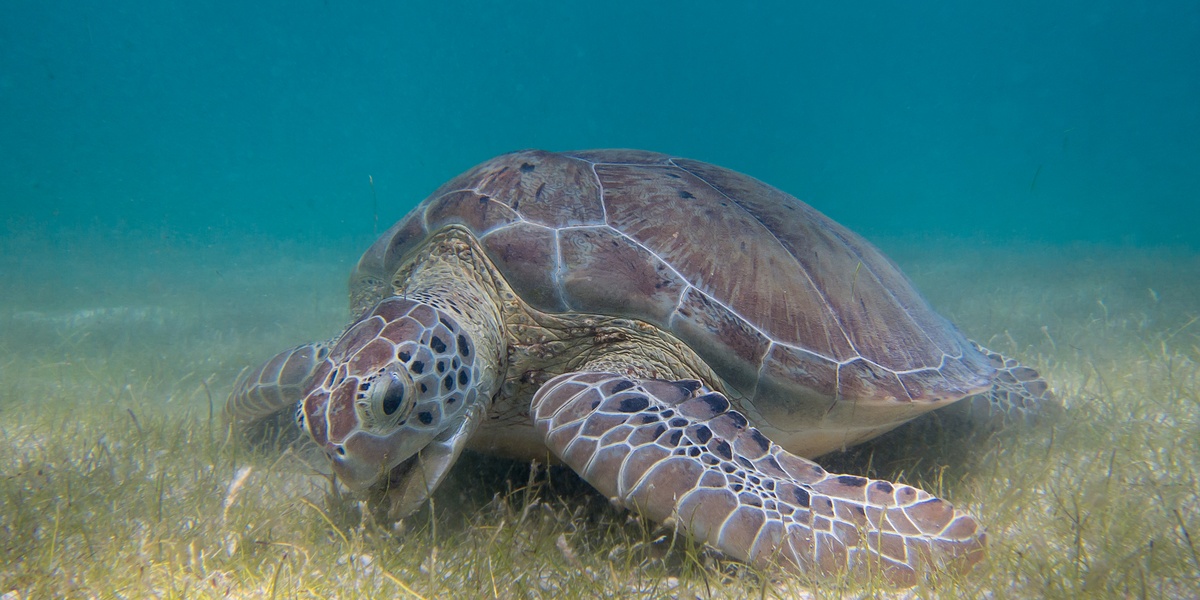
| Green turtle | Chelonia mydas | beaches, lagoons, nesting sites | EN; Native |
| Hawksbill turtle | Eretmochelys imbricata | reef, nesting on islets | CR; Native |
| Leatherback turtle | Dermochelys coriacea | pelagic, occasional nesting | CR; Native |
| Blacktip reef shark | Carcharhinus melanopterus | shallow reef flats, lagoons | VU; Native |
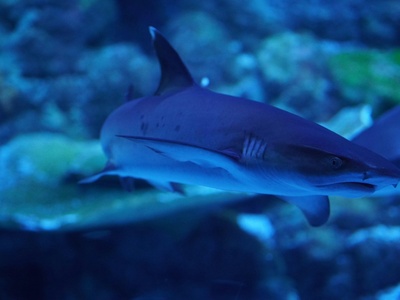
| Whitetip reef shark | Triaenodon obesus | reef crest, caves, lagoons | VU; Native |
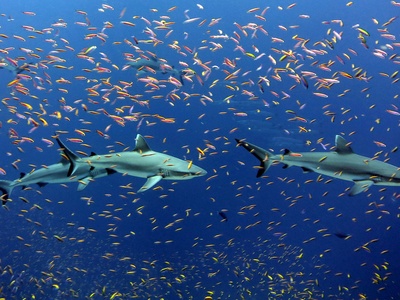
| Grey reef shark | Carcharhinus amblyrhynchos | reef slope, drop-offs | EN; Native |
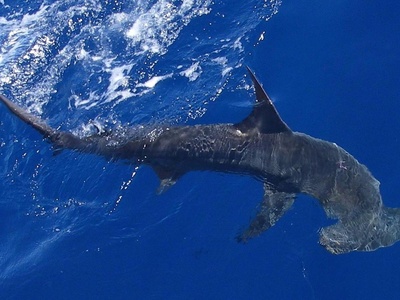
| Oceanic whitetip shark | Carcharhinus longimanus | offshore pelagic waters | CR; Native |
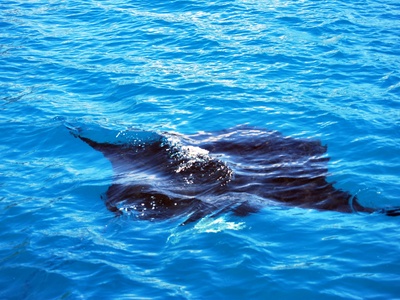
| Giant manta ray | Mobula birostris | open ocean, near reefs | EN; Native |
| Humphead wrasse (Napoleon) | Cheilinus undulatus | reef slopes, lagoons | EN; Native |
| Bumphead parrotfish | Bolbometopon muricatum | reef crest, lagoons | VU; Native |
| Giant trevally | Caranx ignobilis | reef, lagoons, coastal waters | LC; Native |
| Coconut crab | Birgus latro | coastal forest, islets | VU; Native |
| Yellow-bellied sea snake | Hydrophis platurus | open ocean, lagoon waters | LC; Native |
| Leatherjacket triggerfish (Clown trigger) | Balistapus undulatus | reef, lagoon surge zones | LC; Native |
| Blue-lined snapper | Lutjanus kasmira | reef, lagoon channels | LC; Native |
| Spotted eagle ray | Aetobatus narinari | reef flats, lagoons | NT; Native |
Images and Descriptions
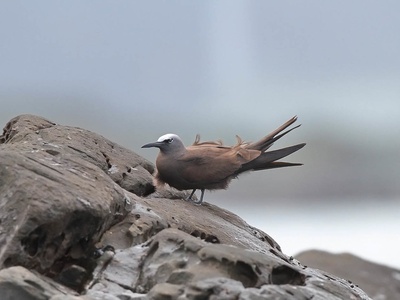
Brown noddy
A graceful seabird ~30 cm long that nests in colonies on atoll trees and cliffs. Common across Marshall atolls, known for cliffside colonies and daytime fishing flights; important as a widespread, low-risk seabird indicator.
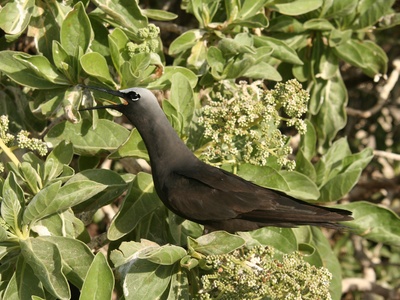
Black noddy
A dark seabird about 28 cm long, often nesting in trees on small islets. Common around lagoons and reefs; notable for tucking nests into vegetation and feeding on small fish near the surface.
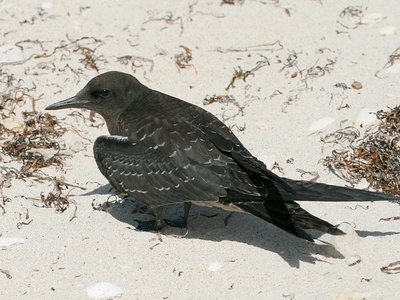
Sooty tern
A slender, 33 cm seabird that breeds in dense colonies on sandy or vegetated islets. Highly pelagic and abundant, it spends much time at sea and returns to nest in huge numbers on Marshall atolls.
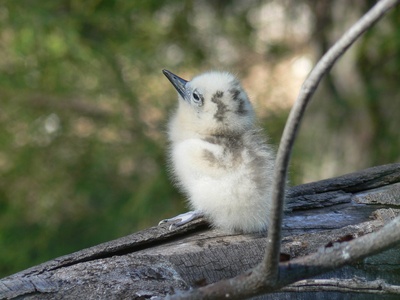
White tern
A delicate, 25–30 cm white seabird that often nests on bare branches without a traditional platform. Common on small islets, notable for floating-like flight and tiny single-egg nests perched in trees.
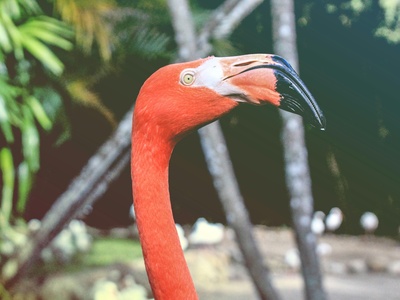
Red-footed booby
A medium-large seabird ~75 cm long with distinctive red feet. Breeds in trees on remote atolls, feeds on surface fish; famous for aerial displays and colorful feet used in mate choice.
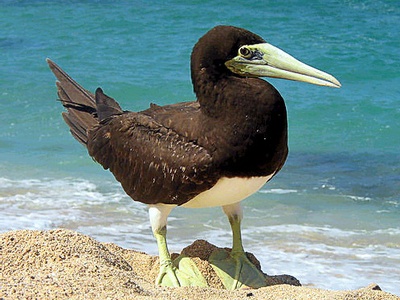
Brown booby
A sturdy seabird about 64 cm long that plunges for fish from the air. Nests on ground or low vegetation on islets; common around lagoons and reef edges, notable for powerful dives.
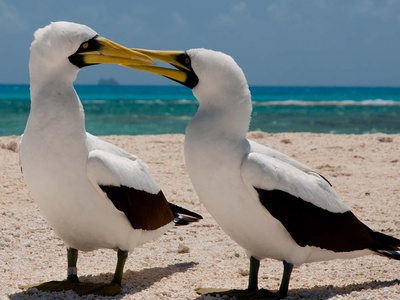
Masked booby
A large booby ~78 cm long with a white body and dark face. Nests in sparse colonies on remote islets; classic oceanic seabird of Marshall reefs known for cliffless nesting sites.
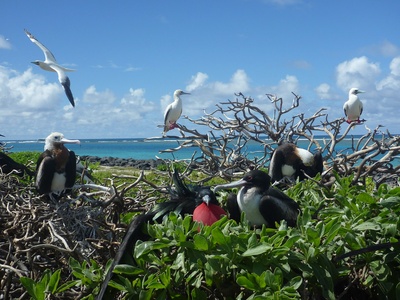
Great frigatebird
A large seabird with ~90 cm body length and 200+ cm wingspan, famous for aerial piracy and inflatable throat pouch. Roosts on isolated islets and forages widely over the Marshall Islands.
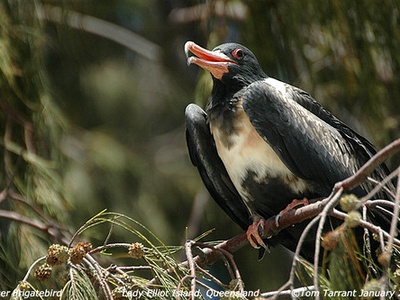
Lesser frigatebird
Smaller frigatebird around 75–85 cm body length with long wings and forked tail. Roosts on atoll trees, steals food from other seabirds, and breeds in small colonies on remote islets.
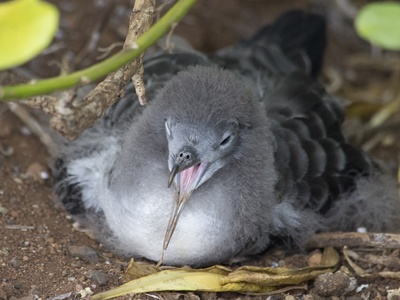
Wedge-tailed shearwater
A medium seabird ~35–40 cm long that nests in burrows or under vegetation on atolls. Forages far offshore by night and is a regular, noisy breeder on some Marshall islets.
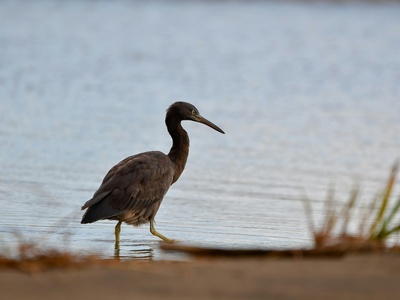
Pacific reef heron
A stealthy heron ~50–60 cm that comes in dark or pale morphs. Hunts crabs and small fish on reef flats; commonly seen on lagoon margins and rocky reef platforms across atolls.
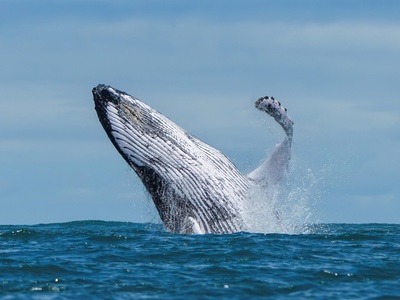
Humpback whale
A large migratory whale reaching 400–500 cm? (body length 4–16 m) that passes Marshall waters seasonally. Notable for breaching, long pectoral fins and migratory connections; occasional local sightings during migrations.
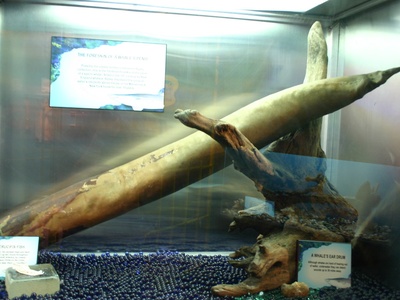
Sperm whale
A massive deep-diving whale up to 1,200–1,600 cm (10–16 m) known for square heads and loud clicks. Occurs in deep waters around the Marshall Islands and is vulnerable due to past whaling and slow recovery.
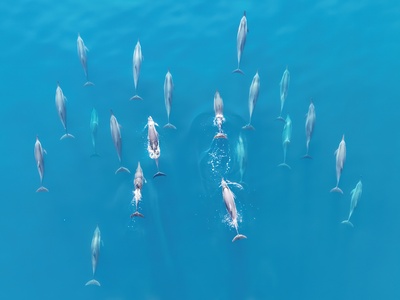
Spinner dolphin
A small, acrobatic dolphin about 150–200 cm long known for daytime spinning leaps. Common in tropical Pacific waters around atolls and often seen around reef passes and shallow lagoons.
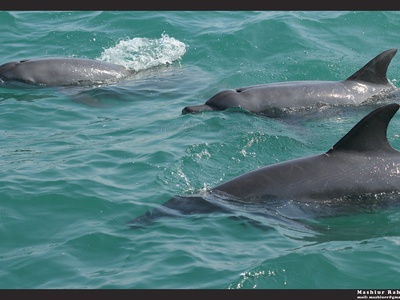
Bottlenose dolphin
A robust dolphin 200–300 cm long known for intelligence and frequent human encounters. Occasional groups patrol atoll edges and passes; adaptable and widespread in Marshall waters.
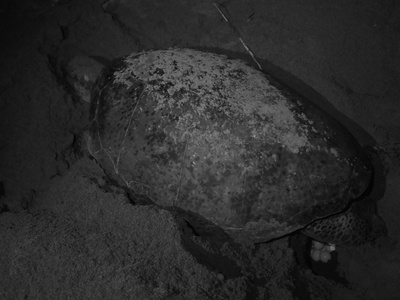
Green turtle
A large marine turtle up to 100 cm carapace length that nests on remote atolls. Green turtles are important local nesters in the Marshalls and face threats from fisheries and habitat loss.
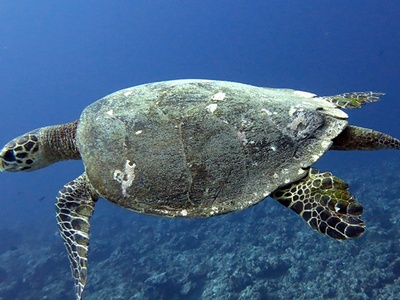
Hawksbill turtle
A smaller, ornate-shelled turtle ~70–90 cm carapace length that forages on reefs. Hawksbills nest and feed around Marshall reefs; critically endangered due to historic shell trade and ongoing threats.
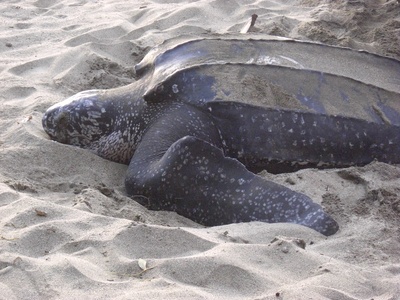
Leatherback turtle
The largest sea turtle up to 1,000–1,500 cm (3–4.5 m) length, mostly pelagic and occasionally passes Marshall waters. Critically endangered and notable for deep diving and jellyfish diet.
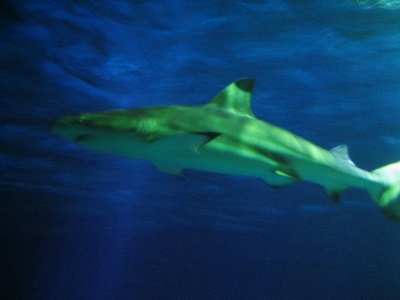
Blacktip reef shark
A small reef shark typically 120–150 cm long, common in shallow lagoons and reef flats. Easily seen near snorkel sites, active hunters of small reef fish and important reef predators.
Whitetip reef shark
Slender reef shark about 120–180 cm long that rests in caves and hunts at night. Very reef-associated, commonly seen in Marshall atoll reefs, and plays a key role in reef ecology.
Grey reef shark
A powerful predator reaching 150–200 cm long that patrols outer reef slopes. Common around deep reef edges of Marshall atolls; conservation concern due to targeted fishing and slow reproduction.
Oceanic whitetip shark
A wide-ranging pelagic shark often exceeding 200 cm, recognizable by rounded fins with white tips. Uses open ocean around the Marshalls and is critically endangered from historic pelagic fisheries.
Giant manta ray
A huge ray with wingspans up to 500–600 cm that visits Marshall waters to feed on plankton. Impressive and vulnerable, manta sightings are special and important for ecotourism and conservation.
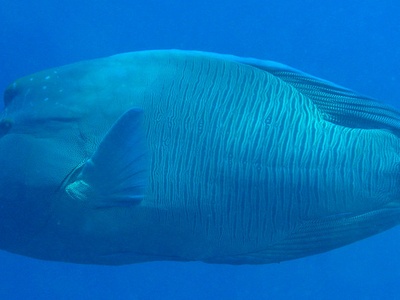
Humphead wrasse (Napoleon)
A large wrasse up to 200 cm long with a distinctive forehead hump. Slow-growing, reef-associated and vulnerable to overfishing; prized by fisheries and important for reef health.
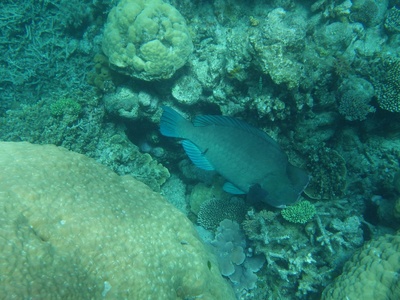
Bumphead parrotfish
A massive parrotfish reaching 100–120 cm that scrapes coral, shaping reef structure. Diurnal and conspicuous, its grazing influences coral growth and it’s vulnerable from overharvest.
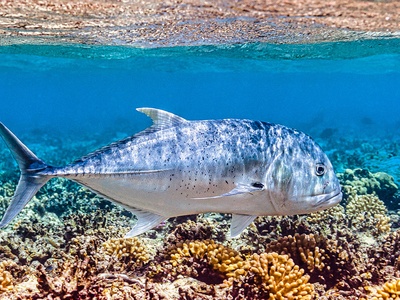
Giant trevally
A robust predatory fish up to 170 cm that patrols reef edges and channels. Powerful and sought by anglers, giant trevally are common apex predators in Marshall nearshore waters.
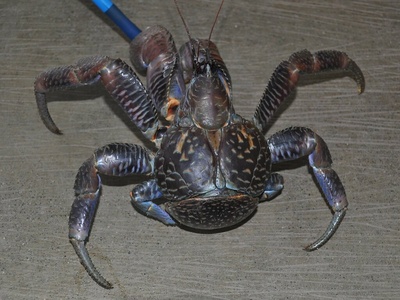
Coconut crab
The largest terrestrial arthropod with leg span often >100 cm, reaching 40–60 cm body size. Lives in coastal forest and on atolls, notable for climbing palms and cultural importance on many Pacific islands.
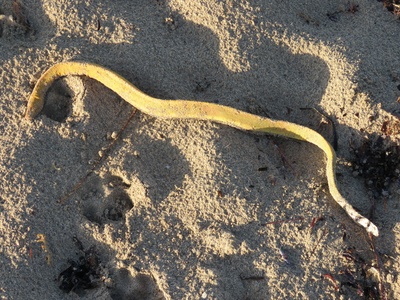
Yellow-bellied sea snake
A pelagic sea snake about 80–100 cm long with a yellow belly that floats at the surface. Widely distributed in tropical oceans, occasionally found around Marshall lagoons and reef passages.

Leatherjacket triggerfish (Clown trigger)
A medium triggerfish around 30–45 cm known for bold behavior on reefs. Common on reef flats and lagoons of the Marshalls, notable for strong jaws that bite coral and invertebrates.
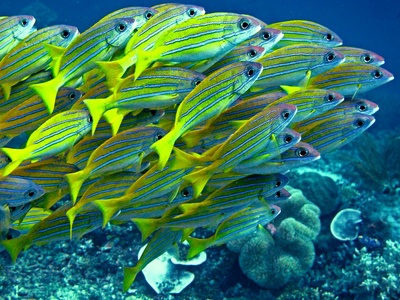
Blue-lined snapper
A schooling snapper about 25–30 cm long often seen in large shoals on reef slopes and lagoon passes. Brightly colored and common, important both ecologically and for small-scale fisheries.
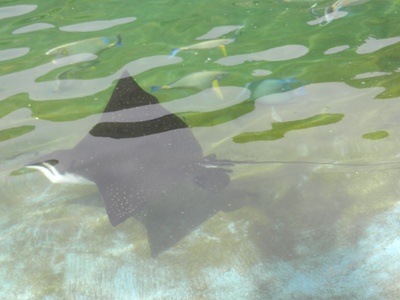
Spotted eagle ray
A large ray with wingspan often 150–200 cm, feeding on mollusks and crustaceans. Graceful swimmer in lagoon and reef waters of the Marshalls; locally visible near passes and sandy flats.