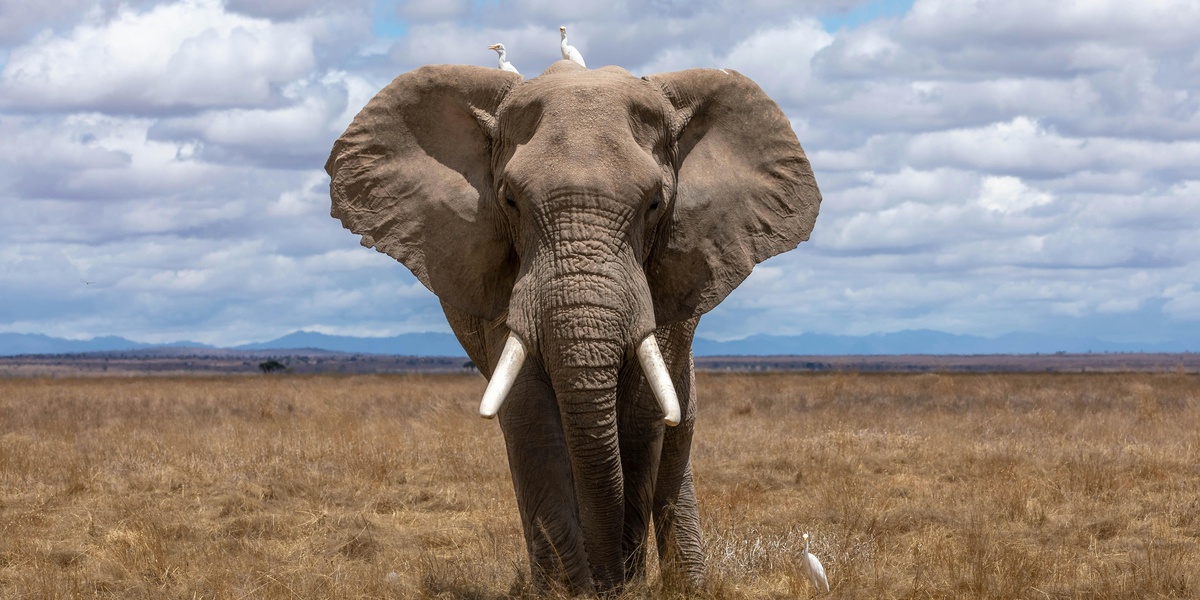
Togo’s varied landscapes — coastal lagoons, woodlands, savanna and pockets of semi-deciduous forest — support a surprising mix of wildlife for a country its size. Whether you’re interested in birdwatching along the coast or looking for mammals in protected parks, Togo’s ecosystems give a useful snapshot of West African biodiversity.
There are 21 Togo’s native animals, ranging from African brush-tailed porcupine to Yellow-billed kite. For each entry, you’ll find below the Scientific name, Class & where found, IUCN status to help compare range, habitat and conservation concern — you’ll find below.
Which species on the list are most at risk in Togo?
Look at the IUCN status column for a quick guide: some species are listed as Vulnerable or Near Threatened due to habitat loss, hunting and changing land use. The list highlights those statuses so you can see which animals need the most attention locally.
Where in Togo are you most likely to observe these native animals?
Focus on protected areas like Fazao-Malfakassa and Kéran National Parks, coastal wetlands and remnant forest patches; early morning or late afternoon are best for sightings, and local guides increase your chances while keeping encounters safe and respectful.
Togo’s Native Animals
| Name | Scientific name | Class & where found | IUCN status |
|---|---|---|---|
| Mona monkey | Cercopithecus mona | mammal & southern moist forests and forest patches, Fazao-Malfakassa edges | Least Concern |
| Patas monkey | Erythrocebus patas | mammal & northern savanna, open woodland and agricultural mosaic, Kéran area | Least Concern |
| African civet | Civettictis civetta | mammal & forests, gallery woodland and savanna edges, widespread including reserves | Least Concern |
| Common genet | Genetta genetta | mammal & woodlands, savanna edges, villages and reserves across Togo | Least Concern |
| Red-flanked duiker | Cephalophus rufilatus | mammal & lowland and gallery forest in southern Togo and protected patches | Least Concern |
| Bushbuck | Tragelaphus scriptus | mammal & forest edges, riverine thickets and protected areas like Fazao-Malfakassa | Least Concern |
| White-bellied pangolin | Phataginus tricuspis | mammal & primary and secondary rainforest, nocturnal in southern forest fragments | Endangered |
| West African manatee | Trichechus senegalensis | mammal & coastal lagoons, estuaries, Lake Togo and larger rivers | Vulnerable |
| African brush-tailed porcupine | Atherurus africanus | mammal & forest floor, secondary growth and forested reserves in southern Togo | Least Concern |
| African savanna hare | Lepus microtis | mammal & savanna, open fields and farmland in central and northern Togo | Least Concern |
| African grey parrot | Psittacus erithacus | bird & southern moist forest canopy and large remnant trees in protected forest | Endangered |
| Senegal parrot | Poicephalus senegalus | bird & savanna woodlands, gallery forest and farms across Togo | Least Concern |
| Hooded vulture | Necrosyrtes monachus | bird & open areas, towns and savanna where carrion occurs | Critically Endangered |
| African fish eagle | Haliaeetus vocifer | bird & rivers, Lake Togo, coastal lagoons and large wetlands | Least Concern |
| Pied kingfisher | Ceryle rudis | bird & lakes, rivers and coastal lagoons including Lake Togo | Least Concern |
| African jacana | Actophilornis africana | bird & floating vegetation of wetlands and coastal lagoons (Lake Togo) | Least Concern |
| Yellow-billed kite | Milvus aegyptius | bird & widespread in open habitats, savanna, towns and wetlands across Togo | Least Concern |
| White-throated bee-eater | Merops albicollis | bird & savanna, sandbanks and open woodland in central and northern Togo | Least Concern |
| Nile monitor | Varanus niloticus | reptile & rivers, wetlands and coastal lagoons including Lake Togo and Oti River | Least Concern |
| African rock python | Python sebae | reptile & gallery forest, wetlands and savanna edges in protected areas | Least Concern |
| West African crocodile | Crocodylus suchus | reptile & rivers, lagoons and larger wetlands including coastal estuaries | Least Concern |
Images and Descriptions
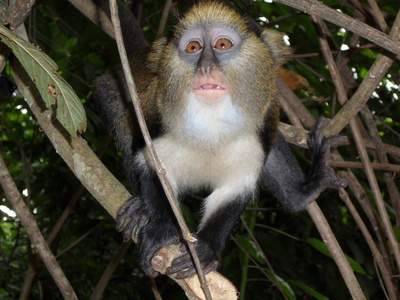
Mona monkey
A small, lively forest primate found in southern Togo’s remnant forests and forest edges. Diurnal and vocal, it forages in the canopy; best seen in protected forest patches and riparian woodlands near villages and reserves.
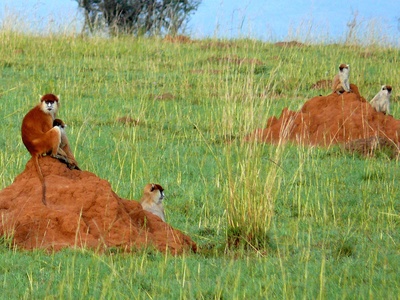
Patas monkey
A fast, ground-foraging monkey of northern and central savannas. Patas monkeys favor open woodland and farmland edges; they’re often spotted in Kéran and surrounding savanna parks during daylight hours foraging for seeds and insects.
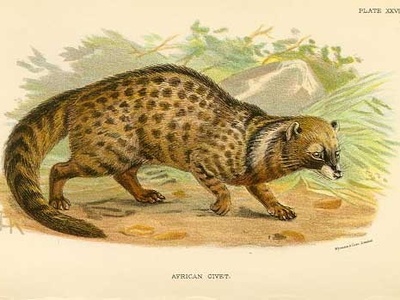
African civet
A nocturnal, omnivorous carnivore with a distinctive masked face and musky scent. African civets forage along forest edges, riverine strips and near farmland; secretive but occasionally seen on night drives in protected areas.
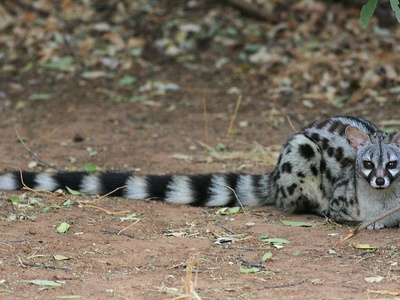
Common genet
A slender, nocturnal carnivore with spotted fur and a long tail. Genets are adaptable, living in woodland, farmland and near human settlements; best glimpsed at night near forest edges and abandoned structures.
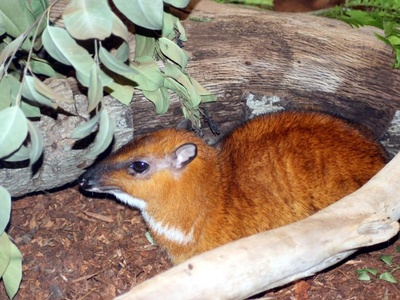
Red-flanked duiker
A small, shy forest antelope that prefers dense understory and gallery forests. The red-flanked duiker grazes and browses quietly in southern forest patches; sightings are best early morning or dusk in reserves.
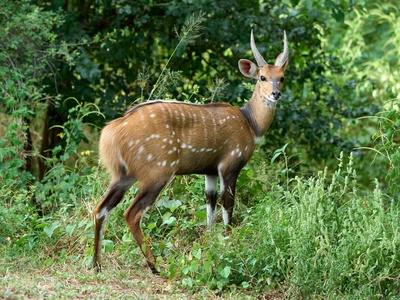
Bushbuck
A medium-sized, solitary antelope of forest margins and riparian vegetation. Bushbuck are cryptic but widespread in Togo’s wooded valleys and park edges; they are most active at dawn and dusk in thickets and gallery forest.
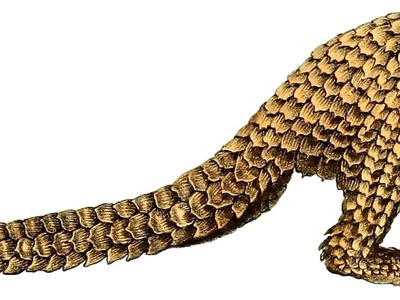
White-bellied pangolin
A small, nocturnal, tree-climbing pangolin feeding on ants and termites. Threatened by hunting and trade, it persists in southern forest fragments and protected patches; rare sightings but a conservation priority in Togo’s forests.

West African manatee
A slow-moving, aquatic herbivore of coastal lagoons and estuaries. West African manatees use Lake Togo and riverine mangroves; vulnerable to hunting and habitat loss, they are most often detected by locals and occasional surveys.
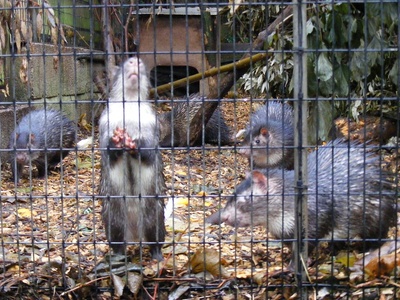
African brush-tailed porcupine
A nocturnal, ground-dwelling porcupine common in forested parts of southern Togo. It shelters in burrows and roots, feeding on roots and fallen fruit; often detected by chewed vegetation and quill fragments near reserves.
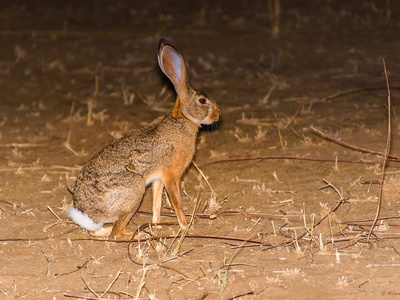
African savanna hare
A swift, crepuscular lagomorph of open country and cultivated areas. The savanna hare grazes grasses and forbs in central and northern Togo and is commonly flushed from roadside grasslands and fallow fields.
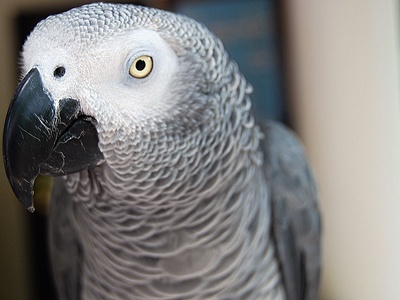
African grey parrot
A large, highly intelligent parrot of southern rainforest canopy. African grey parrots are prized for mimicry and threatened by trapping; best seen in quiet forest reserves where canopy flocks feed on fruits and seeds.
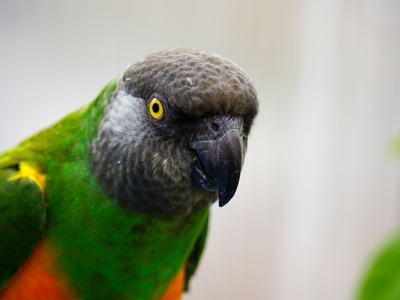
Senegal parrot
A small, stocky parrot found in open woodland and agricultural landscapes. Senegal parrots form noisy flocks and nest in tree cavities; common across central and northern Togo and easy to spot at fruiting trees.
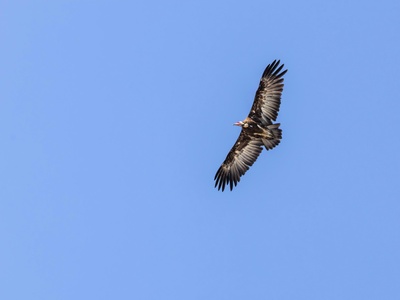
Hooded vulture
A small, declining vulture often seen around towns, markets and carcass sites. Hooded vultures play a vital scavenging role but have crashed from poisoning and persecution; occasional individuals still occur across Togo’s open landscapes.
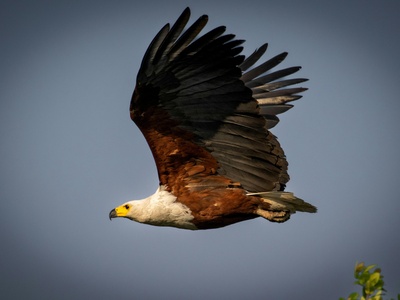
African fish eagle
A striking raptor with a white head and loud call that patrols rivers and lagoons. African fish eagles are regularly seen fishing on Lake Togo and river channels, often perched on snags and coastal trees.
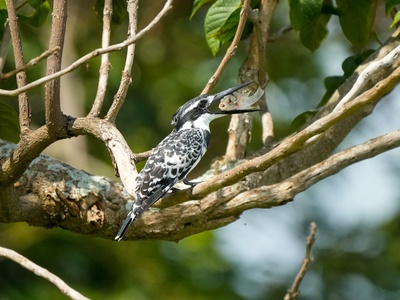
Pied kingfisher
A bold, hovering kingfisher often seen over lagoons and rivers. Pied kingfishers dive for fish in shallow water and are common around Lake Togo and coastal estuaries, where they perch on reeds and posts.
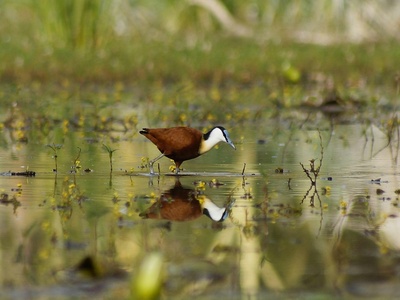
African jacana
A delicate wetland bird with long toes that walks on floating vegetation. African jacanas forage on lily pads and shallow lagoons and are commonly seen on Lake Togo and other wetland fringes in the country.
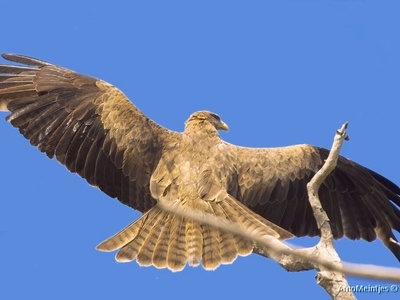
Yellow-billed kite
A common, opportunistic raptor sweeping open skies above towns, farmland and wetlands. Yellow-billed kites are ubiquitous across Togo, scavenging and hunting insects; easily observed perched on roadside posts and soaring above markets.

White-throated bee-eater
A colorful, gregarious insect-eater that nests in sandy banks and open woodland. White-throated bee-eaters form agile flocks in the north and central savannas, catching bees and dragonflies on the wing.
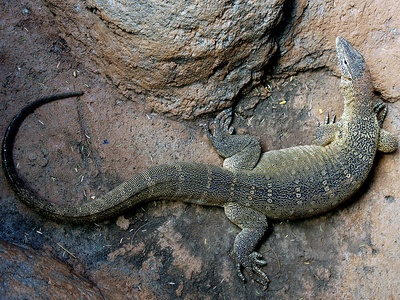
Nile monitor
A large, semi-aquatic lizard frequently found along rivers and lagoons. Nile monitors forage for fish and carrion around Lake Togo and riverbanks; bold and often visible basking on logs and shoreline debris.
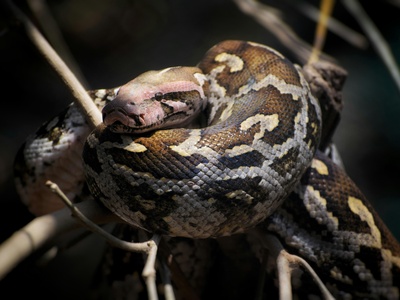
African rock python
A heavy-bodied constrictor inhabiting riverine forest, marshes and savanna edges. African rock pythons hide in thick vegetation near water; large specimens occur in Togo’s protected reserves and river valleys.
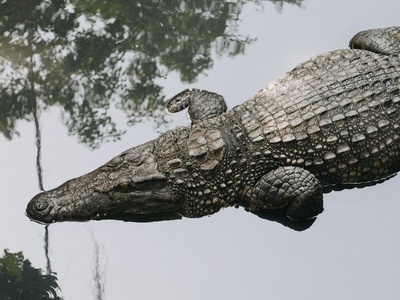
West African crocodile
A freshwater crocodile of rivers and coastal lagoons, using mangroves and deep pools for shelter. West African crocodiles occur in Togo’s larger waterways and lagoons such as Lake Togo; sightings are occasional and best with local guides.