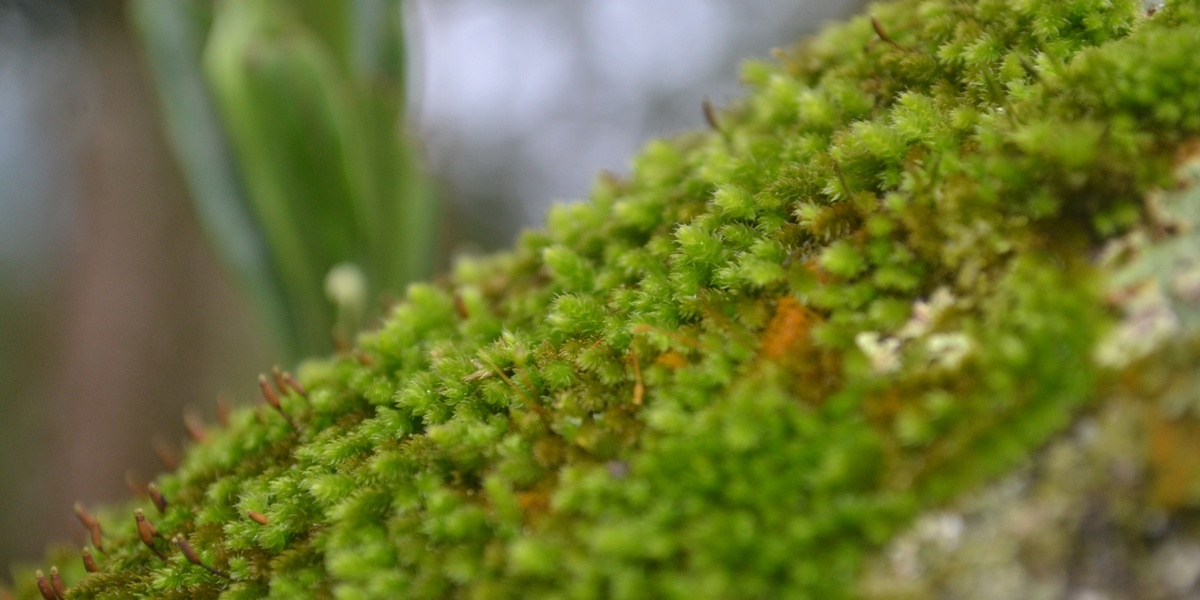
Walking through a humid rainforest or peering into a well-kept terrarium, you start to notice low carpets of green that hold moisture and host tiny invertebrates; they change the look and function of every surface they cover. Those little plants are easy to miss but tell you a lot about local humidity and light patterns.
There are 27 tropical moss, ranging from Calymperes Moss to White Moss. For each entry we list Scientific name,Native region,Care (light, humidity %, temp °C) — you’ll find below.
How should I set up light and humidity for tropical moss in a terrarium?
Aim for bright, indirect light rather than direct sun; many tropical mosses prefer shaded conditions. Keep humidity high (typically 70–90%) with regular misting or a covered container, and maintain steady temperatures in the range most species prefer (often around 18–25°C).
Can tropical moss survive outdoors in non-tropical climates?
Some can if you mimic their microclimate: choose sheltered, shaded spots with consistently moist substrate and protection from frost. Otherwise use pots or terrariums to control humidity and temperature, since many tropical species are sensitive to cold and drying winds.
Tropical Moss
| Name | Scientific name | Native region | Care (light, humidity %, temp °C) |
|---|---|---|---|
| Java Moss | Taxiphyllum barbieri | Southeast Asia | Low-High light, N/A (aquatic), 20-28°C |
| Christmas Moss | Vesicularia montagnei | Tropical Asia | Low-Medium light, N/A (aquatic), 22-28°C |
| Weeping Moss | Vesicularia ferriei | Southeast Asia | Low-Medium light, 70-95%, 22-28°C |
| Flame Moss | Taxiphyllum sp. ‘Flame’ | Southeast Asia | Medium light, N/A (aquatic), 22-28°C |
| Phoenix Moss | Fissidens fontanus | North America, including subtropical regions | Low-Medium light, N/A (aquatic), 18-26°C |
| Giant Phoenix Moss | Fissidens nobilis | Tropical and subtropical Asia | Low-Medium light, 80-95%, 20-27°C |
| Tropical Sphagnum | Sphagnum perichaetiale | Pantropical (Americas, Africa, Asia, Australia) | Medium-High light, 85-100%, 20-28°C |
| White Cushion Moss | Leucobryum juniperoideum | Neotropics (Central/South America), SE Asia | Medium-High light, 75-90%, 22-28°C |
| Giant Moss | Dawsonia superba | Southeast Asia, Australia, New Zealand | Medium light, 80-95%, 18-25°C |
| White Moss | Octoblepharum albidum | Pantropical | Medium-High light, 70-90%, 22-30°C |
| Tamarisk Moss | Thuidium cymbifolium | Tropical and subtropical Asia | Low-Medium light, 80-95%, 20-26°C |
| Tufa Moss | Hyophila involuta | Pantropical | Medium-High light, 60-85%, 22-30°C |
| Flat Moss | Plagiothecium denticulatum | Cosmopolitan, including tropical highlands | Low-Medium light, 75-90%, 18-25°C |
| Taiwan Moss | Taxiphyllum alternans | Taiwan, Southeast Asia | Low-Medium light, N/A (aquatic), 20-28°C |
| Wavy Silk Moss | Neckeropsis undulata | Neotropics (Florida to South America) | Low-Medium light, 80-95%, 22-28°C |
| Palm Tree Moss | Hypnodendron comosum | Australia, New Zealand, including subtropical areas | Low light, 85-95%, 15-24°C |
| Syrrhopodon Moss | Syrrhopodon gardneri | Neotropics | Medium light, 80-95%, 22-28°C |
| Tire-tread Moss | Rhacopilum tomentosum | Pantropical | Low-Medium light, 80-95%, 22-28°C |
| Calymperes Moss | Calymperes erosum | Pantropical | Medium light, 75-90%, 24-30°C |
| Mini Moss | Fissidens splachnobryoides | Pantropical | Low-Medium light, 80-95%, 22-28°C |
| Triangle Moss | Cratoneuron filicinum | Cosmopolitan, including tropical highlands | Low-Medium light, N/A (aquatic), 18-26°C |
| Erect Moss | Vesicularia reticulata | Tropical Asia | Low-Medium light, N/A (aquatic), 22-28°C |
| Plume Moss | Ptilium crista-castrensis | Circumboreal, but in high-altitude tropical cloud forests | Low light, 85-100%, 15-22°C |
| Stringy Moss | Leptodictyum riparium | Cosmopolitan, including tropical/subtropical areas | Low-High light, N/A (aquatic), 18-30°C |
| Red Moss | Calymperes afzelii | Pantropical, especially Africa and the Americas | Medium-High light, 70-85%, 24-30°C |
| Feather Moss | Hypnum plumaeforme | Widespread in Asia, including tropical and subtropical zones | Low-Medium light, 75-90%, 20-26°C |
| Spiky Moss | Taxiphyllum sp. ‘Spiky’ | Asia | Low-Medium light, N/A (aquatic), 20-28°C |
Images and Descriptions
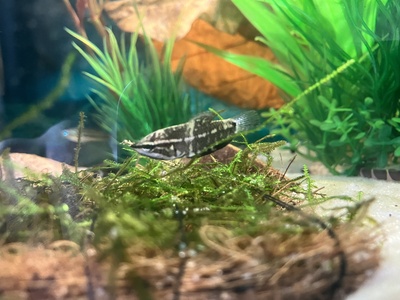
Java Moss
A popular and hardy aquatic moss with fine, irregularly branched stems. It grows easily attached to rocks or driftwood and is a favorite for aquascaping and providing shelter for small aquatic life.
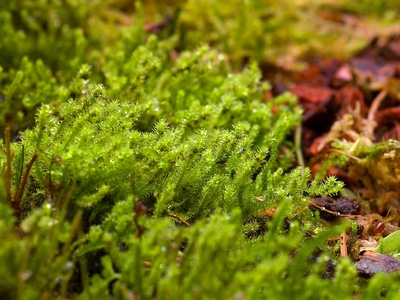
Christmas Moss
Named for its fronds that resemble tiny fir tree branches. This aquatic moss is denser and more structured than Java Moss, making it excellent for creating lush green carpets and textures in aquariums.
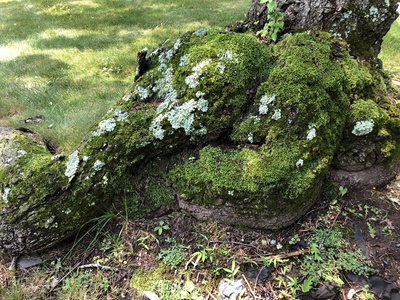
Weeping Moss
Known for its distinct weeping or downward-growing habit. When attached to driftwood or rocks, its bright green fronds droop down, creating a beautiful curtain-like effect in aquariums and high-humidity terrariums.
Flame Moss
A unique aquatic moss that grows its fronds vertically in a twisting, flame-like pattern. It creates a striking visual effect, adding a sense of upward movement and texture to aquascapes.
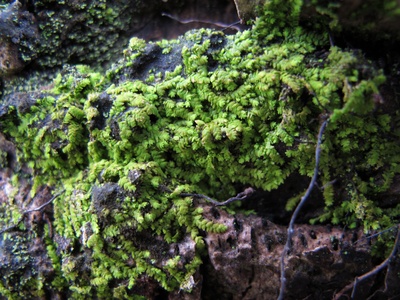
Phoenix Moss
An elegant aquatic moss with feather-like fronds composed of fine, alternating leaves. It grows in beautiful, flowing clumps, resembling a submerged phoenix tail, and attaches well to surfaces.
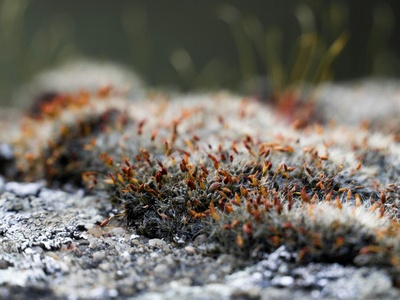
Giant Phoenix Moss
A large, terrestrial version of Phoenix moss with striking, fern-like fronds. It thrives in shaded, moist environments on soil or rocks, creating a lush, prehistoric-looking ground cover in terrariums.

Tropical Sphagnum
A common tropical peat moss that forms dense, spongy mats in wet, acidic habitats. It’s valued for its incredible water-holding capacity, making it a key component in soil mixes and terrarium substrates.
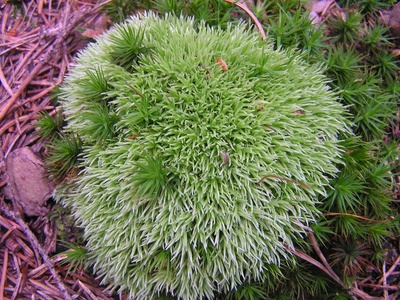
White Cushion Moss
Forms tight, silvery-green to whitish cushions that resemble pincushions. This terrestrial moss stores water in specialized cells, allowing it to tolerate brief dry periods, making it popular for sealed terrariums.
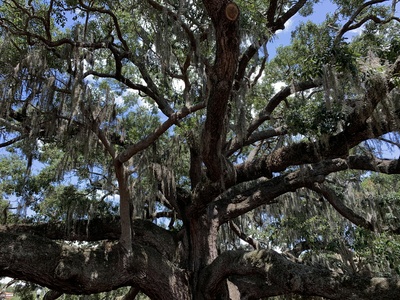
Giant Moss
One of the world’s tallest mosses, with individual stems resembling tiny pine trees that can reach over 50 cm. It forms miniature forests on the floors of humid, shaded rainforests.
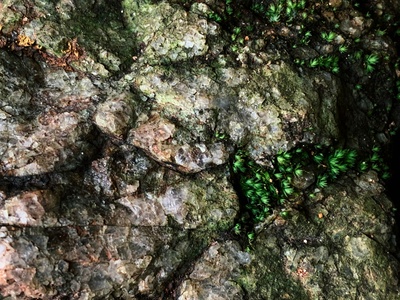
White Moss
A distinctive moss that forms small, dense, whitish-green cushions on tree trunks, logs, or sandy soil. Its pale color and compact form make it a striking accent in tropical terrariums.
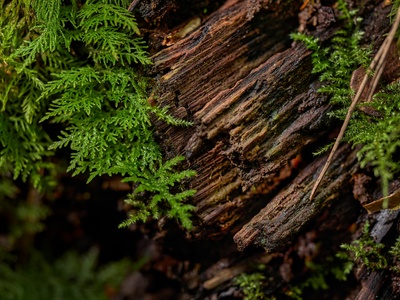
Tamarisk Moss
Also known as Asian Fern Moss, it has intricate, twice or thrice-pinnate branching, creating a delicate, fern-like appearance. It forms beautiful, creeping mats over soil, rocks, and logs in shaded, humid environments.
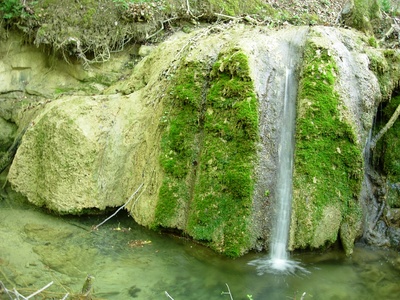
Tufa Moss
Forms dense, dark green turfs on rocks and mortar, often in disturbed areas. Its leaves curl inward when dry, giving it a star-like appearance, and it’s very tolerant of varying moisture levels.
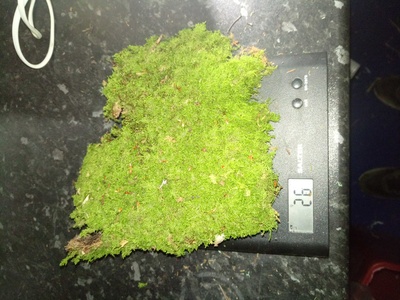
Flat Moss
A versatile moss that forms smooth, glossy, flat mats on soil, logs, and tree bases. Its neat, flattened appearance makes it an excellent choice for creating a clean, uniform ground cover.

Taiwan Moss
An aquatic moss with a delicate, feathery appearance and triangular fronds, similar to Christmas Moss but more irregular. It grows well attached to hardscapes, creating soft textures in aquariums.
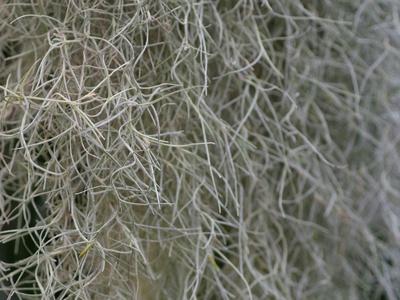
Wavy Silk Moss
A beautiful epiphytic moss with flat, glossy, wavy leaves arranged along arching stems. It drapes elegantly from tree branches and logs in humid forests, adding a sense of movement to terrariums.
Palm Tree Moss
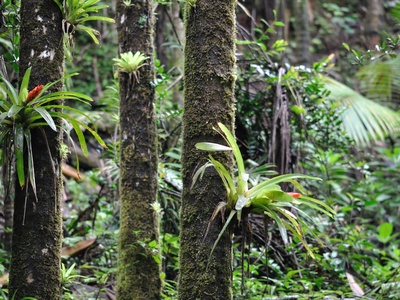
This stunning moss grows on an upright stalk, with a crown of fronds branching out like a miniature palm tree or fern. It thrives in very damp, shaded forest floors and is a prized terrarium specimen.
Syrrhopodon Moss
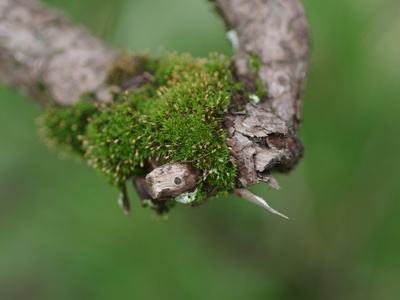
A common epiphytic moss forming dense, wiry, yellowish-green to dark green tufts on tree trunks and branches. Its stiff leaves are a distinctive feature, and it adapts well to terrarium life.
Tire-tread Moss
Named for the distinctive rows of tiny supplemental leaves on the back of its stems. It forms lush, creeping mats over various substrates and is recognized by its flattened, asymmetrical main leaves.
Calymperes Moss
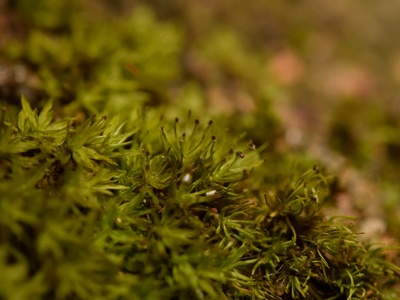
A pioneer species often found on tree trunks, especially palms, in coastal and lowland areas. It forms dense, dark green tufts and is well-adapted to environments with fluctuating humidity.
Mini Moss
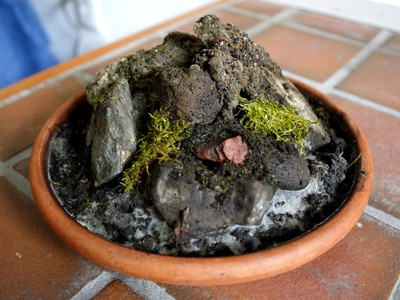
A very small, delicate Fissidens species that forms low, dense, bright green mats on damp soil and rocks. Its tiny, intricate structure makes it perfect for nano terrariums or as a fine-textured accent.
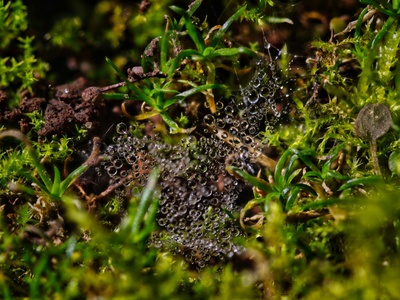
Triangle Moss
Often mistaken for Christmas Moss, this species has very regularly branched, triangular fronds. It is an excellent choice for creating structured, manicured looks on driftwood and rocks in cooler aquariums.
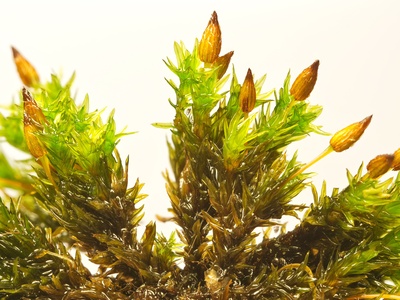
Erect Moss
Also known as Java Spring Moss, this aquatic species has a more upright growth habit than other Vesicularia. Its fronds create a bushy, dense appearance, providing excellent texture and hiding spots.
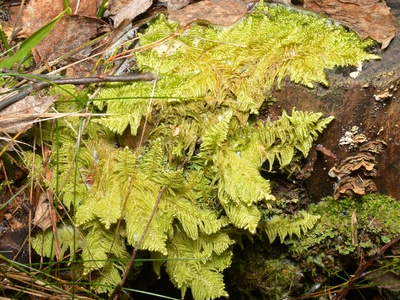
Plume Moss
A stunning moss with perfectly pinnate, feathery fronds resembling an ostrich plume. It creates a plush, golden-green carpet in cool, highly humid terrariums, mimicking its native cloud forest habitat.
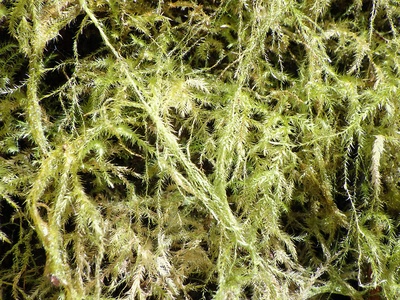
Stringy Moss
A highly adaptable aquatic moss with long, thin, string-like stems. It grows quickly and can be left to float or attached to surfaces, making it great for beginners and for providing cover in breeding tanks.
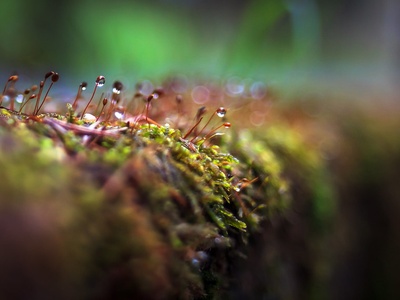
Red Moss
This moss is notable for its reddish-brown to dark green coloration, especially in higher light. It typically grows in tufts on tree bark and is adapted to withstand some dryness.
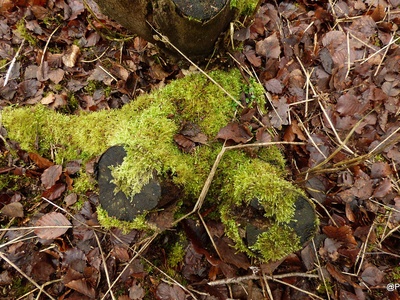
Feather Moss
A common and adaptable moss with pinnately branched, feathery stems. It forms extensive, flat, interwoven mats on soil, logs, and rocks, acting as a versatile ground cover in terrariums.
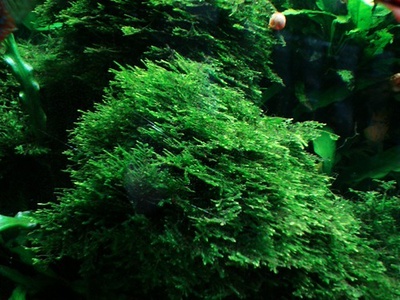
Spiky Moss
An aquarium moss recognized by its upward-pointing, spiky-looking branches. It grows more structured and less chaotic than Java moss, providing a unique texture when attached to driftwood or rocks.