Tropical rainforest pets are a lot less “mini jungle fantasy” and a lot more humidity, permits, specialized diets, and expensive enclosures. Some rainforest species can be kept responsibly by experienced owners. Many can’t. And a few should never be sold as pets in the first place.
Table of contents
- TL;DR
- What makes a rainforest animal a difficult pet?
- Tropical rainforest pets that experienced owners sometimes keep
- Rainforest animals that are usually poor pet choices
- Before you buy: legality, ethics, and permits
- Better alternatives if you want the rainforest look
- Final thoughts
TL;DR
Most tropical rainforest animals are not beginner pets. The ones that can be kept responsibly usually come from captive-bred sources and need tightly controlled heat, humidity, lighting, and diet.
The best-known “rainforest pets” are often reptiles, amphibians, and some insects or arachnids. Think dart frogs, certain geckos, tree frogs, and tarantulas. Even then, they’re often display pets, not handling pets.
If you want a rainforest vibe without a legal or ethical headache, start with a species that’s captive-bred, legal in your area, and documented with reliable care information. Skip anything wild-caught, endangered, venomous, or notorious for dying in casual home setups.
What makes a rainforest animal a difficult pet?
Tropical rainforests are warm, humid, dense, and crowded with life. That sounds simple until you try recreating it in a glass box in your living room.
The hard parts are usually:
- Humidity control: Many rainforest species need constant moisture without becoming moldy swamp residents.
- Temperature stability: Not just “warm,” but warm in the right range, day and night.
- Lighting: Some species need UVB or very specific photoperiods.
- Diet: Lots of insects, fruit, live prey, or species-specific foods.
- Space and enrichment: Arboreal animals need vertical space, cover, and climbing structure.
- Stress sensitivity: Many rainforest species hate handling and visible disturbance.
- Longevity and commitment: Some live for years. Some live for decades.
A rainforest pet isn’t difficult because it’s “exotic.” It’s difficult because the animal evolved in a very particular niche, and your apartment is not that niche.
For a solid overview of legal and conservation concerns around wildlife trade, the IUCN and CITES are worth knowing about before you buy anything with a wild origin story.
Tropical rainforest pets that experienced owners sometimes keep
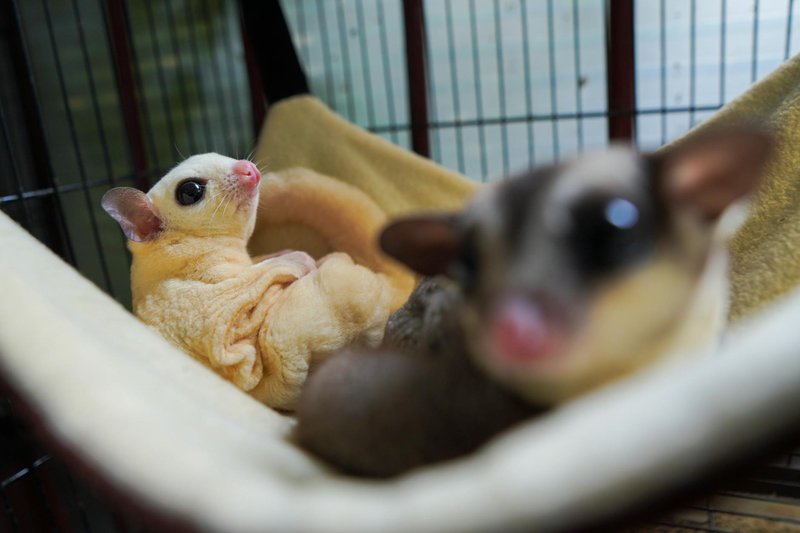
These are not “starter pets,” and in some cases they’re only appropriate for keepers who already know how to maintain humidity, quarantine new animals, and troubleshoot enclosure problems.
1. Dart frogs
Dart frogs are the poster children for tiny, colorful rainforest animals. They’re also a great example of why “small” does not mean “easy.”
Most captive dart frogs need:
- High humidity
- Live micro-prey such as fruit flies
- Leaf litter and dense plant cover
- Very stable temperatures
- A hands-off approach
They’re usually best as display animals. They’re active, beautiful, and surprisingly demanding in the details. Many species are captive-bred now, which is good news — wild collection was one of the reasons this group got so much attention in the first place.
2. Crested geckos
Crested geckos come from humid forest environments and have become one of the more manageable tropical reptiles in the pet trade. They still need the right setup, but they’re much more forgiving than many rainforest species.
They typically do well with:
- Vertical enclosures
- Humidity spikes followed by drying periods
- A diet built around prepared gecko food plus insects
- Gentle handling, if any
They’re a common entry point for people who want a rainforest-style reptile without jumping straight into the deep end. For a broader overview of forest reptiles, see the List of Forest Reptiles.
3. Gargoyle geckos
Another arboreal gecko with forest habits, gargoyle geckos are prized for their odd little look and relatively straightforward care. They still want proper humidity and space to climb, but they’re not nearly as delicate as some tropical amphibians.
They’re a good example of a pet that fits the rainforest theme without being a full-time bioengineering project.
4. Green tree frogs
Several tree frog species from tropical regions are kept by advanced hobbyists, and they’re undeniably charming. They spend much of their time perched up high, which means the enclosure matters more than most first-time owners expect.
Common needs include:
- Tall enclosures
- Live plants or sturdy cover
- Careful misting
- A diet of appropriately sized insects
They’re fragile in the sense that they don’t forgive sloppy care. A dry enclosure or poor feeding routine can go sideways fast.
5. Tarantulas from tropical forest habitats
Some tropical tarantulas are kept by hobbyists who enjoy observing rather than handling. These are not cuddly animals. They are apex “look but don’t touch” roommates.
Advantages:
- Small space needs
- Fascinating behavior
- Relatively low food volume
Challenges:
- Species-specific humidity needs
- Careful enclosure design
- Venomous in the broad, normal spider sense
- Not ideal for frequent handling
If spiders aren’t your thing, skip them. If they are, learn the exact species before you buy one. “Tropical tarantula” is not enough information.
6. Leaf insects and stick insects
These aren’t the headline-grabbing rainforest pets, but they’re legitimate examples of tropical insects kept in captivity. Many species need fresh foliage from specific host plants and a stable, humid environment.
They’re more niche than most of the animals on this list, but they’re excellent examples of a rainforest setup done well. Quiet, subtle, and oddly captivating.
Rainforest animals that are usually poor pet choices
Some animals show up in pet discussions a lot because they look cool or make for a strong social-media clip. That doesn’t make them good pets.
Primates
Monkeys and other primates are wild animals with complex social and behavioral needs. They’re smart enough to be a legal and ethical nightmare in many places, and they often become destructive, stressed, or dangerous in homes.
Wild-caught birds
Many rainforest birds are highly social, loud, and long-lived. They can also be difficult to source ethically. A bird from a humid forest is not automatically a “better pet” than a more common companion bird.
Large snakes, venomous reptiles, and crocodilians
These are not casual pets. They require specialized enclosures, feeding protocols, and emergency planning. In many areas, they’re illegal without permits or outright banned.
Endangered species
If a seller can’t clearly explain origin, permits, and captive-bred status, walk away. Slow enough to be boring. That’s the right pace here.
For perspective on how species are protected and traded, the US Fish & Wildlife Service is a useful reference in the United States, and many countries have their own equivalent agencies.
Before you buy: legality, ethics, and permits
This part is not glamorous, but it’s the part that keeps people out of trouble.
Check:
- Local and state laws
- Import and export rules
- CITES listings
- Permit requirements
- Housing restrictions
- Veterinary access
A species can be legal in one place and banned in the next county over. Some animals also require proof of captive breeding or specific documentation to be sold legally.
Ethically, the big questions are:
- Was it captive-bred?
- Is the species common in captivity?
- Will it thrive in your setup, or just survive?
- Are you buying it because you can care for it, or because it looks cool on a shelf?
That last question matters more than people want to admit.
The Animal and Plant Health Inspection Service in the U.S. is one of several official sources that can help you understand transport and animal health rules.
Better alternatives if you want the rainforest look
If what you really want is the feel of a tropical forest enclosure, you have options that are easier to keep and usually less ethically messy.
Good alternatives include:
- A planted terrarium with springtails and isopods
- A captive-bred crested gecko
- A dart frog setup, if you’re ready for the work
- Invertebrates like stick insects or some tarantulas
- A “bioactive” enclosure project without buying a difficult animal just to match the décor
You can also build the rainforest vibe around the habitat itself: bromeliads, moss, cork bark, climbing branches, leaf litter, and dense cover. Sometimes the enclosure is the star. That’s fine.
Final thoughts
Tropical rainforest pets are possible, but only if you’re honest about what “possible” means. For many species, it means expert-level humidity control, careful sourcing, and a willingness to leave the animal alone and let it be an animal.
The safest path is simple: choose captive-bred, legal species with well-documented care needs, and pass on anything wild-caught, endangered, or famous for being a bad idea in a tank. A rainforest pet should be something you can actually keep well — not just admire from a distance while pretending the maintenance doesn’t exist.
If you want the rainforest aesthetic, build the habitat first. The right animal comes second.