From coastal Mediterranean markets to Andean highland plots, small stalls and home gardens are full of surprising produce that rarely appears in supermarket aisles. Exploring these vegetables introduces new flavors, seasonal variety, and ingredients that invite simple experimentation in the kitchen or garden.
There are 40 unique vegetables, ranging from Agretti (barba di frate) to Yacon. For each, you’ll find below Scientific name,Origin region,Typical size (cm) to help you compare origins and expected scale before buying or planting.
How should I cook or use these uncommon vegetables?
Start simple: many of these vegetables do well roasted, quickly sautéed, or blanched to preserve texture and flavor; leafy types often work like spinach, while roots can be treated like potatoes or beets. Look at the individual entry below for specific prep notes, pairing ideas, and any required steps (peeling, removing bitter parts, brief cooking).
Can I grow these varieties in a home garden?
Yes—many adapt to home gardens but check the listed Scientific name,Origin region,Typical size (cm) to match climate and space; some prefer coastal coolness, others high elevations. Use local nurseries, seed suppliers, or seed-exchange groups for starts, and follow the planting timing and care suggested in the entries you’ll find below.
Unique Vegetables
| Name | Scientific name | Origin region | Typical size (cm) |
|---|---|---|---|
| Romanesco | Brassica oleracea var. botrytis | Italy/Mediterranean | 10-25 cm |
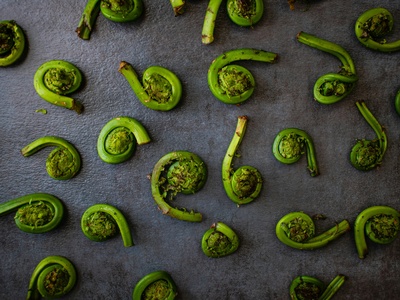
| Fiddlehead | Matteuccia struthiopteris | Northern Hemisphere temperate | 3-8 cm |
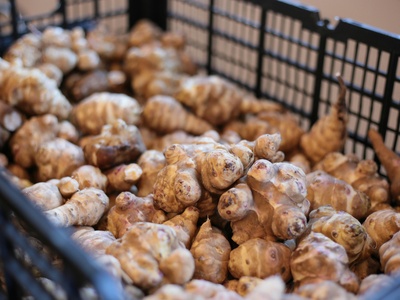
| Jerusalem artichoke | Helianthus tuberosus | North America | 2-8 cm |
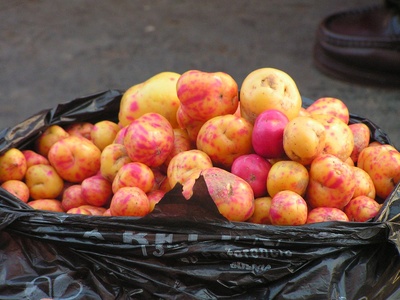
| Oca | Oxalis tuberosa | Andes (Peru/Bolivia) | 2-6 cm |
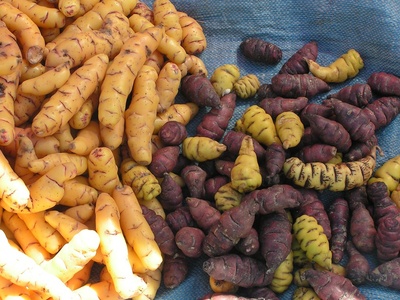
| Ulluco | Ullucus tuberosus | Andes | 2-6 cm |
| Mashua | Tropaeolum tuberosum | Andes | 2-8 cm |
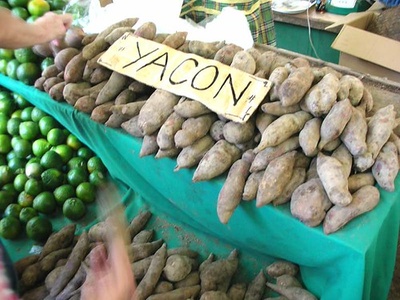
| Yacon | Smallanthus sonchifolius | Andes | 3-12 cm |
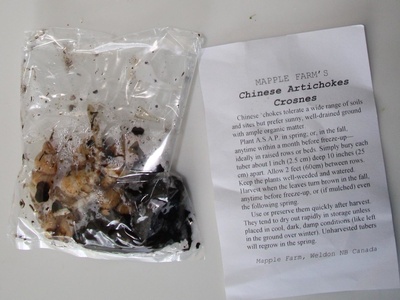
| Crosne (Chinese artichoke) | Stachys affinis | East Asia/introduced to Europe | 0.5-3 cm |
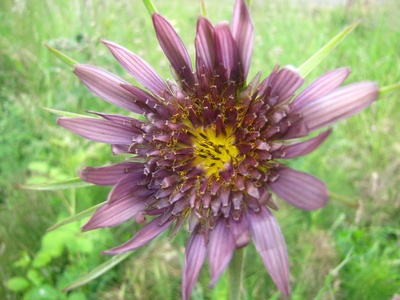
| Salsify (oyster plant) | Tragopogon porrifolius | Mediterranean/Europe | 10-30 cm |
| Cardoon | Cynara cardunculus var. altilis | Mediterranean | 30-90 cm |
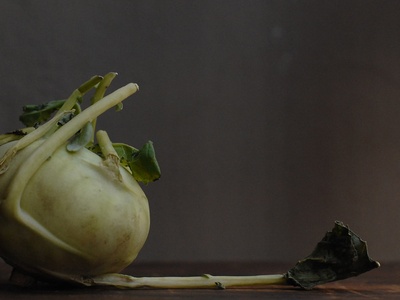
| Kohlrabi | Brassica oleracea var. gongylodes | Europe/Asia | 5-12 cm |
| Ramps (wild leek) | Allium tricoccum | Eastern North America | 5-20 cm |
| Garlic scapes | Allium sativum scape | Worldwide (cultivated) | 20-40 cm |
| Samphire (glasswort) | Salicornia europaea | Coastal Europe/Asia | 3-10 cm |
| Lotus root | Nelumbo nucifera | Asia (wetlands) | 2-6 cm (diameter) |
| Taro | Colocasia esculenta | Southeast Asia/Polynesia | 10-30 cm |
| Burdock (Gobo) | Arctium lappa | Eurasia | 30-100 cm |
| Celtuce (stem lettuce) | Lactuca sativa var. angustana | China | 15-30 cm |
| Orach | Atriplex hortensis | Eurasia | 10-40 cm |
| Good King Henry | Blitum bonus-henricus | Europe | 10-30 cm |
| Chaya | Cnidoscolus aconitifolius | Mexico/Central America | 30-100 cm |
| Jicama (yam bean) | Pachyrhizus erosus | Mexico/Central America | 5-20 cm |
| Malabar spinach | Basella alba | South/Southeast Asia | 10-40 cm (vines) |
| Skirret | Sium sisarum | Europe | 5-15 cm |
| Agretti (barba di frate) | Salsola soda | Mediterranean | 10-30 cm |
| Egyptian walking onion | Allium × proliferum | Egypt/Europe | 1-3 cm bulblets/30-60 cm stalks |
| Elephant garlic | Allium ampeloprasum var. ampeloprasum | Central Asia | 4-8 cm |
| Celeriac | Apium graveolens var. rapaceum | Mediterranean | 6-15 cm |
| Wasabi | Wasabia japonica | Japan | 3-10 cm |
| Puntarelle | Cichorium intybus var. foliosum | Italy (Rome) | 15-40 cm |
| Hearts of palm | Various Arecaceae genera | Tropical Americas | 5-25 cm |
| Belgian endive (forced chicory) | Cichorium intybus | Belgium/Europe | 6-12 cm |
| Purslane | Portulaca oleracea | Worldwide (warm regions) | 2-8 cm |
| Nopal (cactus pads) | Opuntia ficus-indica | Mexico | 10-30 cm |
| Malanga | Xanthosoma spp. | Tropical Americas | 10-30 cm |
| Ube (purple yam) | Dioscorea alata | Southeast Asia/Philippines | 10-40 cm |
| Sea kale | Crambe maritima | Coastal Europe | 20-60 cm |
| Groundnut (apios) | Apios americana | Eastern North America | 1-3 cm tubers/clusters |
| Horseradish | Armoracia rusticana | Eastern Europe/Asia Minor | 10-25 cm |
| Rock samphire | Crithmum maritimum | Atlantic/Mediterranean coasts | 10-30 cm |
Images and Descriptions

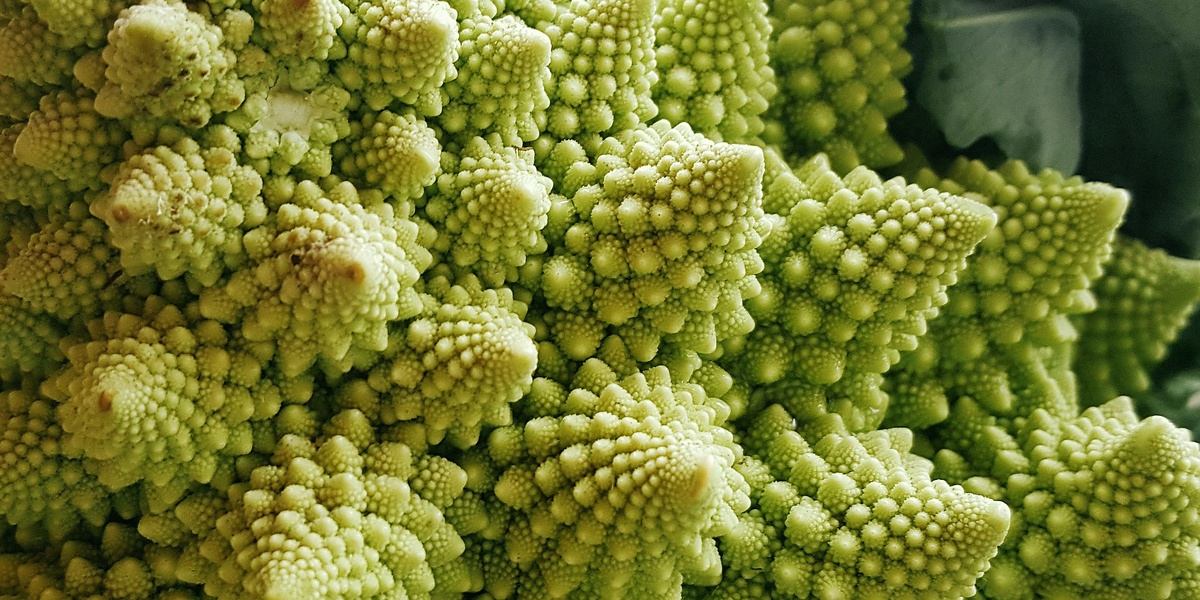
Romanesco
Fractal-like cauliflower with chartreuse, conical florets; prized for firm texture and mild nutty flavor. Roast, steam, or use raw in salads. Available from specialty growers, farmers’ markets, and heirloom seed suppliers; easy in cool-season gardens.
Fiddlehead
Tightly coiled young fern fronds harvested in spring with grassy, asparagus-like flavor. Forage or buy seasonally; must be cooked briefly to remove bitterness and potential toxins. Sauté, steam, or pickle; a prized ephemeral delicacy for cooks and gardeners.
Jerusalem artichoke
Knobbly sunflower tubers with nutty-sweet, slightly artichoke-like flavor and creamy texture. Roast, mash, or shred for salads. Tolerant perennial that naturalizes; sold at farmers’ markets and useful for cold-season storage and pollinator-friendly gardens.

Oca
Colorful, waxy tubers with tangy, lemony note raw and creamier cooked. Versatile boiled, roasted, or fried. Grown in high-altitude Andean gardens, now available from seed vendors and specialty grocers; prefers cool climates and well-drained soil.
Ulluco
Brightly colored, waxy tubers prized in Andean cuisine for firm texture that holds during stewing. Mild, slightly sweet flavor. Rare outside native regions but grown by specialty gardeners and seed savers; prefers cool, short-season conditions.
Mashua
Peppery, pungent tuber with hints of horseradish when raw, mellower cooked. Traditionally boiled, baked, or pickled. Extremely cold-tolerant Andean crop available via seed networks and heritage growers; valued for unique flavor and pest resistance.
Yacon
Crisp, juicy tubers with sweet, refreshing flavor often eaten raw like apple. Low-calorie, syrupy when reduced. Grown in highland gardens and sold at specialty markets; stores well refrigerated and liked for salads, juices, and syrups.
Crosne (Chinese artichoke)
Tiny, knobbly white tubers with crunchy texture and mild, nutty taste. Boil, sauté, or pickle; keep crisp in salads. Rare but grown by small-scale farmers and heirloom gardeners; tricky to harvest but rewarding.
Salsify (oyster plant)
Long, white root with delicate, oyster-like flavor when cooked. Peel and roast, mash, or add to stews. Once common, now rare; available from heritage seed suppliers and tolerant of poor soils and maritime climates.

Cardoon
Artichoke-relative grown for thick, celery-like leaf stalks; slightly bitter and artichoke-flavored. Blanch, braise, or fry after removing fibers. Seasonally available from specialty growers and seed catalogs; prefers long cool seasons and fertile soil.
Kohlrabi
Swollen stem forming a crunchy, radish-cabbage hybrid with mild, sweet flavor. Eat raw, slaw, roast, or stir-fry. Heirloom varieties and colorful cultivars are less common in mainstream markets; easy to grow in cool seasons.
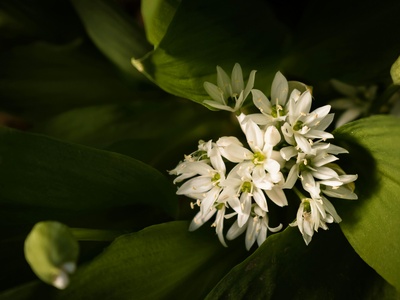
Ramps (wild leek)
Wild spring onion with strong garlicky-onion aroma; prized by foragers and chefs. Sauté, pickle, or use raw in pesto. Very seasonal and often regulated; grow shaded woodland gardens or source responsibly from ethical growers.
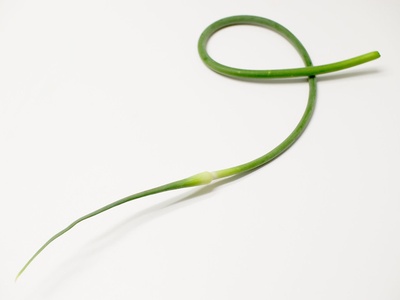
Garlic scapes
Curly, tender flower stalks from garlic plants with mild garlic flavor. Sauté, grill, or pickle; great in pesto and stir-fries. Appears late spring to early summer; easy to grow in garlic beds and sold at farmers’ markets.
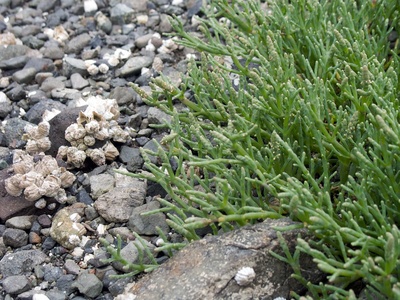
Samphire (glasswort)
Succulent, salty stems with crisp texture, tastes of the sea. Best blanched, pickled, or served with fish. Forage coastal marshes or buy from gourmet suppliers; requires saline conditions to cultivate.
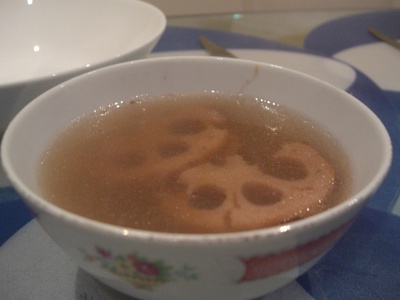
Lotus root
Cylindrical, knobbly rhizome with crunchy, slightly sweet texture and distinctive holes. Slice and stir-fry, braise, or pickle. Found at Asian markets and grown in ponds; stores well and adds dramatic texture to dishes.
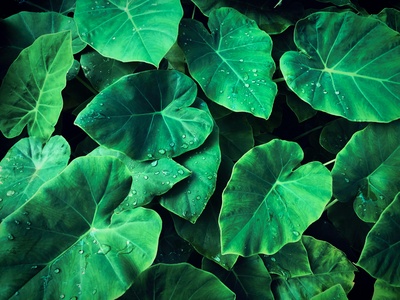
Taro
Starchy corms with sticky, creamy texture when cooked; leaves used as wrappers when cooked. Must be cooked to remove irritants. Grown in wet tropical gardens and specialty farms; staple in many island cuisines.
Burdock (Gobo)
Long, earthy root with sweet, slightly bitter flavor used in Japanese cuisine. Peel and julienne for kinpira, soups, or stews. Available at Asian markets and from specialty growers; deep roots need loose soil to cultivate.
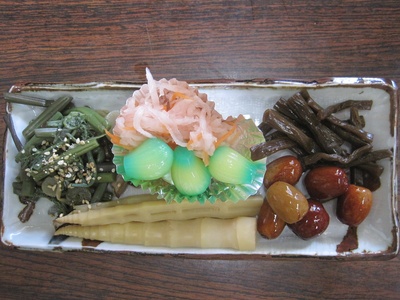
Celtuce (stem lettuce)
Grown for thick, crisp stem rather than leaves; nutty mild flavor and refreshing crunch. Peel fibrous skin and slice raw or stir-fry. Popular in Chinese markets and increasingly grown by specialty gardeners.
Orach
Leafy heirloom green with subtle salty, spinach-like flavor and colorful varieties. Sauté, steam, or use raw. Tolerant of varied soils and drought; uncommon in modern markets but grown by heritage gardeners and seed savers.
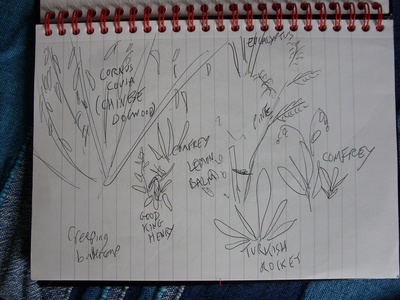
Good King Henry
Old-world perennial green with spinach-like leaves and edible shoots. Boil or bake like spinach or asparagus tips. Rare in modern gardens but offered by specialist seed houses; hardy and good for perennial vegetable plots.
Chaya
Large leafy shrub used as cooked green with nutty flavor; leaves must be cooked to remove toxins. Fast-growing in tropical gardens, yields abundant harvests; popular in Central American markets and permaculture plantings.
Jicama (yam bean)
Crisp, watery tuber with mild sweetness, eaten raw in salads or slaws. Keeps well refrigerated. Grown in warm climates and sold in Latin markets; vines need trellising and warm season to mature.
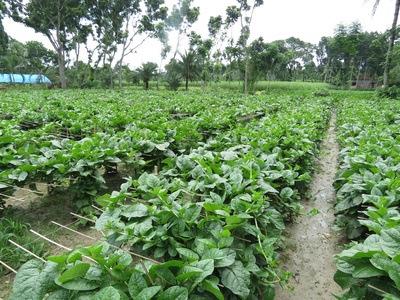
Malabar spinach
Vining, mucilaginous leaves that remain tender in heat; slightly tangy with oxalate bite. Stir-fry, stew, or use raw in salads. Fast-growing in warm regions and ideal when traditional spinach bolts.
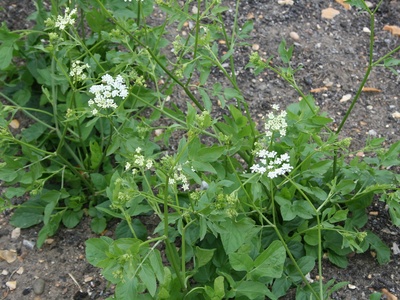
Skirret
Clustered, sweet, fragrant roots once common in medieval cooking. Peel and roast, mash, or candy slices. Rarely sold commercially but grown by heritage gardeners; prefers well-drained soil and light maintenance.
Agretti (barba di frate)
Thin, succulent, slightly salty stems with crisp texture and lemony note. Blanch or sauté briefly and serve with olive oil. Seasonal in spring; sought by Italian chefs and grown in coastal gardens.
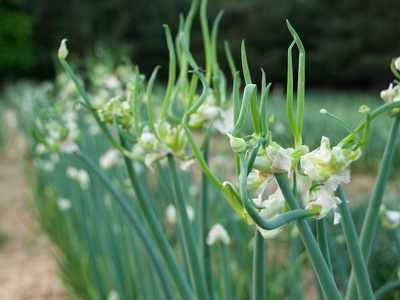
Egyptian walking onion
Perennial onion that forms edible topset bulblets and reliable stalks; pungent flavor like shallots. Use raw, pickled, or cooked. Easy to grow, hardy, and multiplies—popular with permaculturists and specialty growers.
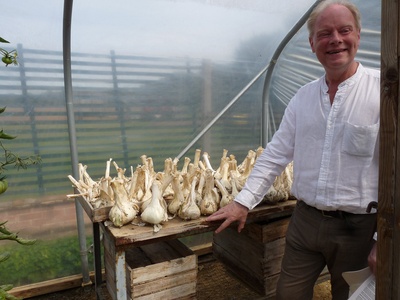
Elephant garlic
Giant-cured cloves with mild, mellow garlic flavor; good roasted or mashed. A large Allium cultivar often grown as a novelty; available from specialty seed suppliers and farmers’ markets.
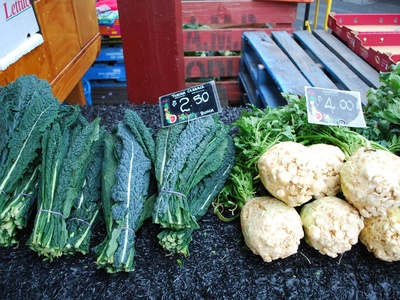
Celeriac
Knobbly celery-root with nutty, earthy flavor; great in soups, purées, and remoulades. Storage-friendly and hardy in cool climates. Common in European cuisines but uncommon in some markets; grown from seed by specialty growers.
Wasabi
Pungent, hot rhizome prized for fresh wasabi paste; rare and demanding to grow in shaded, cold, running-water conditions. Buy fresh from specialty growers or markets; intense flavor mellows when cooked.
Puntarelle
Chicory variety producing hollow, bitter shoots eaten raw with anchovy dressing or blanched and sautéed. Distinctive Roman specialty available from Italian markets and specialty growers; needs cool season and blanching for milder taste.
Hearts of palm
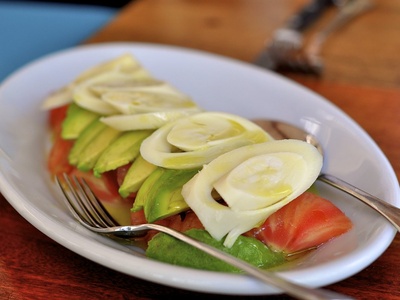
Tender inner core of certain palms with delicate, artichoke-like flavor and firm texture. Sold canned or fresh in specialty markets; sustainable sourcing is important—look for cultivated or certified suppliers.
Belgian endive (forced chicory)
Blanched, pale heads produced by forcing chicory roots in dark conditions; mildly bitter and crisp. Use raw in salads or braised. Grown commercially by forcing—available seasonally from specialty producers.
Purslane
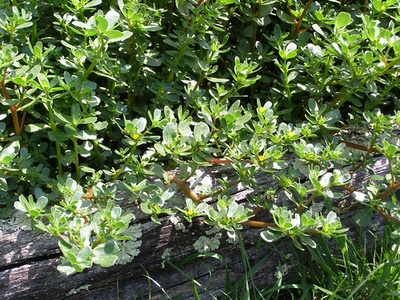
Succulent, lemony leaves and stems with omega-rich profile; eaten raw in salads or cooked as a spinach substitute. A common weed turned gourmet ingredient; grows easily and is foraged or sold at farmers’ markets.
Nopal (cactus pads)
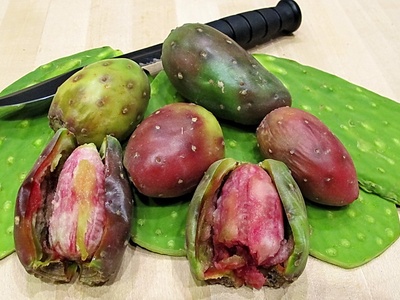
Flattened prickly pear pads with slightly tart, mucilaginous texture. Grill, sauté, or use in salads and stews. Harvest or buy descaled pads from Mexican markets; drought-tolerant and suited to arid gardens.
Malanga
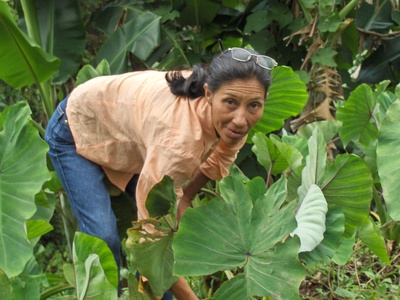
Starchy corms similar to taro with nutty, slightly sweet flavor when cooked. Use boiled, mashed, or in fritters. Important Caribbean and African staple; available from tropical growers and specialty grocers.
Ube (purple yam)
Vibrant purple tuber with sweet, starchy flesh prized in desserts and purees. Distinct color and flavor make it popular in pastries. Sourced from Filipino markets and specialty farms; needs warm tropical conditions to grow.
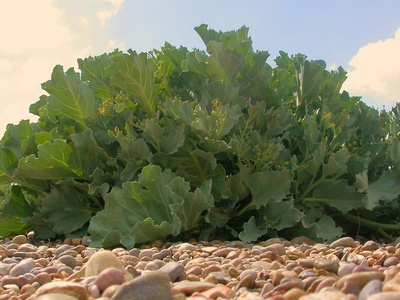
Sea kale
Perennial coastal vegetable with thick, cabbage-like leaves and sweet-salty stems. Blanch young shoots or steam leaves. Grows on shingle beaches; rare commercially but grown by specialty producers and seaside gardeners.

Groundnut (apios)
Twining legume producing clusters of small, nutty tubers eaten boiled or roasted. Historically valued by Native Americans; uncommon today but grown by specialty gardeners and available via heritage seed networks.
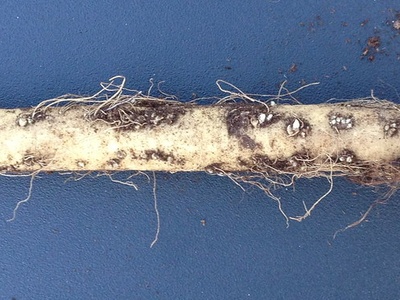
Horseradish
Fiery, pungent root used as condiment and vegetable; freshly grated for strong heat. Keep refrigerated to retain potency. Sold at farmer markets and grown in temperate gardens; requires deep, loose soil for long roots.
Rock samphire
Aromatic, celery-like coastal herb with salty, citrusy flavor used fresh, pickled, or steamed. Forage responsibly on cliffs or purchase from niche suppliers; tolerates maritime exposure and rocky soils.