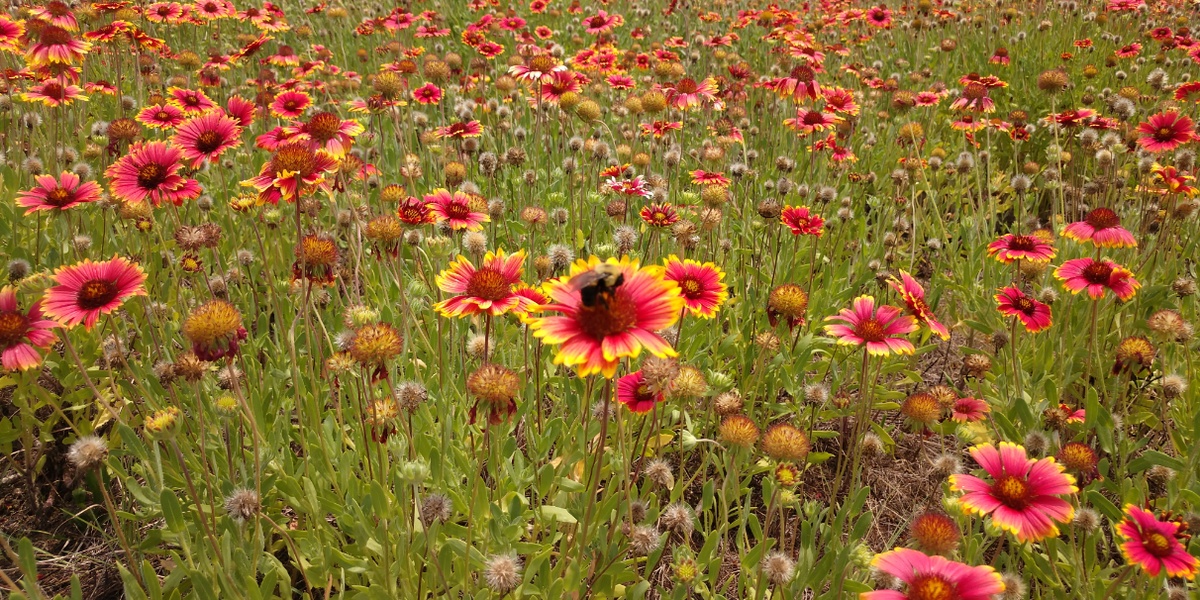
A 2017 study found flying insect biomass declined by roughly 75% in some protected areas over 27 years (Hallmann et al.). That measurement made many gardeners rethink small choices about planting and yard care.
Small shifts—what you plant, whether you use pesticides, and where you leave stems and leaves—add up to big differences for pollinators and natural pest controllers. Beneficial insects pollinate food, suppress pests, and make gardens more resilient with far less chemical input.
This article presents 10 actionable, science-backed ways to attract beneficial insects, grouped into planting, gardening practices, and structural/community actions.
Create Pollinator-Friendly Plantings
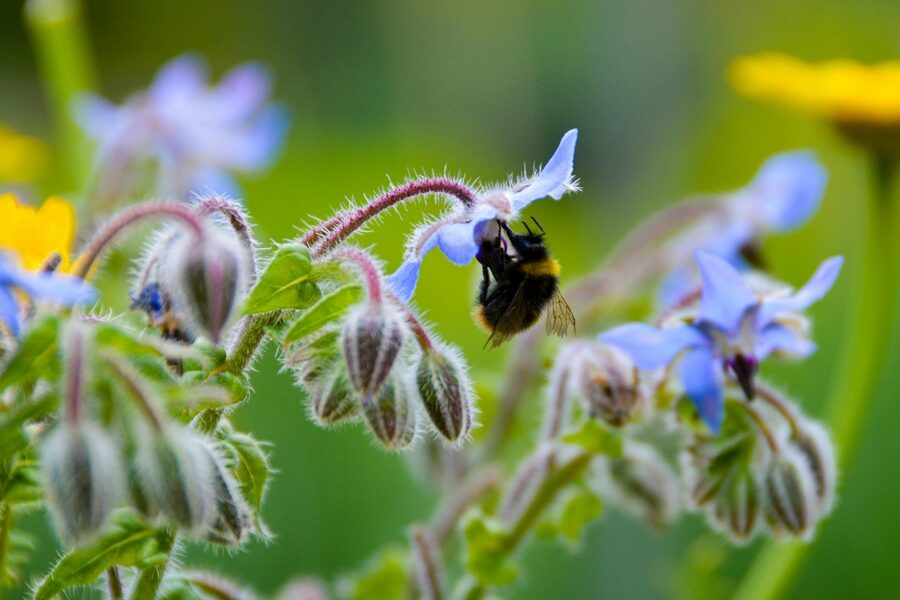
Plants are the foundation of insect habitat: they supply nectar, pollen, and host material for larvae. Using regionally native and diverse plantings supports a higher local insect diversity and improves pollination of crops and garden flowers.
1. Plant native wildflowers and shrubs
Native species support more local pollinators than many exotics (see guidance from the Xerces Society). Replacing lawn patches or sterile ornamentals with native plugs or seed mixes can boost bee visitation within a season.
Choose regionally native species that are known to host local insects: milkweed (Asclepias) for monarchs, Echinacea (coneflower) and Monarda (bee balm) for bees and butterflies, and native shrubs like Ceanothus or Aronia for early-season forage.
Tip: buy from native-plant nurseries or local native-plant societies, and avoid plants pre-treated with systemic insecticides.
2. Provide a continuous bloom sequence from spring through fall
Continuous blooms prevent seasonal food gaps. Plan for early, mid and late-season nectar and pollen so insects have resources across their active period.
Early choices include crocus, native willows and early-flowering shrubs; spring and summer perennials like Salvia, Phlox, Echinacea and Rudbeckia provide mid-season forage; asters and Solidago (goldenrod) extend resources into fall.
Even containers can be sequenced: plant a crocus or native willow cutting for early spring, followed by salvia and then asters in late summer, rotating pots as needed.
3. Include host plants for herbivores that later become valuable predators and pollinators
Some insects that look like pests in one life stage are essential food for predators or are the adult pollinators gardeners want. Monarch caterpillars, for example, need milkweed to complete their life cycle.
Add host plants like milkweed for monarchs and members of the Apiaceae family—dill, fennel, parsley—to support parasitic wasps and lacewings that control aphids and caterpillars.
Balance is key: locate host patches near but not inside high-value vegetable beds, and monitor to prevent unacceptable crop loss.
4. Plant in groups and layers for shelter and resource concentration
Cluster plantings make foraging efficient and create microhabitats. Group the same species in drifts to form “nectar hotspots” and layer with groundcovers, perennials, shrubs and small trees for vertical diversity.
In a small yard, try three shrubs backed by a perennial understory and a groundcover strip. On balconies, tier containers—tall salvias or penstemons at the back, mid-height coneflowers, and low groundcovers up front.
Gardening Practices That Encourage Beneficials
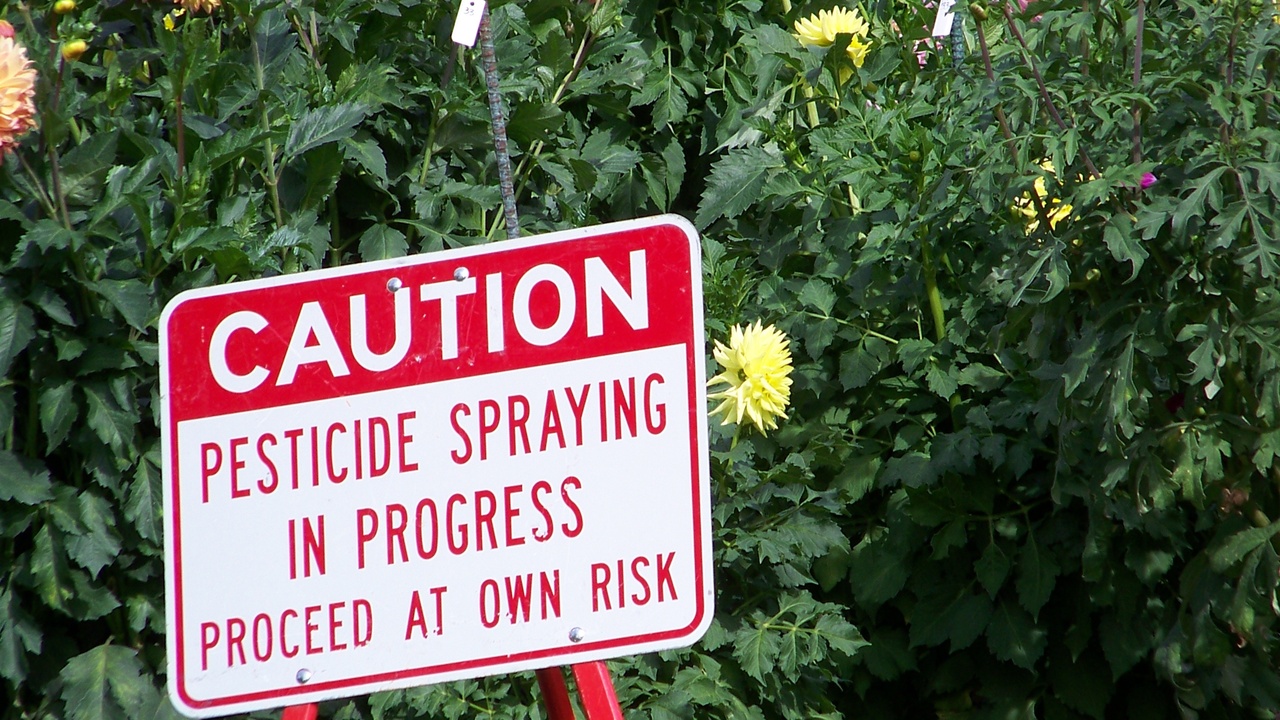
Day-to-day practices—how you manage pests, water, and shelter—either support or harm beneficial insects. Reducing chemical inputs, providing simple water sources, and using integrated pest management (IPM) preserves predators and pollinators.
5. Reduce or eliminate synthetic pesticides
Certain pesticides, especially neonicotinoids, harm bees and other beneficials; residues can persist in soil and plant tissue and have been linked to sublethal effects in pollinators. Many countries and regions have restricted some neonics for outdoor use.
Use spot treatments and targeted measures instead: insecticidal soap or horticultural oil for soft-bodied pests, Bacillus thuringiensis (Bt) for caterpillars on vegetables, and mechanical removal for small outbreaks.
If a treatment is unavoidable, apply in the evening when bees are inactive and avoid flowering plants at the time of application.
6. Provide water, mud patches and shelter
Water sources and microhabitats make a site hospitable. Many solitary bees need mud for nest building, and all pollinators benefit from nearby water with landing perches.
Create a shallow bee bath: a dish with pebbles and a little water, refreshed regularly. Leave a 1 m² patch of bare, well-drained soil for ground-nesting bees, and maintain small brush piles for beetles and spiders.
Install a few bee hotels (bamboo tubes or drilled wood) in sunny, sheltered spots to add nesting variety.
7. Use integrated pest management (IPM) and biological controls
IPM focuses on monitoring, setting thresholds, and choosing the least-disruptive control first. It reduces pesticide use and preserves natural enemies.
Practical IPM steps: scout weekly, identify pests accurately, use sticky traps and scouting logs, then act only when populations exceed thresholds. Deploy biologicals—Trichogramma wasps for caterpillar eggs, predatory mites in high-tunnel strawberries, or releasing lady beetles for aphid outbreaks.
Record what works and adjust—over time IPM makes gardens healthier with less intervention.
Structural Supports and Community Actions
Built structures, deliberate overwintering habitat, and neighborhood coordination amplify the effect of single gardens. Sourcing plants responsibly and joining local efforts create corridors and larger habitat patches.
8. Build insect hotels and nesting sites
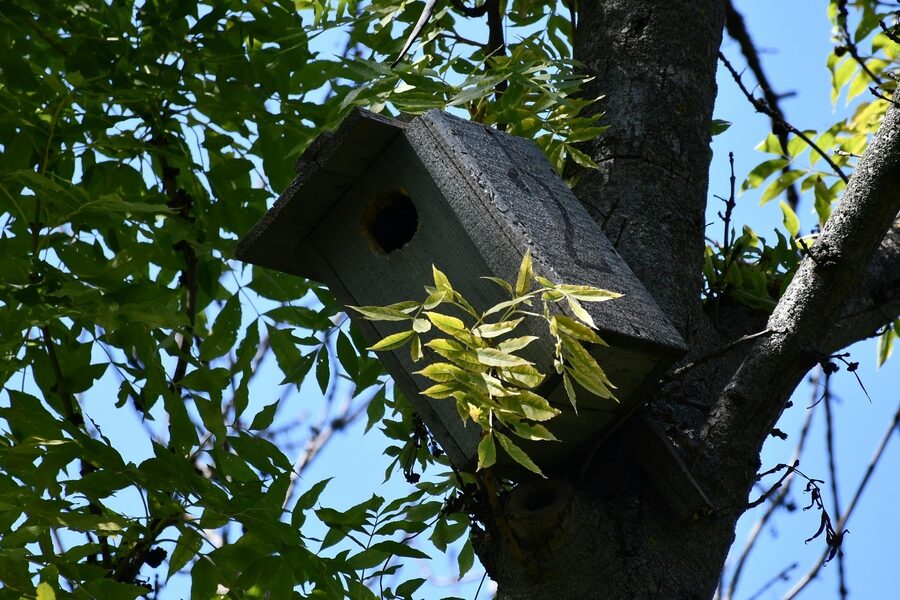
Well-designed insect hotels can support solitary bees like Osmia (mason bees) and Megachile (leafcutter bees). Use untreated wood, bamboo tubes, or drilled blocks with 6–8 mm holes, and ensure tubes are cleanly cut.
Place hotels on a sunny, south-facing, sheltered wall 1–2 meters high, angled slightly downward to shed rain. Replace or clean tubes every few years to reduce disease buildup.
Quality matters: many commercial “insect hotels” are decorative but unsuitable—follow designs from extension services or the Xerces Society for best results.
9. Create overwintering habitat—leave stems, leaf litter, and brush piles
Many beneficials overwinter locally in hollow stems, leaf litter, or just under the soil surface. Leaving stems like coneflower and goldenrod standing through winter provides nesting and shelter.
Practice a “tidy edge”: keep visible beds neat but designate corners for leaf litter and small brush piles. Delay major cleanups until late spring so bees, beetles and spiders can complete their life cycles.
That small wild corner can boost local survival rates dramatically compared with removing all dead plant material each fall.
10. Source plants responsibly and collaborate with neighbors
Buy from native-plant or independent nurseries that guarantee plants are not treated with systemic insecticides. Pre-treated plugs have been shown to carry neonics that harm pollinators—Xerces Society offers plant-sourcing guidance.
Coordinate with neighbors to create planting corridors, start a community plant swap that prioritizes native species, or organize a pesticide-free pledge for the block. Citizen science projects—Bumble Bee Watch, Monarch Watch—help track local trends and engage people.
These structural and social steps scale impact beyond a single yard—together they create meaningful habitat for pollinators and predators.
Summary
- Plant a mix of regionally native species and plan for spring-through-fall blooms to sustain pollinators and natural enemies.
- Cut synthetic pesticides, use IPM and biological controls, and provide simple water and nesting resources to support beneficial insect populations.
- Build and maintain quality nesting structures, retain overwintering habitat, and source plants responsibly—then amplify impact by working with neighbors and citizen science groups.
- Start small: plant one native perennial and set up a pebble-lined bee water this month to see quick benefits; these are practical ways to attract beneficial insects in any yard or balcony.