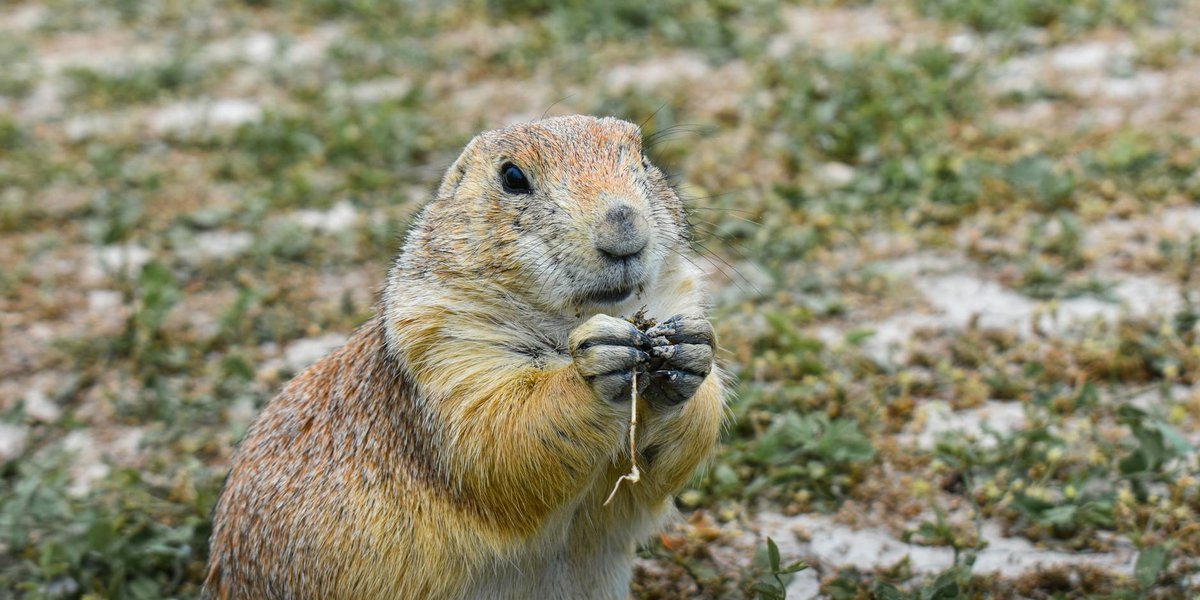
White-tailed prairie dogs eat mostly grasses and other green plants. Their diet is plant-heavy, seasonal, and built around whatever is growing in the shortgrass prairie at the moment. They’re not picky little hoarders with a pantry full of snacks. They’re grazers and foragers that spend a lot of time clipping stems, leaves, and flowers close to the ground.
TL;DR
White-tailed prairie dogs are primarily herbivores. Their main foods are grasses, forbs, leaves, stems, flowers, and seeds. In spring and summer, fresh green plants make up most of the diet. In late summer and fall, they eat more seeds and roots. They do not usually store food for winter because they do not truly hibernate; instead, they go underground and rely on their body fat and reduced activity.
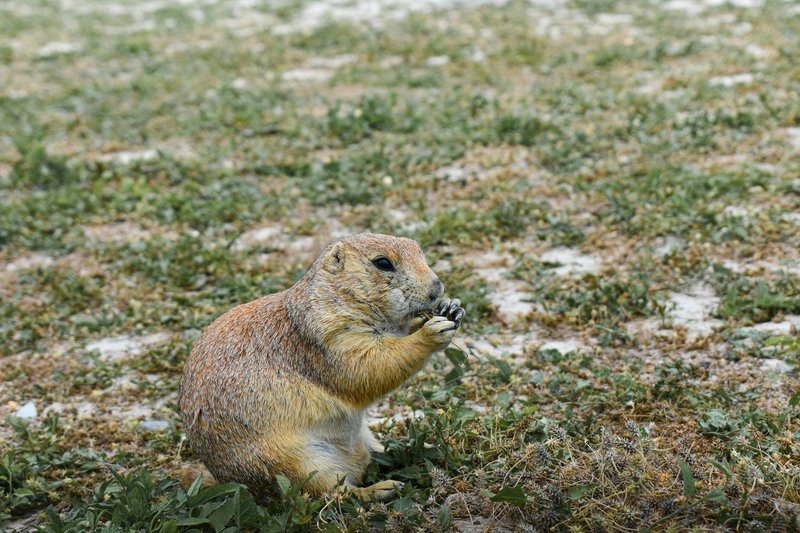
White-tailed Prairie Dog Diet: The Main Foods
White-tailed prairie dogs are built for a life of low, fast grazing. Their diet reflects that. The most common foods are:
- Grasses: a staple food, especially young shoots
- Forbs: broadleaf herbaceous plants, often a big part of the diet
- Leaves and stems: clipped fresh from nearby plants
- Flowers: eaten when available, especially tender blooms
- Seeds: more important later in the growing season
- Roots and underground parts: dug up opportunistically
- Occasionally insects: usually by accident or in tiny amounts, not as a major food source
The key thing is that white-tailed prairie dogs don’t feed like generalist omnivores. They mostly stick to plant material found in prairie habitat. According to the U.S. Forest Service, prairie dogs are important grazers in grassland ecosystems, shaping plant growth as they feed. They are part of the broader group of Temperate Grasslands Consumers: The Complete List, which highlights the herbivores and other consumers that help shape these ecosystems.
What They Eat by Season
Their menu changes with the calendar.
Spring: tender green growth
Spring is the best time to be a prairie dog, at least nutritionally. New grass shoots and fresh forbs are easier to digest and usually more nutrient-rich than older, drier plants. After winter, that flush of green growth becomes the core of the diet.
This is also when prairie dogs may feed heavily on low-growing plants close to their burrows, since they don’t wander far from safety unless they have to.
Summer: more variety, more bulk
By summer, they’re eating a mix of grasses, forbs, flowers, and seed heads. As plants mature, prairie dogs shift toward whatever is still palatable and abundant. They may clip more stems and leaves, and they’ll take advantage of flowering plants while they’re available.
In productive prairie habitat, that can mean a fairly broad menu. In drier years, it gets narrower fast.
Late summer and fall: seeds and roots matter more
When green growth starts to dry up, prairie dogs lean more on seeds, tougher plant parts, and roots. They’re still herbivores, but the texture of their meals changes. Think less salad, more gritty roadside buffet.
This seasonal flexibility helps them survive in places where plant growth is short-lived and weather can turn harsh quickly.
Winter: little to no foraging above ground
White-tailed prairie dogs do not store food the way some rodents do. Instead, they spend winter underground, where they’re inactive for long stretches. Their behavior and burrow life are closely tied to avoiding cold weather and predators.
Do White-tailed Prairie Dogs Eat Grass?
Yes. Grass is one of their main foods.
That said, they don’t live on grass alone. A prairie dog colony benefits from a mix of grasses and forbs, because different plants provide different nutrients and textures. Young grass shoots are especially attractive. Older, tougher grass is less useful and usually gets ignored unless food is scarce.
Do They Eat Seeds, Roots, or Vegetables?
Seeds and roots, yes. Vegetables, not in the wild.
Seeds become more important later in the season when plants dry out. Roots are not a huge part of the diet, but prairie dogs will dig or nibble underground parts when available. As for vegetables, a captive prairie dog might take them, but wild prairie dogs are eating native plants, not somebody’s garden scraps.
Feeding Behavior: Small Mouths, Big Impact
White-tailed prairie dogs feed close to their burrows and spend a lot of time scanning for danger between bites. That’s not paranoia. It’s survival.
They often graze in short bursts, then pop upright to watch for predators. Their feeding habits can reduce plant height around colonies, which changes the whole prairie community. Research on prairie dog ecology from the National Park Service shows how these rodents help shape grassland structure by selectively grazing and digging.
Because they keep vegetation clipped short, their colonies often look different from surrounding grassland. That shorter vegetation can also make it easier for them to spot predators coming in.
How Their Diet Differs From Other Prairie Dogs
White-tailed prairie dogs are more tied to higher-elevation and colder grassland habitats than some of their cousins. Their diet still centers on grasses and forbs, but what they eat depends heavily on what their local prairie produces.
Compared with more general prairie dog species, white-tailed prairie dogs often deal with a shorter growing season. That means they depend even more on whatever green growth is available during the warm months. No fancy backup plan. Just eat fast when the prairie is green.
FAQ
Are white-tailed prairie dogs herbivores?
Yes. They are primarily herbivores and eat mostly plant material.
Do white-tailed prairie dogs eat insects?
Not usually in any meaningful amount. Animal matter is not a major part of their diet.
Do white-tailed prairie dogs store food?
No, not typically. They don’t build food caches the way some rodents do.
What is their favorite food?
Fresh green grasses and forbs are the biggest staples, especially young, tender growth.
White-tailed Prairie Dog Diet: The Short Version
White-tailed prairie dogs eat grasses, forbs, leaves, stems, flowers, seeds, and occasional roots. Their diet shifts with the seasons, with the freshest green plants dominating spring and summer and tougher plant parts becoming more important later in the year. They’re mostly herbivores, and their foraging habits help shape the prairie around them.
If you remember one thing, make it this: white-tailed prairie dogs are plant eaters first, last, and almost entirely in between.