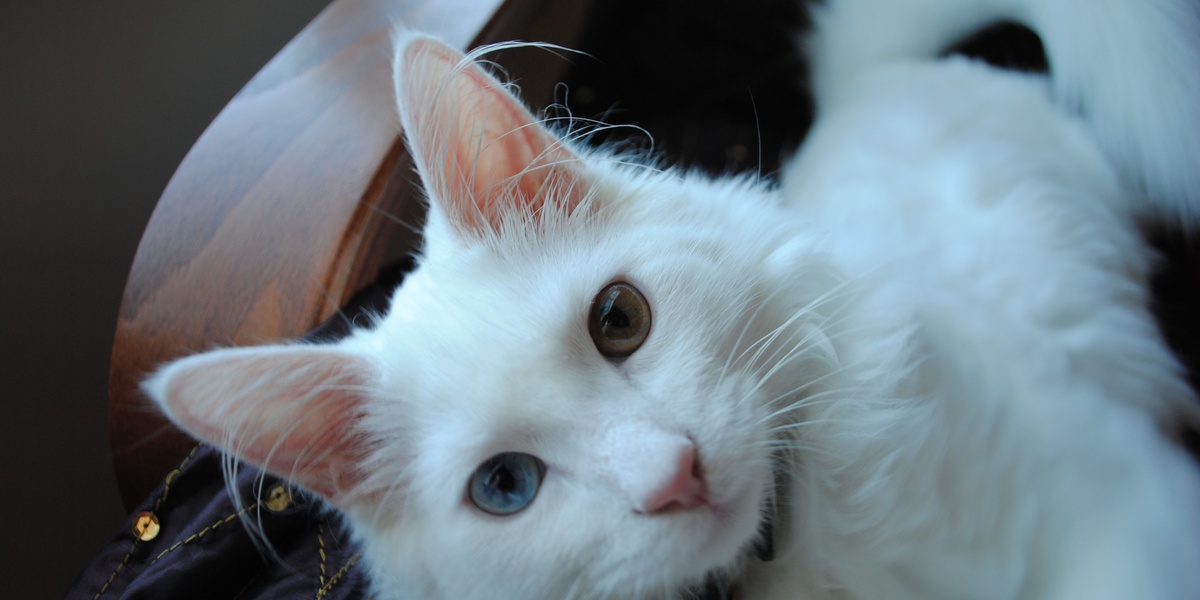
In shelters, neighborhood windowsills and sunny laps, white cats with mismatched eyes tend to stop people mid-step. That glimpse of one blue eye and one amber or green eye has a simple genetic story behind a very memorable look.
There are 11 white cat breeds with odd eyes, ranging from American Shorthair to Turkish Angora. For each breed, you’ll find below the Scientific name, Odd-eye frequency (%), Deafness risk (%) so you can compare how common odd eyes and hearing issues are across breeds — you’ll find the full list below.
Does having odd eyes mean a white cat is likely deaf?
Not always. Deafness is linked to the dominant white (W) gene and is more common in completely blue‑eyed white cats; odd‑eyed cats (one blue, one non‑blue) can have an elevated risk but it varies by breed. A vet can confirm hearing with a BAER test, and the table’s Deafness risk (%) column helps show breed-level differences.
What should I consider when adopting an odd‑eyed white cat?
Check hearing and discuss care with your vet, especially ear checks and indoor safety if hearing is reduced. Protect white skin (ears, nose) from sun to reduce cancer risk, keep regular vet visits, and provide enrichment since deaf cats rely more on sight and touch.
White Cat Breeds with Odd Eyes
| Name | Scientific name | Odd-eye frequency (%) | Deafness risk (%) |
|---|---|---|---|
| Khao Manee | Felis catus (Thailand) | 50% | 20% |
| Turkish Angora | Felis catus (Turkey) | 25% | 15% |
| Japanese Bobtail | Felis catus (Japan) | 20% | 10% |
| Persian | Felis catus (Iran/Europe) | 10% | 15% |
| Sphynx | Felis catus (Canada; hairless) | 7% | 10% |
| Cornish Rex | Felis catus (England) | 7% | 7% |
| Devon Rex | Felis catus (England) | 7% | 7% |
| British Shorthair | Felis catus (UK) | 5% | 7% |
| American Shorthair | Felis catus (USA/Europe) | 3% | 5% |
| Oriental Shorthair | Felis catus (Thailand/UK) | 5% | 7% |
| Non-pedigreed White Cats | Felis catus (various) | 15% | 20% |
Images and Descriptions
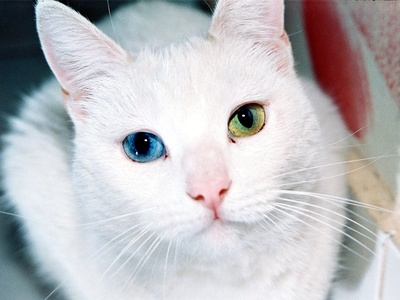
Khao Manee
Thai Khao Manee often shows odd eyes (blue and gold); it’s a breed hallmark. White Khao Manee may have increased deafness risk; breed originates in Thailand. Owners should screen hearing, provide visual cues and seek reputable breeders (CFA/TICA note: breed rare).
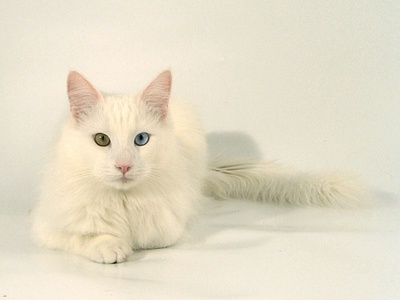
Turkish Angora
Turkish Angora’s classic white variety often displays odd eyes; it’s a historic Turkish breed. White Angoras show some increased deafness risk. Owners should test hearing, avoid breeding blue-eyed whites without screening, and choose responsible breeders (sources: TICA, breed histories).

Japanese Bobtail
Japanese Bobtail white cats can be odd‑eyed, especially in traditional lines. Originating in Japan, they usually have lower deafness rates than some white breeds. Adopted cats benefit from ear-checks and enrichment; odd-eyed examples are prized in Japan’s folklore (CFA/TICA recognition varies).
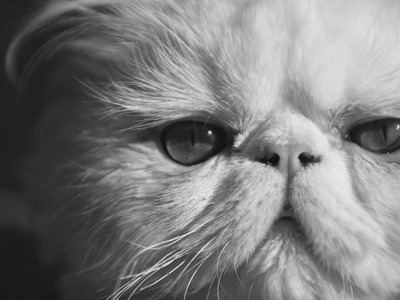
Persian
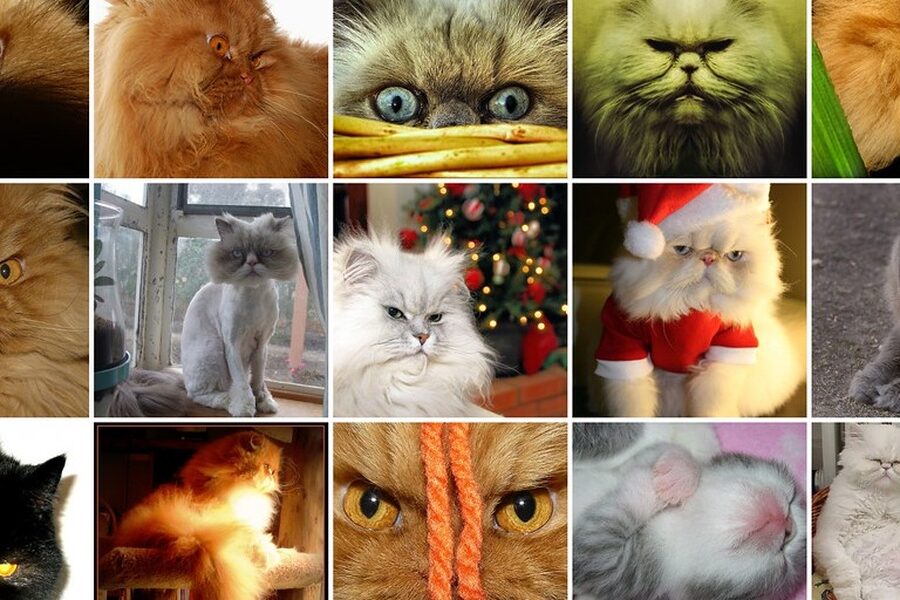
White Persians sometimes show one blue eye; heterochromia is occasional. Persians may carry elevated deafness risk when blue-eyed. Originating in Iran/Europe, they require grooming and hearing checks; consider rescues or responsible breeders and discuss screening (breed clubs, studies).
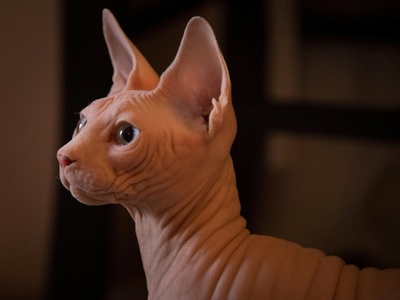
Sphynx
Hairless Sphynx can be solid white and occasionally odd‑eyed. Deafness risk exists but is variable; testing is recommended. Breed from Canada, friendly and vocal; white Sphynx owners should ensure early hearing checks and enrich home environment (TICA/CFA registration exists).
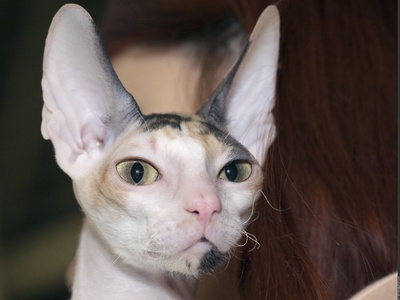
Cornish Rex
Cornish Rex comes in solid white and can show heterochromia occasionally. Deafness risk is modest but present in blue-eyed whites. British-origin rex requires coat care and play; prospective owners should ask breeders about hearing screening and family history.
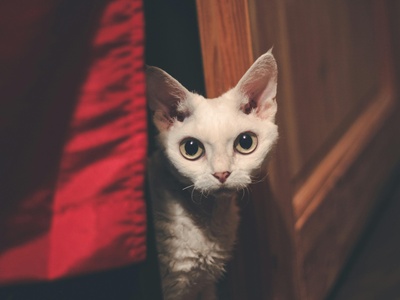
Devon Rex
Devon Rex white cats sometimes have odd eyes; heterochromia is occasional. Small deafness risk compared to some breeds; hearing checks advised. Origin UK, affectionate and active; white Devons need vet checks and reliable breeder history for hearing status (breed club notes).
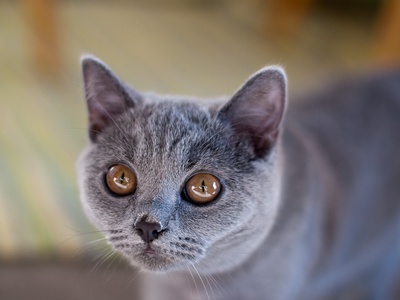
British Shorthair
British Shorthair accepts solid white and odd-eyes occur rarely. Deafness risk is low but blue-eyed whites can be affected. UK origin, sturdy and calm; regular vet hearing checks and responsible breeding practices recommended before adoption.

American Shorthair
American Shorthair can be bred solid white and odd-eyes are uncommon. Deafness risk is low overall but blue-eyed individuals may be affected. North American origins, hardy pets; test hearing early and review breeder screening history when adopting white cats.
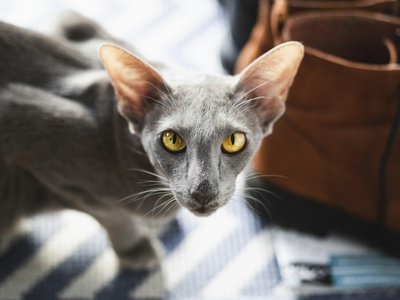
Oriental Shorthair
Oriental Shorthair includes solid white and can show odd-eyes in some lines. Deafness risk rises in blue-eyed whites. Derived from Siamese-type cats, they are vocal and active; owners should arrange hearing checks and choose breeders who screen for deafness.
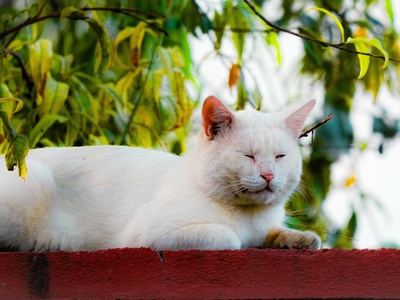
Non-pedigreed White Cats
Non-pedigreed solid white cats commonly show heterochromia; frequency varies by population. Deafness risk is tied to blue eyes; rates vary widely. Owners should get hearing tests, provide safety measures for deaf cats, and seek shelter/rescue veterinary history.