In meadows, along roadsides and in backyard patches, wildflowers mark the changing seasons and feed pollinators. Whether you’re hiking a mountain trail or tending a city garden, a quick look at blooms and habitat can reveal what’s growing around you.
There are 20 Wildflower Examples, ranging from Black-eyed Susan to Yarrow. Each entry lists Scientific name, Region and habitat, and Bloom time (months) so you can identify plants and plan visits — you’ll find these details below.
How can I identify these wildflowers in the field?
Start with obvious features: flower shape, color, number of petals, and leaf arrangement, then check habitat and bloom time. Use the Scientific name in the list to cross-reference photos or field guides; combining visual cues with the Region and habitat column usually narrows it down quickly.
When is the best time to see different species in bloom?
Check the Bloom time (months) column for each species—lowland meadows often peak earlier than alpine slopes—and visit during the listed months. Local climate shifts the exact timing, so pair the listed months with recent local sightings or a regional wildflower hotline if available.
Wildflower Examples
| Common name | Scientific name | Region and habitat | Bloom time (months) |
|---|---|---|---|
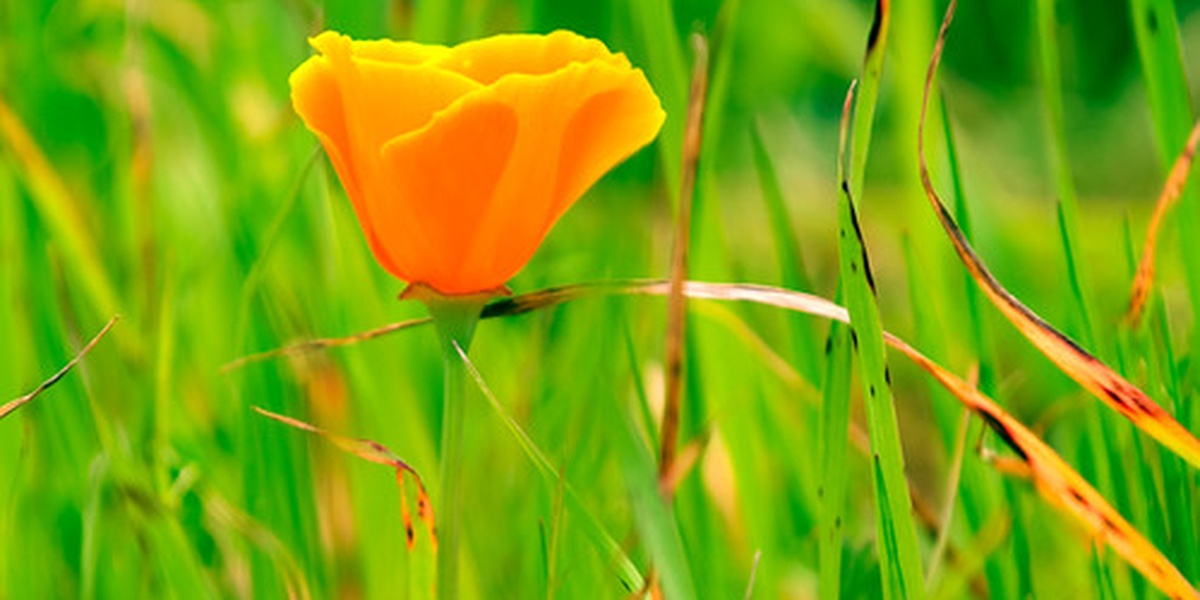
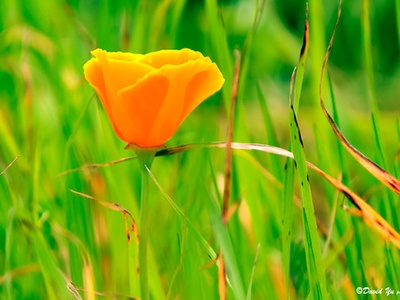
| California poppy | Eschscholzia californica | Native to western North America; grassland, coastal bluffs, open slopes | Mar–Jul |
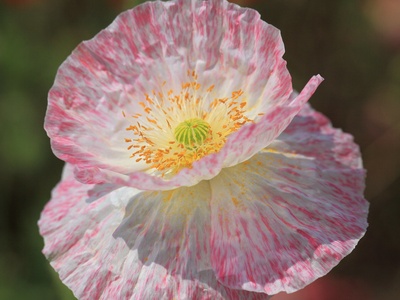
| Corn poppy | Papaver rhoeas | Native to Europe, naturalized widely including North America; disturbed fields, meadows, roadsides | May–Jul |
| Oxeye daisy | Leucanthemum vulgare | Native to Europe and Asia, naturalized across temperate regions; meadows, roadsides, pastures | May–Aug |
| Black-eyed Susan | Rudbeckia hirta | Native to central and eastern North America; prairies, fields, roadsides | Jun–Sep |
| Common bluebell | Hyacinthoides non-scripta | Native to western Europe; deciduous woodlands, shady hedgerows | Apr–May |
| Wild lupine | Lupinus perennis | Native to eastern North America; sandy prairies, barrens, open pine woods | May–Jun |
| Common milkweed | Asclepias syriaca | Native to eastern North America; fields, roadsides, disturbed sites, prairies | Jun–Aug |
| Common sunflower | Helianthus annuus | Native to central North America; prairies, dunes, disturbed ground, fields | Jul–Sep |
| Purple coneflower | Echinacea purpurea | Native to central and eastern North America; prairies, open woods, meadows | Jun–Aug |
| Yarrow | Achillea millefolium | Circumboreal native, widely naturalized; meadows, roadsides, open woodlands | May–Sep |
| Fireweed | Chamerion angustifolium | Circumboreal native; open disturbed sites, alpine meadows, clearings, roadsides | Jun–Sep |
| Wild geranium | Geranium maculatum | Native to eastern North America; deciduous woodlands, shaded slopes | Apr–Jun |
| Meadow buttercup | Ranunculus acris | Native to Europe and parts of Asia, naturalized in temperate regions; meadows, pastures | May–Jul |
| Common blue violet | Viola sororia | Native to eastern North America; lawns, woods, meadows, shaded edges | Mar–Jun |
| Red clover | Trifolium pratense | Native to Europe, western Asia, naturalized widely; meadows, pastures, roadsides | May–Sep |
| Eastern red columbine | Aquilegia canadensis | Native to eastern North America; woodlands, rocky slopes, open woods | Apr–Jun |
| Indian paintbrush | Castilleja coccinea | Native to eastern North America; prairies, meadows, open woods, rocky slopes | May–Jul |
| Dandelion | Taraxacum officinale | Native to Eurasia, naturalized worldwide; lawns, meadows, roadsides, disturbed ground | Mar–Oct |
| Foxglove | Digitalis purpurea | Native to western Europe, naturalized in parts of North America; woodland edges, hedgerows, disturbed sites | Jun–Aug |
| Common knapweed | Centaurea nigra | Native to Europe, naturalized in temperate regions; meadows, pastures, roadside verges | May–Sep |
Images and Descriptions
California poppy
Vivid orange cup-shaped blooms with finely divided gray-green foliage and low, spreading habit. Carpets hills and roadsides in spring; nectar attracts bees and native pollinators. Drought-tolerant and iconic state wildflower of California.
Corn poppy
Delicate papery scarlet flowers with black centre spot, thin stalks and lobed leaves. Common in grain fields and roadside verges; attracts bees and butterflies. Often a symbol of remembrance and early-season field colour.
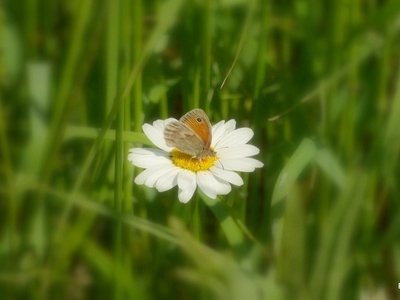
Oxeye daisy
White ray petals surrounding yellow disc, coarse basal leaves and upright stems. Common meadow and roadside daisy; supports bees and hoverflies. Recognizable by large single flower heads and long bloom period.
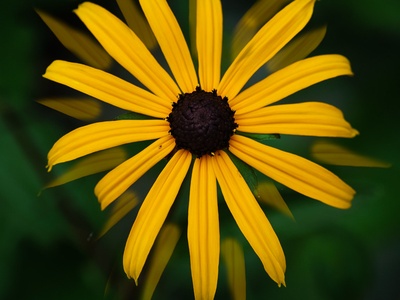
Black-eyed Susan
Golden-yellow rays with prominent dark brown central cone, coarse hairy stems and leaves. Long-blooming prairie flower favored by bees, butterflies and seed-eating birds later in season. Tolerant of dry soils.
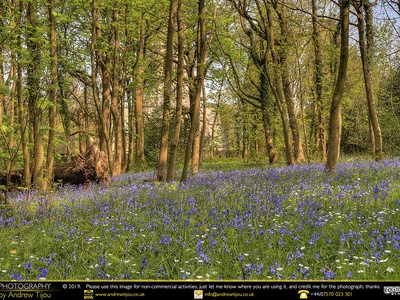
Common bluebell
Pendulous blue-violet bell-shaped flowers along one side of arched stems and glossy strap-like leaves. Forms dense spring carpets in ancient woodlands; fragrant blooms attract bees and early pollinators.
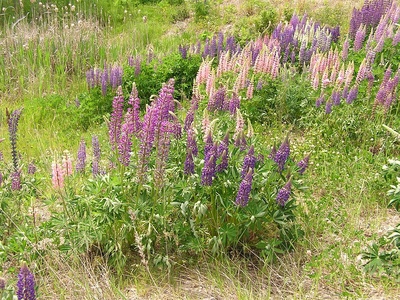
Wild lupine
Spikes of pea-like blue to purple flowers with palmate leaves of narrow leaflets. Important host for Karner blue butterfly caterpillars; fixes nitrogen and often found in sandy, well-drained soils.
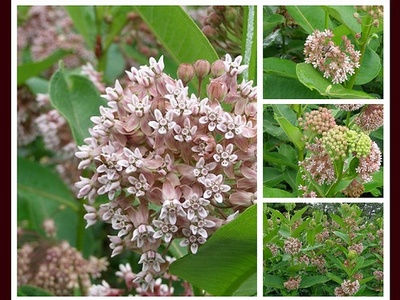
Common milkweed
Clusters of pink to mauve fragrant flowers in globes, broad downy leaves and milky sap. Key larval host for monarch butterflies and nectar source for bees and butterflies; seeds wind-dispersed by silky floss.
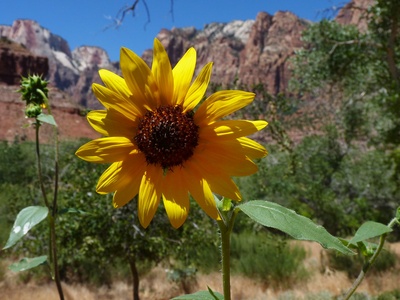
Common sunflower
Large yellow ray florets surrounding a brown disc forming a seed head; rough hairy stems and coarse leaves. Attracts bees, birds and butterflies; seeds are a nutritious wildlife food and human crop origin.
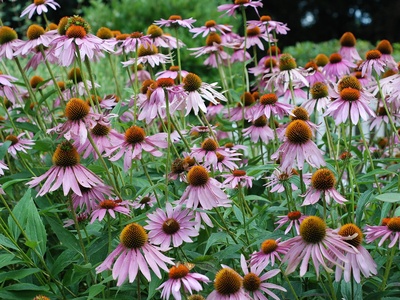
Purple coneflower
Pink to purple petals drooping from a spiky orange-brown central cone; coarse, erect stems and lanceolate leaves. Attractive to bees and butterflies; used medicinally and in native prairie plantings.
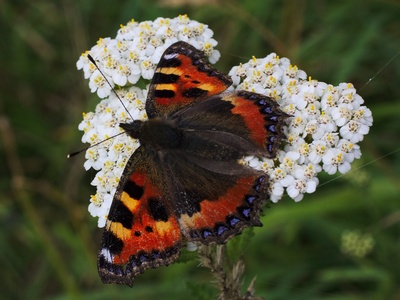
Yarrow
Flat-topped clusters of small white to pink composite flowers and feathery aromatic leaves. Long-blooming nectar source for many pollinators; tolerant of dry, well-drained soils and common in meadows.
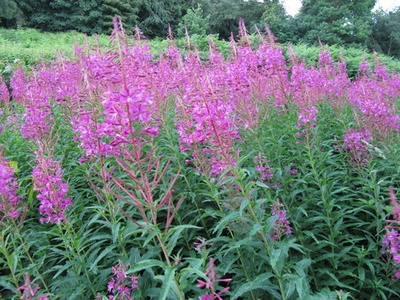
Fireweed
Tall spikes of pink to magenta four-petaled flowers and lanceolate leaves. Rapid colonizer of burned or disturbed ground; nectar-rich for bees and hummingbirds; produces silky seed tufts for wind dispersal.
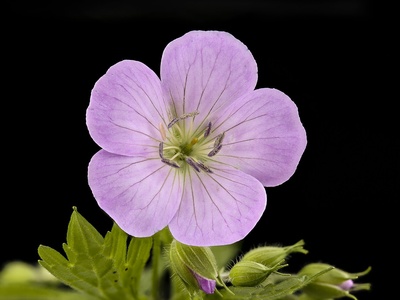
Wild geranium
Five-petaled pale to deep pink flowers with divided palmately-lobed leaves and distinctive beaked seed capsule. Delicate woodland wildflower attracting bees; seed pods fling seeds when ripe.
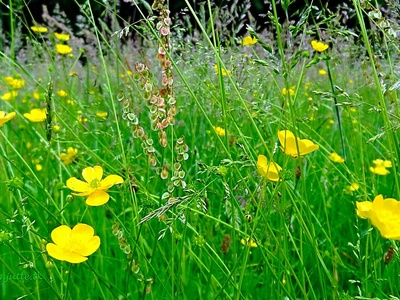
Meadow buttercup
Shiny bright yellow five-petaled flowers, divided basal leaves and erect stems. Common meadow plant with nectar for insects; toxic to livestock when fresh, historically used with caution in folk remedies.
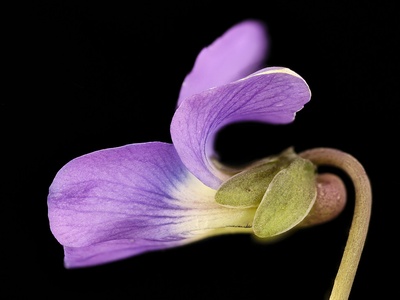
Common blue violet
Low-growing plant with heart-shaped leaves and purple to blue five-petaled flowers; sometimes white variants. Nectar guides and spur attract bees and small butterflies; edible flowers and leaves historically used in salads and syrups.
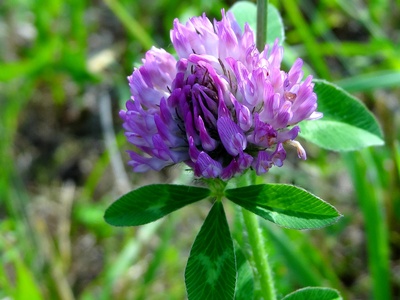
Red clover
Round heads of pinkish-red tubular flowers atop trifoliate leaves with pale chevron. Important forage legume and nectar source for bumblebees and honeybees; fixes nitrogen in soils.
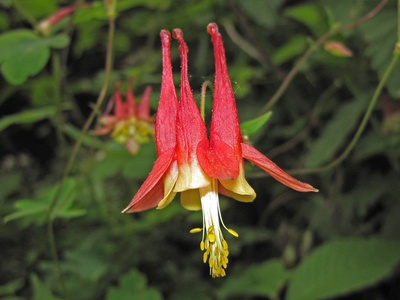
Eastern red columbine
Nodding red and yellow spurred flowers with five petals forming nectar spurs, delicate compound leaves. Hummingbirds and long-tongued bees are primary pollinators; prefers partial shade and well-drained soils.
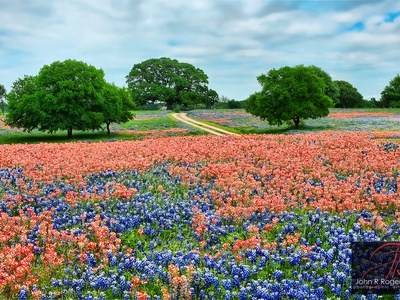
Indian paintbrush
Bright scarlet to orange bracts that look like flowers, with small inner corollas; slender leaves. Hemiparasitic on nearby grasses and forbs; attracts hummingbirds and adds vivid color to prairies.
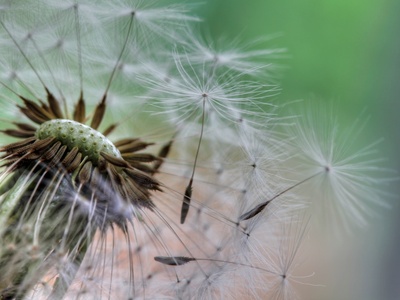
Dandelion
Bright yellow composite flower heads on hollow stems, deeply toothed basal leaves and wind-blown seed heads. Early-season nectar for bees; edible leaves and flowers used in foods and traditional remedies.
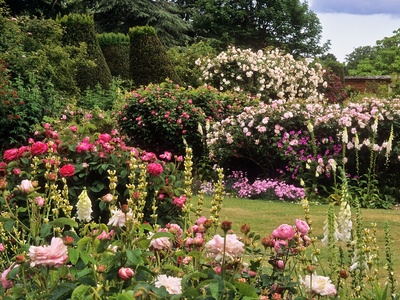
Foxglove
Tall spikes of tubular pendulous purple to pink bell flowers with speckled throats and fuzzy basal rosette. Attractive to bumblebees that crawl into deep flowers; contains cardiac glycosides so is toxic if ingested.
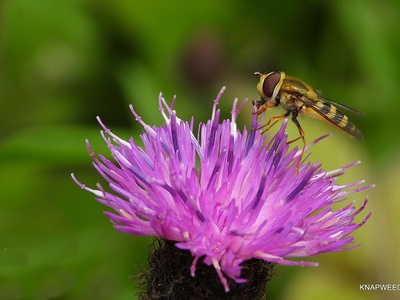
Common knapweed
Compact clusters of purple thistle-like florets on upright stems with narrow leaves. Long-blooming nectar source for bees and butterflies; common meadow species that tolerates varied soils.