Orlando’s mix of lakes, wetlands and pine flatwoods supports a surprising variety of wildlife, and some species here are facing real survival challenges as development and climate pressures shift their habitats. Knowing which animals are at risk helps locals and visitors make better choices about outdoor recreation and conservation.
There are 10 Endangered Species in Orlando, ranging from Eastern Indigo Snake to Wood Stork. For each species the list shows Scientific name, Legal status, and Where in Orlando; you’ll find below.
How can I report a sighting of an endangered species in Orlando?
If you see a rare animal, stay at a safe distance, note the exact location and time, and take a clear photo if possible. Report sightings to the Florida Fish and Wildlife Conservation Commission (FWC) or Orlando’s local environmental services, or use established online reporting forms—these records help experts track populations and respond appropriately.
What protections apply to these species and how can I help locally?
Many of the listed animals are protected under federal or state endangered-species laws, which restrict harming, harassing, or disturbing them and their habitat. You can help by supporting habitat-restoration projects, following local guidelines (leash rules, stay on trails), volunteering with conservation groups, and avoiding the release of nonnative species that compete with native wildlife.
Endangered Species in Orlando
| Name | Scientific name | Legal status | Where in Orlando |
|---|---|---|---|
| Gopher Tortoise | Gopherus polyphemus | State Threatened | Moss Park, Lake Nona natural areas |
| Wood Stork | Mycteria americana | Federal Threatened | Orlando Wetlands Park, city lakes |
| Everglade Snail Kite | Rostrhamus sociabilis plumbeus | Federal Endangered | Orlando Wetlands Park |
| Florida Sandhill Crane | Antigone canadensis pratensis | State Threatened | Parks, fields, and wetlands city-wide |
| Eastern Indigo Snake | Drymarchon couperi | Federal Threatened | Orlando Wetlands Park, rural edges |
| Florida Burrowing Owl | Athene cunicularia floridana | State Threatened | Open fields, airport properties |
| Little Blue Heron | Egretta caerulea | State Threatened | Orlando Wetlands Park, lake shorelines |
| Tricolored Heron | Egretta tricolor | State Threatened | Orlando Wetlands Park, marshy lake edges |
| Roseate Spoonbill | Platalea ajaja | State Threatened | Orlando Wetlands Park, shallow marshes |
| Southeastern American Kestrel | Falco sparverius paulus | State Threatened | Open pinelands, pastures on city edge |
Images and Descriptions
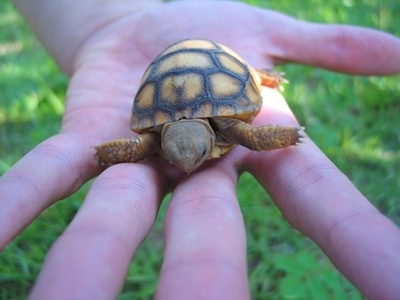
Gopher Tortoise
A keystone species whose burrows shelter over 350 other animals. This gentle land tortoise is threatened by habitat loss from Orlando’s rapid development. Conservation involves relocating them from construction sites to protected preserves and maintaining sandy upland habitats.
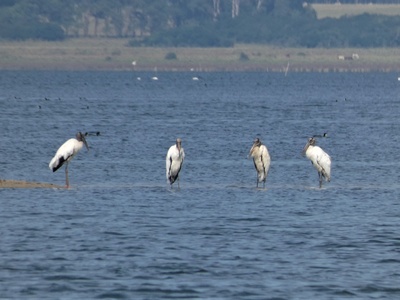
Wood Stork
America’s only native stork, this large, bald-headed wading bird feeds by touch in shallow wetlands. Its survival depends on healthy, restored marshes with specific water levels. You can spot them foraging at the Orlando Wetlands Park and other local lakes.
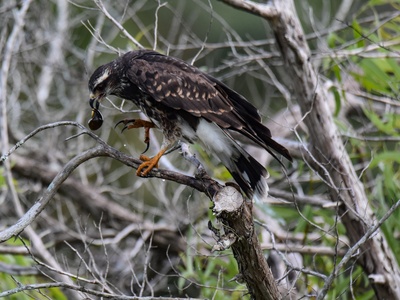
Everglade Snail Kite
This hawk-like bird is an extreme specialist, feeding almost exclusively on apple snails. It’s one of Florida’s most endangered birds, highly vulnerable to water pollution and drainage of the large, pristine marshes it calls home, like those at Orlando Wetlands Park.
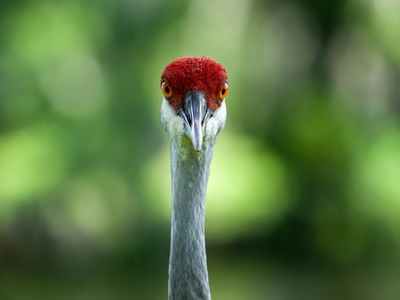
Florida Sandhill Crane
A massive, vocal bird often seen in pairs strolling through parks and neighborhoods. This non-migratory Florida native is threatened by habitat loss and dangerous vehicle collisions. Their bugling calls are a classic sound of the Orlando area’s open spaces.
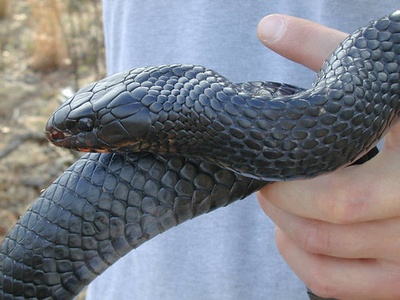
Eastern Indigo Snake
The longest native snake in North America, this iridescent black, non-venomous reptile is a gentle giant of upland habitats. It often relies on gopher tortoise burrows for shelter, and habitat fragmentation from roads and development is its biggest threat.
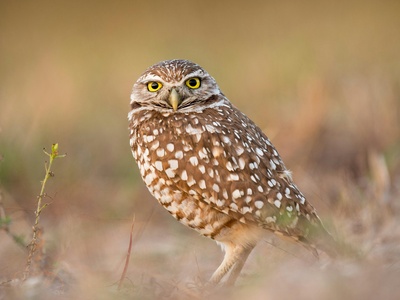
Florida Burrowing Owl
A small, long-legged owl that nests and lives in underground burrows in treeless areas like airports and pastures. Despite their charming appearance, they are threatened by habitat loss from development, as well as vehicle traffic and pesticides.
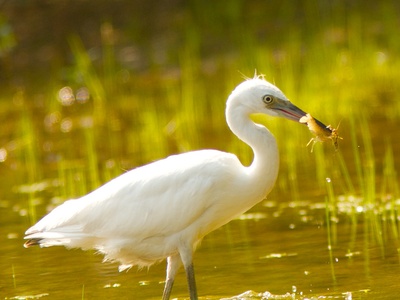
Little Blue Heron
A small, graceful heron with slate-blue plumage as an adult but pure white as a juvenile, often confusing birdwatchers. It suffers from the continued degradation and loss of the freshwater wetlands and coastal marshes it needs to feed and nest successfully.
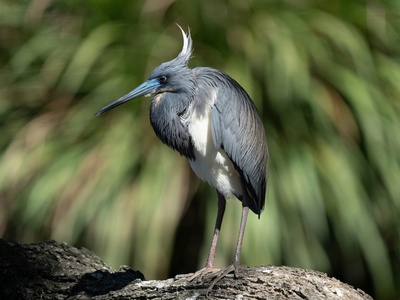
Tricolored Heron
Named for its purple, gray, and white feathers, this slender heron is a vibrant sight in local wetlands. It actively stalks fish in shallow water. Its populations are declining primarily due to habitat loss from development and polluted water runoff.
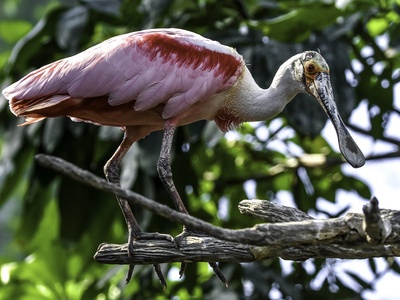
Roseate Spoonbill
This stunningly pink bird gets its color from crustaceans it eats, sifting them from the mud with its unique bill. Once nearly wiped out by plume hunters, it’s now threatened by wetland loss and changes in water quality affecting its food source.
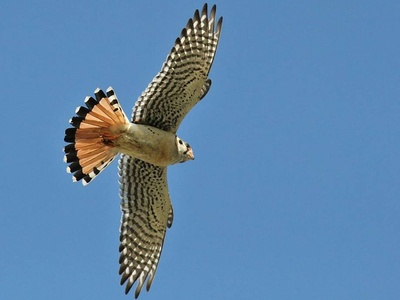
Southeastern American Kestrel
The smallest falcon in North America, this colorful, non-migratory subspecies is in sharp decline. It requires open savannas with dead trees for nesting cavities, and the widespread loss of this habitat has made this beautiful little predator a rare sight.