About 70% of Botswana lies within the Kalahari, while the Okavango Delta floods roughly 15,000 km² seasonally—two extremes that shape an unusually diverse set of plants. Walk beneath a hollow baobab trunk and you feel how a single tree can hold water, history and community memory all at once. These contrasts matter: plants stabilize soils, filter water, feed wildlife and people, and underpin local medicines and crafts.
Botswana’s plant life supports tourism, subsistence livelihoods and cultural practices, yet faces pressures from changing rainfall, fire regimes and land use. The goal here is simple: highlight 12 standout species that show how vegetation sustains ecosystems and communities. The examples are grouped into four categories—ecological pillars, wetland and riverine specialists, Kalahari-adapted species, and medicinal/economic plants—to make the patterns easy to see.
Ecological Pillars of Botswana’s Landscapes
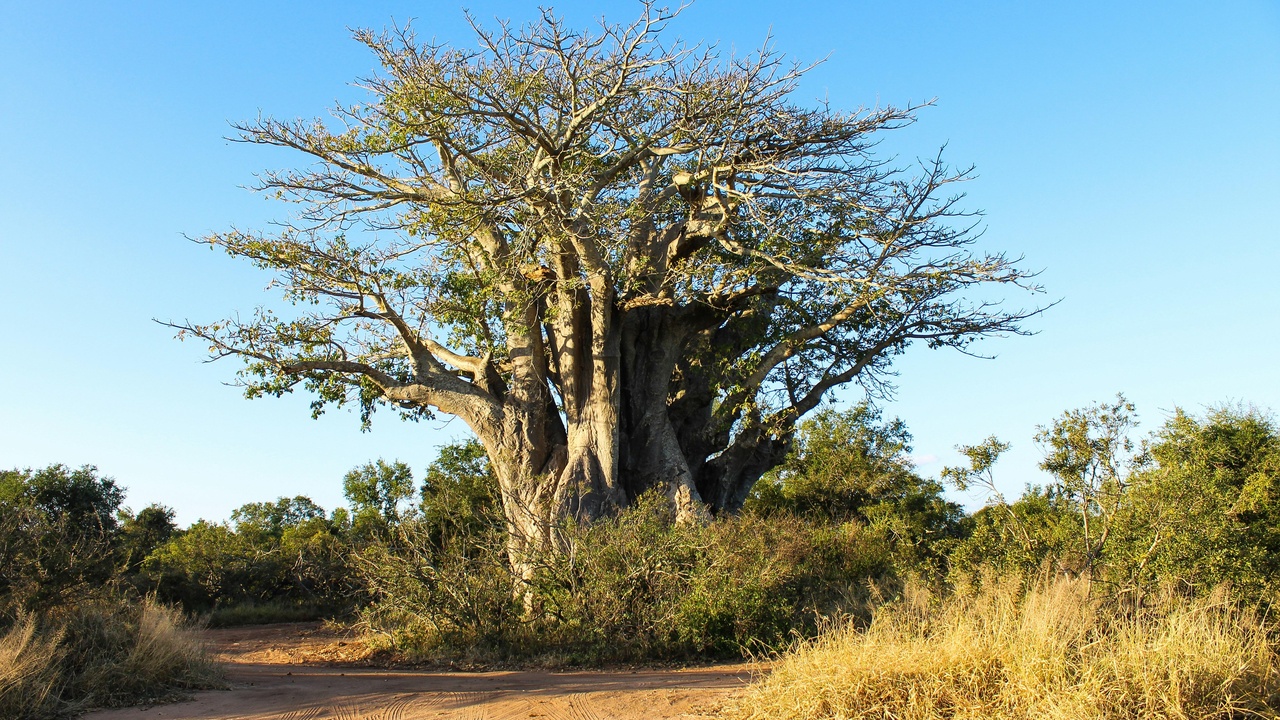
Large, long-lived trees and dense woody species structure savannas and woodlands across Botswana. They create shade, trap moisture near the soil surface, break winds and form microhabitats where seedlings, insects and small mammals persist. Some woodland trees reach well over 10–15 meters and can live for centuries, anchoring both ecology and local culture.
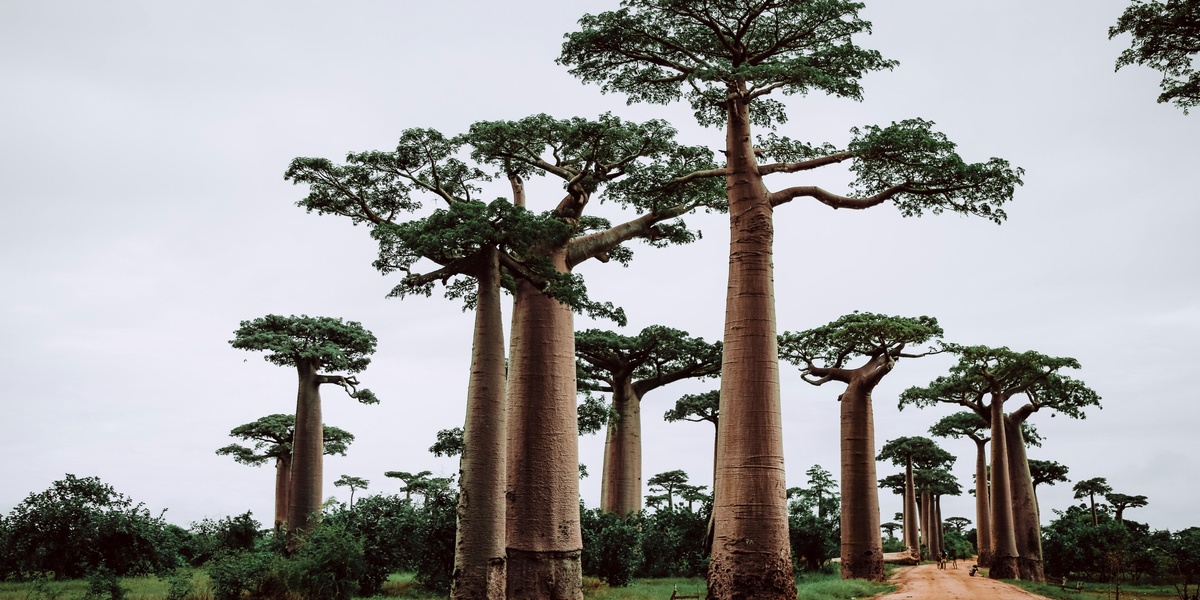
1. Baobab (Adansonia digitata): Giant of the Savannah
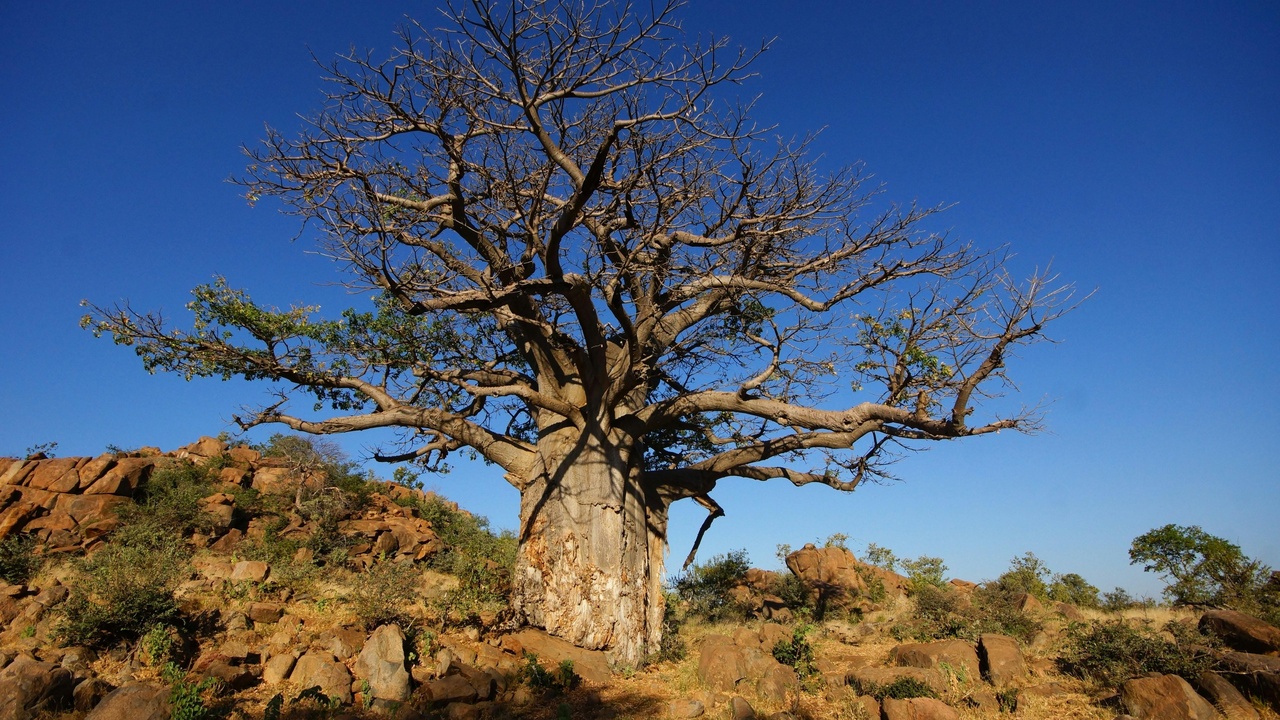
The baobab is an icon of southern Africa: a broad trunk, sparse crown and fruit packed with vitamin C. Many baobabs live more than 1,000 years and their massive trunks store water that helps them survive long dry seasons.
Locally, communities eat the tart pulp fresh or dried and use fibers from the bark for ropes and mats. On the commercial side, baobab powder—sold by brands such as Aduna—has entered natural-food markets as a vitamin-rich supplement.
Hollow trunks serve practical uses too: in some places they store water, shelter people or keep food cool during heat spells. In short, baobabs are ecological reservoirs and cultural landmarks.
2. Knobthorn (Senegalia nigrescens): Wildlife Magnet
Knobthorn trees have thorny branches and umbrella-like canopies that are a familiar sight on Botswana’s plains. Their leaves are an important browse item for giraffes, elephants and a range of antelope.
Thickets of knobthorn create nesting sites for small birds and perches for raptors, while shaded ground below supports grasses and seedlings. Locals also collect dead branches for fuelwood and use thorny stems for simple fencing.
3. Leadwood (Combretum imberbe): Slow-Growing, Long-Lived Anchor
Leadwood is prized for its density and longevity. It grows slowly in drier areas and yields timber that resists rot—ideal for tool handles, fence posts and durable poles.
Beyond its practical uses, leadwood stabilizes soils and often persists through droughts, providing shade and nesting cavities for birds and small mammals across arid zones like the Kgalagadi.
Wetland and Riverine Specialists
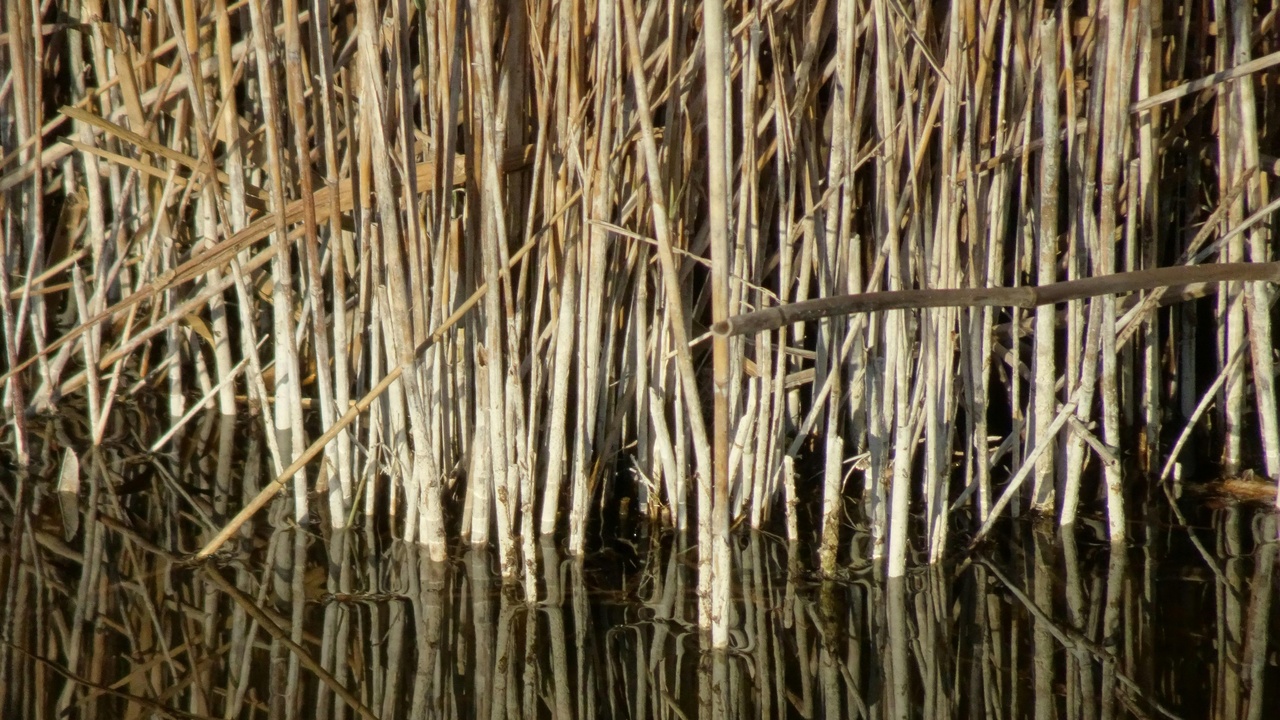
The seasonal pulse of the Okavango Delta (a roughly 15,000 km² floodplain and a UNESCO site since 2014) creates niches for aquatic and semi-aquatic plants. Those species drive nutrient cycling, provide shelter for fish and birds, and offer materials for local crafts and housing.
These wetland plants are a vivid strand of the flora of botswana, especially evident when channels swell and reedbeds expand into new lagoons. They’re also frontline filters—trapping sediment and improving water quality for downstream wildlife and people.
4. Papyrus (Cyperus papyrus): Reed Beds that Shape Wetlands
Patches of papyrus form dense reedbeds that slow water flow, trap sediment and support an extraordinary bird community. Reedbeds shelter juvenile fish and act as breeding grounds for marsh species.
Local people harvest papyrus for mats and woven goods, and the plant’s robust stems help stabilize banks and small islands in the Delta.
5. Makalani Palm (Hyphaene petersiana): The Delta’s Iconic Palm
Makalani palms punctuate islands and riverbanks in the Okavango. Their fruit is edible, while the leaves and fibers are prized for thatching and basketry.
Communities harvest the fiber for woven baskets and use palm thatch for roofs. The palms also help hold island soils together during seasonal floods, reducing erosion.
6. Water Lilies (Nymphaea spp.): Floating Islands of Life
Water lilies carpet shallow channels and oxbows when waters rise. Their pads shade the surface, moderating temperature and reducing algal blooms, while their flowers support insect life that feeds fish and birds.
Nymphaea lotus and similar species are common in the wet season, creating scenic vistas that draw wildlife photographers and boat-based tourists to the Delta.
Kalahari-Adapted Species
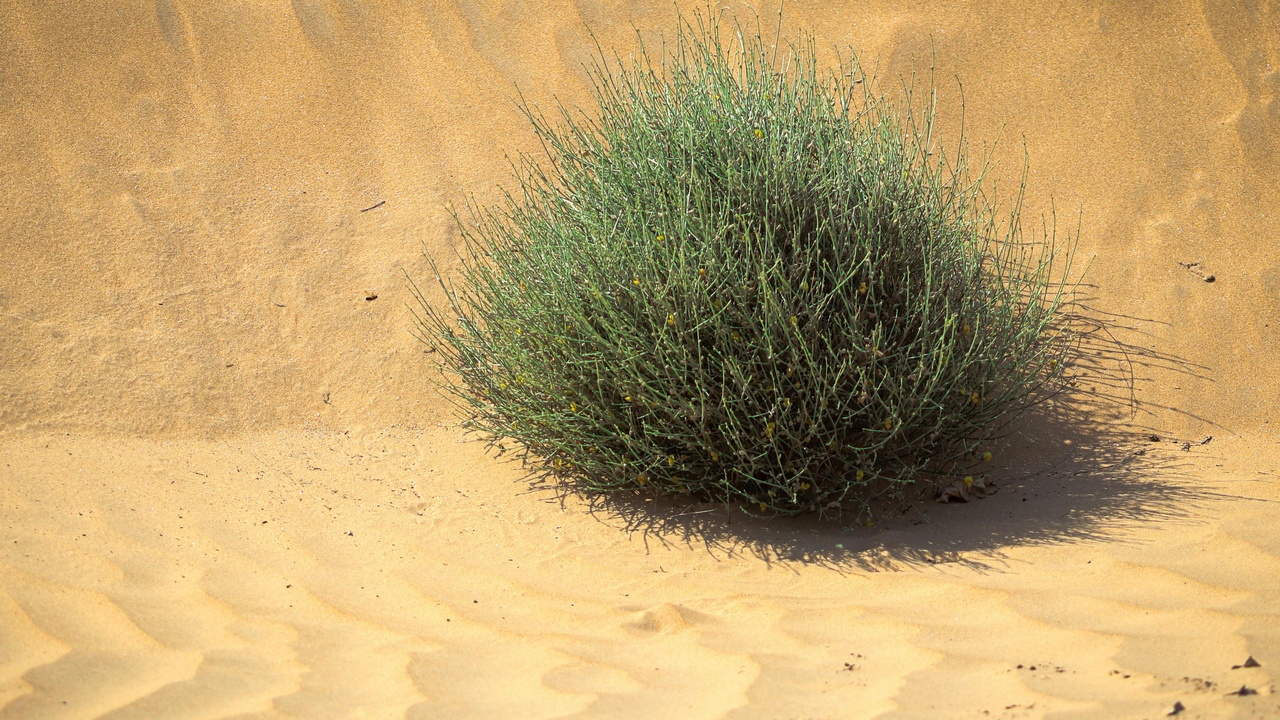
The Kalahari’s sandy soils and unpredictable rainfall favor species that save water, grow quickly after rain and anchor shifting dunes. Many Kalahari plants have deep roots, fleshy parts that store moisture, or seasonal growth forms that avoid the harshest months.
7. Tsamma Melon (Citrullus lanatus): A Desert Water Cache
Tsamma, the wild watermelon, is a seasonal lifeline in pans and interdune areas. Its watery fruit supplies hydration and calories to people and animals during dry stretches.
Foragers collect tsamma when ripe and livestock will browse fallen fruit. In tough years, tsamma can make the difference between finding food or going hungry.
8. Shepherd’s Tree (Boscia albitrunca): Deep Roots, Deep History
Shepherd’s tree is a classic drought-tolerant species with extremely deep roots that tap groundwater. It provides reliable shade near pans and is a favored browse species for wildlife and livestock.
Traditional healers use parts of the tree for remedies, and pastoral communities commonly leave shepherd’s trees standing near homesteads for shade and shelter.
9. Camelthorn (Vachellia erioloba): Keystone of Dry Savannas
Camelthorn is a hallmark of arid savannas. Its deep roots and thorny canopy protect seedlings from grazers, while its seed pods offer nutritious fodder to antelope and domestic stock.
Ranchers and wildlife managers value camelthorn for shade and as a forage component, and its sculptural form is part of the open-plain aesthetic in many parks.
Medicinal, Economic and Cultural Plants
Plants are woven into livelihoods across Botswana: they provide medicines, host edible insects, and supply materials for baskets, roofs and fuel. These species often support seasonal economies and hold cultural meaning for local communities.
10. Aloe Species (e.g., Aloe greatheadii): Traditional Medicine and Skincare
Local Aloe species are applied topically for burns, minor wounds and general skin care. The clear gel is a common household remedy and small-scale entrepreneurs sometimes bottle simple aloe products for market.
Harvesting is usually straightforward: leaves are cut close to the stem and the gel extracted for immediate use or simple drying. These plants bridge traditional health practices and modest income opportunities.
11. Mopane (Colophospermum mopane): Tree of the Worm and the Market
Mopane woodlands host the mopane worm (Imbrasia belina), an edible caterpillar that provides a seasonal source of protein and cash. Communities gather, boil or smoke the caterpillars, dry them on racks and sell them in local markets.
Beyond the worm harvest, mopane wood is prized for fuel and strong poles. The seasonal mopane-worm economy is a clear example of how one plant species can support both diet and income.
12. Riverine Paperbark (Syzygium cordatum): Craft, Medicine, and Shade
Paperbark trees line streams and riverbanks, offering edible fruits, shade for camps and materials for small crafts. Bark and leaves have traditional medicinal uses, while branches and fibers are used by basket-makers and thatchers.
Riverine species like this also stabilize banks, reducing erosion during floods and preserving the channels that many communities depend on.
Summary
- Botswana’s landscapes span extremes—from the Kalahari sands to the Okavango’s roughly 15,000 km² floodplain (UNESCO, 2014)—and that contrast produces unique plant adaptations.
- Large trees like baobab (often living more than 1,000 years), leadwood and camelthorn shape habitats, store resources and carry cultural meaning.
- Wetland plants—papyrus, makalani palms and water lilies—support fisheries, birds and clean water, while Kalahari specialists such as tsamma melon and shepherd’s tree provide hydration and forage during droughts.
- Many species underpin livelihoods: mopane woodlands fuel a seasonal mopane-worm trade, aloes supply remedies and skincare, and riverine trees feed craft and thatch industries.
- Protecting this vegetation protects wildlife, cultural practices and rural incomes—so supporting conservation, buying sustainably sourced products and learning about local plants all help keep these systems healthy.