When Charles Darwin visited the Galápagos Islands in 1835, differences among finch beaks helped shape evolutionary theory—an enduring illustration of how small anatomical changes matter. That same attention to detail is useful in your backyard: a bird’s posture, beak and plumage often tell you more than a quick glance.
Although both are small, seed-eating passerines, sparrows and finches differ in five practical ways: body form and plumage, beak design and feeding, habitat and human association, social and breeding behavior, and vocal roles and conservation status. Knowing those differences helps with identification, feeder choices, and conservation support.
You’ll see concrete examples here—House Sparrow (Passer domesticus), Chaffinch (Fringilla coelebs), European Goldfinch (Carduelis carduelis), and Zebra Finch (Taeniopygia guttata)—plus numbers: roughly 200 finch species versus about 30 true sparrow species, typical clutch sizes, and representative measurements that make field ID easier. Read on for clear, practical comparisons and a few sources you can trust (Cornell Lab of Ornithology, Audubon, the Grants’ finch studies).
Physical and Plumage Differences
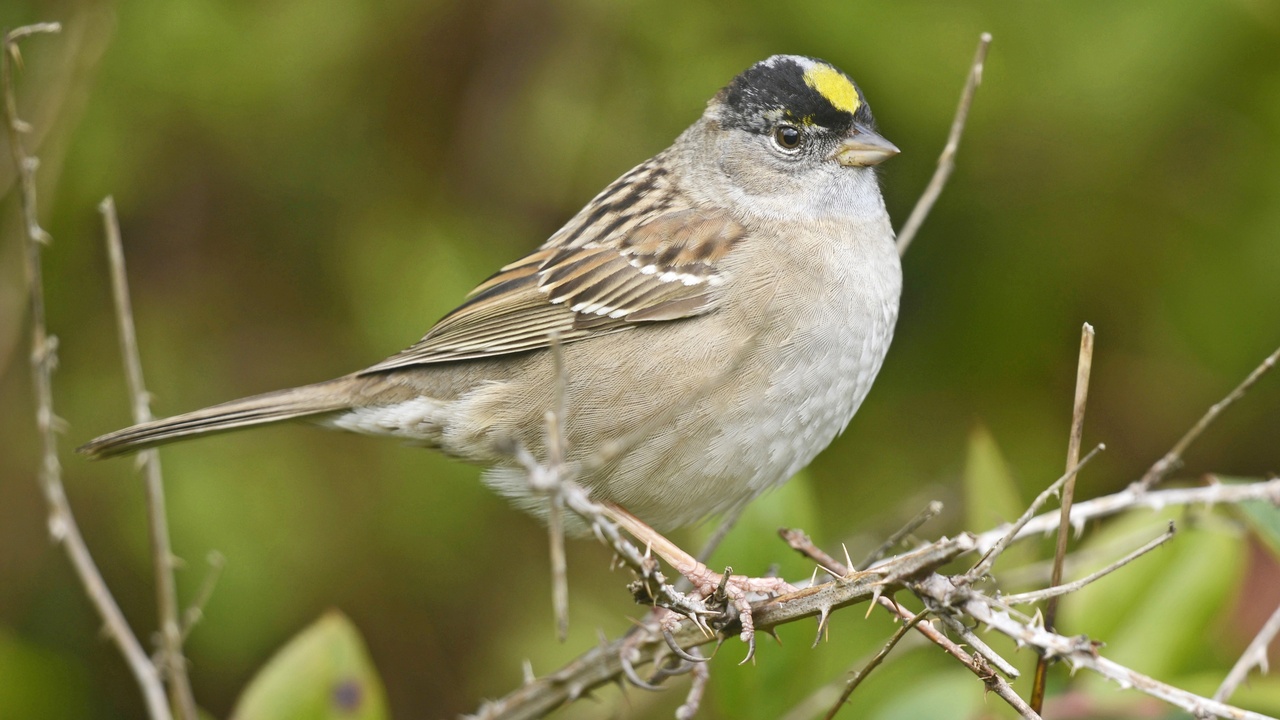
Sparrows tend toward cryptic, streaked plumage that blends with ground and shrub habitats; finches often display brighter males or bold facial patterns. Size overlaps occur, but measurements and silhouettes give reliable clues for many species.
1. Size and body shape
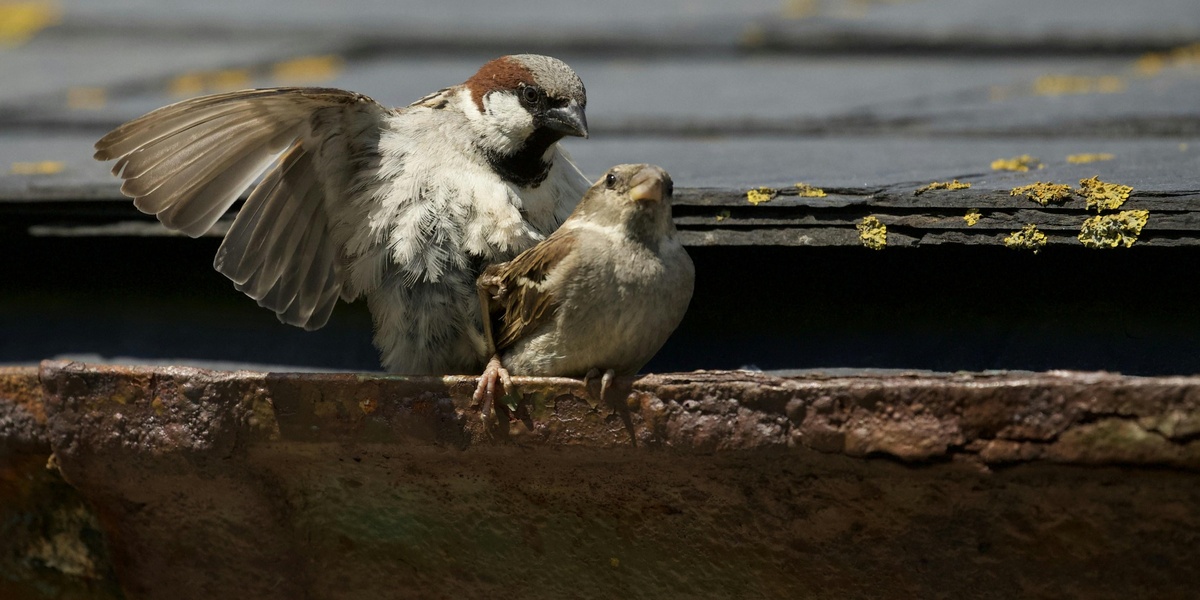
Many sparrows are compact with relatively short tails and a hunched posture. For example, House Sparrow (Passer domesticus) averages about 14–16 cm in length and roughly 24–39 g in mass (Cornell Lab of Ornithology). The American Tree Sparrow is similar in length but lighter.
Finches vary from small to medium. European Goldfinch (Carduelis carduelis) measures roughly 12–13 cm, while Common Chaffinch (Fringilla coelebs) sits around 14–16 cm. Some finches (e.g., grosbeaks) reach sizes comparable to larger sparrows, so size alone isn’t definitive.
Field tip: note silhouette—sparrows often look stockier with shorter tails; many finches show a slimmer, more upright stance and proportionally shorter necks. Use a field guide (Audubon or British Trust for Ornithology) to compare lengths and weights when in doubt.
2. Beak shape and feeding adaptations
Beak morphology is a primary diagnostic difference. Finches exhibit a wide range of bill specializations—stout, rounded bills for cracking hard seeds, slender bills for small seeds, and even crossed bills for extracting conifer seeds—reflecting diet diversity.
Darwin’s finches are the classic example: Peter and Rosemary Grant’s long-term research documented measurable shifts in beak size and shape in response to drought-driven food changes on the Galápagos (Grants’ studies). In modern ornithology, those studies remain a cornerstone for adaptive morphology.
Sparrows also have conical bills for seed eating, but many are less specialized and include more insects in their diets, especially during breeding. For instance, House Sparrows take a lot of anthropogenic food near people, while Goldfinches specialize on small seeds like nyjer and thistle. Red Crossbill shows extreme specialization with a crossed bill for prying open conifer cones.
Habitat, Human Association, and Social Behavior
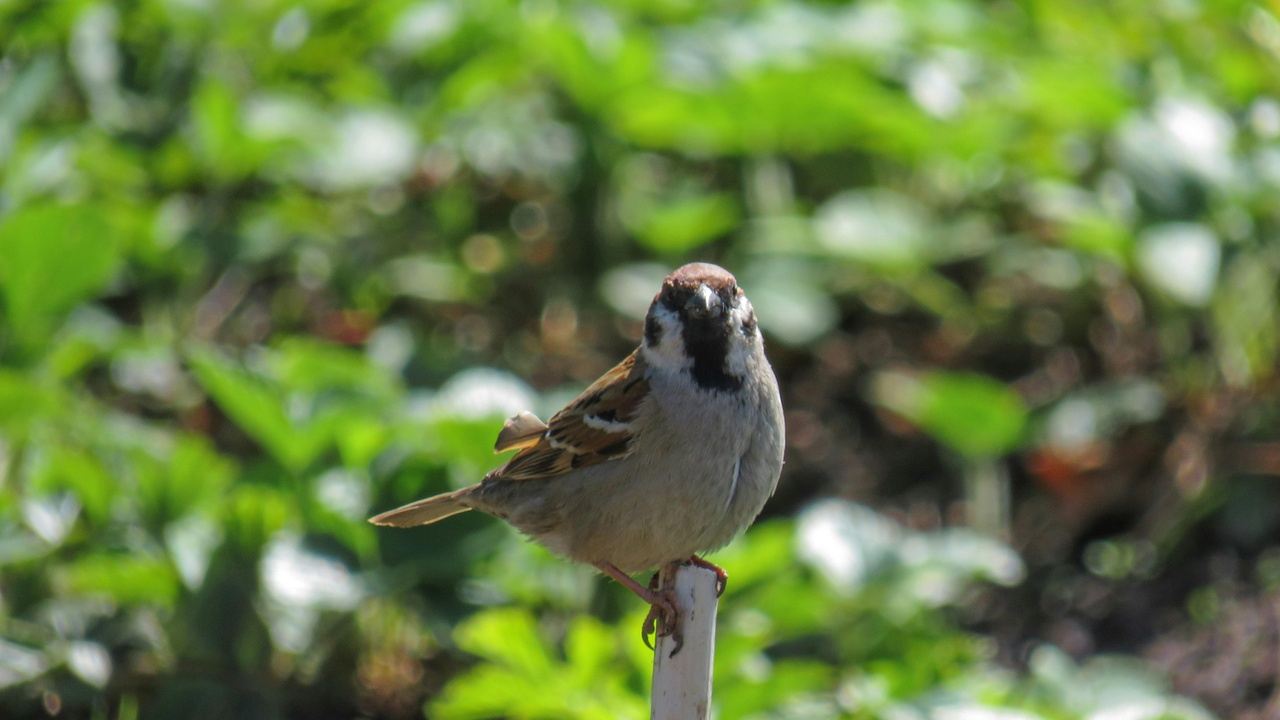
Sparrows often live alongside people and thrive in towns and farms; finches occupy a broader suite of habitats, from hedgerows and grassland to island endemics. These differences shape where you’ll encounter each group and how they respond to human-modified landscapes.
3. Habitat preference and human association
House Sparrow is synanthropic—closely tied to human settlements—and was introduced to North America around the mid-19th century (circa 1851), now common in cities worldwide. That synanthropy explains rapid population growth in urban areas documented by organizations like Audubon.
Finches number roughly 200 species worldwide (family- and subfamily-level counts vary) and include island specialists such as the Galápagos/Darwin’s finches, and woodland species like chaffinches. Many finches favor hedgerows, conifer stands, or grasslands rather than dense urban centers.
Practical takeaway: put nyjer feeders and thistle socks in open yards to attract goldfinches; seed-and-bread scraps tend to attract sparrows. Citizen-science data (eBird, regional atlases) reflect these habitat associations clearly.
4. Social behavior and breeding
Sparrows often form tight social flocks and nest in cavities, building eaves, or nest boxes; House Sparrows regularly nest in crevices and human structures. Clutch sizes for many sparrows range about 3–6 eggs, and multiple broods per season are common in temperate areas.
Finch sociality varies: many finches form loose seed-eating flocks outside the breeding season but disperse to territories when nesting. Finch clutch sizes typically range 2–7 eggs depending on species; smaller ground-nesting species may produce fewer, larger broods.
For conservation and management, nesting substrate matters. Sparrow declines in some cities have been linked to fewer accessible nesting sites, while some finch conservation focuses on protecting breeding habitat and controlling nest predators.
Vocalizations, Cultural Roles, and Conservation Status
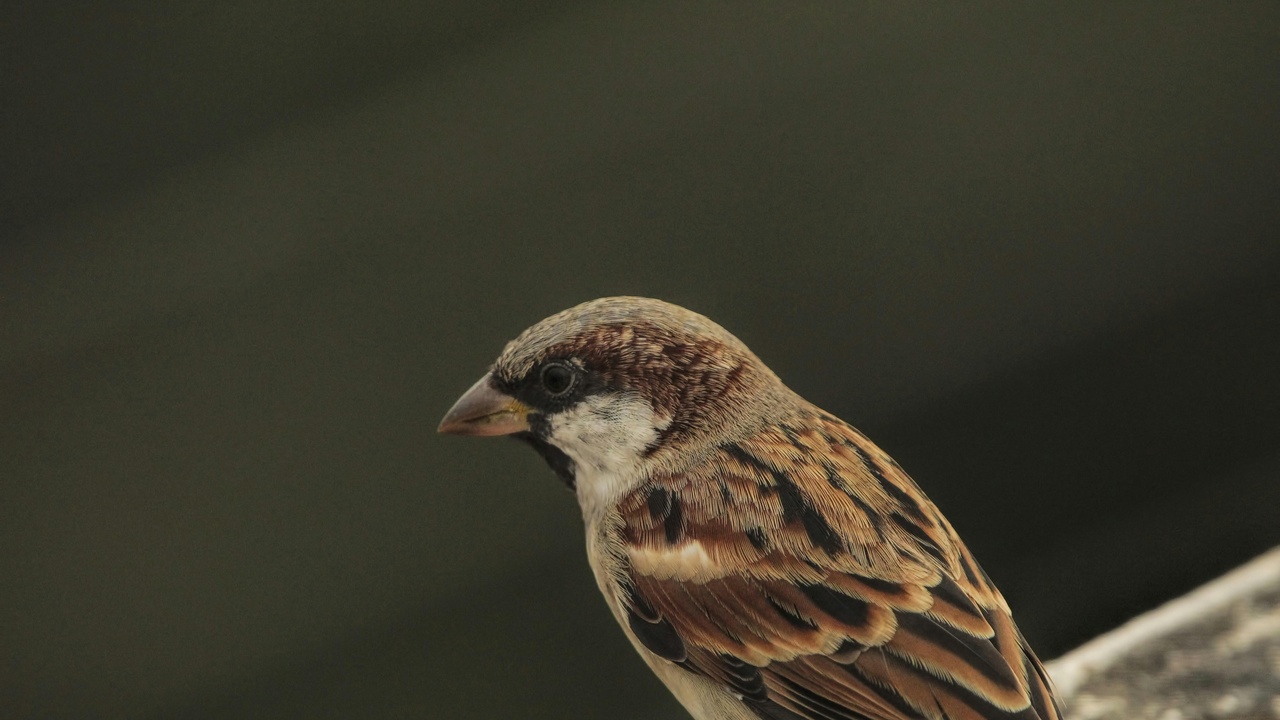
Vocal behavior and human uses offer striking contrasts: finches include classic lab models and historically significant pets, while sparrows shape urban soundscapes and show regional dialects. Conservation stories differ too—some finch lineages are highly threatened, especially on islands.
5. Song, calls, and human uses
Finches include the zebra finch (Taeniopygia guttata), widely used in neuroscience and song-learning research since the 1970s, making them a major model for vocal learning. Canaries (Serinus canaria domestica) were used in coal mines through the 19th and 20th centuries as early warning gas detectors—a cultural role that influenced human perception of small songbirds.
Sparrows such as the Song Sparrow show regional dialects and are prominent in urban soundscapes; their calls and songs often help birders locate them amid city noise. Both groups offer diagnostic vocal cues for identification: finch songs can be trills and complex phrases, while many sparrow calls are sharper chips and simpler songs.
Conservation note: several island finches and honeycreeper lineages (for example, some Hawaiian species) have suffered steep declines from invasive predators, habitat loss, and avian disease. That vulnerability contrasts with the global success of synanthropic sparrows in many regions and highlights why habitat protection matters.
Summary
- Size and silhouette: note length and posture—House Sparrow ~14–16 cm and stocky; Goldfinch ~12–13 cm and more slender.
- Beaks and diet: finches show broad bill diversity tied to seed types (Darwin’s finches, crossbills); sparrows are often more generalist and insect-rich during breeding.
- Habitat and behavior: sparrows commonly associate with people and nest in buildings; finches occupy hedgerows, woodlands, grasslands and many island niches.
- Song and science: zebra finch research (since the 1970s) and canary cultural uses differ from sparrows’ role in urban soundscapes; several island finch lineages remain conservation priorities.
- Try this: watch feeders to compare beak handling of seeds, log sightings with eBird or local bird clubs, and support organizations such as Audubon or the Cornell Lab of Ornithology to help protect both sparrow and finch identification and habitats.