Long before modern gardens and seed catalogs, Indigenous peoples in North America perfected a simple, productive polyculture known as the Three Sisters: corn, beans, and squash planted together for mutual benefit. For centuries that trio supplied calories, protein, and storage-friendly produce while stabilizing soil and shading out weeds. Many gardeners and small-scale farmers today still face heavy pest pressure, depleted soils, and rising input costs. Carefully chosen plant pairings address those problems in practical, measurable ways. Companion planting is a low-tech, high-impact gardening strategy that improves pest control, boosts yields, enhances soil health, and reduces costs—making gardens and small farms more resilient and productive. Below are seven concrete benefits, grouped into ecological, productivity and crop-health, and economic and practical outcomes, with examples you can try this season.
Ecological Benefits

Companion planting builds small, functioning ecosystems in garden beds. By mixing crops, herbs, and flowers you create habitat for predators, increase floral resources for pollinators, and improve soil processes—all without heavy inputs. Organizations such as the FAO, Rodale Institute, and many university extension programs document measurable ecological gains from diverse plantings, including lower pest pressure and higher insect diversity. Below are three ways companion plantings support biodiversity and soil function, with practical examples you can apply in a backyard or market garden.
1. Enhanced pest control through trap crops and repellents
Among the clear benefits of companion planting is reduced pest damage: extension trials and agroecology research report pest reductions commonly in the 30–60% range when trap crops, repellent plants, and predator habitat are used together.
Trap crops draw herbivores away from main cash crops—nasturtiums, for instance, readily attract aphids that would otherwise settle on tomatoes or brassicas. Repellent aromatics and borders of strong-scented plants can lower colonization by pests, while flowering margins supply pollen and nectar for ladybeetles, lacewings, and parasitic wasps that consume pests.
Successful large-scale examples include the East African push–pull system (Desmodium intercrop with Napier grass) that reduced stem-borer damage and improved yields for thousands of smallholders. Marigolds (Tagetes) planted around tomatoes have been shown in extension trials to suppress root-knot nematodes enough to reduce yield loss in many home gardens. Use a small sacrificial row or border to protect main beds and monitor pest counts weekly to see results.
2. Improved pollination and greater biodiversity
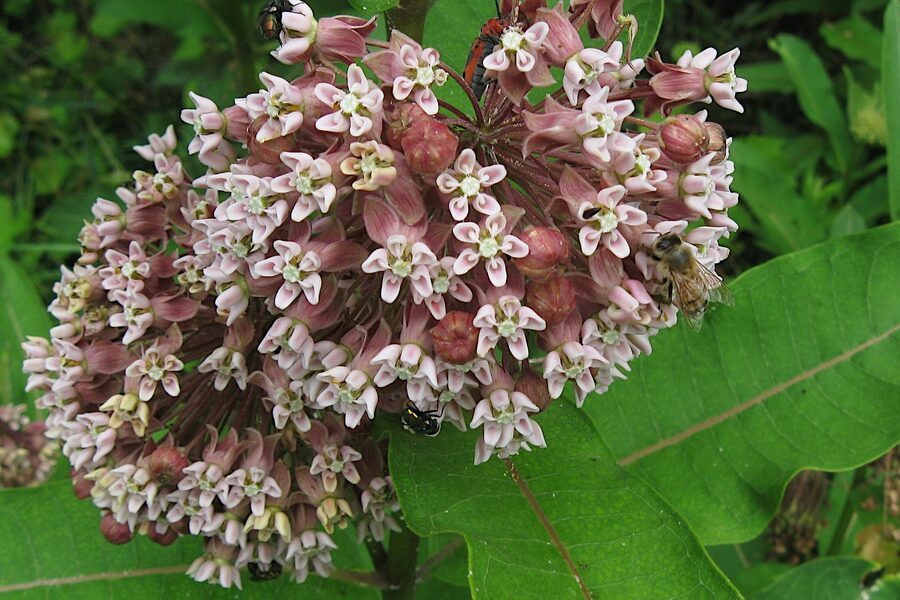
Mixing flowering herbs and nectar sources into vegetable beds increases pollinator visitation and often improves fruit set. Trials and community-garden reports commonly show 20–40% higher pollinator activity after adding continuous-bloom strips or interplanted nectar flowers.
Plant borage, cosmos, or lavender near tomatoes and squashes to attract bees, hoverflies, and other useful insects. Those visitors not only increase pollination but also boost overall insect diversity, which stabilizes services over time—helpful in both urban allotments and rural plots.
Community projects that introduced pollinator borders often reported more reliable fruit set and better-quality harvests for crops that depend on insect visits. For quick wins, stagger bloom times so something is always flowering through the season.
3. Soil health and nutrient cycling benefits
Certain companion plants improve soil structure, fix nitrogen, and suppress weeds. Legumes intercropped with cereals or vegetables biologically add nitrogen—depending on species and conditions, legumes commonly fix on the order of 50–150 kg N/ha per season, according to agronomy sources—cutting synthetic fertilizer needs.
Using living mulches such as crimson clover or vetch over winter keeps roots in the ground, protects structure, and increases organic matter when turned in. Deep-rooted companions like comfrey mine minerals from subsoil and return them to the surface in leaf mulch for nearby fruiting plants.
The Three Sisters method—beans fixing nitrogen for corn while squash shades soil—remains a practical example: modern regenerative growers adapt that model to increase soil carbon and reduce erosion. Try interplanting a short-season legume with a main crop or adding a perennial comfrey at the edge of tree and shrub plantings.
Productivity and Crop-health Benefits

Companion planting can directly increase yields and reduce disease incidence by optimizing light, water, and nutrient use while disrupting pest and pathogen cycles. Researchers use the land-equivalent ratio (LER) to quantify gains: an LER greater than 1 means mixed crops produced more per area than separate monocultures. Below are two concrete productivity benefits and how to apply them in a small garden or market patch.
4. Increased yields through complementary plant interactions
These are among the benefits of companion planting: intelligently combined plants often produce more total food per square meter than monocultures. The land-equivalent ratio (LER) is the standard way to show this; many intercropping trials report LER values of roughly 1.1–1.6, meaning 10–60% more output from the same area.
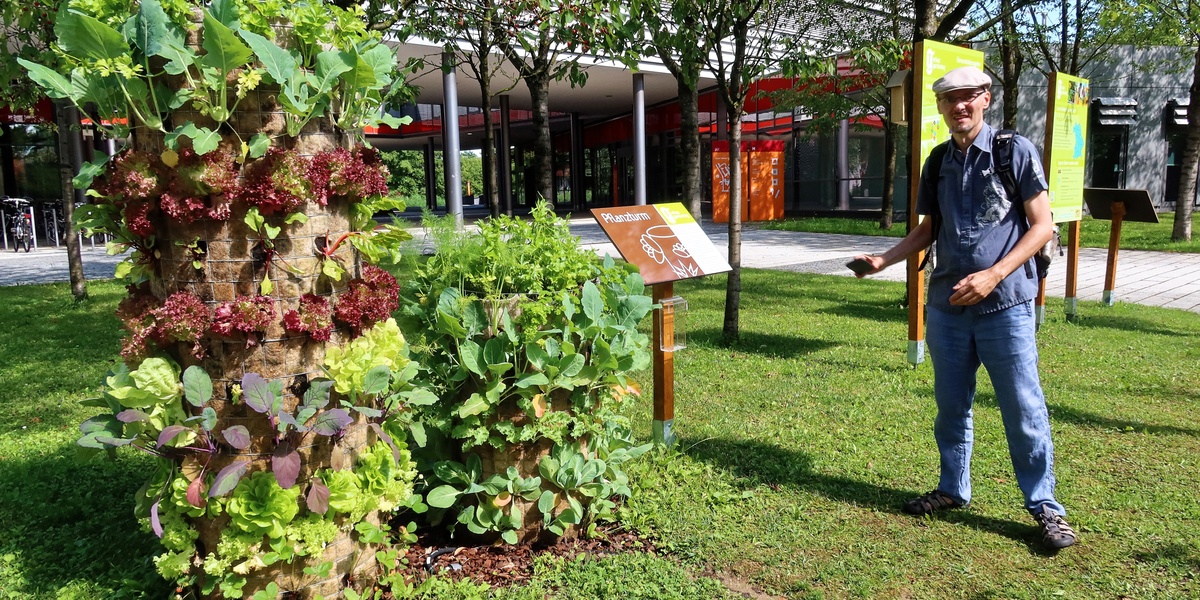
Niche complementarity—different root depths, canopy shapes, and harvest timings—lets crops use sunlight, water, and nutrients without direct competition. For example, lettuce sown between rows of slower-growing brassicas makes use of early light and is harvested before the brassicas close canopy.
In home gardens try pole beans climbing on corn or trellised cucumbers planted above shallow-rooted salad greens. Record yields per bed over a season to compare mixed beds with single-crop beds and see whether your combinations give an LER advantage.
5. Disease suppression and microclimate regulation
Diversity breaks pathogen cycles and can reduce disease incidence by lowering host density and improving airflow. Mixed plantings often dry faster after rain and reduce the sustained leaf wetness that favors fungal pathogens.
Strategic spacing and companion choices also change microclimates; low-growing covers shade soil and reduce splash dispersal of soil-borne pathogens, while aromatic herbs can confuse or mask scents pests use to find hosts. Extension trials and plant pathology reports show lower incidence of some foliar diseases in mixed plantings compared with dense monocultures.
Simple steps for gardeners: avoid long runs of a single species, plant windbreaks that don’t trap humidity, and intersperse herbs like oregano and thyme near susceptible crops to reduce pest vectors and improve overall plant health.
Economic and Practical Benefits

Beyond ecology and yields, companion planting lowers input costs, reduces labor over time, and increases resilience—advantages that matter most for smallholders, community gardens, and budget-conscious home growers. Programs that adopt integrated companion approaches often document measurable reductions in pesticide use and modest increases in net income. Below are two practical benefits and tips for getting started.
6. Lower input costs and environmental footprint
Companion planting reduces purchases of pesticides and synthetic fertilizers by replacing chemical control with biological and cultural options. Integrated pest management trials report substantial percentage reductions in pesticide applications when trap crops and predator habitat are incorporated into cropping systems.
Less chemical use lowers runoff and helps build soil carbon. Smallholder push–pull programs in Africa reduced reliance on insecticide sprays while improving incomes—an example of how plant-based tactics can shrink both bills and environmental harm.
Budgeting tip: start with a pollinator border and one trap crop, and track spending on sprays and fertilizers across a season. Many community gardens report cutting pesticide purchases within a year after adopting companion strategies.
7. Easier maintenance, resilience, and learning benefits for gardeners
Companion planting often makes gardens easier to manage—less scouting and fewer emergency interventions. Perennial herb borders and living mulches suppress weeds and provide continuous habitat for beneficial insects, reducing routine weeding and net labor over time.
For new gardeners, simple pairings like tomato and basil or nasturtiums with squash offer fast feedback and a gentle learning curve. For experienced growers, mix-and-match trials build resilience to weather swings and pest outbreaks.
Start small: try two or three companion pairings, keep short notes on pest counts and harvests, and scale the combinations that work. Over a few seasons you’ll develop a locally adapted palette of companions that save time and reduce surprises.
Summary
Companion planting delivers ecological, productivity, and economic wins for gardeners and small farms. It’s practical, low-cost, and adaptable to almost any scale.
- Fewer pests without routine sprays—trap crops and predator habitat can cut pest pressure substantially.
- Stronger pollination and biodiversity—adding nectar plants often raises pollinator visits and fruit set.
- Improved soil and nutrient cycling—legumes and living mulches reduce fertilizer needs and build organic matter.
- Higher total productivity—intercropping can give LERs of 1.1–1.6 in many systems, meaning more food per square meter.
- Lower costs and easier maintenance—fewer inputs, less routine labor, and greater resilience for small-scale growers.
Try one pairing this season—basil with tomatoes or nasturtiums with squash—and keep a short notebook of pests and yields. Observe, tweak, and grow a more resilient patch of food in the process.