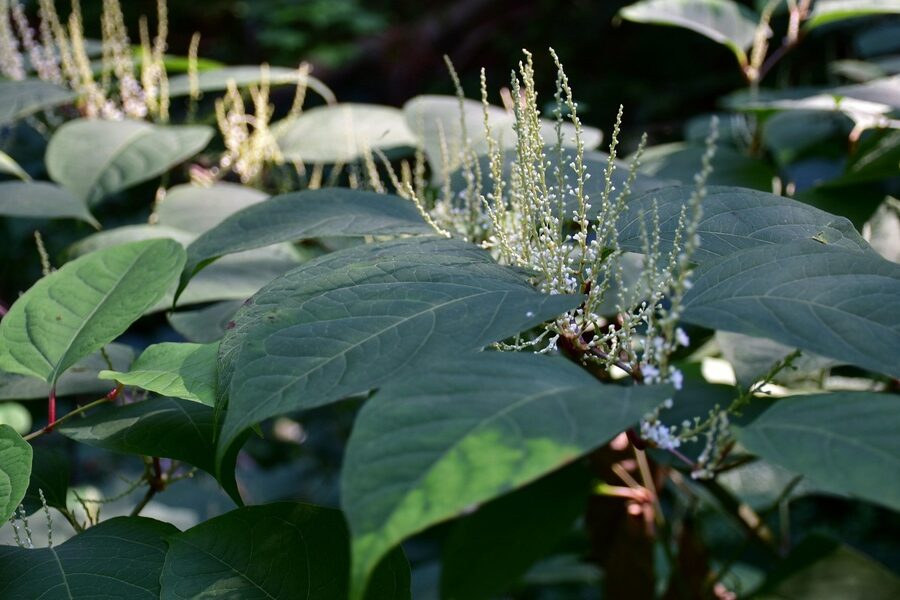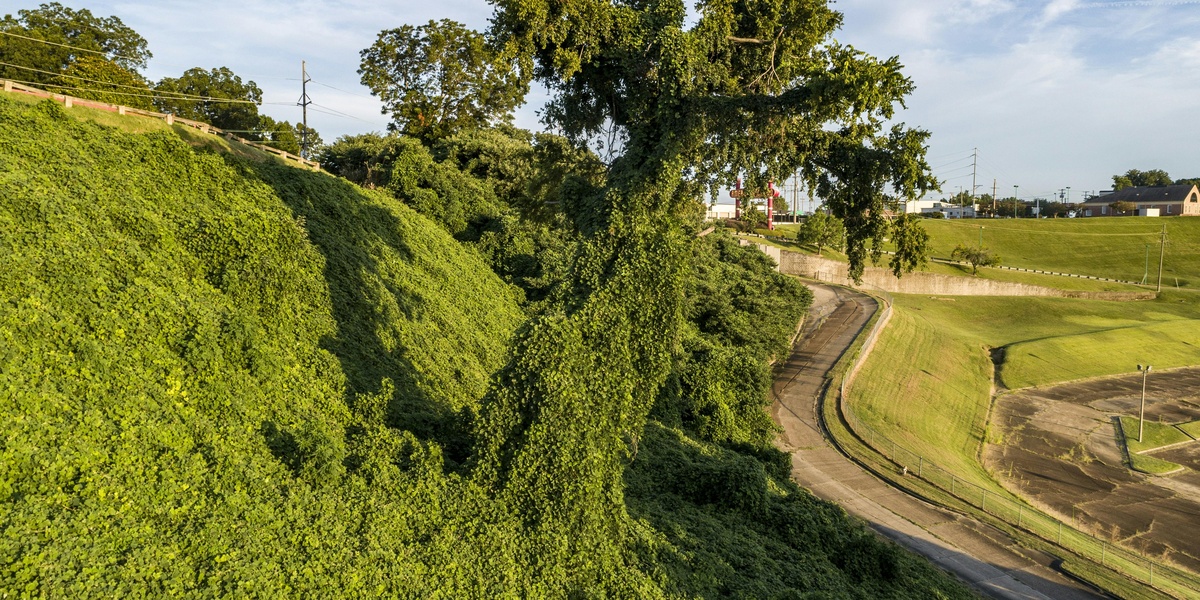
Virginia’s rivers, forests and coastal wetlands are increasingly affected by nonnative plants and animals that alter habitats, threaten native species and sometimes damage infrastructure or agriculture. Knowing which species are present — and where they occur — helps land managers, naturalists and homeowners spot new arrivals early and prioritize response.
There are 85 Invasive Species in Virginia, ranging from Africanized honeybee (not established) to Zebra mussel. For each entry you’ll find below concise records organized with Scientific name,Category,VA range & habitat so you can scan where a species occurs and what environments it prefers.
How do I report a suspected invasive species I find in Virginia?
Take clear photos, note the date and precise location (GPS if possible), and avoid moving the organism. Submit your observations to resources like the Virginia Cooperative Extension, the Virginia Department of Wildlife Resources, or national platforms such as EDDMapS and iNaturalist; local extension agents can advise next steps.
What are the most common impacts these invasive species cause here?
Impacts include displacement of native species, habitat alteration, agricultural losses and infrastructure damage (e.g., zebra mussels fouling pipes). Some pose human-health risks in limited cases (Africanized honeybee concerns). Early detection, reporting, containment and targeted control reduce long-term costs.
Invasive Species in Virginia
| Name | Scientific name | Category | VA range & habitat |
|---|---|---|---|
| Kudzu | Pueraria montana var. lobata | Plant | Statewide especially Piedmont and SW Virginia; roadsides, forests |
| English ivy | Hedera helix | Plant | Throughout Virginia; forests, yards, walls, streambanks |
| Japanese honeysuckle | Lonicera japonica | Plant | Widespread; forest edges, fields, roadsides |
| Amur honeysuckle | Lonicera maackii | Plant | Common in Piedmont and Shenandoah Valley; forest understory, edges |
| Multiflora rose | Rosa multiflora | Plant | Widespread; fields, forest edges, fencerows |
| Autumn olive | Elaeagnus umbellata | Plant | Common in central and western VA; fields, roadsides, disturbed sites |
| Tree-of-heaven | Ailanthus altissima | Plant | Widespread; urban, roadsides, forests |
| Japanese knotweed | Reynoutria japonica (Fallopia japonica) | Plant | Common along waterways and disturbed soils statewide |
| Garlic mustard | Alliaria petiolata | Plant | Widespread; forests and shaded trails statewide |
| Japanese stiltgrass | Microstegium vimineum | Plant | Widespread in forests and floodplains statewide |
| Mile-a-minute vine | Persicaria perfoliata | Plant | Eastern and central VA; disturbed sites, forest edges |
| Oriental bittersweet | Celastrus orbiculatus | Plant | Common across Virginia; forests, edges, roadsides |
| Japanese barberry | Berberis thunbergii | Plant | Widespread residential and woods; Piedmont and valleys |
| Norway maple | Acer platanoides | Plant | Urban and forest edges statewide |
| Callery (Bradford) pear | Pyrus calleryana | Plant | Widespread in urban and rural edges |
| Chinese privet | Ligustrum sinense | Plant | Common in eastern VA; forest understory and hedgerows |
| European buckthorn | Rhamnus cathartica | Plant | Occasional in northern and western VA; forest edges |
| Porcelainberry | Ampelopsis brevipedunculata | Plant | Eastern VA; riparian zones and hedgerows |
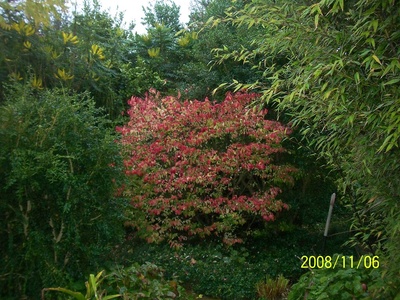
| Winged burningbush | Euonymus alatus | Plant | Frequent in urban and forest edges |
| Phragmites (non-native haplotype) | Phragmites australis (non-native lineage) | Plant | Tidal marshes and wetlands statewide |
| Purple loosestrife | Lythrum salicaria | Plant | Wetlands and shorelines statewide |
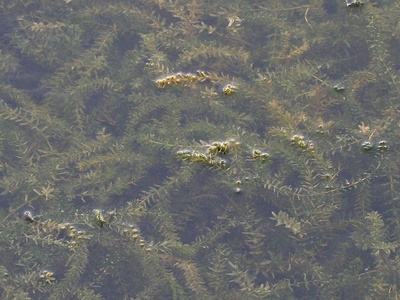
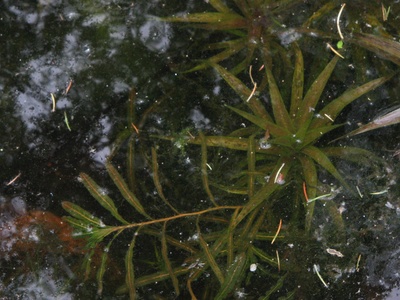
| Hydrilla | Hydrilla verticillata | Aquatic plant | Reservoirs and slow rivers statewide |
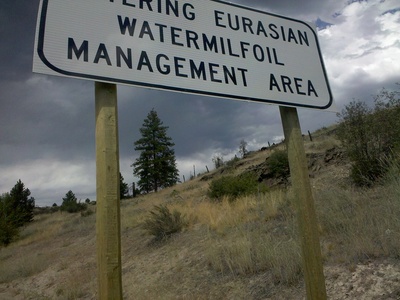
| Eurasian watermilfoil | Myriophyllum spicatum | Aquatic plant | Lakes and reservoirs statewide |
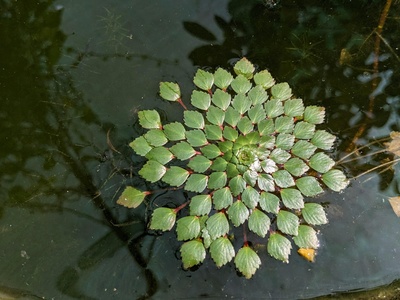
| Water chestnut | Trapa natans | Aquatic plant | Tidal rivers and ponds; Chesapeake tributaries |
| Curlyleaf pondweed | Potamogeton crispus | Aquatic plant | Lakes and reservoirs statewide |
| European common reed (non-native lineage) | Phragmites australis (non-native) | Plant | See Phragmites entry |
| Japanese stiltgrass (duplicate avoidance) | Microstegium vimineum | Plant | See earlier entry |
| Common reed (consolidated) | Phragmites spp. | Plant | See Phragmites entry |
| English ivy (duplicate avoidance) | Hedera helix | Plant | See earlier entry |
| Emerald ash borer | Agrilus planipennis | Insect | Detected throughout much of Virginia; ash stands |
| Hemlock woolly adelgid | Adelges tsugae | Insect | High elevations and riparian hemlock stands statewide |
| Spongy moth (gypsy moth) | Lymantria dispar dispar | Insect | Widespread; defoliates oaks and hardwoods statewide |
| Spotted lanternfly | Lycorma delicatula | Insect | Detected in parts of Northern Virginia; monitoring ongoing |
| Brown marmorated stink bug | Halyomorpha halys | Insect | Statewide; agricultural lands and homes |
| Japanese beetle | Popillia japonica | Insect | Widespread across Virginia |
| Asian tiger mosquito | Aedes albopictus | Insect | Widespread in urban and suburban areas statewide |
| Brown rat (Norway rat) | Rattus norvegicus | Mammal | Statewide urban and agricultural habitats |
| European starling | Sturnus vulgaris | Bird | Statewide urban and rural areas |
| House sparrow | Passer domesticus | Bird | Statewide urban and agricultural areas |
| Feral swine | Sus scrofa | Mammal | Eastern, central, and SW Virginia; forests, agricultural land |
| Nutria | Myocastor coypus | Mammal | Eastern Shore and tidal wetlands (historical records) |
| Common carp | Cyprinus carpio | Fish | Lakes and slow rivers statewide |
| Blue catfish | Ictalurus furcatus | Fish | Chesapeake Bay tributaries and rivers |
| Flathead catfish | Pylodictis olivaris | Fish | James River and other tributaries |
| Round goby | Neogobius melanostomus | Fish | Tidal rivers and Chesapeake tributaries |
| Northern snakehead | Channa argus | Fish | Potomac and some tidal waters; monitoring |
| Zebra mussel | Dreissena polymorpha | Aquatic invertebrate | Reservoirs and some rivers statewide |
| Quagga mussel | Dreissena rostriformis bugensis | Aquatic invertebrate | Detected in some VA waters; monitoring ongoing |
| Asian clam | Corbicula fluminea | Aquatic invertebrate | Rivers and lakes statewide |
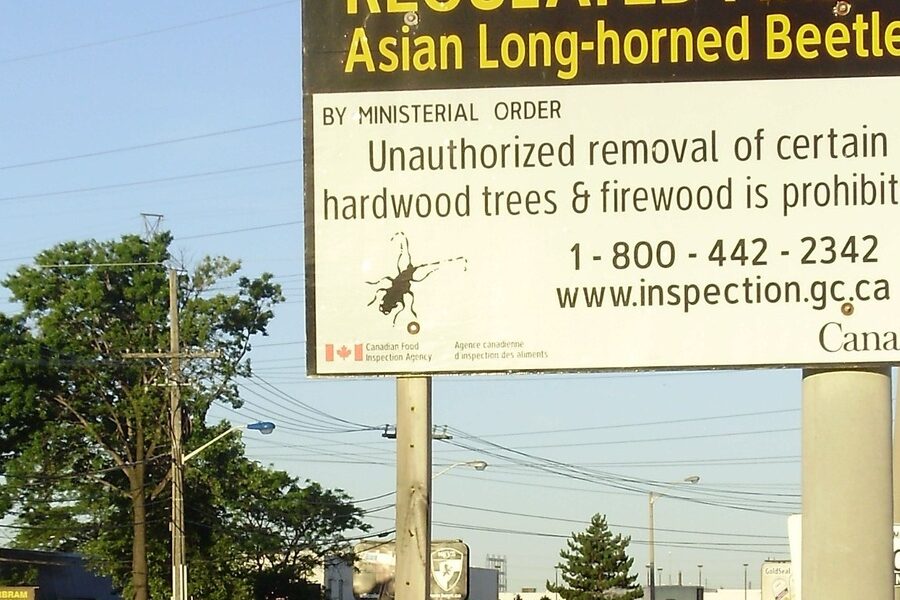
| Asian longhorned beetle (not established) | Anoplophora glabripennis | Insect | NOT included—not established in VA |
| White-nose syndrome (bats) | Pseudogymnoascus destructans | Pathogen | Caves and bat hibernacula statewide |
| Chestnut blight | Cryphonectria parasitica | Pathogen | Statewide historical impact in forests |
| Dutch elm disease | Ophiostoma novo-ulmi and O. ulmi | Pathogen | Urban and riparian elms statewide |
| Beech bark disease complex | Neonectria spp. with scale insect | Pathogen/insect | Hardwood forests statewide |
| Invasive earthworms (jumping worms) | Amynthas spp. | Invertebrate | Forest floors statewide; fragmented distribution |
| Oriental bittersweet (duplicate avoidance) | Celastrus orbiculatus | Plant | See earlier bittersweet entry |
| Russian olive | Elaeagnus angustifolia | Plant | Western and riparian zones |
| Garlic mustard (duplicate avoidance) | Alliaria petiolata | Plant | See earlier garlic mustard entry |
| Wine grape pest: spotted wing drosophila | Drosophila suzukii | Insect | Agricultural areas statewide |
| Porcupine? (not invasive) | Erethizon dorsatum | Mammal | NOT included—native species |
| Giant hogweed | Heracleum mantegazzianum | Plant | Occasional records; reportable species |
| Tree-of-heaven (duplicate avoidance) | Ailanthus altissima | Plant | See earlier Ailanthus entry |
| Japanese barberry (duplicate) | Berberis thunbergii | Plant | See earlier barberry entry |
| Tallow tree (Chinese tallow) | Triadica sebifera | Plant | Coastal plain and Piedmont occurrences |
| Africanized honeybee (not established) | Apis mellifera scutellata hybrids | Insect | NOT included—not established in VA |
| Giant reed | Arundo donax | Plant | Occasional tidal and riparian sites |
| Barberry (cover duplicates avoided) | Berberis spp. | Plant | See Japanese barberry entry |
| Feral cat (not treated here) | Felis catus | Mammal | Widespread but managed as invasive |
| European green crab | Carcinus maenas | Aquatic invertebrate | Tidal waters of Chesapeake Bay |
| Asian shore crab | Hemigrapsus sanguineus | Aquatic invertebrate | Coastal and estuarine areas |
| Chestnut blight (duplicate) | Cryphonectria parasitica | Pathogen | See earlier chestnut blight entry |
| Spotted knapweed | Centaurea stoebe | Plant | Scattered in western Virginia; disturbed sites |
| Scotch broom | Cytisus scoparius | Plant | Occasional in drier sites; western VA |
| Saltcedar (Tamarisk) | Tamarix spp. | Plant | Occasional tidal and brackish zones |
| Asian lady beetle (Harmonia axyridis) | Harmonia axyridis | Insect | Widespread urban areas |
| Hydrilla (duplicate) | Hydrilla verticillata | Aquatic plant | See earlier hydrilla entry |
| Eurasian milfoil (duplicate) | Myriophyllum spicatum | Aquatic plant | See earlier milfoil entry |
| Box tree moth (not established) | Cydalima perspectalis | Insect | NOT included—only occasional interceptions |
| Reed canary grass | Phalaris arundinacea | Plant | Wet meadows and ditches statewide |
| Norway maple (duplicate) | Acer platanoides | Plant | See earlier Norway maple entry |
| Black locust (native) | Robinia pseudoacacia | Plant | NOT included—native species |
| Roundleaf ragweed? (native) | Ambrosia artemisiifolia | Plant | NOT included—native species |
| Japanese stiltgrass (third duplicate) | Microstegium vimineum | Plant | See earlier entries |
| Boxelder? (native) | Acer negundo | Plant | NOT included—native species |
Images and Descriptions
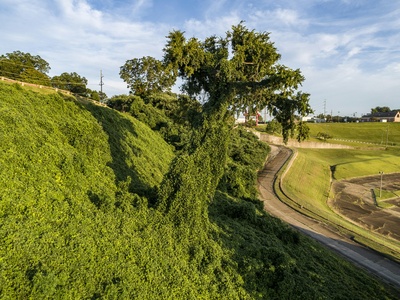
Kudzu
Rapidly climbing vine with trifoliate leaves and purple pea-flowers. Smothers trees and structures, reduces biodiversity. Pull small patches; cut/vine herbicide treatments for large infestations. Report new populations to VA DCR or local Extension.
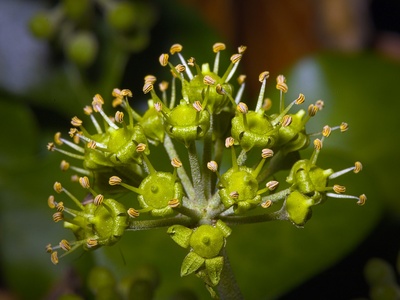
English ivy
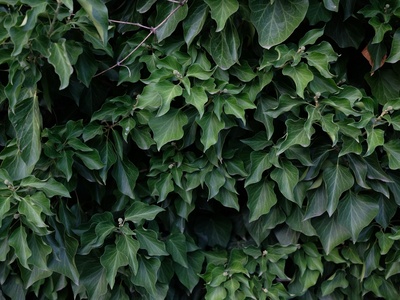
Evergreen climbing vine with lobed leaves forming dense mats. Kills trees by girdling and shading, displaces natives. Hand-pull small patches, cut roots on trees, foliar or basal herbicide for large infestations. Report escapes to local extension.
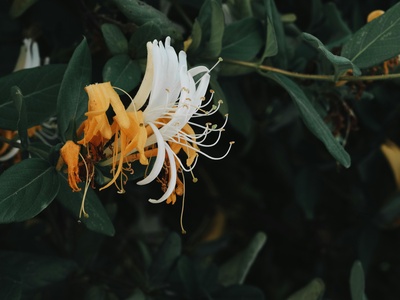
Japanese honeysuckle
Semi-evergreen twining vine with fragrant tubular flowers; forms dense ground and canopy cover. Displaces natives and inhibits tree regeneration. Pull seedlings, repeatedly cut, apply targeted herbicide on cut stems or foliar applications. Report new outbreaks.
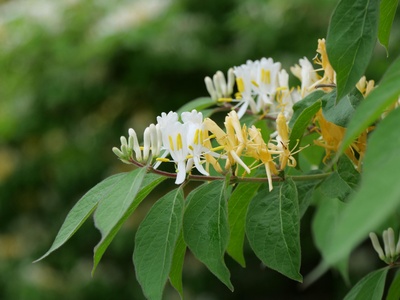
Amur honeysuckle
Shrub with opposite leaves and red berries; forms dense thickets shading native plants. Remove seedlings, cut and apply herbicide to stumps, monitor for resprouts. Report sightings to management agencies.
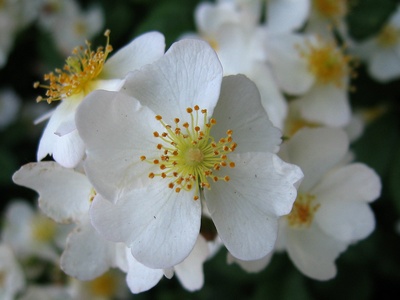
Multiflora rose
Arching shrub with thorny stems and clustered white flowers, produces abundant seeds. Forms impenetrable thickets reducing forage and biodiversity. Pull small plants, repeated mowing, targeted herbicide on regrowth or cut-stump treatment.
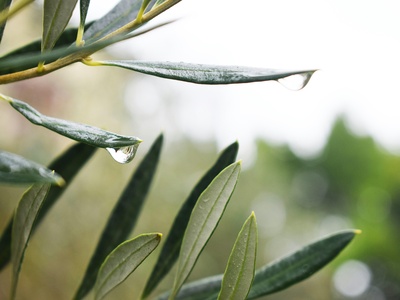
Autumn olive
Silver-backed shrub with fragrant flowers and red fruit; fixes nitrogen and outcompetes natives. Hand-pull seedlings, cut-stump or foliar herbicide treatments for large shrubs. Report to Extension or VA DCR.
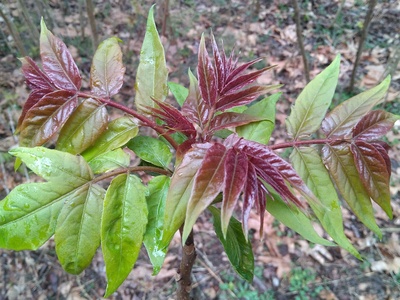
Tree-of-heaven
Fast-growing tree with pinnate leaves and samara seeds; prolific sprouting and allelopathic bark. Weakens native forest composition and infrastructure. Remove seedlings by pulling, cut-sprout treat with herbicide; girdling and basal treatments for larger trees.
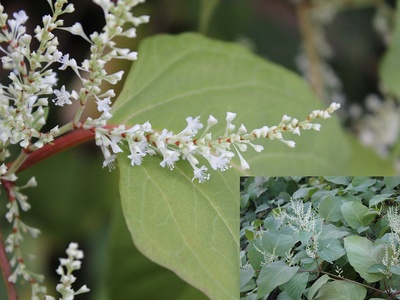
Japanese knotweed
Dense bamboo-like stems with large leaves; spreads by rhizomes and fragments. Erodes banks, displaces natives. Repeated cutting plus systemic herbicide, careful disposal of fragments. Report locations to local authorities.
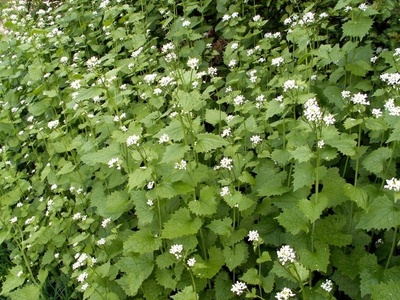
Garlic mustard
Biennial herb with scalloped leaves and white flowers; releases chemicals that harm native mycorrhizae. Hand-pull before seed set, bag and dispose; repeat yearly. Report large infestations to Extension or EDDMapS.
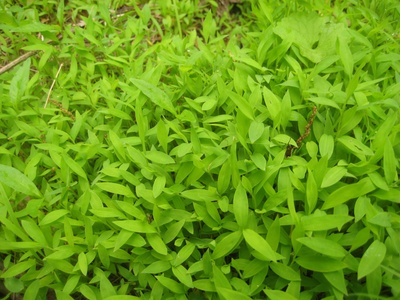
Japanese stiltgrass
Annual grass with silvery midrib on leaves, forms dense carpets, prevents native regeneration. Hand-pull small patches before seeding, prescribed burn where appropriate, herbicide for larger areas. Report new occurrences.
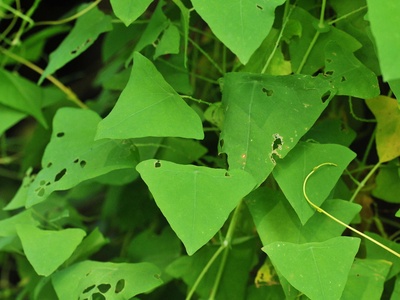
Mile-a-minute vine
Fast-growing vine with triangular leaves, hooked barbs, and cup-shaped seed pods. Rapidly smothers natives. Hand-pull or cut before fruiting, targeted herbicide, biological control (weevil) used in some areas. Report sightings.
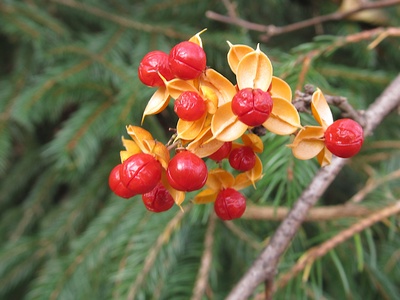
Oriental bittersweet
Woody vine with round fruits; girdles and topples trees when heavy. Remove vines from tree bases, cut and treat stumps with herbicide, avoid burning vines to prevent spread.
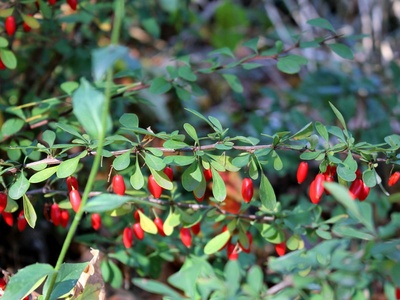
Japanese barberry
Spiny shrub with red berries and small leaves; forms dense understory, alters soil and supports ticks. Pull small plants, cut-stump herbicide treatment for larger shrubs. Report invasions to local extension.
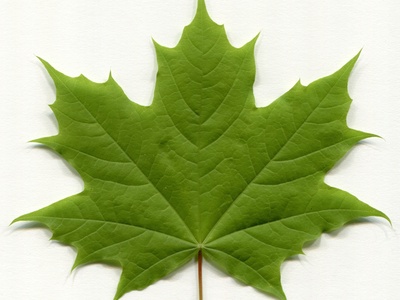
Norway maple
Deciduous tree with broad leaves and milky sap; shades out native seedlings and alters soils. Remove seedlings, selectively remove mature trees; plant native canopy species instead. Report escapes from cultivation.
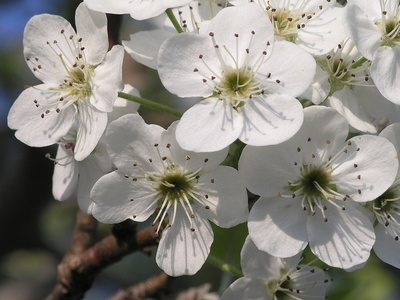
Callery (Bradford) pear
Ornamental tree producing white flowers and small fruits; spreads into natural areas forming dense thickets. Remove volunteers, avoid planting; cut-stump herbicide on mature unwanted trees.
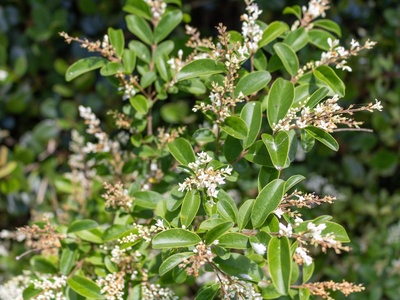
Chinese privet
Evergreen shrub with glossy leaves and black berries; creates dense shade, displaces native plants. Hand-pull seedlings; cut-stump or foliar herbicide on larger plants. Report established thickets.
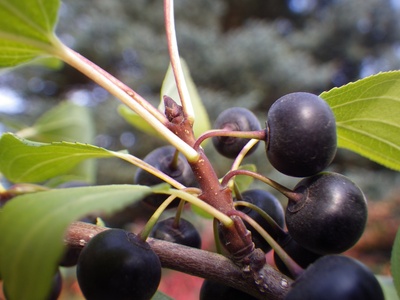
European buckthorn
Deciduous shrub/tree with dark berries; invades forests, disrupts native plant communities. Pull small plants, treat stumps with herbicide; report to land managers.
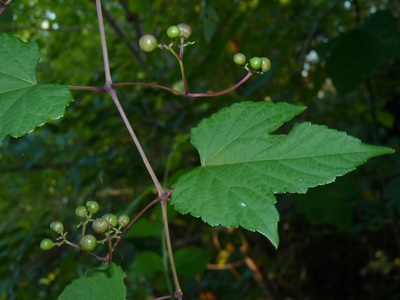
Porcelainberry
Climbing vine with multi-colored berries; smothers vegetation and spreads by birds. Cut and remove vines, hand-pull roots where possible, treat resprouts with herbicide. Report to Extension.
Winged burningbush
Deciduous shrub with corky winged stems and red fall color; fruits spread by birds, displacing natives. Remove and replace with natives; cut-stump herbicide for large plants. Report new populations.

Phragmites (non-native haplotype)
Tall reed with feathery plumes forming dense monocultures, displacing native marsh vegetation and altering habitat. Hand-pulling ineffective; coordinated herbicide, mowing, and tidal restoration recommended. Report occurrences to VADEQ/VA DCR.

Purple loosestrife
Perennial with purple flower spikes; invades wetlands, reducing habitat diversity. Pull small stands before seeding, use herbicide carefully in wet areas, biological control beetles used in some sites. Report sightings.
Hydrilla
Submerged plant with whorled leaves and turion formation; clogs waterways, harms native vegetation and recreation. Report to VA Aquatic Nuisance Species hotline; mechanical harvesting, herbicide, and drawdown used for control.
Eurasian watermilfoil
Feathery underwater plant forming dense mats, impeding boating and reducing native plants. Pulling spreads fragments; herbicide and mechanical control under guidance; report new infestations to state agencies.
Water chestnut
Floating rosette with spiny nut-fruits; forms choking mats, impairs recreation and habitat. Pulling before seed set can help; coordinated mechanical removal and reporting to VA aquatic authorities recommended.
Curlyleaf pondweed
Submerged plant with ruffled early-spring growth; forms dense stands, displaces natives. Early-season herbicide or mechanical control recommended; report to VA aquatic invasive monitoring.
European common reed (non-native lineage)
See Phragmites entry for ID and control—report to restoration authorities to coordinate response.
Japanese stiltgrass (duplicate avoidance)
See earlier stiltgrass entry.
Common reed (consolidated)
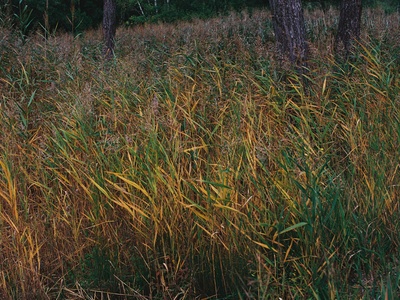
See Phragmites entry.
English ivy (duplicate avoidance)
See earlier English ivy entry.
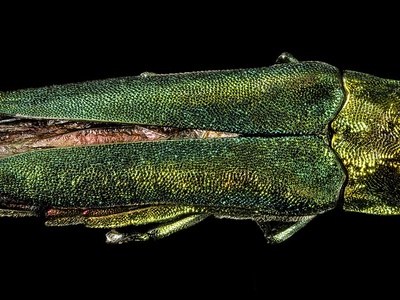
Emerald ash borer
Metallic green beetle that kills ash trees; D-shaped exit holes, bark splits. Report suspected infestation to USDA/Va DCR; remove and replace infested ash, use approved insecticides on high-value trees.
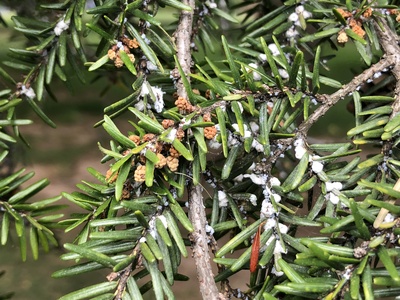
Hemlock woolly adelgid
Tiny white wool-like egg sacs on hemlock branches; causes needle loss and tree death within years. Report to VA DCR, use biological control where available, inject or spray systemic insecticides on valued trees.
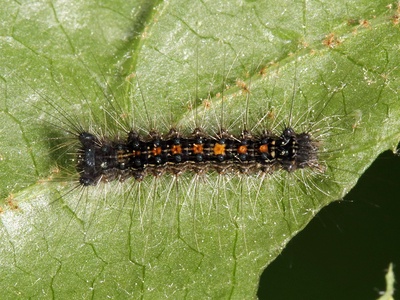
Spongy moth (gypsy moth)
Caterpillars with hair tufts that strip foliage; heavy defoliation weakens trees. Report severe outbreaks to state forestry; management includes Btk spraying for small caterpillar populations and silvicultural practices.
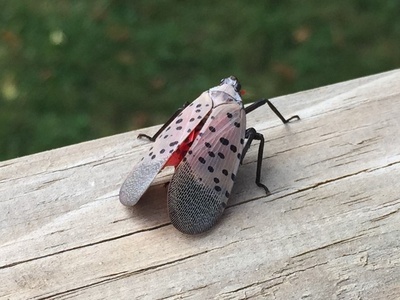
Spotted lanternfly
Sap-sucking planthopper with black-spotted wings and distinctive nymph stages; harms fruit trees, grapes, and hardwoods. Scrape egg masses, report finds to VA Ag and USDA, quarantine measures may apply.
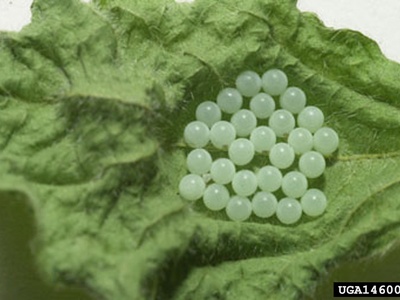
Brown marmorated stink bug
Shield-shaped bug causing crop and fruit damage, overruns structures in fall. Use exclusion, traps, and report new outbreaks to Extension; integrated pest management recommended.
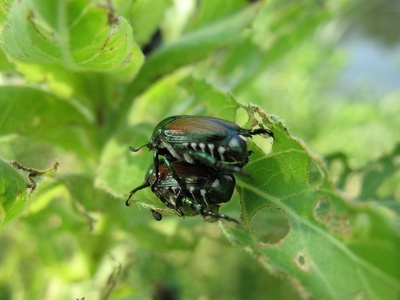
Japanese beetle
Metallic green beetle with tan wings that skeletonizes leaves and eats flowers. Hand-pick into soapy water, use traps cautiously, targeted insecticides for severe infestations. Report unusual outbreaks to extension services.

Asian tiger mosquito
Aggressive daytime biter breeding in containers; vector for arboviruses. Eliminate standing water, use repellents and community source-reduction; report public health concerns to local health departments.

Brown rat (Norway rat)
Non-native rodent that damages crops, spreads disease, and harms wildlife. Secure food, seal buildings, use traps/approved rodent control, report large outbreaks to health departments.

European starling
Introduced bird forming large flocks that displace native cavity-nesters and damage crops. Exclude from nest sites, use deterrents in agriculture, report significant impacts to wildlife agencies.
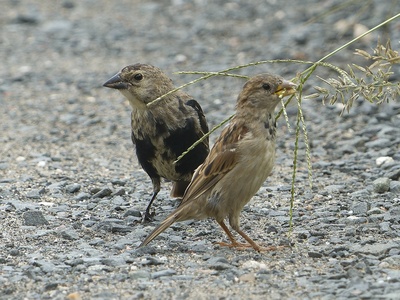
House sparrow
Small introduced bird competing with native songbirds and nesting in structures. Exclude nesting access, use nest management in buildings; report serious concerns to local authorities.
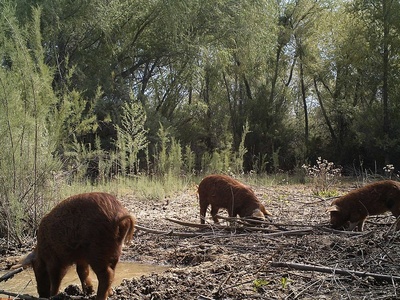
Feral swine
Omnivorous wild pigs rooting and wallowing cause severe habitat, crop, and water quality damage. Report sightings to VA Dept. of Wildlife Resources; control via coordinated trapping and removal programs.
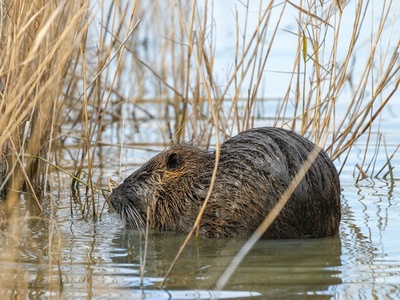
Nutria
Large semi-aquatic rodent that destroys marsh vegetation and erodes banks. Report sightings immediately; eradication efforts have occurred—do not release, contact state wildlife agencies.
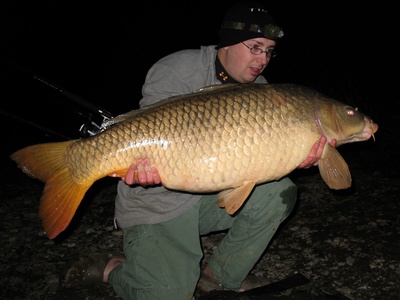
Common carp
Large bottom-feeding fish that uproots vegetation, increases turbidity, and alters habitats. Prevent spread by not dumping bait, support removal and population control efforts.
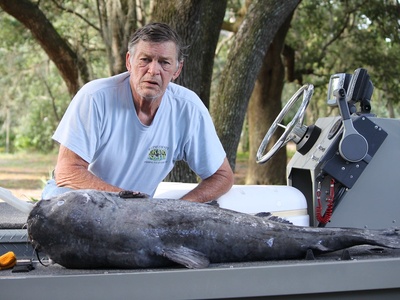
Blue catfish
Introduced large catfish preying on native fish and crabs; can alter food webs. Report captures to fisheries managers; do not release—promote targeted removals and commercial harvest.
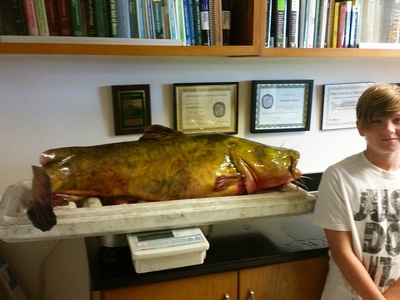
Flathead catfish
Large predatory catfish that reduce native fish populations. Encourage angling removal, report populations to VDGIF, avoid transferring between waters.
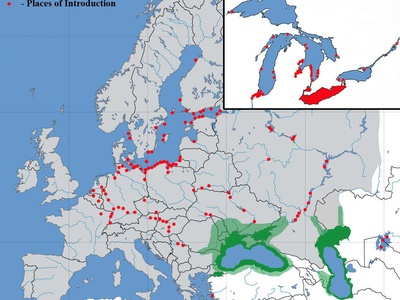
Round goby
Small bottom-dwelling fish with fused pelvic fin; competes with natives and eats eggs. Report new finds to fisheries agencies; avoid moving ballast or bait between waters.
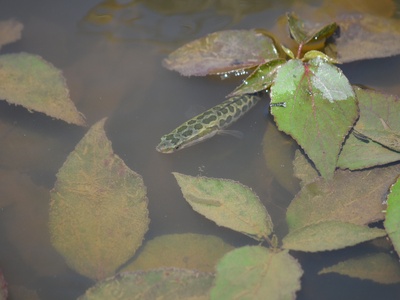
Northern snakehead
Large predatory fish with long dorsal fin; can survive low oxygen and move short distances on land. Kill and report captures to VDGIF/USFWS; do not release.
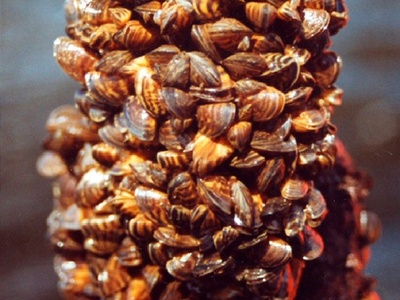
Zebra mussel
Small bivalve that encrusts surfaces, clogs intakes, and outcompetes natives. Clean boats and gear, report detections to state aquatic invasive programs, follow decontamination protocols.
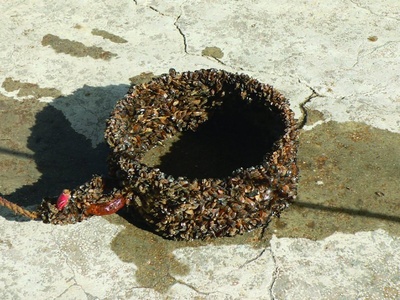
Quagga mussel
Similar impacts to zebra mussel; fouls infrastructure and alters ecosystems. Drain and dry boats, report sightings, follow state decontamination guidelines.

Asian clam
Small yellow clam that forms dense beds, competes with natives, and clogs equipment. Avoid moving live clams between waters, report spread to authorities.
Asian longhorned beetle (not established)
Excluded per inclusion criteria.
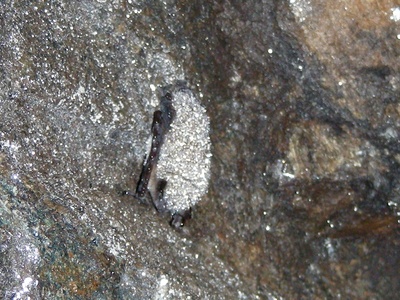
White-nose syndrome (bats)
Fungus causing high bat mortality during hibernation; significant ecological impacts. Report sick or dead bats to wildlife authorities, follow cave decontamination and access guidelines.
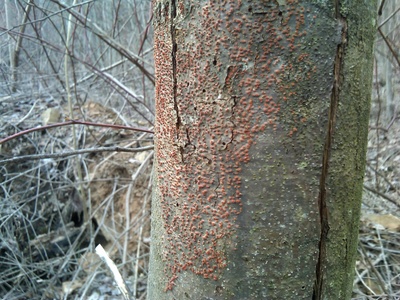
Chestnut blight
Fungal pathogen that decimated American chestnut populations. Report healthy resprouts or blight-free chestnuts to restoration programs; support breeding and restoration efforts.
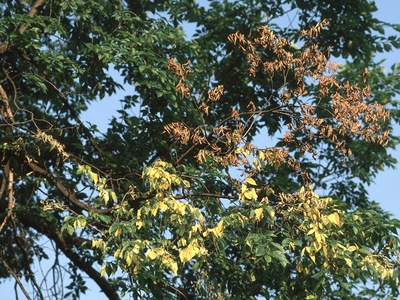
Dutch elm disease
Fungal disease spread by bark beetles, causing elm mortality. Report symptomatic trees, practice sanitation by removing infected wood, and use resistant cultivars or insecticide treatments on valuable trees.
Beech bark disease complex
Scale insect facilitates fungal infection causing beech mortality. Report declines to foresters, remove infected trees carefully, and support monitoring programs.
Invasive earthworms (jumping worms)
Aggressive non-native earthworms that alter soil structure and nutrient cycles, harming native plants. Avoid moving soil/mulch, report infestations to Extension, clean equipment and potted-plant soil.
Oriental bittersweet (duplicate avoidance)
See earlier bittersweet description.

Russian olive
Silver-leaved tree/shrub with fragrant flowers and orange fruit; invades riverbanks and outcompetes natives. Remove seedlings, cut-stump herbicide on larger plants, report spread to local agencies.
Garlic mustard (duplicate avoidance)
See earlier garlic mustard description.
Wine grape pest: spotted wing drosophila
Small fruit fly that lays eggs in ripe soft fruit causing crop losses. Monitor crops, use netting/traps and timely harvest; report severe outbreaks to Extension.
Porcupine? (not invasive)
Excluded as native.
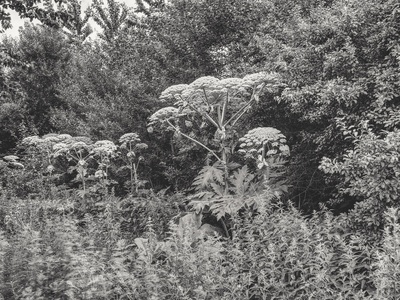
Giant hogweed
Large phototoxic plant causing severe burns; remove with PPE and herbicide by trained personnel. Report sightings to state invasive plant lists and authorities.
Tree-of-heaven (duplicate avoidance)
See earlier Tree-of-heaven description.
Japanese barberry (duplicate)
See earlier Japanese barberry description.
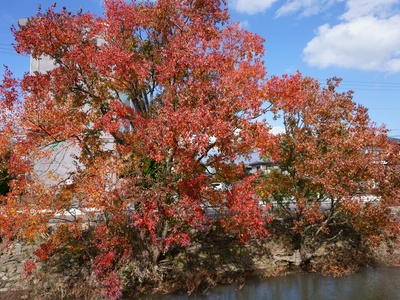
Tallow tree (Chinese tallow)
Deciduous tree producing waxy seeds, aggressively invades wetlands and fields, displacing natives. Pull seedlings, cut and treat stumps with herbicide, report new infestations.
Africanized honeybee (not established)
Excluded.
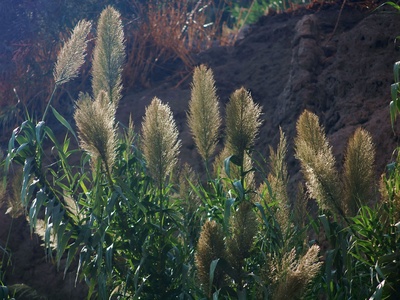
Giant reed
Tall reed invading streambanks and wetlands; forms monocultures that alter hydrology. Mechanical removal and herbicide needed; coordinate with agencies and report occurrences.
Barberry (cover duplicates avoided)
See Japanese barberry description.
Feral cat (not treated here)
Domestic cat impacts wildlife; manage via TNR programs and responsible pet ownership. Report feral cat colonies to local animal control.
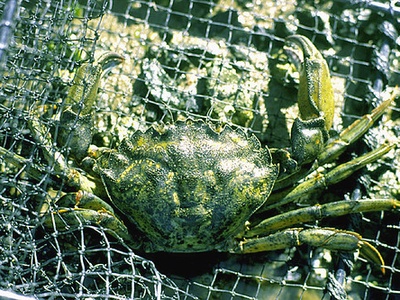
European green crab
Predatory crab that can damage shellfish beds and native crustaceans. Report sightings to marine resource agencies; avoid transporting live shellfish or bait.
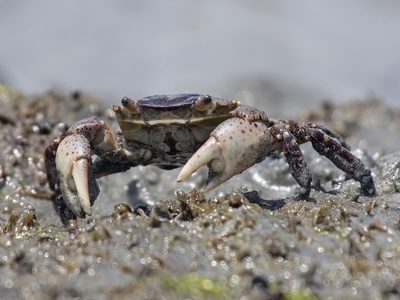
Asian shore crab
Small invasive crab competing with native intertidal species. Report occurrences to state marine programs and avoid moving marine organisms between areas.
Chestnut blight (duplicate)
See earlier chestnut blight description.
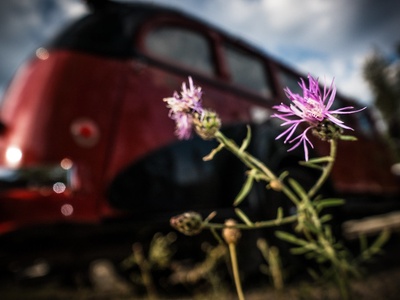
Spotted knapweed
Deep-rooted rosette with purple thistle-like flowers that outcompete forbs and grasses. Pull small patches, apply herbicide or biological control agents where approved. Report to local agencies.
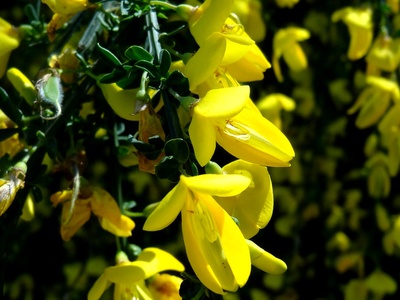
Scotch broom
Woody shrub with yellow pea-flowers; invades open habitats, fixes nitrogen, and alters soils. Hand-pull seedlings, cut and treat large shrubs with herbicide, report new stands.
Saltcedar (Tamarisk)
Shrub/tree invading saline soils, consumes water and alters hydrology. Remove mechanically and treat with herbicide; report occurrences to agencies.

Asian lady beetle (Harmonia axyridis)
Introduced beetle that invades homes and competes with native lady beetles. Seal building entry points, vacuum indoor aggregations; report ecological impacts to entomologists.
Hydrilla (duplicate)
See earlier hydrilla description.
Eurasian milfoil (duplicate)
See earlier milfoil description.
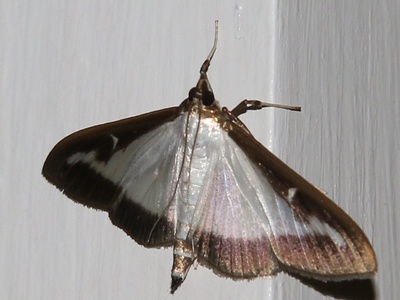
Box tree moth (not established)
Excluded until established in VA.
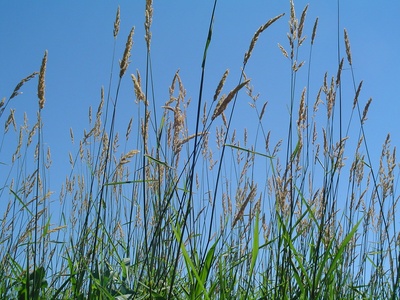
Reed canary grass
Aggressive grass forming dense stands that exclude natives. Mowing, flooding, or herbicide treatments recommended; report expanding stands.
Norway maple (duplicate)
See earlier Norway maple description.
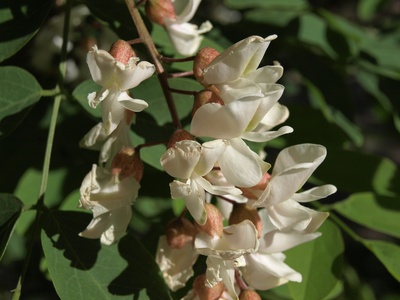
Black locust (native)
Excluded as native.
Roundleaf ragweed? (native)
Excluded.
Japanese stiltgrass (third duplicate)
See earlier stiltgrass description.
Boxelder? (native)
Excluded.