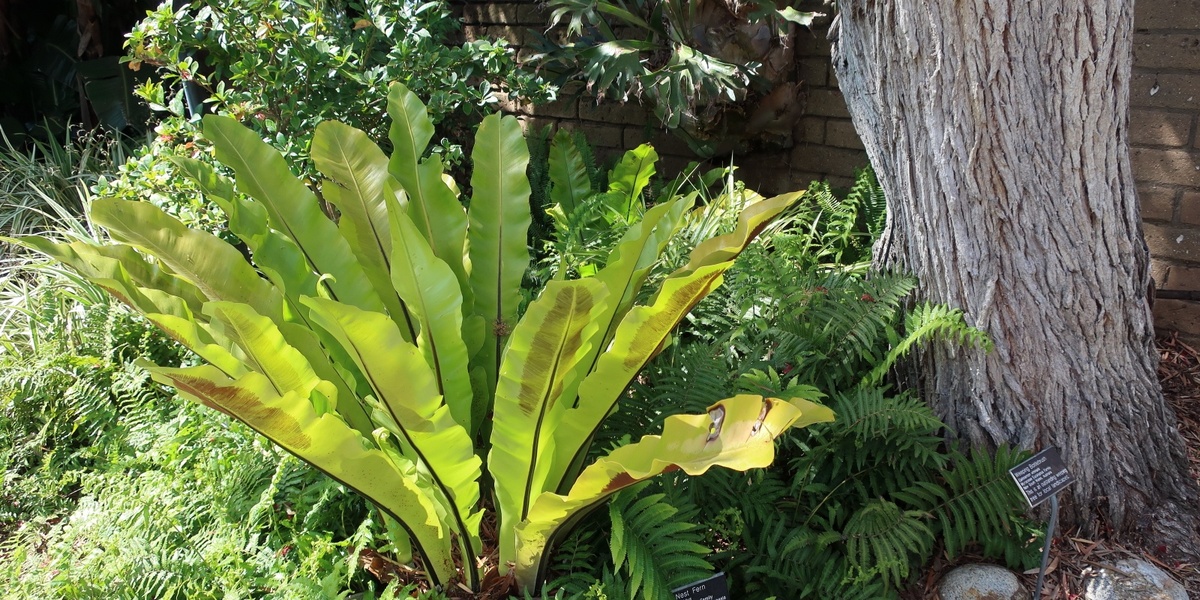
From humid jungle understories to shaded patios, ferns add layered green and soft movement that suit tropical gardens and indoor collections alike. If you enjoy textured foliage and quiet, low-key maintenance, learning a few species’ needs makes planting and care much more rewarding.
There are 39 tropical ferns, ranging from African water fern to Wart fern, showing the variety of sizes, growth habits and moisture needs. The list is organized with Scientific name,Native range,Care summary so you can compare at a glance; for each species you’ll find below.
How do I choose the right tropical fern for my space?
Match light and humidity first: low, medium, or bright indirect light will narrow choices quickly, then consider mature size and whether you need a pot-friendly or ground-cover species. Use the care summaries below to check watering frequency, soil type and temperature tolerance before buying.
Can tropical ferns thrive indoors long-term?
Yes—most do if you provide consistent humidity, stable temperatures and indirect light. Group plants, use a pebble tray or humidifier, pick well-draining yet moisture-retentive mix, and adjust watering to avoid both drought and soggy roots.
Tropical Ferns
| Common name | Scientific name | Native range | Care summary |
|---|---|---|---|
| Boston fern | Nephrolepis exaltata | Tropical Americas (Caribbean, Central & South America) | Bright indirect; keep evenly moist; warm (15–27°C); humus-rich soil |
| Sword fern | Nephrolepis biserrata | Pantropical (Americas, Africa, Asia) | Bright indirect; moist soil; warm; rich organic soil |
| Ladder fern | Nephrolepis cordifolia | Tropical Americas, Africa, Asia | Bright indirect; even moisture; warm; loose rich soil |
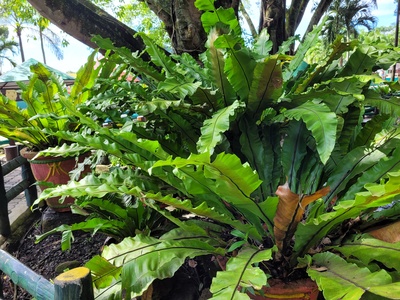
| Bird’s nest fern | Asplenium nidus | Tropical Asia, Indo-Pacific, Australia | Low–bright indirect; moderate water; warm; humus-rich, well-draining mix |
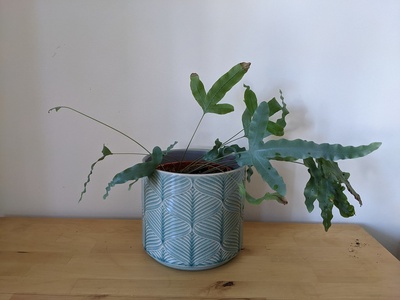
| Blue star fern | Phlebodium aureum | Tropical Americas, Caribbean | Bright indirect; moderate watering; warm; free-draining organic mix |
| Bird’s-nest (giant) Asplenium | Asplenium australasicum | NE Australia, Pacific islands | Filtered light; steady moisture; warm; well-draining humus |
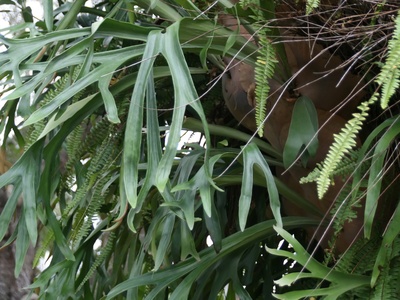
| Staghorn fern (common) | Platycerium bifurcatum | SE Asia, New Guinea, Australia | Bright indirect; weekly soak; warm; mounted bark or coarse mix |
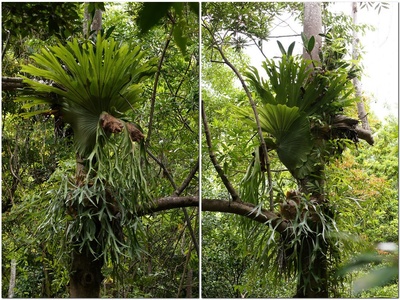
| Elkhorn staghorn | Platycerium superbum | NE Australia, New Guinea | Bright indirect; regular soaking; warm; mounted or basket medium |
| Rabbit’s foot fern | Davallia fejeensis | Fiji, Pacific islands | Bright indirect; keep evenly moist; warm; loose, well-draining soil |
| Crocodile fern | Microsorum musifolium | SE Asia | Bright indirect; moderate moisture; warm; well-draining potting mix |
| Wart fern | Microsorum scolopendria | Pacific islands, SE Asia | Bright indirect; regular moisture; warm; epiphytic/loose mix |
| Resurrection fern | Pleopeltis polypodioides | Tropical & subtropical Americas, Caribbean | Bright indirect; drought-tolerant; occasional watering; warm; epiphytic bark |
| Delta maidenhair | Adiantum raddianum | Tropical Americas, Caribbean | Bright indirect; very moist; warm; humid, rich loam soil |
| Silver dollar maidenhair | Adiantum peruvianum | Peru, tropical Americas | Bright indirect; consistently moist; warm; humus-rich potting mix |
| Sensitive maidenhair | Adiantum tenerum | Tropical Americas | Filtered light; evenly moist; warm; rich organic soil |
| Chain fern | Microlepia strigosa | Tropical Asia, Pacific islands | Partial shade; moist soil; warm; spreads by rhizomes |
| Giant fern | Angiopteris evecta | Tropical Asia, Pacific | Shade; abundant moisture; warm; deep humus-rich soil |
| Vegetable fern | Diplazium esculentum | Tropical Asia | Partial shade; moist fertile soil; warm; fertile, well-draining ground |
| Dwarf tree fern | Austroblechnum gibbum (Blechnum gibbum) | Pacific islands | Filtered light; moist humusy soil; warm; woodland conditions |
| Australian tree fern | Sphaeropteris cooperi | Eastern Australia (subtropical/tropical) | Filtered light; consistently moist acidic soil; warm; high humidity |
| Black tree fern | Cyathea medullaris | South Pacific islands | Filtered light; rich moist soil; warm; sheltered, humid location |
| Climbing fern | Lygodium microphyllum | SE Asia | Bright indirect; moist soil; warm; support or pruning needed |
| Marsh fern | Stenochlaena palustris | Tropical Asia | Partial shade; moist to wet soil; warm; adaptable in wet sites |
| Ribbon fern | Pyrrosia lingua | SE Asia, Indo-China | Bright indirect; drought-tolerant epiphyte; warm; well-drained bark or mix |
| Felt fern | Pyrrosia piloselloides | Tropical Asia, Africa, Australia | Bright indirect; moderate watering; warm; trailing epiphyte medium |
| Blue strap fern | Niphidium crassifolium | Tropical Americas (Central & South America) | Bright indirect; steady moisture; warm; epiphytic or rich soil |
| Microsorum wart fern | Microsorum grossum | Tropical Indo-Pacific | Bright indirect; regular water; warm; robust epiphytic mix |
| Chinese brake | Pteris vittata | Tropical Asia; pantropical distribution | Bright indirect; moderate moisture; warm; well-draining soil |
| Silver brake | Pteris ensiformis | Tropical Asia, Pacific | Bright indirect; keep moist; warm; adaptable potting mix |
| Scythian lamb (hairy tree fern) | Cibotium barometz | SE Asia, China, Himalaya | Filtered light; moist acidic soil; warm; rich, well-draining mix |
| African water fern | Bolbitis heudelotii | West Africa | Low–moderate light; consistently moist or submerged; warm; aquatic/bog soil |
| Kangaroo fern | Microsorum diversifolium | NE Australia, Pacific | Bright indirect; keep moist; warm; humus-rich, well-draining soil |
| Tongue fern | Elaphoglossum lingua | Tropical Americas | Low–bright indirect; even moisture; warm; epiphytic or humusy soil |
| Interrupted fern | Cyclosorus interruptus | Pantropical (Asia, Africa, Americas, Pacific) | Partial shade; moist soil; warm; spreading groundcover |
| Boston fern (cultivar ‘Bostoniensis’) | Nephrolepis exaltata ‘Bostoniensis’ | Cultivar of tropical Americas species | Bright indirect; steady moisture; warm; rich potting mix |
| Stiff strap fern | Davallia solida var. pyxidata | Tropical Asia, Pacific | Bright indirect; moist; warm; well-draining, humus-rich soil |
| Blue polypody (cultivar forms) | Phlebodium aureum (varieties) | Tropical Americas, Caribbean | Bright indirect; moderate moisture; warm; epiphytic or loose mix |
| Crown fern | Asplenium curtum | Tropical Pacific islands | Filtered light; moderate moisture; warm; epiphytic or loose organic mix |
| Tree fern (Cibotium spp.) | Cibotium spp. | Tropical Asia, Central & South America | Filtered light; high moisture; warm; deep humus-rich soil |
Images and Descriptions
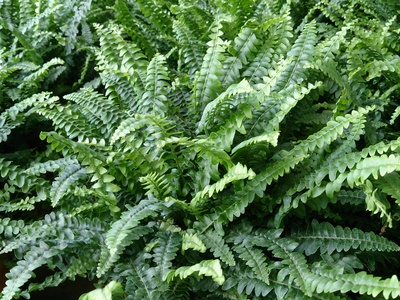
Boston fern
A classic arching fern with many narrow pinnate fronds, ideal for hanging baskets or shaded beds; tolerates indoor life with humidity and regular moisture, offering soft texture and good air-filtering presence for homes and patios.
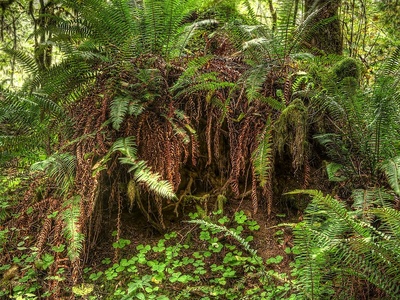
Sword fern
Robust, upright-to-arching fronds form large clumps or carpets in gardens; faster-growing than many houseplant ferns, it thrives in warm, humid spots and is forgiving of varying light when kept moist.
Ladder fern
A vigorous, spreading fern with ladder-like pinnae and tuberous roots; excellent as a hanging specimen or groundcover in tropical gardens, it prefers humidity and regular water to avoid frond browning.
Bird’s nest fern
Recognizable by its simple, glossy, oblong fronds forming a central “nest,” it grows as an epiphyte or in soil; great for low-light rooms and adds a bold architectural element to plantings.
Blue star fern
Distinctive blue-green, deeply lobed fronds arise from creeping rhizomes; epiphytic in the wild, it tolerates brighter interiors than many ferns and adds unique color and texture to containers.

Bird’s-nest (giant) Asplenium
Large, leathery fronds form a dramatic nest-like rosette suitable for mounting or pots; hardy in warm, humid conditions and striking in shaded tropical gardens or bright bathrooms.
Staghorn fern (common)
Epiphytic fern with shield and antler-like fertile fronds; excellent mounted specimen for walls or hanging baskets, needs humidity, good airflow, and periodic deep waterings to thrive.
Elkhorn staghorn
A large, sculptural staghorn with broad, arching fertile fronds and prominent basal shields; prefers bright, humid conditions and makes a dramatic focal plant when mounted on wood or grown in well-draining media.

Rabbit’s foot fern
Hanging fern known for fuzzy, creeping rhizomes that spill over baskets like a furry foot; appreciates humidity and consistent moisture, making it a charming indoor or shaded patio specimen.
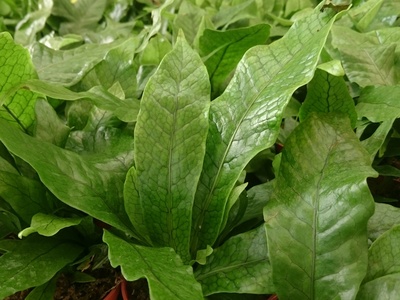
Crocodile fern
Textured fronds with raised veins resemble crocodile skin; compact and tolerant, it performs well in hanging baskets or pots and adds bold, architectural foliage to interiors and shaded gardens.
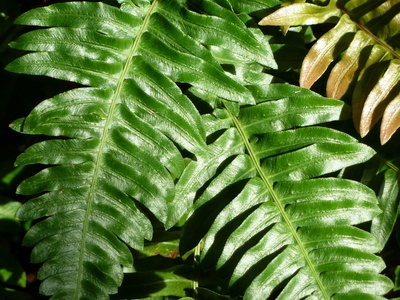
Wart fern
A hardy trailing or clumping fern used ornamentally, it bears simple to lobed fronds and tolerates a range of light when humid; great for mounted displays or hanging baskets.
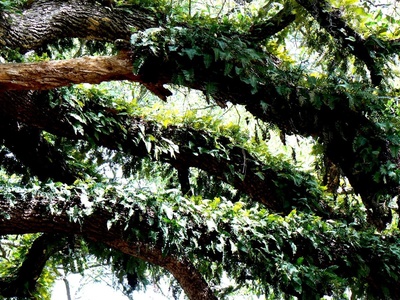
Resurrection fern
Small leathery fronds curl when dry and unfurl after rain, making this an intriguing epiphyte or mounted houseplant; very low-maintenance if humidity cycles mimic natural drying and wetting.
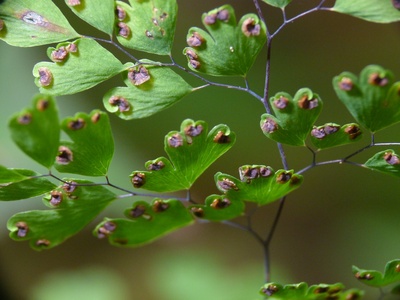
Delta maidenhair
Delicate, fan-shaped fronds create a soft, lacy appearance prized in terrariums and shaded interiors; needs steady moisture and humidity to avoid frond crisping.
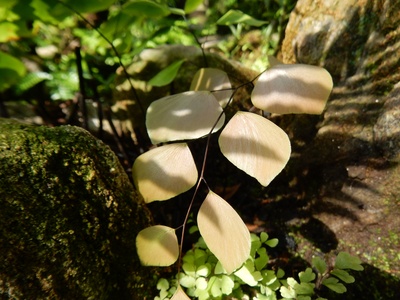
Silver dollar maidenhair
Large, graceful maidenhair with rounded, silvery-green fronds that make a lush indoor showpiece; sensitive to dryness but rewarding in humid bathrooms or terrariums.
Sensitive maidenhair
A fine-textured, delicate fern that prefers stable humidity and moisture; excellent for shaded garden borders and indoor displays where drafts and dehydration are minimized.
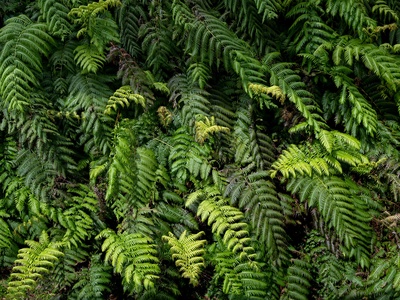
Chain fern
Forms attractive mats of pinnate fronds with a chain-like habit; good for tropical groundcover, container culture, and shaded garden pockets that stay consistently damp.
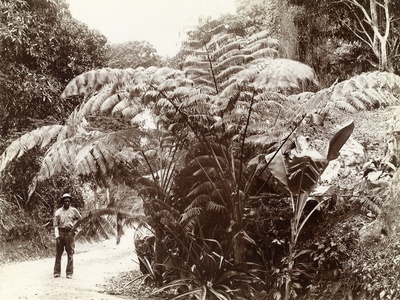
Giant fern
An enormous, prehistoric-looking fern producing very large fronds and massive rhizomes; needs space, constant moisture, and rich soil, making it dramatic in tropical garden settings.

Vegetable fern
Edible fiddleheads are harvested as a vegetable in Southeast Asia; vigorous clumping fern that prefers consistently moist, rich soil and light shade in tropical gardens.

Dwarf tree fern
A compact, tree-like fern with a short trunk and glossy fronds, perfect for shaded tropical gardens or large containers; appreciates steady moisture and protection from hot sun.
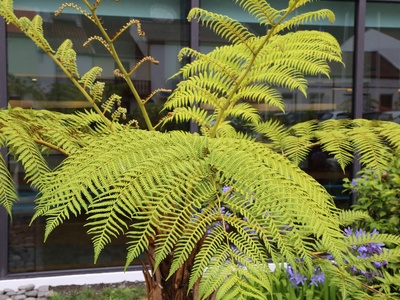
Australian tree fern
Tall, fast-growing tree fern with feathery crown; requires space and steady moisture, excellent for creating a tropical understory or dramatic container specimen in suitable climates.
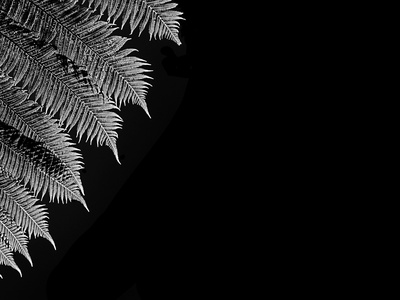
Black tree fern
A stately tree fern with dark trunk and arching fronds, prized in tropical gardens for height and form; needs protection from frost and consistent moisture.
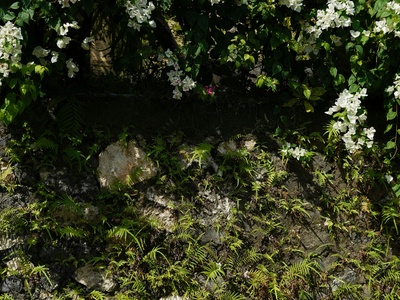
Climbing fern
A vine-like fern with long twining fronds that climbs over supports or other plants; vigorous and fast-growing, used ornamentally but can become invasive where conditions suit.
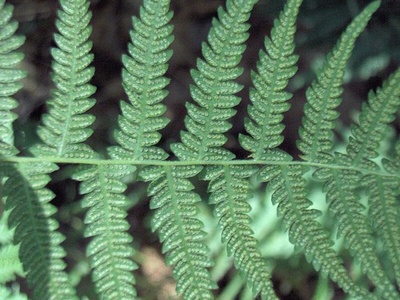
Marsh fern
A robust, often edible fern with long pinnate fronds found in wetlands and forest edges; useful in shaded water gardens and as a vegetable in Southeast Asian cuisines.
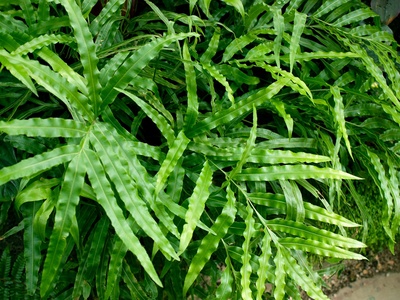
Ribbon fern
A tough epiphytic fern with leathery, ribbon-like fronds adapted to dry periods; great for mounted displays and low-maintenance spots with good humidity.
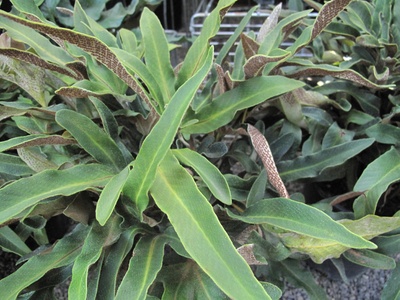
Felt fern
A small, fuzzy-leaved epiphyte or rock fern that tolerates drier conditions than many ferns; excellent for mounting, hanging baskets, or mixed epiphyte displays.
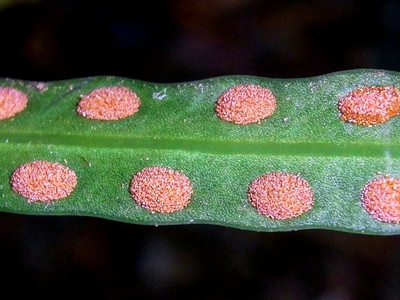
Blue strap fern
Leathery, bluish-green fronds arise from creeping rhizomes; often epiphytic, it makes a striking, low-maintenance specimen on mounts or humus-rich pots in humid environments.
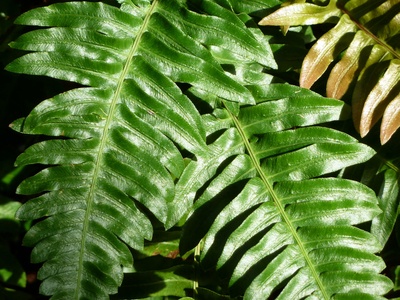
Microsorum wart fern
A hardy, coarse-textured fern with tendency to trail and cling to bark; useful outdoors in shaded tropical gardens or indoors in large hanging pots.
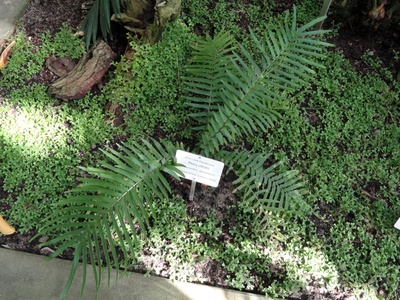
Chinese brake
An adaptable brake fern with slender, arching fronds and fast growth; tolerates a range of conditions and is often used in remediation and ornamental plantings.
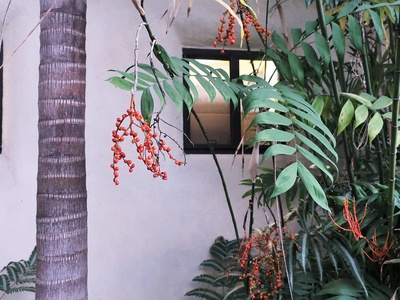
Silver brake
Often grown for its variegated cultivars, this fern is forgiving and decorative, making it popular for indoor pots and shaded tropical borders.
Scythian lamb (hairy tree fern)
A clumping tree fern with a fuzzy, woolly trunk and large fronds, valued for its warty trunk texture and impact in tropical garden plantings.
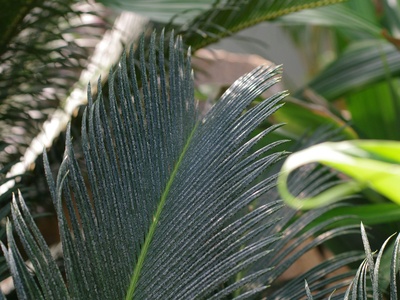
African water fern
An aquatic/semiaquatic fern popular in aquaria and riparian planting; elegant pinnate fronds prefer steady moisture or gentle submersion and warm water conditions.
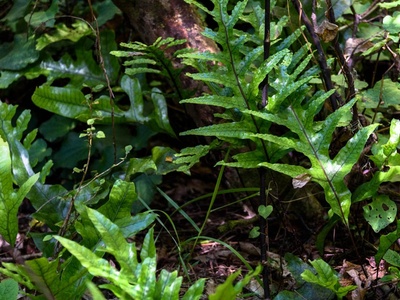
Kangaroo fern
A tolerant, clumping fern with variable frond shapes and glossy foliage, excellent in hanging baskets or shady borders and forgiving in lower light with humidity.

Tongue fern
Simple, undivided glossy fronds give this fern a bold, architectural look; typically epiphytic, it prefers stable humidity and consistent moisture for best growth.
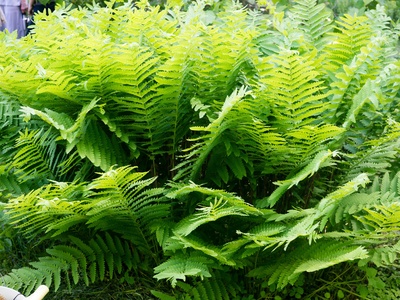
Interrupted fern
Forms dense clumps with broad, interrupted pinnae that make an excellent tropical groundcover or container specimen; thrives in consistently damp, shaded locations.
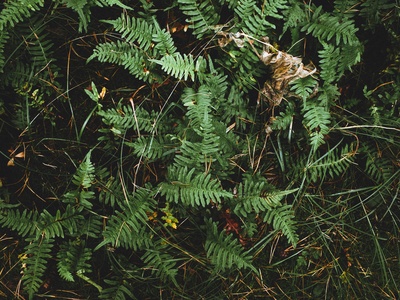
Boston fern (cultivar ‘Bostoniensis’)
A widely grown cultivar with arching fronds and fine texture; bred for indoor ease, it prefers humidity and regular watering to maintain lush, green fronds.
Stiff strap fern
A variety of Davallia with stiffer, erect fronds and creeping, hairy rhizomes; suitable for hanging baskets and shaded spots with steady humidity.
Blue polypody (cultivar forms)
Cultivated forms offer striking blue-green fronds and tolerate brighter interiors; great for mounted displays, terrariums, or as bold container plants in humid homes.
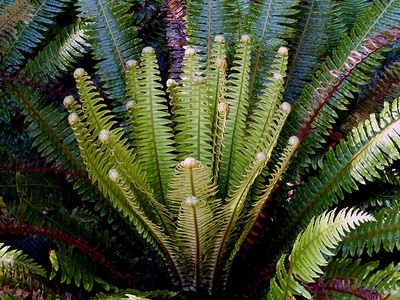
Crown fern
Forms tidy crowns of simple fronds on trunks or mounts; an attractive, easy-care fern for warm shaded spots and mounted tropical collections.
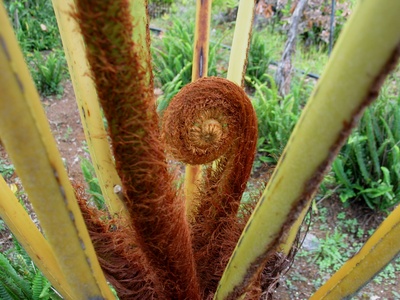
Tree fern (Cibotium spp.)
Several Cibotium species form hairy trunks and large fronds, ideal for creating lush, tropical garden structure; they need consistent moisture and protection from cold and direct sun.