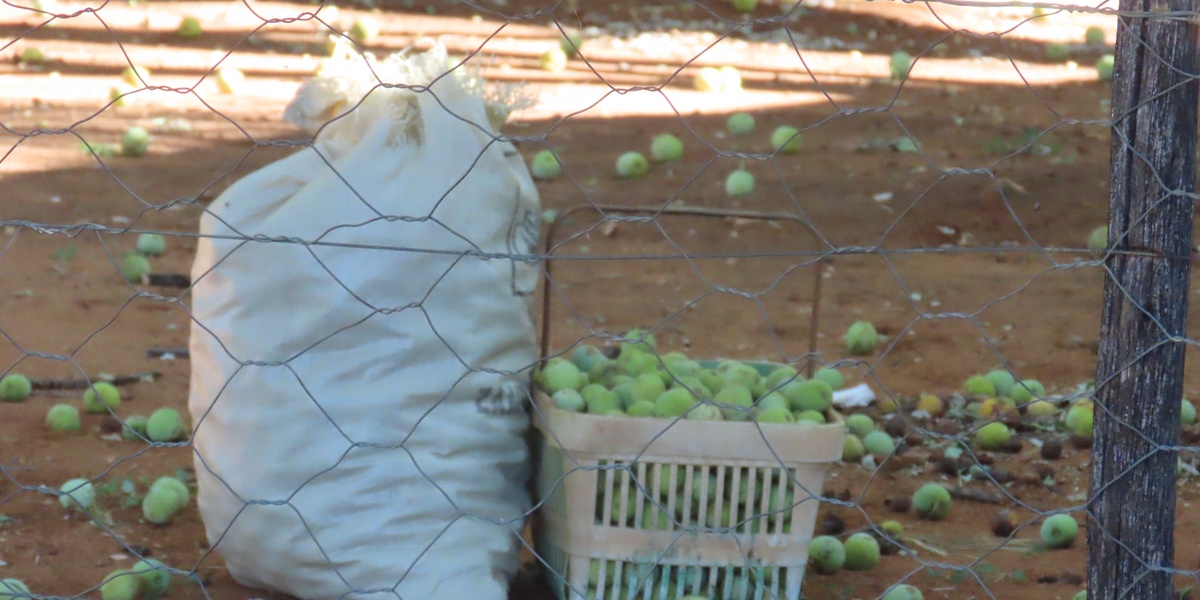
Namibia’s varied landscapes — from the coastal fog belt and dry savannas to riverine pockets — support a surprising range of fruit species that local communities and ecosystems rely on. Seasonal rivers, oases and garden plots each host different edible plants, so the country’s fruit list reflects both wild and cultivated traditions.
There are 34 Fruits of Namibia, ranging from Banana to Wild medlar. For each entry you’ll find below the key details organized as Scientific name,Region/habitat,Season & uses, making it easy to scan for where a fruit grows and how it’s used, which you’ll find below.
Which of the listed fruits are native and which are introductions to Namibia?
Many of the drought-tolerant trees and shrubs on the list are native or long-established wild species, while familiar staples like Banana are introduced and mainly found in cultivated or irrigated areas; check the Scientific name and Region/habitat columns in the list below for clues about origin and distribution.
How can I use the table to plan for seasonal harvesting or culinary uses?
Look at the Season & uses column first to see harvest windows and common preparations, then cross-reference Region/habitat to know where to find them; local names and scientific names can help you source seeds, learn traditional recipes, or time visits for fresh fruit.
Fruits of Namibia
| Common name | Scientific name | Region/habitat | Season & uses |
|---|---|---|---|
| Nara | Acanthosicyos horridus | Namib Desert dunes, coastal Namib | Jun–Sep; eaten fresh, dried, seeds pressed for oil |
| Gemsbok cucumber | Acanthosicyos naudinianus | Kalahari sands, north-east Namibia | Dec–Mar; eaten raw, survival food |
| Marula | Sclerocarya birrea | Woodland savanna, north and central Namibia | Jan–Mar; eaten fresh, jam, beer, oil |
| Baobab | Adansonia digitata | Dry riverbeds, woodlands nationwide | Oct–Mar; pulp eaten fresh/dried, drinks, medicinal |
| Mongongo (Manketti) | Schinziophyton rautanenii | Kavango, Zambezi, northern savanna | Dec–Feb; nuts eaten roasted, oil used |
| Wild medlar | Vangueria infausta | Woodland, savanna across Namibia | Nov–Feb; eaten fresh, jams, fermented drinks |
| Jackalberry | Diospyros mespiliformis | Riparian forests, north Namibia | Nov–Feb; eaten fresh, fermented, wildlife food |
| Buffalo thorn (Jujube) | Ziziphus mucronata | Savanna, bushveld nationwide | Sep–Dec; eaten fresh, dry, livestock fodder |
| Monkey orange | Strychnos spinosa | Woodland and rocky outcrops | Aug–Nov; sweet pulp eaten, seeds bitter |
| Velvet raisin | Grewia flava | Kalahari, savanna scrub | Oct–Jan; eaten fresh, dried into sweets |
| Raisin bush | Grewia bicolor | Savanna, riverine bush | Oct–Jan; eaten fresh, dried, preserves |
| Sour plum | Ximenia caffra | Dry woodlands, open savanna | Sep–Nov; tart fruit eaten fresh, oil from kernels |
| Sycamore fig | Ficus sycomorus | Rivers, termite mounds, near settlements | Year-round pulses; figs eaten fresh or dried |
| Waterberry | Syzygium cordatum | Riverbanks and wetlands, north | Nov–Mar; eaten fresh, made into jams |
| Mopane fruit (pods) | Colophospermum mopane | Kalahari, mopane woodlands | Apr–Jul; pods consumed by animals, sometimes people |
| Camelthorn pods | Vachellia erioloba | Kalahari, arid savanna | Mar–Jul; seeds/pods eaten after processing |
| Mopane worm-associated fruit (Searsia)? | Searsia spp. (various) | Woodland, mopane belts | Sep–Dec; small fruits eaten by birds and people |
| Kigelia (sausage tree) | Kigelia africana | Riverine woodland, north and central Namibia | Aug–Dec; not eaten raw, used in beer/medicinally |
| Mobola plum | Parinari curatellifolia | Northern woodlands, floodplains | Dec–Feb; eaten fresh, sour-sweet, preserves |
| Num-num | Carissa bispinosa | Savanna thickets, riverine scrub | Oct–Jan; eaten fresh, jams |
| Opuntia (prickly pear) | Opuntia ficus-indica | Semi-arid farmlands, homesteads | Aug–Nov; eaten fresh, jellies, sold locally |
| Prickly-pear coastal (sour fig) | Carpobrotus edulis | Coastal dunes and rocky shores | Jul–Nov; eaten fresh, preserves, medicinal |
| Guava | Psidium guajava | Irrigated gardens, northern homesteads | Year-round in warm spots; eaten fresh, jams |
| Mango | Mangifera indica | Irrigated gardens and orchards, north | Nov–Mar; eaten fresh, chutney, drying |
| Banana | Musa spp. | Small-scale gardens, Kavango/Zambezi areas | Year-round under irrigation; eaten fresh, cooked |
| Papaya | Carica papaya | Gardens, irrigated homesteads | Year-round; eaten fresh, salads, fermented |
| Grape | Vitis vinifera | Orange River vineyards, southern farms | Jan–Mar; table grapes, wine production |
| Fig (common fig) | Ficus carica | Home gardens, irrigated orchards | Nov–Mar; eaten fresh, dried, preserves |
| Mopane-associated berry (Strychnos spp.) | Strychnos spp. | Woodland and rocky areas | Sep–Dec; some species edible after processing |
| Pomegranate | Punica granatum | Irrigated gardens, homesteads | Mar–Jun; eaten fresh, juice, preserves |
| Wild custard apple (Annona spp.) | Annona senegalensis | Riverine and woodland pockets | Aug–Nov; aromatic sweet pulp eaten raw |
| Watermelon (wild & cultivated) | Citrullus spp. | Kalahari, gardens, communal fields | Dec–Mar; eaten fresh, refreshing snack |
| Baobab-associated (Adansonia seed products) | Adansonia digitata | Across Namibia in suitable habitats | Oct–Mar; pulp, powder, seeds used |
| Wild grape (Rhoicissus?) | Rhoicissus tomentosa | Riparian thickets, forests | Nov–Feb; eaten fresh by locals and animals |
Images and Descriptions
Nara
Spiky, prostrate melon unique to the Namib. Round yellow-orange fruits with sweet pulp; seeds are nutritious and pressed for oil. Iconic desert food, vital to local communities and wildlife.
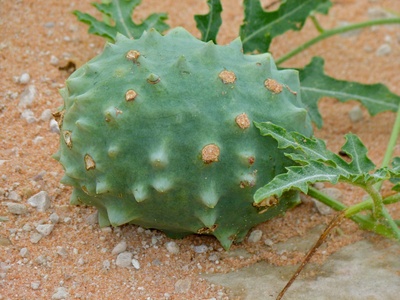
Gemsbok cucumber
Prostrate melon with fleshy green fruit eaten by people and animals. Refreshing, watery flesh used in dryland diets; common after summer rains across sandy Kalahari areas.
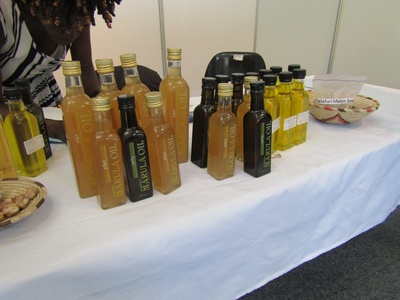
Marula
Yellow drupe with juicy, tart-sweet flesh and a hard kernel. Widely foraged, fermented into traditional beers and distilled liqueurs; kernels yield edible oil.
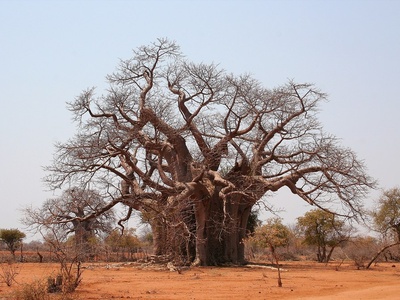
Baobab
Large oblong fruits contain dry, tangy pulp used as drink base and vitamin-rich powder. Seeds roasted or pressed for oil; culturally significant landmark tree.
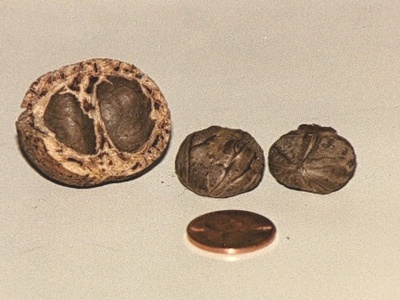
Mongongo (Manketti)
Produces hard-shelled, nutritious nuts with oily kernel prized by San communities. Fruits attract wildlife; a key traditional food source with long shelf life.
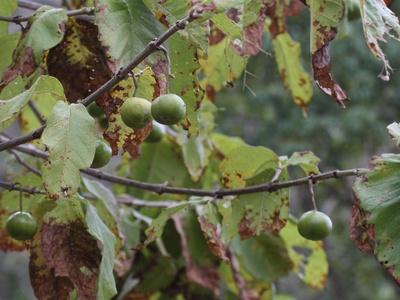
Wild medlar
Small round orange-brown fruit, sweet and aromatic when ripe. Popular wild snack, often used for relishes, preserves and local brewing.

Jackalberry
Small plum-like fruits with sweet, astringent flesh. Highly valued by people and animals; often gathered under riverine trees.
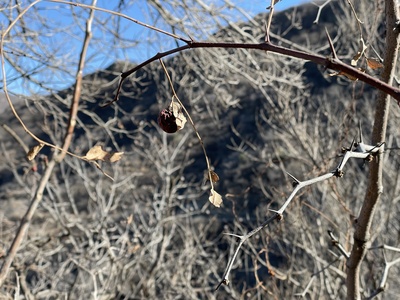
Buffalo thorn (Jujube)
Small, sweet-sour yellow-red fruits commonly eaten raw. Often chewed by children and used in traditional remedies.

Monkey orange
Hard-shelled round fruits with aromatic, sweet pulp. Called monkey orange; prized by foragers, kernels traditionally used but may be bitter.

Velvet raisin
Small, soft orange fruits with a sweet, raisin-like flavor. Popular wild snack often dried or mixed into porridges.
Raisin bush
Small sweet fruits, yellow to reddish; eaten raw or dried. Commonly foraged and used locally in preserves and snacks.
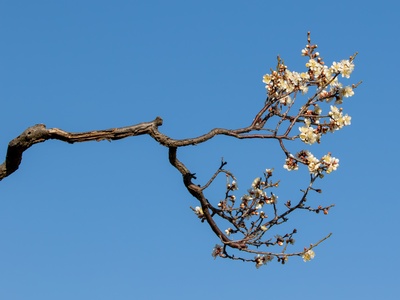
Sour plum
Egg-shaped red-orange fruit with tangy pulp, used fresh or in sauces. Kernels yield oil used topically and sometimes eaten.
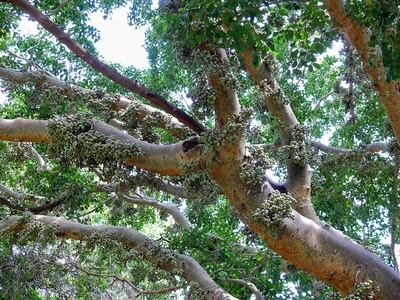
Sycamore fig
Large fig tree producing multiple small figs; figs are eaten fresh, dried, and feed wildlife. Culturally important shade tree.
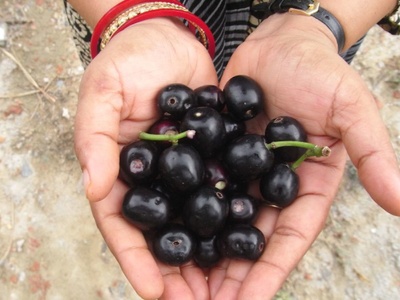
Waterberry
Small purple-red berries with sweet-tart flavor. Grows along watercourses; fruit eaten fresh or processed into preserves.
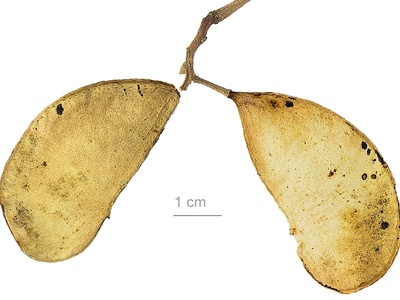
Mopane fruit (pods)
Winged pods containing seeds eaten mainly by animals. Occasionally used as emergency fodder; significant in local ecology.
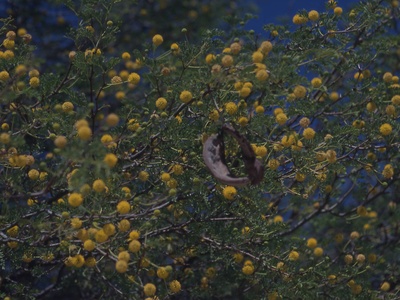
Camelthorn pods
Hard pods with starchy pulp eaten by people in lean times and by livestock; seeds sometimes ground into flour.
Mopane worm-associated fruit (Searsia)?
Searsia species produce small sour-sweet berries that are foraged and eaten raw or made into condiments in some areas.
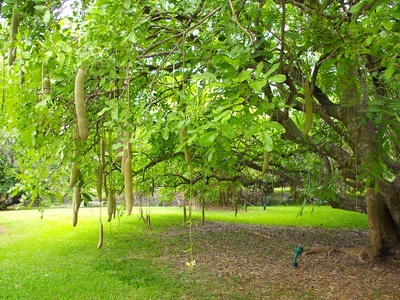
Kigelia (sausage tree)
Large sausage-shaped fruits are bitter and toxic raw but used after processing for traditional brews and medicines; striking cultural tree.
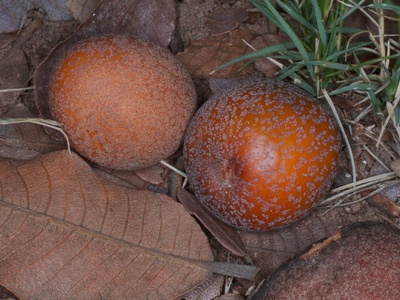
Mobola plum
Oval fruits with thin skin and tangy white flesh. Eaten fresh or processed into sauces and preserves; important northern wild fruit.
Num-num
Red, waxy berry with sweet-tart flavor. Often eaten raw, used in preserves; shrub has spines and fragrant flowers.
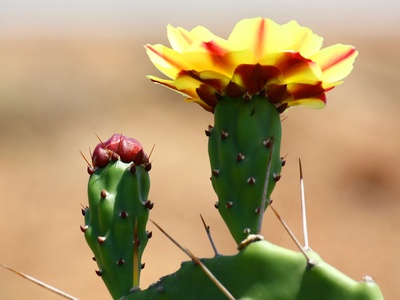
Opuntia (prickly pear)
Introduced cactus with fleshy red or yellow fruits (tunas). Popular in household gardens and sold at markets after careful de-spining.
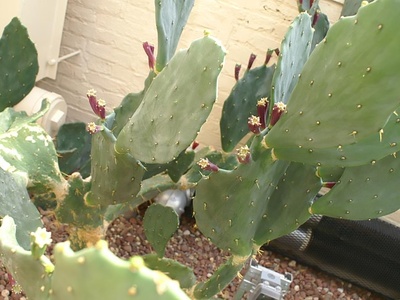
Prickly-pear coastal (sour fig)
Coastal succulent with triangular leaves and large magenta flowers. Fruit is fleshy and salty-sour, used locally as preserve or remedy.
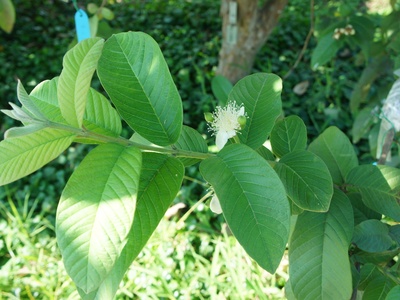
Guava
Introduced orchard fruit grown in towns and gardens. Sweet aromatic green-to-yellow fruits used fresh, in preserves, and juices.

Mango
Tropical introduced tree, widely grown near water. Juicy orange-yellow fruits eaten fresh, dried, made into chutneys and juices.
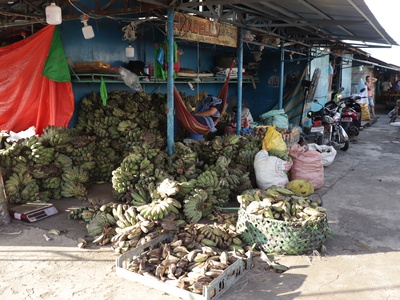
Banana
Cultivated in riverine and irrigated plots in the north. Sweet, soft fruits eaten raw or cooked; local varieties common.
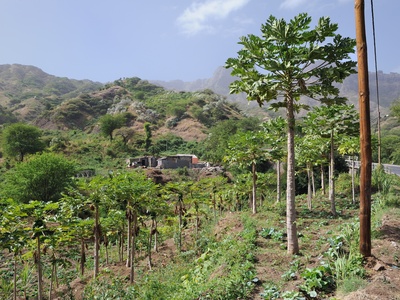
Papaya
Fast-growing fruit tree in towns and homesteads. Soft sweet orange flesh used fresh, in smoothies, and salads.
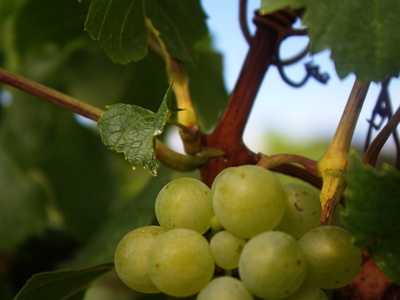
Grape
Commercial vineyards along the Orange River produce table and wine grapes. Seasons vary by cultivar; fruit widely sold and exported.

Fig (common fig)
Cultivated in warmer pockets, producing sweet teardrop figs. Popular in gardens and used fresh, dried, or in preserves.
Mopane-associated berry (Strychnos spp.)
Some Strychnos species produce sweet pulpy fruits; certain types are eaten locally after traditional processing to reduce bitterness.
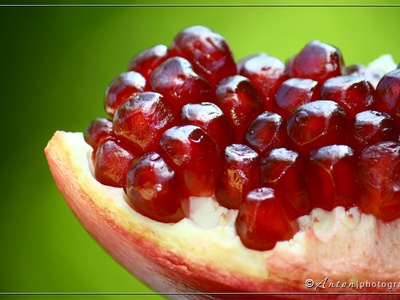
Pomegranate
Introduced and grown where irrigation allows. Red arils are sweet-tart and used fresh or juiced; seen in private gardens and small farms.
Wild custard apple (Annona spp.)
Small tree producing fragrant custard-like fruit with sweet flesh. Foraged locally where it occurs; aromatic and prized by collectors.
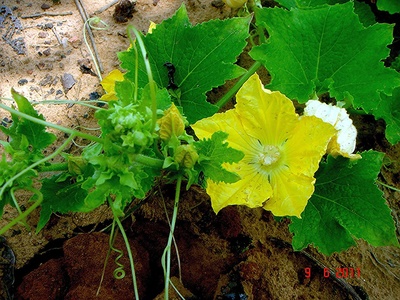
Watermelon (wild & cultivated)
Includes wild melons and cultivated watermelons. Juicy, sweet flesh used widely in summer; wild forms are vital in arid landscapes.
Baobab-associated (Adansonia seed products)
Baobab seeds and pulp are nutrient-dense. Powdered pulp used in drinks; seeds roasted or pressed for oil; long-stored traditional food.
Wild grape (Rhoicissus?)
Climbing vine with clusters of small grapes. Fruit is eaten fresh where accessible and used by local communities; also feeds wildlife.