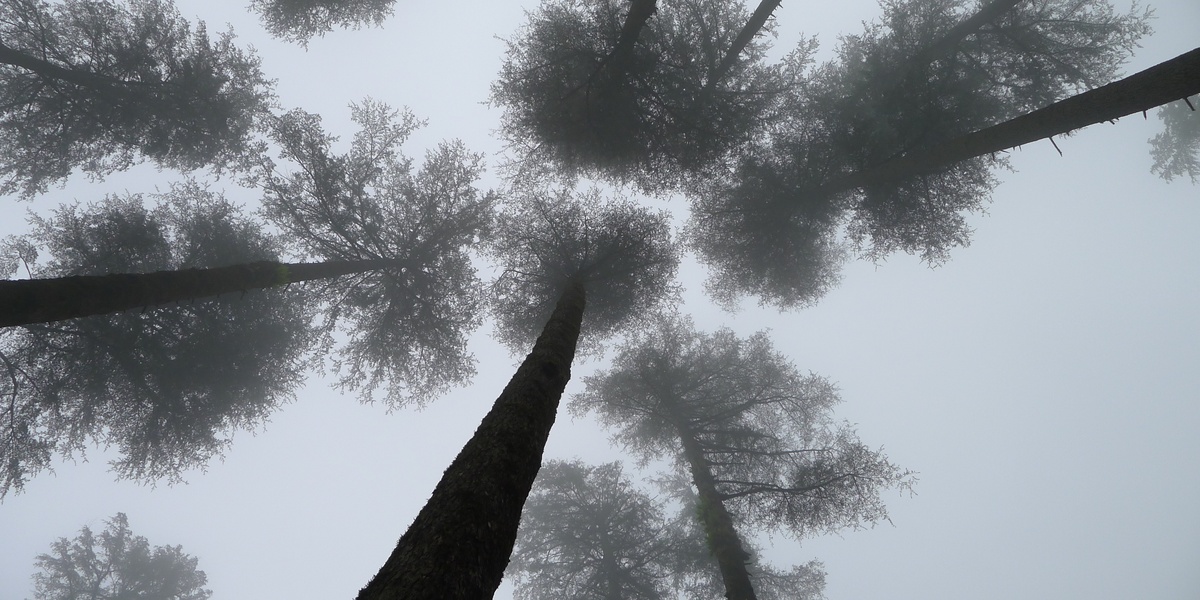
Pakistan’s landscapes—from coastal mangroves and Indus plains to alpine meadows and arid deserts—support a rich mix of native and introduced plants. Local climate, elevation and land use shape distinct plant communities that are useful to gardeners, students and conservationists alike.
There are 35 Plants of Pakistan, ranging from Almond to Wild olive. For each entry you’ll find below Scientific name, Family, Region (Pak provinces) so you can quickly see taxonomy and provincial occurrence you’ll find below.
Which provinces are most important for finding these species?
Many species are concentrated where habitat is diverse: the northern mountains host alpine and temperate plants, Punjab and Sindh support many riverine and agricultural species, while Balochistan and southern Punjab contain drought-tolerant shrubs. The Region (Pak provinces) column will help you target which province to explore.
How should I use the Scientific name and Family columns when identifying plants?
Scientific names remove local-name confusion and link each plant to reliable references; the Family helps narrow identification by shared traits. Use the province info to match likely habitat, then confirm with photos or a regional flora guide before planting or collecting.
Plants of Pakistan
| Common name | Scientific name | Family | Region (Pak provinces) |
|---|---|---|---|
| Mango | Mangifera indica | Anacardiaceae | Sindh,Punjab,Khyber Pakhtunkhwa |
| Date palm | Phoenix dactylifera | Arecaceae | Sindh,Balochistan,Southern Punjab |
| Wheat | Triticum aestivum | Poaceae | Nationwide (Punjab,Sindh,KPK,Balochistan) |
| Rice | Oryza sativa | Poaceae | Punjab,Sindh |
| Cotton | Gossypium hirsutum | Malvaceae | Punjab,Sindh |
| Sugarcane | Saccharum officinarum | Poaceae | Punjab,Sindh |
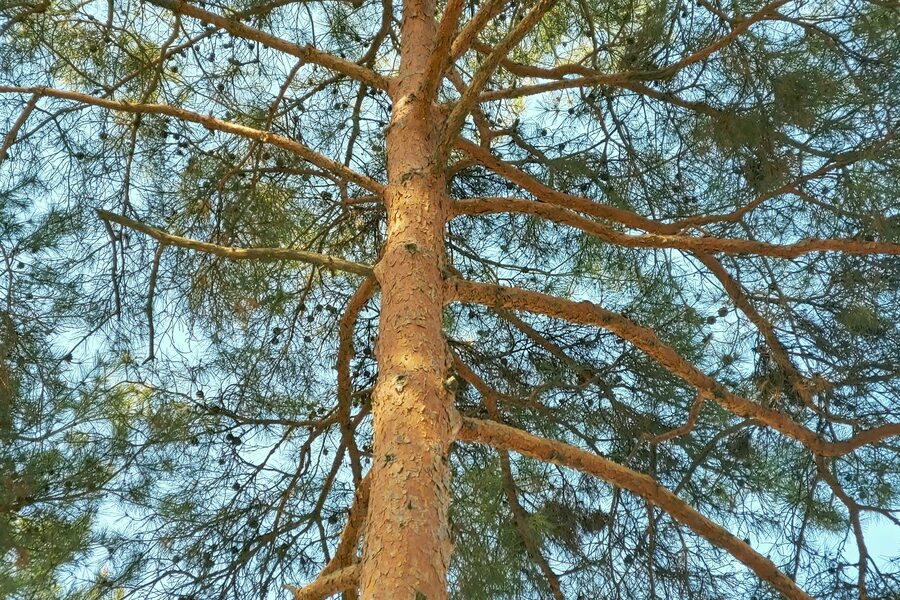
| Deodar cedar | Cedrus deodara | Pinaceae | Khyber Pakhtunkhwa,Gilgit-Baltistan,Azad Kashmir |
| Chilgoza pine | Pinus gerardiana | Pinaceae | Khyber Pakhtunkhwa,Balochistan |
| Chir pine | Pinus roxburghii | Pinaceae | Khyber Pakhtunkhwa,Azad Kashmir |
| Blue pine | Pinus wallichiana | Pinaceae | Gilgit-Baltistan,Khyber Pakhtunkhwa |
| Juniper | Juniperus seravschanica | Cupressaceae | Balochistan,Khyber Pakhtunkhwa,Gilgit-Baltistan |
| Wild olive | Olea ferruginea | Oleaceae | Balochistan,Khyber Pakhtunkhwa,Sindh |
| Neem | Azadirachta indica | Meliaceae | Punjab,Sindh,Balochistan |
| Babul (Gum Arabic tree) | Acacia nilotica | Fabaceae | Punjab,Sindh,Balochistan |
| Mesquite | Prosopis juliflora | Fabaceae | Sindh,Balochistan,Punjab |
| Eucalyptus | Eucalyptus camaldulensis | Myrtaceae | Punjab,Sindh,Balochistan |
| Henna | Lawsonia inermis | Lythraceae | Sindh,Balochistan,Punjab |
| Rose | Rosa damascena | Rosaceae | Khyber Pakhtunkhwa,Gilgit-Baltistan,Punjab |
| Apple | Malus domestica | Rosaceae | Khyber Pakhtunkhwa,Gilgit-Baltistan,Azad Kashmir |
| Apricot | Prunus armeniaca | Rosaceae | Gilgit-Baltistan,Khyber Pakhtunkhwa,Balochistan |
| Walnut | Juglans regia | Juglandaceae | Khyber Pakhtunkhwa,Gilgit-Baltistan,Punjab |
| Almond | Prunus dulcis | Rosaceae | Balochistan,Khyber Pakhtunkhwa,Punjab |
| Pomegranate | Punica granatum | Lythraceae | Punjab,Khyber Pakhtunkhwa,Balochistan |
| Grape | Vitis vinifera | Vitaceae | Punjab,Sindh,Khyber Pakhtunkhwa |
| Mulberry | Morus alba | Moraceae | Punjab,Sindh,Khyber Pakhtunkhwa |
| Banyan | Ficus benghalensis | Moraceae | Punjab,Sindh,Islamabad |
| Peepal | Ficus religiosa | Moraceae | Punjab,Sindh,Khyber Pakhtunkhwa |
| Fig | Ficus carica | Moraceae | Balochistan,Sindh,Punjab |
| Sunflower | Helianthus annuus | Asteraceae | Punjab,Sindh |
| Mustard | Brassica juncea | Brassicaceae | Punjab,Sindh |
| Mint | Mentha spicata | Lamiaceae | Nationwide (gardens,fields) |
| Onion | Allium cepa | Amaryllidaceae | Punjab,Sindh |
| Garlic | Allium sativum | Amaryllidaceae | Nationwide (Punjab,Sindh) |
| Wattle acacia | Acacia modesta | Fabaceae | Punjab,Khyber Pakhtunkhwa |
| Butea (Flame of the forest) | Butea monosperma | Fabaceae | Sindh,Punjab (cultivated) |
Images and Descriptions
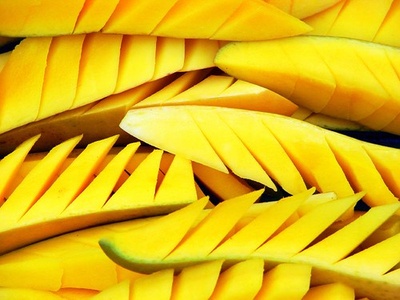
Mango
Tropical fruit tree widely grown across Sindh and Punjab; medium to large tree with dense canopy and sweet seasonal fruit. Valued for fresh eating, juices and local cultivars; cultural and economic staple with fragrant yellow-orange fruit in summer.
Date palm
Tall palm common in Sindh and Balochistan oases and river plains. Produces sweet edible dates packed with calories, traditionally farmed for food and trade. Forms groves near canals and irrigated fields, central to local diets and festivals.
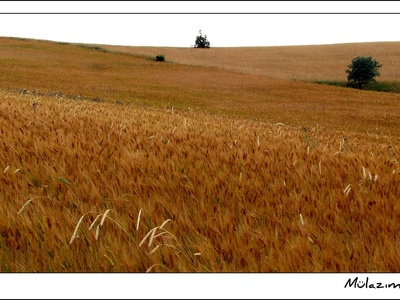
Wheat
Staple cereal crop grown across Pakistan’s irrigated plains, especially Punjab. Annual grass forming golden fields; primary source of flour for bread (roti). Key agricultural commodity that shapes rural landscapes and national food security.
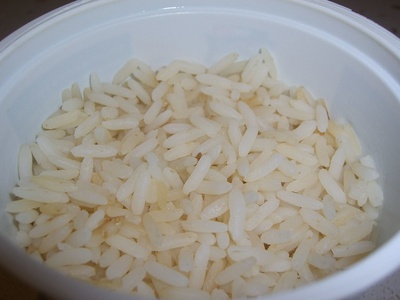
Rice
Water-loving cereal cultivated in flooded paddies of Punjab and Sindh. Produces stalks with panicles of grains; many varieties from basmati to coarse rice. Essential staple food, important export crop, and central to regional cuisines.

Cotton
Tall shrub cultivated for its soft fibrous bolls across Punjab and Sindh plains. Backbone of Pakistan’s textile industry; fibers harvested for yarn and fabric, with significant economic and rural employment importance.
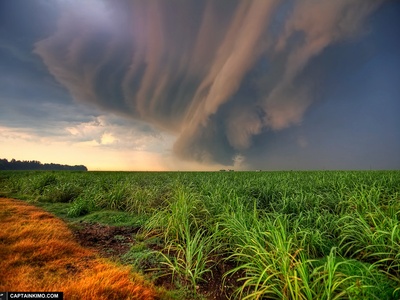
Sugarcane
Tropical tall grass grown in long-stalked ratoon fields across Punjab and Sindh. Juicy stems crushed for sugar and jaggery production; large-scale industrial crop with mills and seasonal harvest festivals.
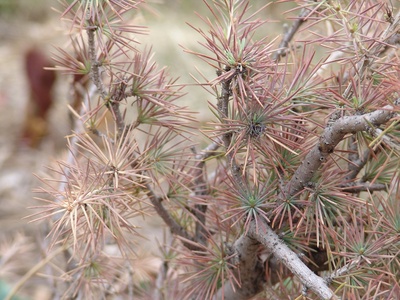
Deodar cedar
Magnificent evergreen conifer of moist Himalayan slopes, reaching large size with layered branches. Valued for timber, ornamental planting and cultural importance; found at higher elevations with cool summer climate.
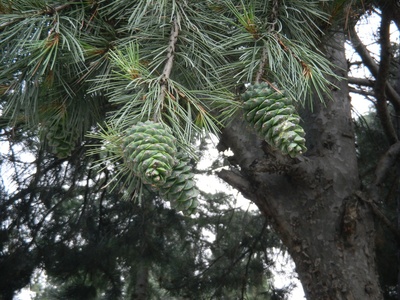
Chilgoza pine
Slow-growing pine of dry mountain slopes producing edible, rich pine nuts (chilgoza). Small to medium tree with long cones; economically important for nuts, culturally significant in northern dry forests.

Chir pine
Widely distributed pine on lower Himalayan slopes with long slender needles and resinous bark. Forms open forests used for timber, fuelwood and resin collection; adapts to drier, warmer mountain sites.
Blue pine
Graceful tall pine with drooping blue-green needles found in higher Himalayan forests. Ornamental appearance, valuable timber species and habitat for mountain wildlife; prefers cool, moist slopes and ridges.
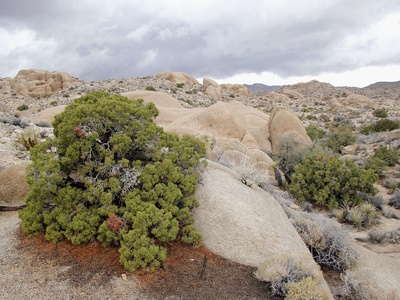
Juniper
Hardy evergreen shrub or small tree on arid mountain slopes and plateaus, forming sparse forests. Sources of resin, fuel and shelter; ecologically important for soil stabilization in dry, high-altitude landscapes.
Wild olive
Evergreen small tree or shrub on dry hills and plains producing small bitter fruits. Used locally for oil, fuelwood and shade; native wild relative of cultivated olives, adaptable to arid, rocky soils.
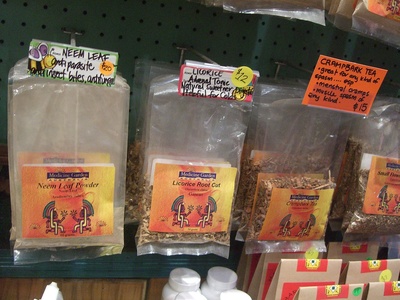
Neem
Fast-growing tropical tree commonly planted for shade and traditional medicine. Bitter leaves and seed oils have insecticidal and medicinal uses; thrives in hot plains and urban streets as a hardy, drought-tolerant tree.
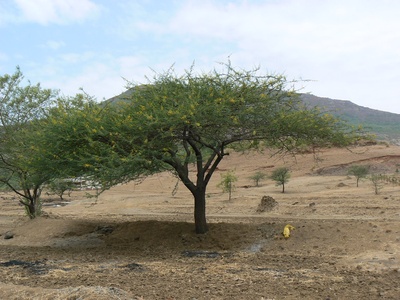
Babul (Gum Arabic tree)
Spiny tree of plains and riverbanks with yellow ball-like flowers and pods. Provides fuelwood, fodder and tannins; historically used for gum, charcoal and traditional medicines, common in arid lowlands.
Mesquite
Tough, invasive shrub-tree naturalized in dry lowlands and coastal zones. Deep roots stabilize soils but compete with native plants; used locally for fuelwood and shade despite ecological concerns about spread.
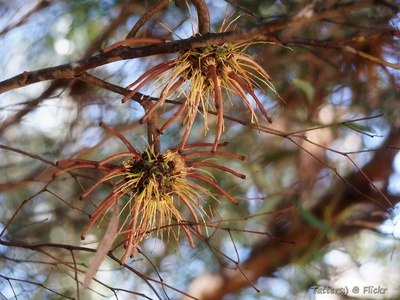
Eucalyptus
Fast-growing planted tree along canals, farms and urban areas for timber, fuel and shade. Adapted to dry soils and irrigation; aromatic leaves and peeling bark, widely used in agroforestry despite high water use.

Henna
Shrub grown for fragrant reddish dye from leaves used in traditional body art, hair coloring and medicine. Grows in hot, dry regions and garden hedges; culturally important for weddings and festivals.

Rose
Fragrant shrub cultivated in northern valleys and gardens for perfume, petals and rosewater. Bushy plant with showy blooms used in culinary, cosmetic and cultural traditions; thrives in cooler hill climates.
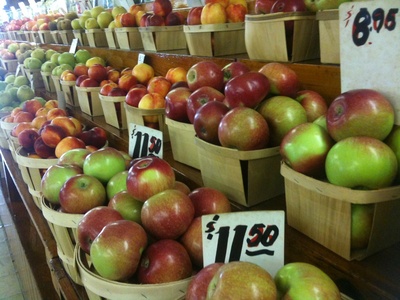
Apple
Deciduous fruit tree forming orchard landscapes in cooler highland districts. Produces crisp apples with many local varieties; important cash crop and staple of mountain agriculture and local diets.
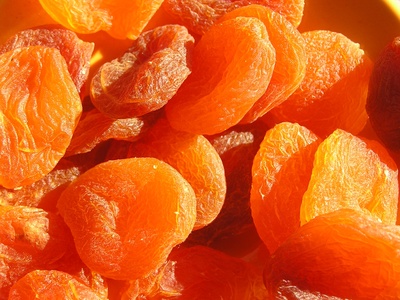
Apricot
Small deciduous tree on dry mountain slopes and orchards, producing sweet to tangy fruit eaten fresh or dried. Harvested for fresh fruit, dried kernels and culinary uses; well adapted to continental climates.
Walnut
Large deciduous tree of highland valleys producing rich edible nuts and valuable timber. Common in northern orchards and home gardens; nuts used locally and commercially for cooking and confectionery.
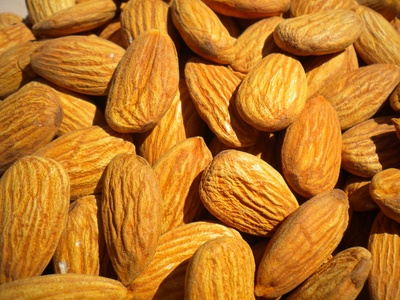
Almond
Small to medium deciduous tree with pink-white blossoms in spring and edible kernels. Grown in dry temperate zones for nuts; valued for culinary uses, oil and drought tolerance on mountain slopes.

Pomegranate
Shrubby fruit tree common in orchards and home gardens producing jewel-like seeds. Tolerant of dry climates; used fresh, for juice and traditional remedies, with bright red flowers and rounded fruits.
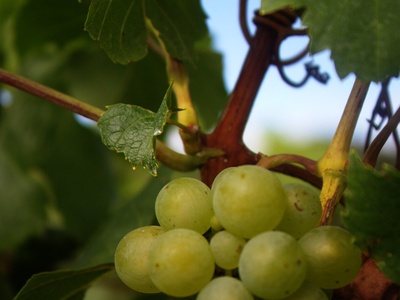
Grape
Vining woody plant grown in vineyards and home gardens for table grapes and raisin production. Climbers trained on trellises in warmer plains and hills; produces bunches of sweet fruit for fresh eating and winemaking traditions.
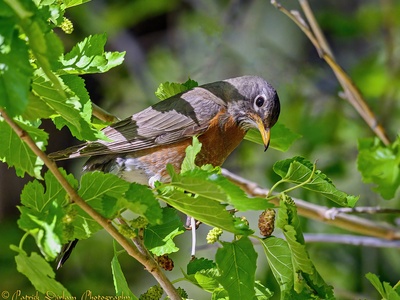
Mulberry
Fast-growing tree in fields and gardens, leaves feed silkworms and fruit used fresh or cooked. Widely planted for shade and fodder, with sweet summer berries enjoyed locally and by wildlife.
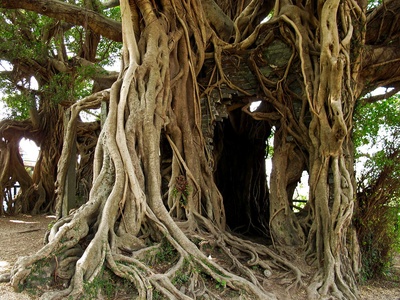
Banyan
Large spreading fig tree with aerial roots forming huge canopies in parks and temple grounds. Culturally revered and long-lived; provides shade, habitat for birds and community gathering places in towns and villages.
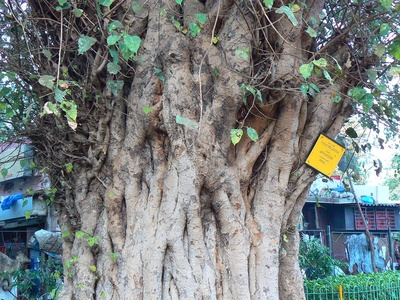
Peepal
Deciduous to semi-evergreen sacred fig with heart-shaped leaves planted near temples and roadsides. Known for religious significance, wildlife value and large spreading crown; often found in villages and city parks.
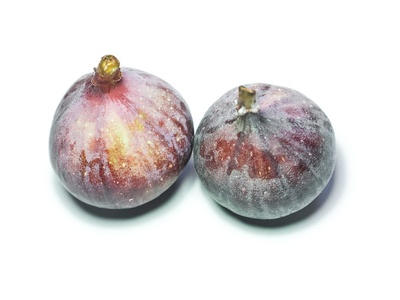
Fig
Small deciduous tree or shrub producing sweet hollow-fruited figs enjoyed fresh or dried. Grows on rocky hillsides and orchards; valued for easy cultivation, rich fruit and Mediterranean character in warmer regions.

Sunflower
Tall annual with iconic large flower heads cultivated for seeds and oil. Planted in summer fields across Punjab and Sindh; seeds roasted as snacks and pressed for cooking oil, also used ornamentally in gardens.
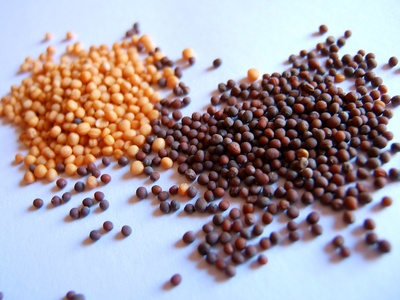
Mustard
Cool-season oilseed crop forming leafy green plants with yellow flowers, widely cultivated in Punjab and Sindh. Seeds pressed for mustard oil and greens used as vegetables; important in rural cropping systems and cuisine.
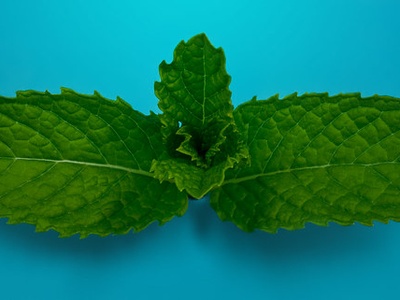
Mint
Perennial aromatic herb grown in home gardens and fields across Pakistan for fresh leaves and tea. Spreading leafy plant with strong scent used in cooking, chutneys and traditional remedies; easy to cultivate in moist soil.
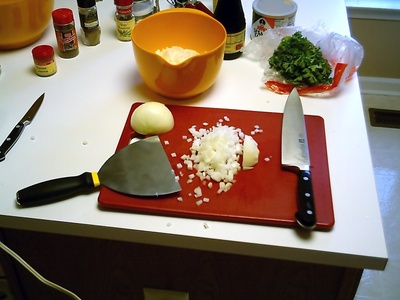
Onion
Biennial cultivated as an annual bulb crop across Punjab and Sindh. Forms layered edible bulbs essential to Pakistani cooking; planted in rows, harvested seasonally, and central to commercial horticulture.
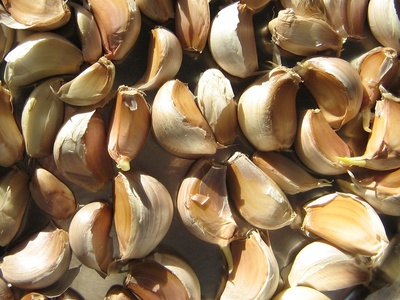
Garlic
Bulb-forming herb widely grown for pungent cloves used in cooking and traditional medicine. Planted in home gardens and farms, adaptable to varied climates, and valued for flavor, storage and medicinal properties.

Wattle acacia
Small thorny tree of plains and lower hills producing yellow flowers and pods. Used for fodder, fuelwood and shade; tolerant of arid soils and common in rural landscapes and roadside plantations.
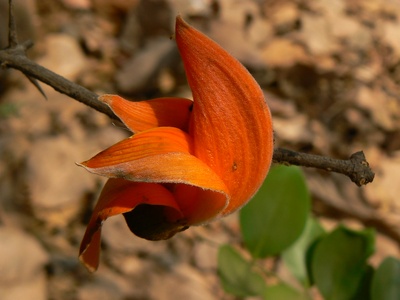
Butea (Flame of the forest)
Medium deciduous tree with bright orange flowers used in traditional ceremonies and dye. Planted as ornamental and roadside tree in warmer regions; attracts pollinators and offers seasonal visual spectacle.