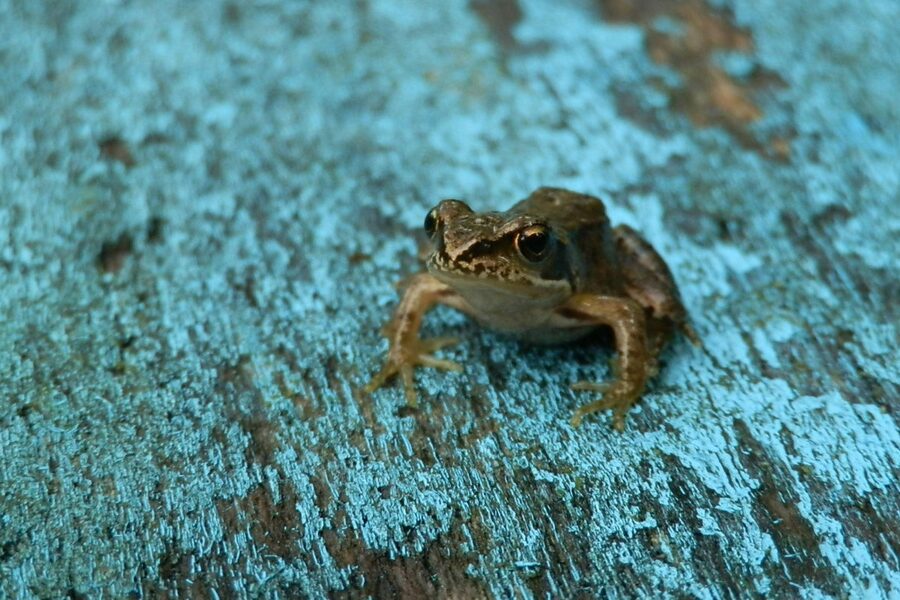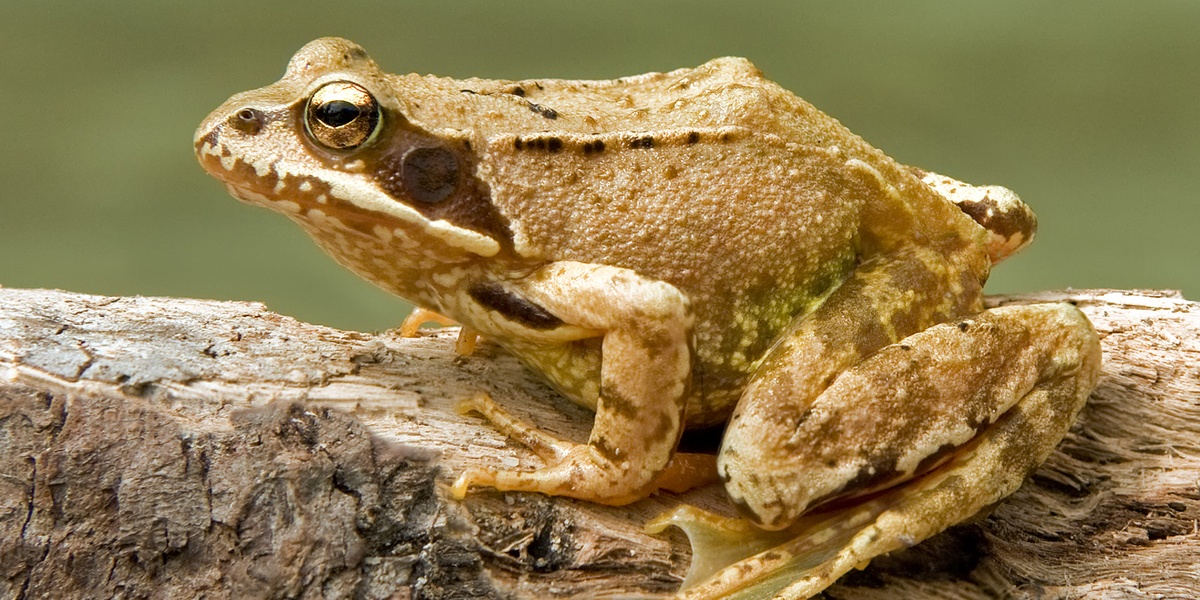
Northern Ireland’s ponds, damp meadows and garden pools are home to a small group of amphibians that quietly link aquatic and terrestrial habitats. They’re most noticeable during wet weather and the spring breeding season, when adults move between water and land.
There are 4 Amphibians of Northern Ireland, ranging from Common frog to Smooth newt. For each species I list the Scientific name,Typical size (cm),Where found — you’ll find these details below.
How can I tell a frog from a newt in Northern Ireland?
Frogs (like the Common frog) are stockier, have longer hind legs for jumping and usually no tail as adults, while newts (such as the Smooth newt) are more elongated with a noticeable tail and often walk rather than hop; skin texture and belly patterns also help ID during the breeding season.
When is the best time to spot these amphibians?
The prime time is late winter to spring, especially on mild, wet evenings when adults migrate to breeding ponds; look in garden ponds, roadside ditches and lowland wetlands at dusk or after rain for the best chance to see them.
Amphibians of Northern Ireland
| Common name | Scientific name | Typical size (cm) | Where found |
|---|---|---|---|
| Common frog | Rana temporaria | 7.0 | Gardens, ponds, bogs and woodlands across Northern Ireland |
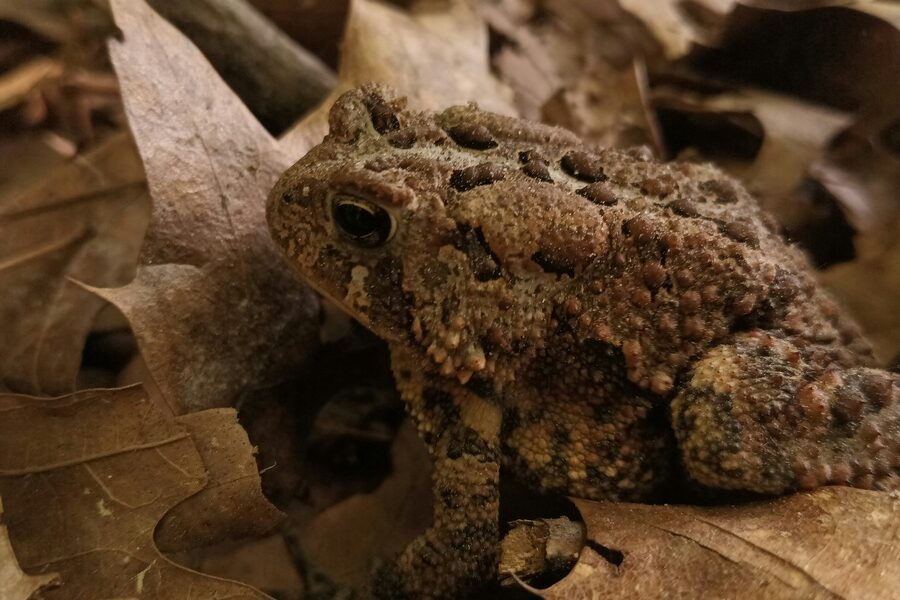
| Common toad | Bufo bufo | 9.5 | Woodland, farmland, ponds and gardens in scattered Northern Ireland populations |
| Smooth newt | Lissotriton vulgaris | 8.0 | Ponds, ditches, gardens and hedgerows across Northern Ireland |
| Palmate newt | Lissotriton helveticus | 6.5 | Acidic ponds, wetlands, woodland pools and gardens across Northern Ireland |
Images and Descriptions
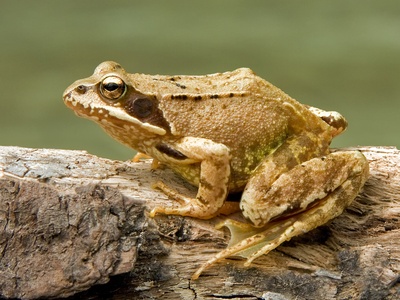
Common frog
Brown or greenish with dark patches, smooth skin and long hind legs; adults ~7.0 cm. Breeds in spring in ponds; males have croaks. Common and widespread but sensitive to pollution and habitat loss—garden ponds boost local populations.

Common toad
Heavily warty, stocky toad with parotoid glands; adults ~9.5 cm. Breeds early spring in ponds with croaks and spawning strings. Less mobile than frogs; populations fragmented and vulnerable to road mortality—pond creation and road crossings help conservation.

Smooth newt
Brown to olive newt with lighter belly and spots; males develop a crested display in breeding season. Adults ~8.0 cm. Breed spring–summer in ponds; often hidden on land. Local and widespread but threatened by pond loss and fish introduction.
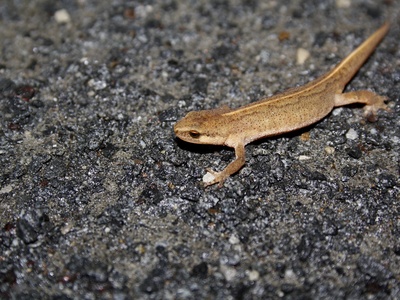
Palmate newt
Smaller newt; males show tail filaments and a small dorsal crest in breeding season, toes often slightly webbed. Adults ~6.5 cm. Breed in spring, often in acidic waters. Widespread in suitable sites but sensitive to pollution and drainage.