Mauritius packs a surprising variety of life into a compact island chain: coastal forests, inland marshes and coral lagoons that have allowed unique animals to evolve in isolation. That history of separation means the island’s wildlife tells a story you won’t find anywhere else.
There are 16 Animals Only Found in Mauritius, ranging from the Dodo to Telfair’s skink. For each species I list the Scientific name,IUCN status,Where found so you can compare conservation notes and locations — you’ll find the full list and details below.
Are any of these species extinct or critically endangered?
Yes — the Dodo is the most famous extinct species, and several others are listed as endangered or worse. Human-driven habitat loss, introduced predators and limited ranges are common threats; check the IUCN status column in the list below for the most up-to-date assessments.
How can I see these island-only animals when visiting Mauritius?
Look for guided visits to reserves and conservation centres, where local guides know the best habitats and viewing times; some species are nocturnal or secretive, so joining sanctioned tours and respecting habitat rules gives the best chance to observe them without causing harm.
Animals Only Found in Mauritius
| Name | Scientific name | IUCN status | Where found |
|---|---|---|---|
| Dodo | Raphus cucullatus | EX | Formerly widespread across Mauritius (main island) |
| Mauritius blue pigeon | Alectroenas nitidissima | EX | Formerly lowland and upland forests of Mauritius |
| Mauritius night heron | Nycticorax mauritianus | EX | Formerly wetlands and forested areas across Mauritius |
| Mauritius shelduck | Alopochen mauritiana | EX | Formerly freshwater wetlands and coastal lagoons of Mauritius |
| Mauritius starling | Aplonis cinerascens | EX | Formerly native forests across Mauritius |
| Mauritius scops owl | Otus sauzieri | EX | Formerly native forests of Mauritius |
| Pink pigeon | Nesoenas mayeri | VU | Black River Gorges, Ile aux Aigrettes, Gerald Durrell-managed reserves |
| Echo parakeet | Psittacula echo | EN | Black River Gorges, Round Island, managed release sites |
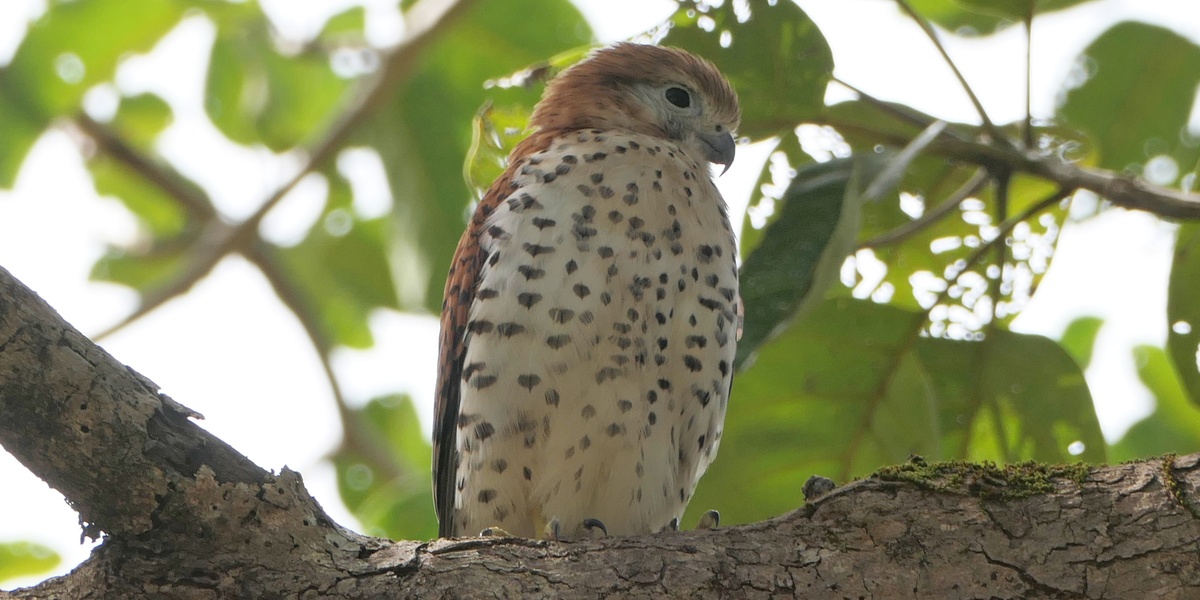
| Mauritius kestrel | Falco punctatus | VU | Upland native forests including Black River Gorges and used release areas |
| Mauritius fody | Foudia rubra | VU | Lowland and coastal forest fragments, Ile aux Aigrettes, offshore islets |
| Mauritius bulbul | Hypsipetes olivaceus | VU | Higher-elevation native forest patches like Black River Gorges |
| Mauritian flying fox | Pteropus niger | VU | Roosts across Mauritius and offshore islets in native and planted trees |
| Telfair’s skink | Leiolopisma telfairii | EN | Round Island, Flat Island and several offshore islets; formerly mainland Mauritius |
| Round Island day gecko | Phelsuma guentheri | CR | Strictly Round Island and adjacent small rocky islets |
| Ornate day gecko | Phelsuma ornata | NT | Coastal forests and fragmented native habitat on Mauritius and nearby islets |
| Mauritius giant tortoise | Cylindraspis spp. | EX | Historically widespread on Mauritius and surrounding islets |
Images and Descriptions
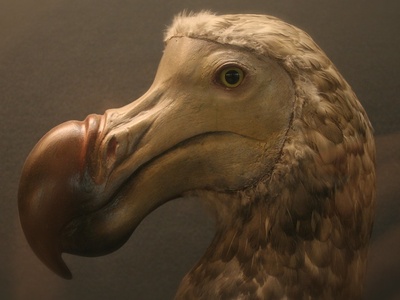
Dodo
The iconic flightless bird famously extinct by the late 17th century. Large, heavy-bodied and unable to fly, the dodo became a global symbol of human-caused extinction after habitat loss and introduced predators wiped it out.

Mauritius blue pigeon
A striking blue-and-purple pigeon known from historic accounts; now extinct. It lived in native forest canopy, fed on fruits, and was notable for its iridescent plumage and role as a seed disperser before habitat destruction ended its existence.
Mauritius night heron
A small, nocturnal heron once native to Mauritius. It nested in forests and hunted at night; loss of habitat and introduced predators led to extinction, leaving only museum specimens and historic records.
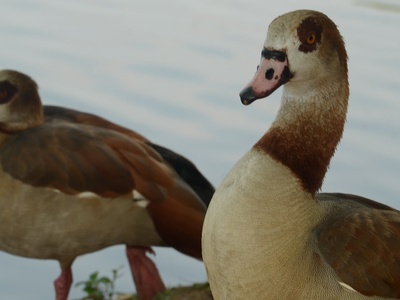
Mauritius shelduck
A now-extinct duck-like waterfowl that frequented shallow wetlands. It was hunted and lost habitat after human settlement; its disappearance reflects the heavy toll on Mauritius’s wetland specialists.
Mauritius starling
A medium-sized, greyish starling known only from subfossils and early accounts. It occupied native forest and was likely lost to habitat clearing and introduced predators soon after human arrival.
Mauritius scops owl
A small nocturnal owl that once hunted insects and small vertebrates in Mauritius’s forests. Extinct due to habitat loss and predation, it’s known from bones and early sketches; emblematic of vanished Mascarene forest birds.
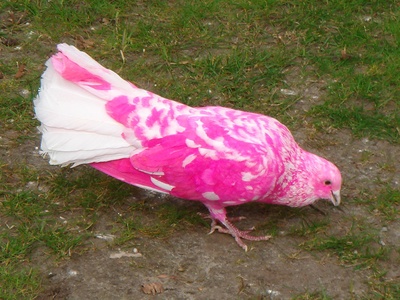
Pink pigeon
A large, rosy-toned pigeon that nearly vanished to fewer than a dozen birds but recovered thanks to captive breeding and releases. Look for it in protected forest fragments; an inspiring conservation success still vulnerable.
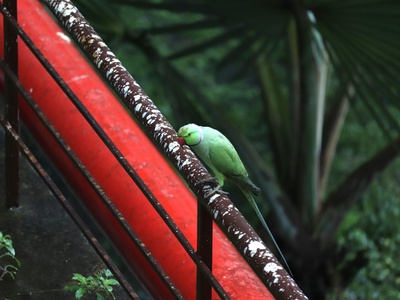
Echo parakeet
A bright green parrot with a ringing call, once down to very few individuals. Intensive recovery work has increased numbers; you can spot them in native forest patches and on Round Island as populations recover.
Mauritius kestrel
One of the world’s most dramatic recoveries: this small falcon fell to near-extinction then rebounded via captive breeding. It hunts small birds and lizards over forest edges; still vulnerable and tied to forest health.
Mauritius fody
A small, sparrow-like bird with red male plumage during breeding. It prefers dense native scrub and coastal thickets; populations are managed on islets and reserves because habitat loss and nest predators threaten it.
Mauritius bulbul
A grey, melodious songbird of Mauritius’s upland forests. Bulbuls play a role in seed dispersal; this species is limited to fragmented forest and benefits from protected reserves and reforestation.
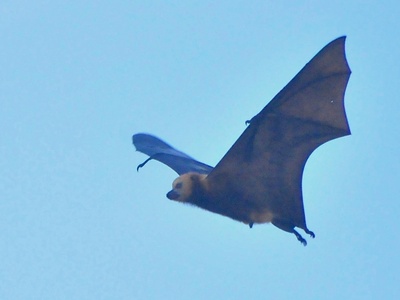
Mauritian flying fox
A large fruit bat crucial for pollination and seed dispersal across Mauritius. Roosts in tall trees, often in colonies; politically contentious due to fruit crop conflicts but ecologically vital and legally protected.
Telfair’s skink
A robust, glossy-skinned skink that once lived across Mauritius and now survives on predator-free islets. Diurnal and ground-dwelling, it’s a conservation focus due to past extirpation from the main island.
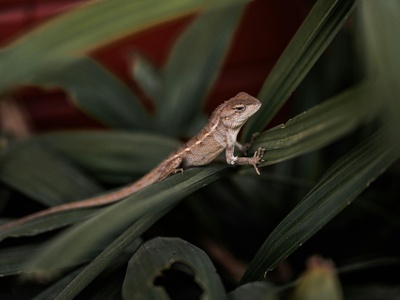
Round Island day gecko
A vividly colored, diurnal day gecko confined to Round Island. Known for bright greens and reds, it occupies coastal scrub and is critically endangered — protected by intensive habitat restoration and predator control.
Ornate day gecko
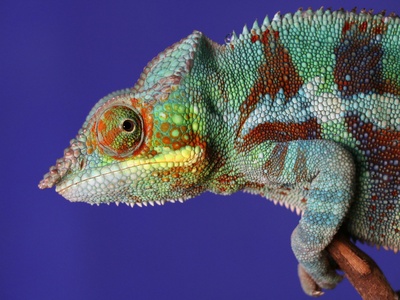
A slim, colorful day gecko often seen on trees and walls in native habitat. It feeds on insects and nectar; tolerant of some human-modified habitat but reliant on native vegetation patches and conservation areas.
Mauritius giant tortoise
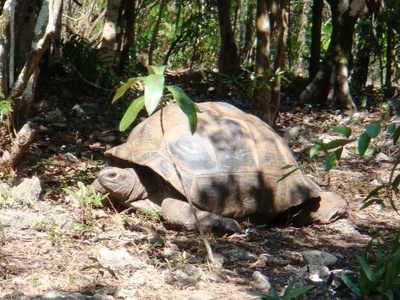
Several species of large, herbivorous tortoises (Cylindraspis) once shaped Mauritian ecosystems. Driven to extinction by hunting and introduced species, their loss changed forest structure and dispersal of large seeds.