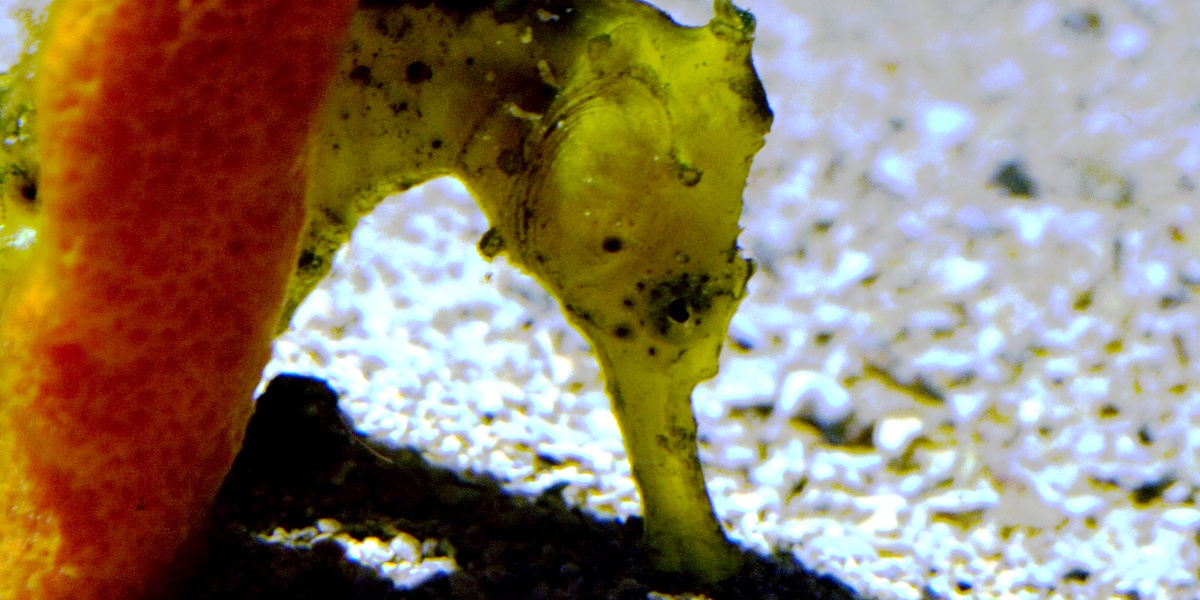
In the 1990s a small conservation group called Project Seahorse helped put tiny, unusual fish on the global conservation map; suddenly divers, scientists, and photographers were paying attention to an animal many had barely noticed. Project Seahorse’s fieldwork and media-savvy campaigns (the group was founded in 1996) helped people appreciate seahorses for their odd biology and fragile habitats.
Seahorses captivate for a few obvious reasons: males carry the young, many species use astonishing camouflage, and some live in just a few square meters of reef or seagrass. That combination—strange life history plus vivid visual appeal—makes them easy to champion.
This piece highlights five well-known seahorse species and gives the common and scientific names people most often use. Think of them as five famous seahorses (and their names), chosen because each represents a different way seahorses have become notable to researchers, aquariums, photographers, or conservationists.
Small wonders: Pygmy and dwarf seahorses
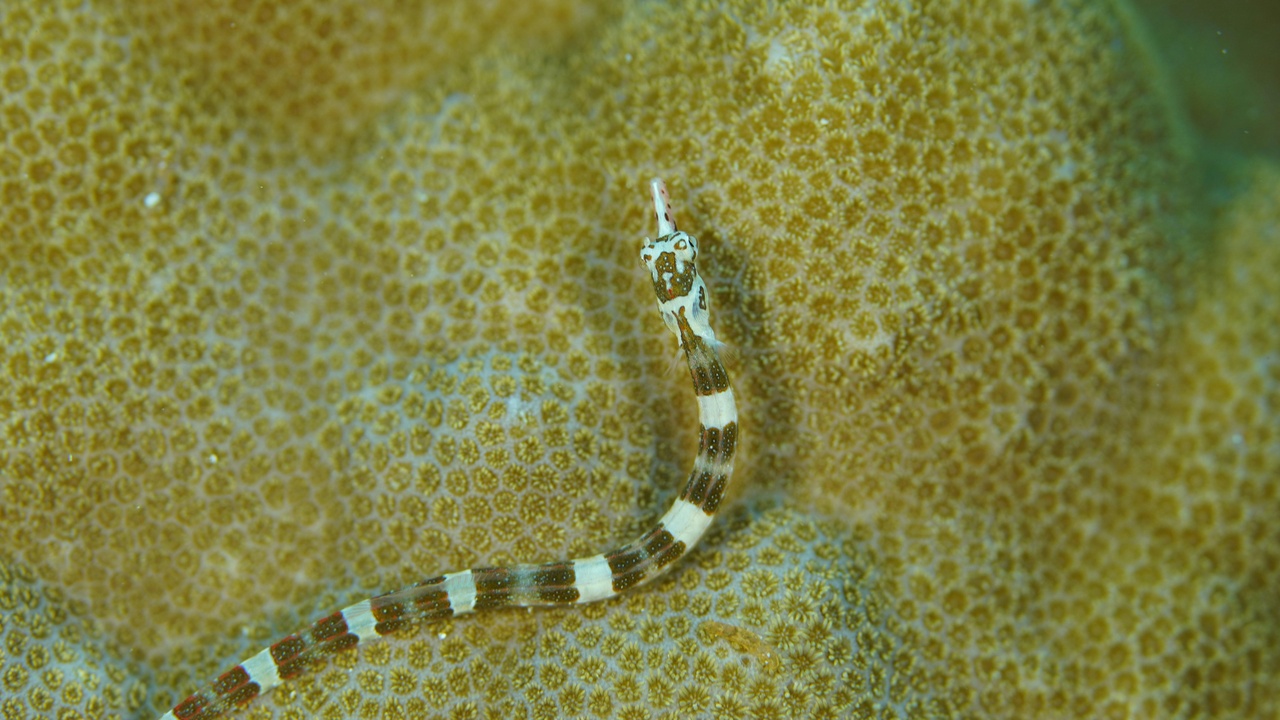
Some of the most photographed seahorses are also the smallest. Pygmy and dwarf species live like specialists, often glued to a single kind of coral or seafan, and their extreme camouflage turns them into a macro photographer’s holy grail.
Their tiny size—individuals commonly measure only about two centimetres—makes sightings rare but memorable, and a single high-quality photo can travel widely through dive forums and citizen-science databases.
Researchers prize these species for what they reveal about microhabitat specialization, rapid speciation, and the evolution of camouflage. Citizen science contributions—diver photos and field notes—have been crucial for mapping distributions and documenting host-associations.
1. Pygmy seahorse (Hippocampus bargibanti)
The pygmy seahorse, Hippocampus bargibanti, is famous for being nearly indistinguishable from its host gorgonian coral. Adults are commonly around 2 cm long and show tubercles that mirror the texture of the fan they live on.
First described in the late 20th century, the species rocketed to fame among macro photographers after striking images from Indonesian hotspots—Raja Ampat and Lembeh—appeared online in the 2000s and were shared by dive guides and magazines.
Project Seahorse has long used photographic records and diver reports to help confirm local occurrences, and IUCN assessments highlight the tight host relationships that make H. bargibanti vulnerable when specific gorgonians decline.
2. Dwarf seahorse (Hippocampus zosterae)
The dwarf seahorse, Hippocampus zosterae, is a tiny but hardy species popular in North American aquaria. Adults typically reach about 2–3 cm and are native to the U.S. Atlantic coast and the Gulf of Mexico.
In the wild many live only 1–2 years, but they often live longer under captive care where breeding is relatively straightforward. That tractability has made H. zosterae valuable for husbandry studies and public outreach.
Museums and aquaria use dwarf seahorses in education programs and community science projects—small tanks, visible broods, and frequent births help audiences learn about male pregnancy and care for coastal habitats.
Aquarium favorites: species that made a splash
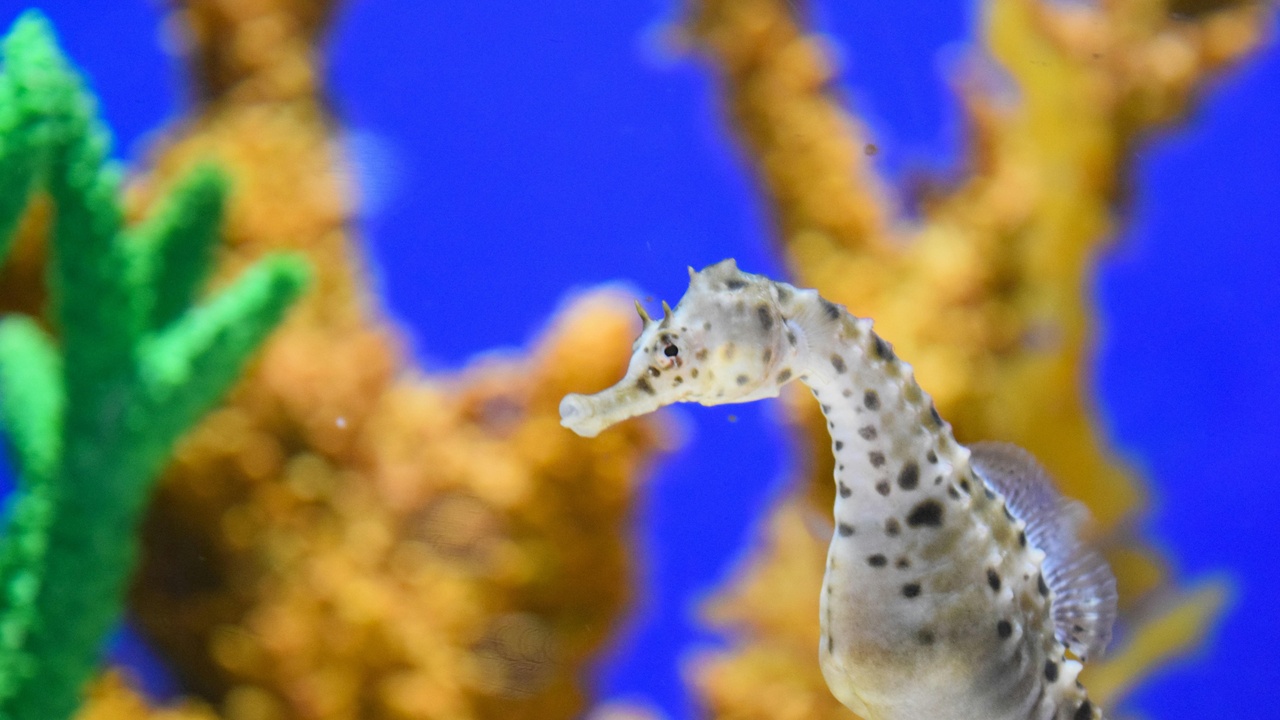
Public aquaria and the ornamental trade introduced many people to seahorses, and a handful of species became familiar because they were large enough to display well and robust enough to breed in captivity. That visibility translates to public interest and, sometimes, conservation funding.
Responsible captive breeding can reduce pressure on wild stocks, but the international trade is regulated: most Hippocampus species are listed in CITES Appendix II, so export and import of wild-caught individuals requires permits and monitoring.
When aquaria pair public-facing exhibits with research—captive-breeding protocols, husbandry guides, and outreach—they help people learn about threats like habitat loss while demonstrating ethical ways to enjoy these animals.
3. Common seahorse / yellow seahorse (Hippocampus kuda)
Hippocampus kuda, often called the common or yellow seahorse, is one of the most widely recognized Indo-Pacific species and appears in many public tanks. Adults can reach up to about 17 cm, which makes them easy to showcase.
Its broad distribution across the Indo-Pacific and variable coloration mean it shows up in display collections and in regional studies. Several aquaria have successful breeding programs that supply captive-born individuals for exhibits and research.
IUCN assessments treat different H. kuda populations differently, and conservationists frequently point to regional data when advising CITES management or local protection measures.
4. Lined seahorse (Hippocampus erectus)
The lined seahorse, Hippocampus erectus, is a familiar Atlantic species often featured in North American aquaria. Adults commonly reach around 15 cm and are native to the western Atlantic coastline.
Because they breed readily in captivity, H. erectus is commonly used in classroom labs and aquarium education programs that teach about male pregnancy, parental care, and basic marine husbandry.
University labs and public aquariums have published captive-breeding records that inform best-practice husbandry, helping reduce demand for wild-caught specimens when institutions follow ethical sourcing guidelines.
Conservation icons and European natives
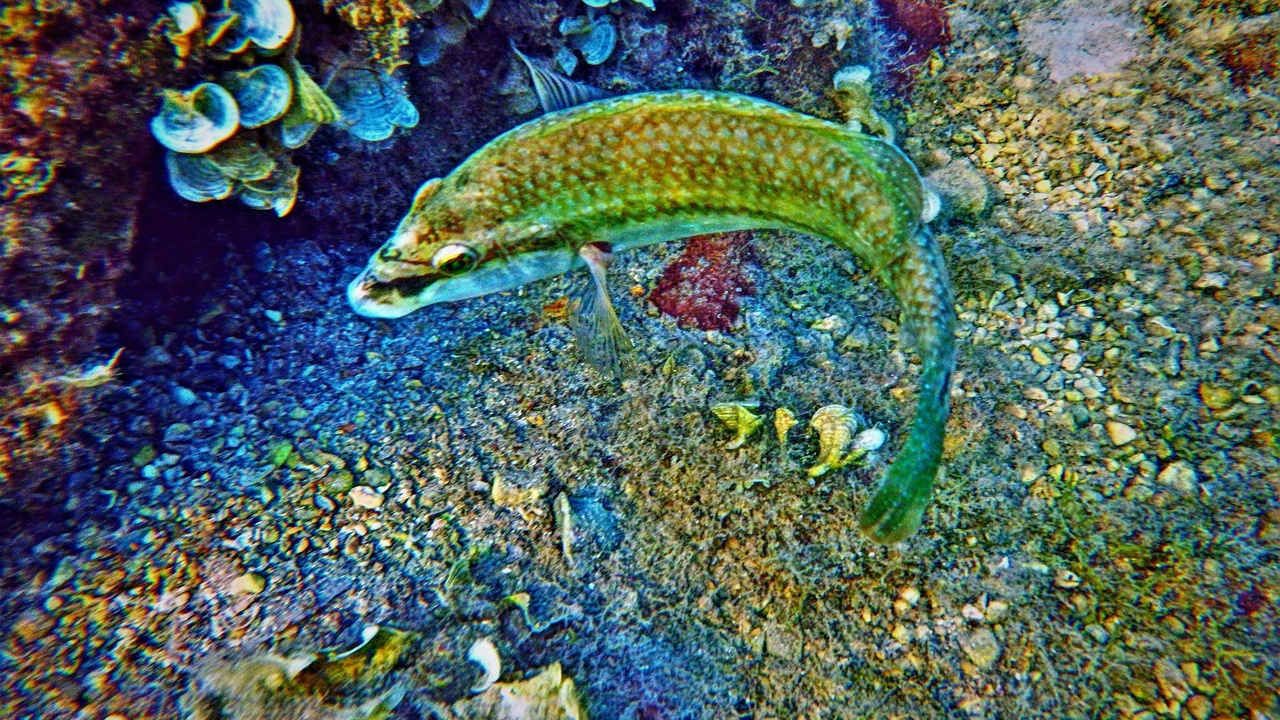
Certain species become famous not for size or color but because they symbolize larger conservation challenges—overfishing, habitat loss, and the fragility of coastal ecosystems. Those species often anchor local restoration and monitoring work.
Project Seahorse and organizations such as IUCN have highlighted trade pressures and the loss of seagrass and mangrove habitats, using targeted campaigns and regional assessments to influence policy and restoration projects.
When communities recognize a native seahorse as a local emblem, that awareness can translate into protective measures: seagrass restoration, marine protected areas, or fisheries regulations that benefit many species beyond seahorses.
5. Short-snouted seahorse (Hippocampus hippocampus)
The short-snouted seahorse, Hippocampus hippocampus, is a well-known European species and often serves as a conservation indicator. Adults typically grow to about 12 cm and occur in the eastern Atlantic and Mediterranean.
It prefers seagrass beds and shallow bays—habitats that have declined in many regions. Conservationists and local monitoring programs (seagrass surveys in the UK and Mediterranean regions) have tracked H. hippocampus since the 2000s to gauge habitat health.
Regional restoration projects and legislation that protects seagrass and coastal zones often cite this species as a flagship, helping mobilize funding and volunteer monitoring that benefits broader coastal biodiversity.
Summary
- Seahorses are notable for unusual biology (male pregnancy) and striking camouflage that make them memorable to the public and scientists alike.
- These five species illustrate different paths to fame: tiny pygmies prized by photographers, aquarium-friendly species that teach the public, and regional natives that anchor conservation work.
- Citizen science—diver photos and local monitoring—has real value for mapping distributions and informing IUCN and CITES discussions.
- Support ethical aquaria, share quality macro photos with groups like Project Seahorse, and advocate for seagrass and coastal habitat protection to help these animals thrive.