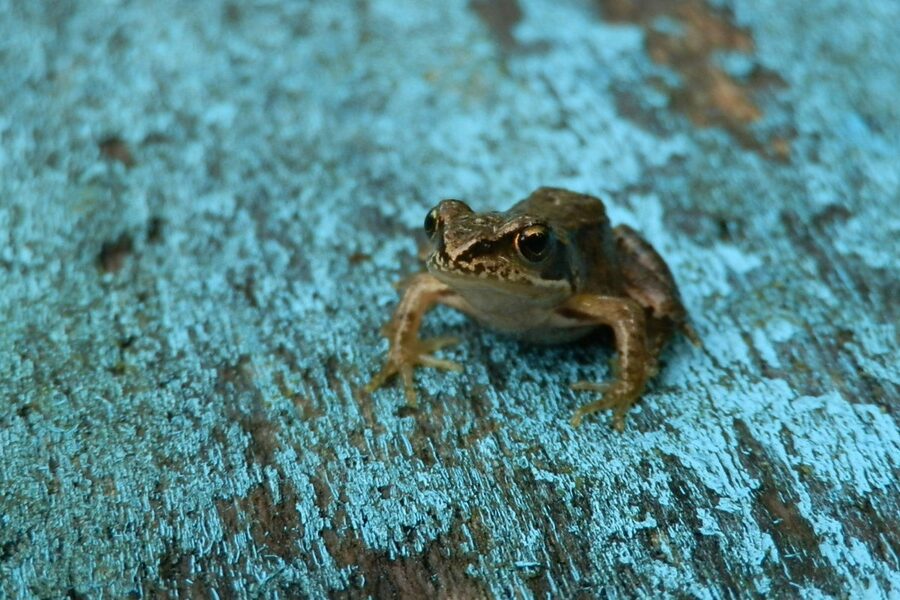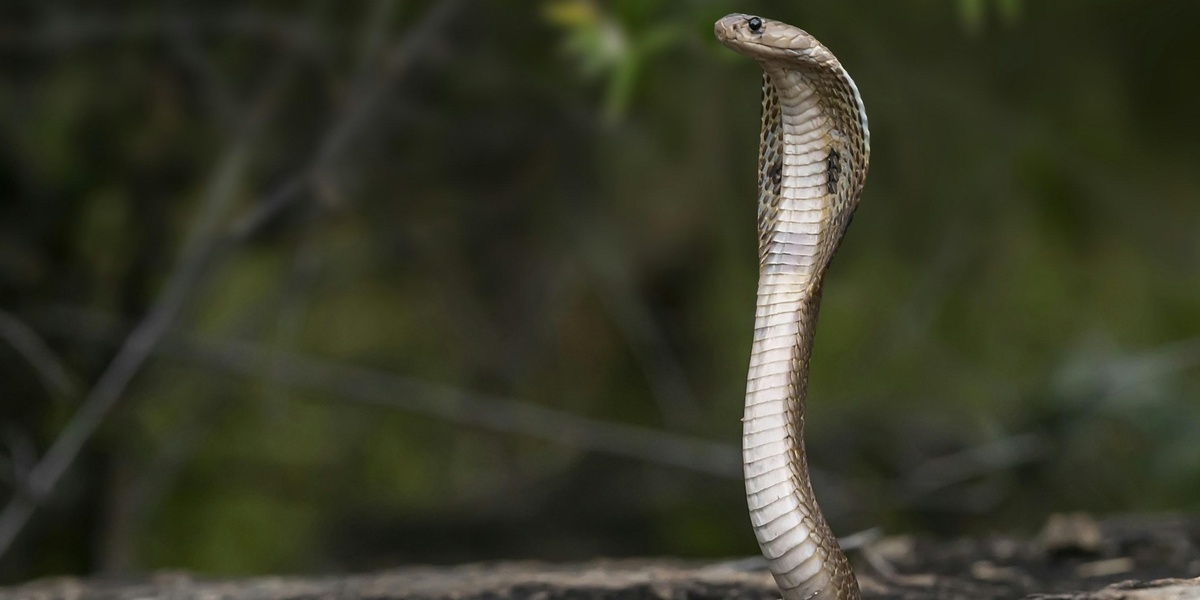
Cambodia’s landscapes—from the Tonle Sap floodplain and Mekong river corridors to lowland forests and limestone karsts—support a surprising variety of reptiles. Field observations and local guides show snakes, lizards, turtles and semi-aquatic species occupying rivers, wetlands and agricultural edges.
There are 20 Reptiles of Cambodia, ranging from the Asian box turtle to the White-lipped pit viper. Each entry lists Scientific name,Max length (cm),Where found and brief habitat notes to help identification — you’ll find below.
Where are these reptiles most likely to be seen in Cambodia?
Many species concentrate around freshwater systems (Tonle Sap, Mekong tributaries), wetlands, mangroves and forest edges; some prefer intact lowland forest or karst outcrops. Sightings increase in the dry season along exposed shorelines, while nocturnal snakes are more active after dark.
Which species should I avoid and how can I stay safe?
Venomous snakes recorded in Cambodia include cobras, kraits and pit vipers (for example the White-lipped pit viper). Avoid handling wildlife, wear sturdy footwear in the field, use a torch at night, give animals space, and seek immediate medical care for any suspected bite.
Reptiles of Cambodia
| Common name | Scientific name | Max length (cm) | Where found |
|---|---|---|---|
| Siamese crocodile | Crocodylus siamensis | 350 | Freshwater rivers, lakes, Tonle Sap region |
| Saltwater crocodile | Crocodylus porosus | 600 | Coastal mangroves, estuaries, southern provinces |
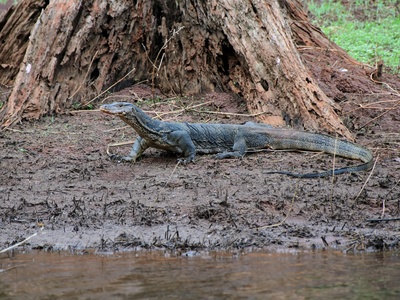
| Asian water monitor | Varanus salvator | 250 | Rivers, wetlands, rice paddies, towns nationwide |
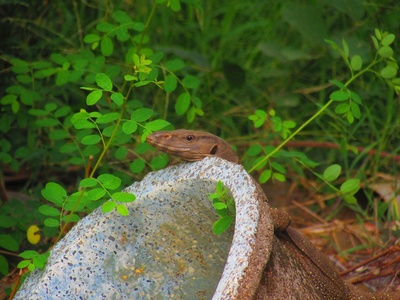
| Bengal monitor | Varanus bengalensis | 200 | Dry forests, agricultural areas, lowland plains |
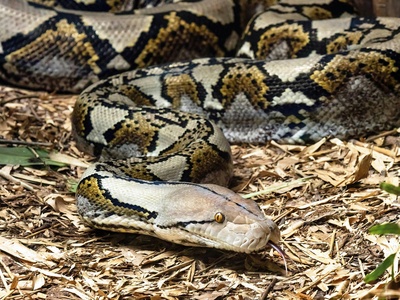
| Reticulated python | Malayopython reticulatus | 600 | Lowland forests, river edges, near villages |
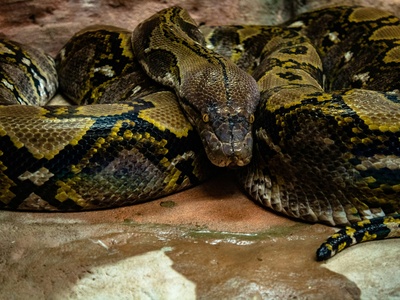
| Burmese python | Python bivittatus | 500 | Wetlands, floodplains, near Tonle Sap and Mekong |
| King cobra | Ophiophagus hannah | 550 | Primary forests, karst hills, remote lowlands |
| Monocled cobra | Naja kaouthia | 180 | Ricefields, scrub, villages, edge habitats nationwide |
| Banded krait | Bungarus fasciatus | 200 | Forests, wetlands, near water in lowlands |
| White-lipped pit viper | Trimeresurus albolabris | 90 | Forest edges, plantations, shrubs nationwide |
| Russell’s viper | Daboia russelii | 150 | Grasslands, farmland, river edges in lowlands |
| Oriental rat snake | Ptyas mucosa | 200 | Open habitat, agricultural areas, near water and villages |
| Tokay gecko | Gekko gecko | 30 | Houses, cliffs, forest edges, villages countrywide |
| Common house gecko | Hemidactylus frenatus | 15 | Urban areas, houses, villages nationwide |
| Kuhl’s flying gecko | Ptychozoon kuhli | 20 | Lowland forests, near karst and limestone outcrops |
| Common sun skink | Eutropis multifasciata | 35 | Open ground, gardens, agricultural areas nationwide |
| Elongated tortoise | Indotestudo elongata | 40 | Seasonal forests, dry dipterocarp, lowland woodlands |
| Asian box turtle | Cuora amboinensis | 25 | Slow-moving forest streams, ponds, wetlands |
| Green sea turtle | Chelonia mydas | 150 | Offshore reefs, coastal waters, nesting beaches in south |
| Hawksbill turtle | Eretmochelys imbricata | 100 | Coral reefs, rocky coasts, occasional nesting beaches |
Images and Descriptions
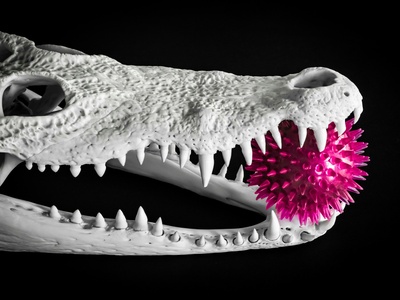
Siamese crocodile
Small, shy freshwater crocodile with narrow snout and bony scutes. Reclusive in rivers and floodplain lakes; critically endangered with tiny wild populations in Cambodia. Avoid shallow water at night; important conservation focus.
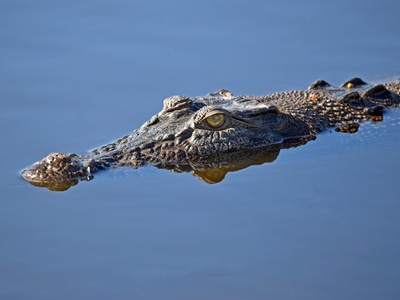
Saltwater crocodile
Largest living crocodile, heavy-bodied with broad snout and powerful tail. Found in coastal mangroves and estuaries; can travel far at sea. Dangerous if provoked; sightings rare but possible along southern coast.
Asian water monitor
Large, common monitor lizard with dark body and yellow spots; excellent swimmer and opportunistic feeder. Frequently seen near water and villages; can reach 2–3 m and may scavenge human food.
Bengal monitor
Robust monitor with patterned skin and heavy build. Prefers drier habitats and open ground, digs burrows and hunts mammals, eggs, reptiles. Shy but large; common in rural Cambodia.
Reticulated python
Very large patterned python with complex reticulate markings. Ambush predator that eats mammals and birds; may enter buildings. Nonvenomous constrictor; can exceed 5 m but usually smaller.
Burmese python
Thick-bodied constrictor with blotched pattern; common in wetlands and reedbeds. Strong swimmer and nocturnal hunter of mammals and birds; nonvenomous but powerful.
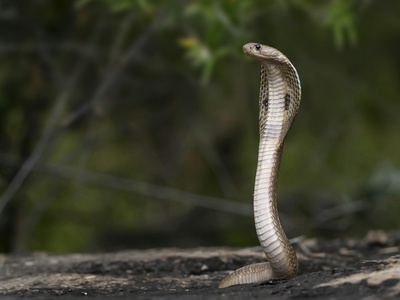
King cobra
Tall, hooded venomous snake feeding mainly on other snakes. Recognizable by large size and hood; can be encountered in forests and near streams. Extremely venomous—avoid and give wide berth.
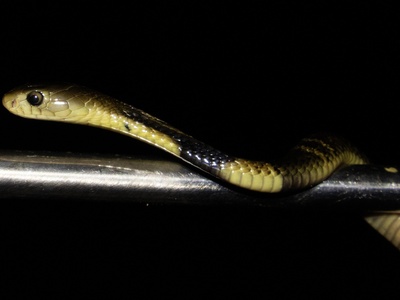
Monocled cobra
Medium-sized hooded cobra with distinctive monocle-shaped hood mark. Widespread in lowlands and agricultural areas; venomous and tends to warn before striking. Common in human-modified habitats.
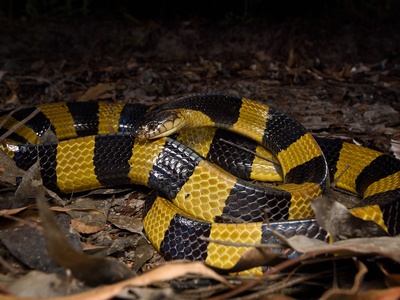
Banded krait
Black-and-yellow banded elapid with glossy scales and cylindrical body. Nocturnal and relatively slow-moving; highly venomous but shy. Often found near water or agricultural edges at night.
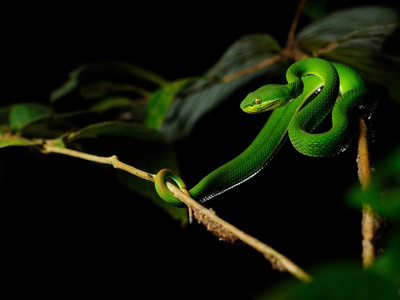
White-lipped pit viper
Arboreal, green pit viper with distinctive pale upper lip. Ambush predator of frogs and small mammals; nocturnal and venomous. Seen on low branches and shrubs along trails and waterways.
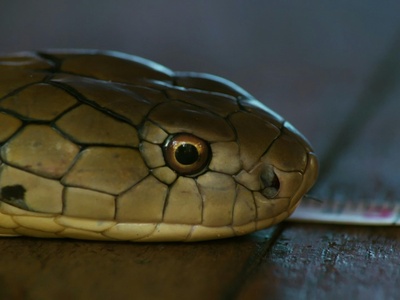
Russell’s viper
Stocky, heavy-bodied viper with bold brown dorsal patches. Highly venomous, terrestrial, often active near human habitation; responsible for many snakebites in the region.
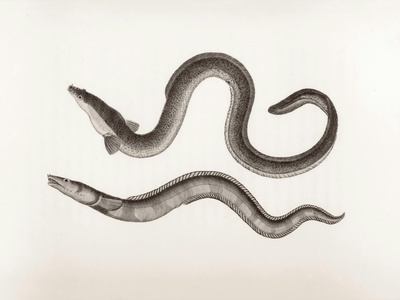
Oriental rat snake
Long, fast, nonvenomous snake with brownish back and pale belly. Good climber and active day-hunter of rodents; often seen around farms and towns controlling pests.
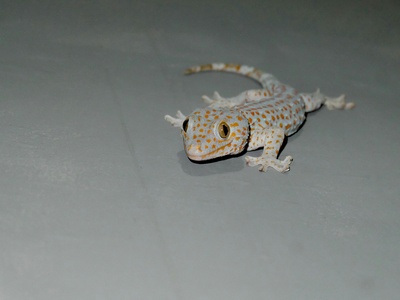
Tokay gecko
Large, vocal gecko with bright blue-gray skin and orange spots. Nocturnal insect-eater known for loud calls and strong bite if handled. Common on buildings and tree trunks in towns and forests.
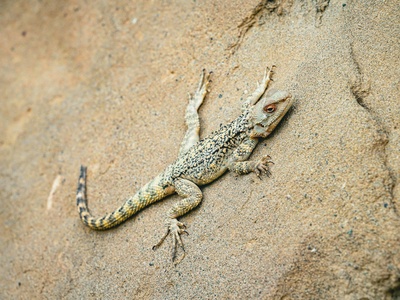
Common house gecko
Small, adaptable gecko that lives on walls and lights catching insects. Paler and smoother than tokay; ubiquitous around human habitation and harmless to people.
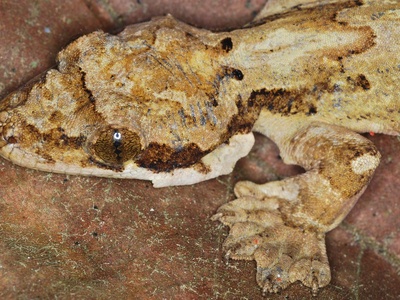
Kuhl’s flying gecko
Flat-bodied nocturnal gecko with skin flaps and leaf-like tail enabling gliding between branches. Excellent camouflage on tree bark; secretive and rarely seen by casual visitors.
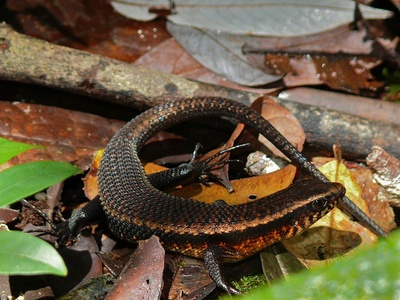
Common sun skink
Robust, active skink with shiny scales and long tail. Diurnal and speedy, often sunning on walls or logs; eats insects and small invertebrates. Very common and easy to spot.
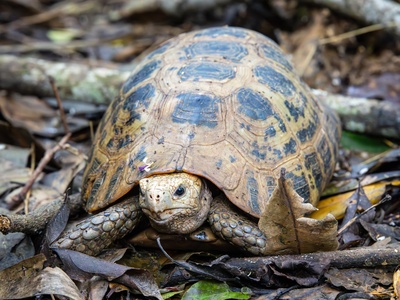
Elongated tortoise
Medium tortoise with elongated domed shell and yellow-brown markings. Terrestrial leaf‑litter feeder threatened by trade and habitat loss; rarely seen due to low densities.
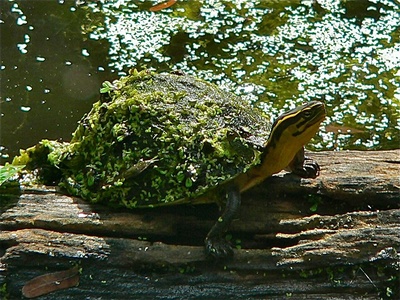
Asian box turtle
Small box turtle with hinged plastron allowing full shell closure. Omnivorous and often found near water; heavily collected for food and pets, making wild sightings uncommon.
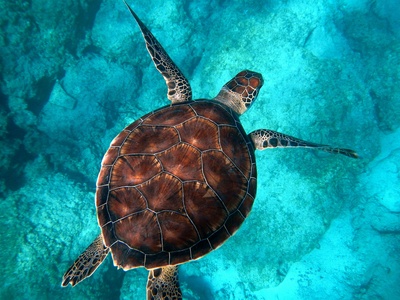
Green sea turtle
Large, herbivorous sea turtle with smooth carapace and paddle-like flippers. Feeds on seagrass; nests on Cambodian beaches seasonally. Protected and vulnerable—do not disturb nesting turtles.
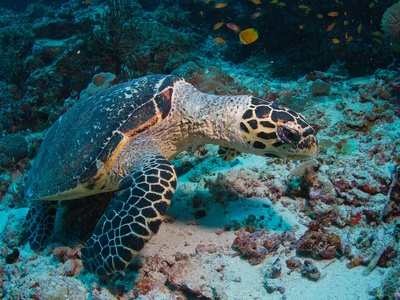
Hawksbill turtle
Smaller sea turtle with narrow, hooked beak and overlapping scutes. Feeds on sponges in reefs; critically endangered and historically targeted for shell trade. Seen by divers along reefs.