Kansas City’s mix of urban neighborhoods, river corridors and remnant prairies makes it a hotspot for non-native plants and animals that can change how local ecosystems function. From scrubby backyard thickets to mussel‑fouled waterways, these species affect biodiversity, recreation and property.
There are 25 Invasive Species in Kansas City, ranging from Amur honeysuckle to Zebra mussel. For each entry I list Scientific name,Status,Where found (habitat/area) so you can quickly see origin, level of concern and typical locations — you’ll find below.
How can I identify common invasive plants and animals here?
Look for species that form dense patches, outcompete native plants, or appear where they weren’t recorded historically; unusual abundance, single‑species dominance, and rapid spread are good clues. Use photos and the Scientific name to confirm identification, check local extension guides or state invasive species lists, and report uncertain finds to county conservation offices.
What practical steps can residents take to slow their spread?
Remove or replace known invasives from yards (avoid planting Amur honeysuckle), dispose of plant material responsibly, clean boats and gear to prevent Zebra mussel transfers, support local removal events, and follow guidance from parks or extension services to prevent accidental spread.
Invasive Species in Kansas City
| Name | Scientific name | Status | Where found (habitat/area) |
|---|---|---|---|
| Amur honeysuckle | Lonicera maackii | Established invasive | Woodland edges, forest understories, urban thickets in Jackson, Clay, Platte, Johnson counties |
| Japanese honeysuckle | Lonicera japonica | Established invasive | Forest edges, parks, yards and disturbed sites across KC metro |
| Multiflora rose | Rosa multiflora | Established invasive | Fields, fencerows, roadsides and streambanks in KC suburbs and rural fringes |
| Autumn olive | Elaeagnus umbellata | Established invasive | Prairies, roadsides, disturbed soils and open woods in KC counties |
| Callery pear (Bradford pear) | Pyrus calleryana | Established invasive | Urban plantings, vacant lots, roadsides and naturalized thickets in KC landscape |
| Tree-of-heaven | Ailanthus altissima | Established invasive | Vacant lots, roadsides, rail corridors and riparian zones in KC metro |
| Oriental bittersweet | Celastrus orbiculatus | Established invasive | Forests, hedgerows, riparian areas and fence lines in KC region |
| Garlic mustard | Alliaria petiolata | Established invasive | Moist shaded woodlands, parks and trails in Jackson, Clay, Platte, Johnson counties |
| Japanese stiltgrass | Microstegium vimineum | Established invasive | Shaded forests, trails, floodplains and disturbed riparian areas in KC |
| Norway maple | Acer platanoides | Established invasive | Urban forests, yards, parks and river corridors in KC metro |
| English ivy | Hedera helix | Established invasive | Shaded yards, parks, cemetery slopes and woodland understories in KC |
| Japanese knotweed | Fallopia japonica | Established invasive | Streambanks, roadsides and disturbed urban sites in KC region |
| Common reed (Phragmites – invasive lineage) | Phragmites australis | Established invasive | Wetlands, river margins, ditches and marshes near KC |
| Purple loosestrife | Lythrum salicaria | Established invasive | Ponds, marshes, wet meadows and river backwaters in KC area |
| Eurasian watermilfoil | Myriophyllum spicatum | Established invasive | Lakes, reservoirs and slow-moving waterways around KC |
| Common carp | Cyprinus carpio | Established invasive | Lakes, ponds and rivers across KC metro |
| Silver carp | Hypophthalmichthys molitrix | Established invasive | Missouri River and connected reservoirs near Kansas City |
| Bighead carp | Hypophthalmichthys nobilis | Established invasive | Missouri River and tributaries in KC region |
| Zebra mussel | Dreissena polymorpha | Established invasive | Lakes, reservoirs and river systems connected to the Missouri River near KC |
| Emerald ash borer | Agrilus planipennis | Established invasive | Urban and rural ash-lined streets, windbreaks and woodlands in KC counties |
| Brown marmorated stink bug | Halyomorpha halys | Established invasive | Urban, suburban and agricultural areas in KC region |
| European starling | Sturnus vulgaris | Established invasive | Urban, suburban and agricultural landscapes, roosts and buildings in KC |
| House sparrow | Passer domesticus | Established invasive | Buildings, farms, urban neighborhoods and open structures in KC |
| Rock pigeon | Columba livia | Established invasive | Urban centers, bridges, plazas and industrial areas in Kansas City |
| European buckthorn | Rhamnus cathartica | Established invasive | Woodlands, edges, thickets and hedgerows throughout KC metro |
Images and Descriptions
Amur honeysuckle
Fast-growing shrub forming dense thickets that shade spring wildflowers and outcompete native shrubs across KC woodlands, roadsides and yards. Control by cutting and treating stumps, pulling seedlings, and reporting large infestations to county extension or Missouri Department of Conservation.
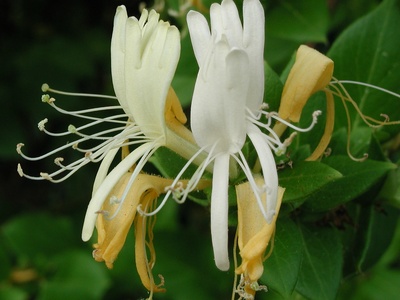
Japanese honeysuckle
Vining/groundcover invasive that smothers seedlings and climbs trees, reducing forest regeneration in urban woodlands and edges throughout KC metro. Remove by hand-pulling small patches, cutting vines from trees, and applying targeted herbicide; report persistent infestations to local extension.
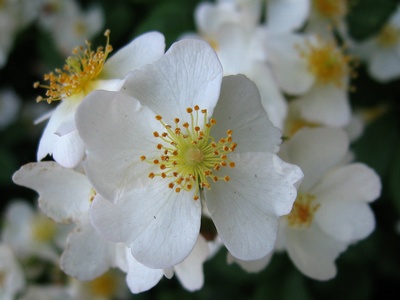
Multiflora rose
Introduced as a living fence and for erosion control, now forming impenetrable thickets in fields, fencerows and stream banks around KC. Seeds spread by birds. Control with cutting plus herbicide, repeated mowing, and reporting to extension or conservation agencies.
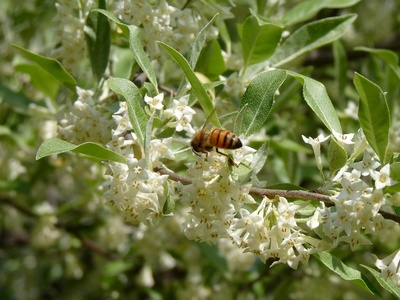
Autumn olive
Fruit-producing shrub that invades prairies, roadsides and disturbed soils in KC suburbs, fixing nitrogen and altering soil chemistry to favor invasives. Birds disperse seeds. Pull seedlings, cut and treat stumps, and report dense stands to county conservation or extension offices.
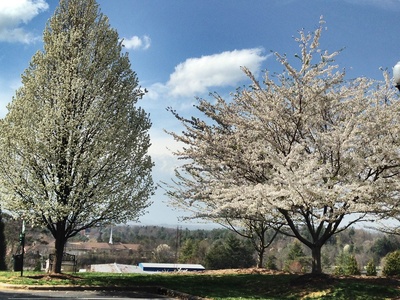
Callery pear (Bradford pear)
Ornamental tree escaped cultivation, forming thickets and hybridizing with other pears across urban and rural KC landscapes. Produces messy fruit and crowds native trees. Remove young trees, discourage planting, and report new naturalized patches to local planning or conservation authorities.

Tree-of-heaven
Fast-growing deciduous tree that sprouts prolifically from root suckers, invading vacant lots, roadsides and riparian corridors in KC. Releases allelopathic chemicals harming natives. Control by cutting with herbicide on stumps or targeted basal bark treatments; report large outbreaks to extension.
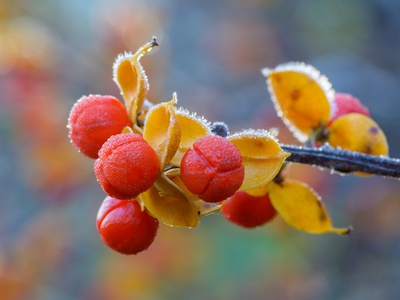
Oriental bittersweet
Woody vine that girdles and topples trees, invading forests, hedgerows and riparian areas in KC. Twines tightly around trunks and outcompetes native vines. Cut and apply herbicide to stems, remove roots, and report sightings to conservation groups.
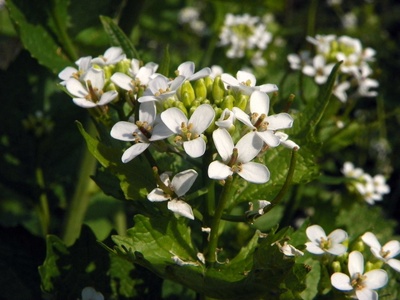
Garlic mustard
Shade-tolerant biennial that carpet floors of woodlands, releasing chemicals that reduce native mycorrhizae and spring wildflowers in KC forests and parks. Pull before seed set, bag and dispose; repeated removal and reporting to parks departments help control spread.
Japanese stiltgrass
Annual grass invading shaded forests, trails and floodplains across KC, forming dense mats that suppress native seedlings. Spreads via contaminated soil, mulch and footwear. Clean gear, hand-pull small patches, and report infestations to park managers for coordinated control.
Norway maple
Common landscape tree that escapes to urban forests and river corridors in KC, shading out native seedlings and altering understory composition. Remove saplings, favor native replacements, and report invasive plantings to city forestry programs.
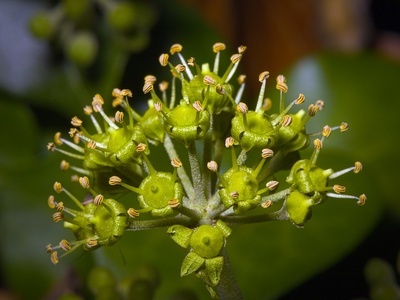
English ivy
Evergreen vine that climbs and smothers trees, and forms dense groundcover in shaded yards and woodlands in KC. Damages tree bark and reduces native plant diversity. Cut vines at the base, remove roots, and report severe infestations to parks or extension.
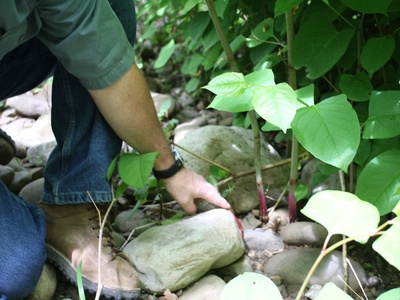
Japanese knotweed
Stout bamboo-like perennial invading streambanks, roadsides and disturbed sites in KC, forming dense stands that undermine banks and outcompete natives. Rhizomes make control difficult; cut-and-treat herbicide protocols and excavation by professionals recommended; report to local conservation authorities.
Common reed (Phragmites – invasive lineage)
Invasive lineage of common reed forming dense monocultures in wetlands, river margins and ditches around KC, reducing habitat diversity and altering hydrology. Controlled by mowing, herbicide and hydrologic restoration; report stands to wetland managers or conservation agencies.
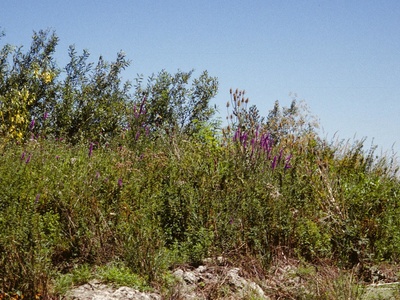
Purple loosestrife
Showy wetland perennial that displaces native marsh plants and reduces wildlife habitat in KC-area ponds, marshes and river backwaters. Pull small plants before seed set; larger infestations need herbicide or biological control programs—report sightings to local conservation or DNR.
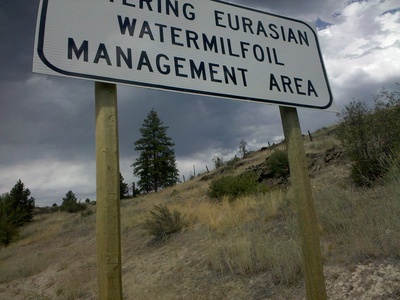
Eurasian watermilfoil
Submerged aquatic plant that forms dense mats in lakes and reservoirs near KC, hindering recreation and displacing native aquatic plants. Spread by fragment transport on boats; clean boats, report sightings to lake managers, and expect mechanical or herbicide control measures.
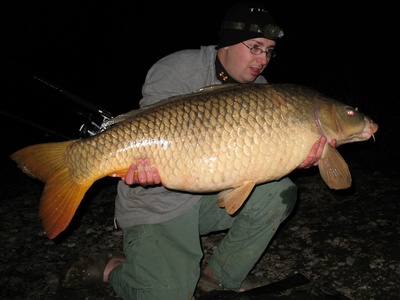
Common carp
Introduced large fish established in KC-area lakes and rivers; root through sediments, increase turbidity and damage aquatic vegetation. Manage by commercial harvest, barriers, and habitat restoration; report unusual concentrations to fisheries managers.
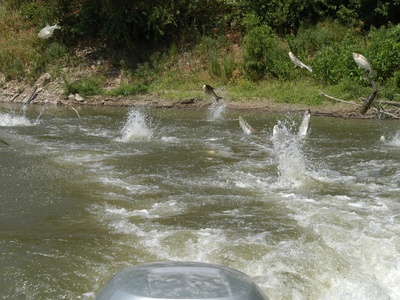
Silver carp
High-jumping filter-feeding Asian carp currently present in the Missouri River near KC; they outcompete native fishes and pose hazards at boat ramps. Report sightings and collisions to state fisheries, avoid areas with heavy concentrations, and follow boat decontamination rules.
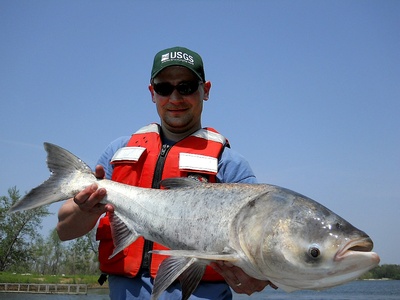
Bighead carp
Large invasive carp established in the Missouri River and tributaries near KC, competing with native fish for plankton and altering ecosystems. Detection and harvest programs are active; report catches to fisheries offices and practice boat cleaning to limit spread.
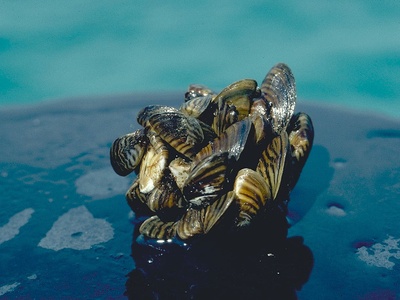
Zebra mussel
Shellfish that colonize hard surfaces in lakes and rivers, clogging intake pipes and altering food webs; detected in parts of Missouri waterways connected to the Missouri River system near KC. Clean and drain boats, report sightings to state invasive species hotlines.
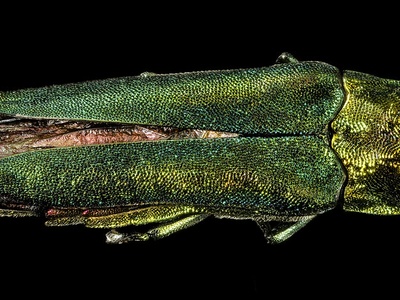
Emerald ash borer
Wood-boring beetle killing ash trees across KC metro, leading to large-scale tree loss and higher management costs for cities and homeowners. Don’t transport firewood; report infestations to state agriculture or forestry agencies and follow quarantine and treatment guidelines.
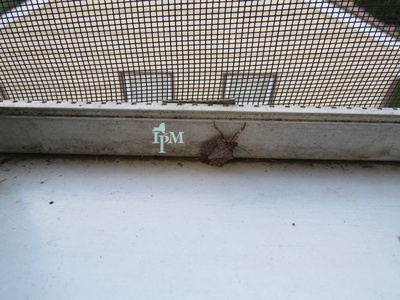
Brown marmorated stink bug
Non-native shield bug causing agricultural and home nuisance problems in KC; feeds on fruits, ornamentals and becomes abundant in buildings in fall. Seal cracks, use exclusion and report agricultural damage to extension; monitoring traps used by researchers.
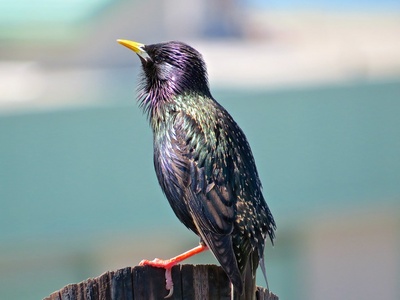
European starling
Introduced bird common in urban, agricultural and suburban KC areas; outcompetes native cavity nesters, fouls surfaces, and damages crops. Reduce attractants, install nest-box guards, and report large roosts to local wildlife managers for control advice.
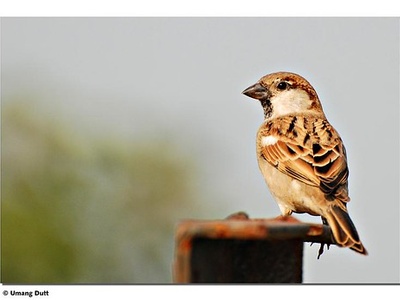
House sparrow
Invasive small bird widespread across KC cities and farms, nesting in buildings and displacing native songbirds. Manage by reducing food and nest sites, sealing gaps in structures, and contacting wildlife control for persistent roosting problems.
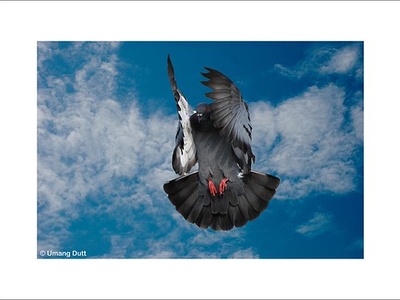
Rock pigeon
Domesticated pigeon feral populations in urban KC cause property fouling, spread pathogens and compete with native birds. Reduce feeding, exclude roosting sites, use humane deterrents, and report nuisance flocks to municipal animal control for guidance.
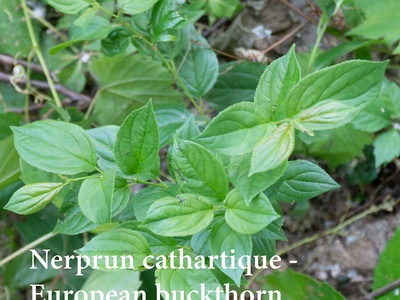
European buckthorn
Invasive shrub/tree invading woodlands, edges and hedgerows in KC, producing dense shade and berries eaten by birds that spread seeds. Remove seedlings by pulling, cut and treat larger stems, plant natives, and report heavy infestations to extension.