From bustling spice markets to quiet home kitchens, yellow-hued seasonings bring warmth and brightness to dishes around the world. They travel with trade routes and recipes, showing up in everything from Caribbean stews to South Asian dals.
There are 11 yellow spices, ranging from Annatto (Achiote) to Yellow mustard seed. For each, the entries list Scientific name,Origin (region),Flavor & color strength (max 15 words) — you’ll find below.
How do I choose a yellow spice when I want color but not too much flavor?
Start by deciding whether color or taste matters more: turmeric and annatto give strong color (turmeric also flavors), while safflower or lightly toasted achiote add color with milder taste. Bloom ground spices in oil to test intensity, add gradually, and pair stronger spices with neutral bases (rice, cream) to control impact.
Which of these yellow spices should I watch for allergies or dietary restrictions?
Mustard seed is a common allergen and often labeled on foods; annatto can cause sensitivities in some people, and blends might include traces of nuts or gluten. When cooking for others, check ingredient sources, label substitutions (turmeric or safflower for color), and disclose spice types to guests.
Yellow Spices
| Name | Scientific name | Origin (region) | Flavor & color strength (max 15 words) |
|---|---|---|---|
| Turmeric | Curcuma longa | South Asia (India) | Warm, earthy, slightly bitter; very strong yellow |
| Saffron | Crocus sativus | Mediterranean to Iran | Delicate floral, honeyed, haylike; very strong golden-yellow |
| Safflower | Carthamus tinctorius | Mediterranean/West Asia | Very mild, slightly bitter; moderate yellow |
| Annatto (Achiote) | Bixa orellana | Tropical Americas | Earthy, peppery, slightly nutty; moderate–strong orange-yellow |
| Yellow mustard seed | Sinapis alba | Mediterranean/Western Asia | Pungent, sharp, tangy; weak–moderate yellow |
| Curry powder | N/A | Blend (British-South Asian origin) | Warm, complex, turmeric-dominant; strong yellow |
| Asafoetida (Hing) | Ferula assa-foetida | Iran/India | Pungent, savory, onion-garlic like; weak yellow |
| Calendula (Pot Marigold) | Calendula officinalis | Mediterranean | Mild, peppery, slightly tangy; mild yellow |
| Gardenia fruit (Zhizi) | Gardenia jasminoides | East Asia (China) | Subtle floral, faint fruitiness; strong yellow dye |
| Chamomile | Matricaria chamomilla | Europe/Western Asia | Apple-like, floral; mild yellow infusion |
| Javanese turmeric (Temulawak) | Curcuma xanthorrhiza | Indonesia | Earthy, woody, bitter; strong yellow |
Images and Descriptions
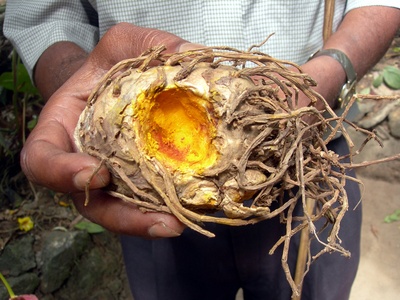
Turmeric
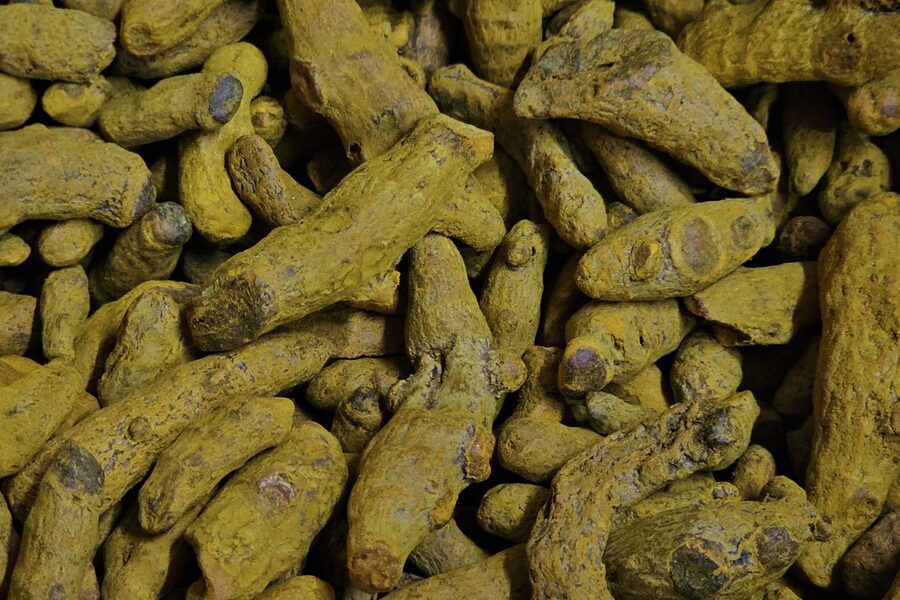
Bright yellow root used fresh or dried as powder; cornerstone of South Asian cooking. Adds earthy, slightly bitter flavor and vivid golden color to curries, rice, marinades, and pickles. Substitute safflower or annatto for color, ginger for warmth.
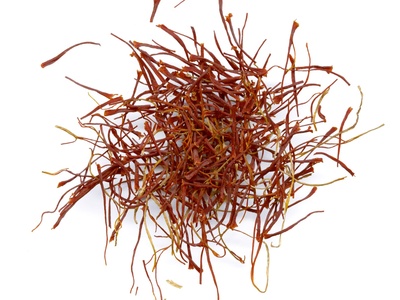
Saffron
Stigmas from crocus flowers that release an intense golden-yellow tint and floral aroma. Key in paella, risotto, desserts and teas. Extremely concentrated and expensive; use sparingly. Safflower or turmeric can mimic color but not the unique flavor.
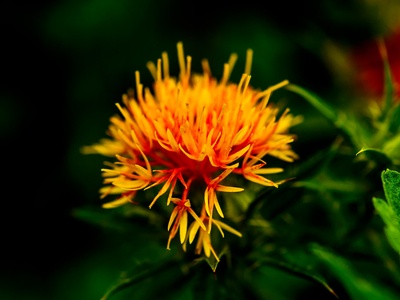
Safflower
Also called “false saffron,” dried petals are used to color rice, oils, and cheese with a gentle yellow hue. Flavor is faint and slightly bitter; often an economical visual substitute for saffron though less aromatic and less intense.
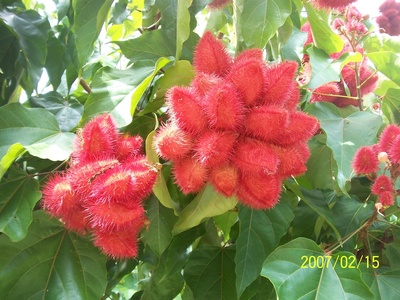
Annatto (Achiote)
Seeds used whole, ground, or infused in oil to color and lightly flavor Latin American and Caribbean dishes. Produces orange-yellow to orange-red tones depending on method; commonly used in achiote pastes and to tint rice, butter, and cheeses.
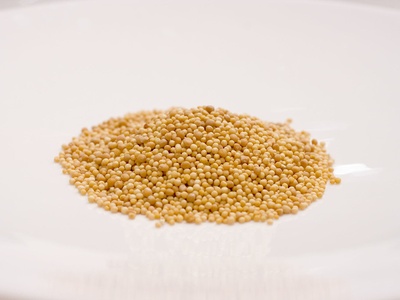
Yellow mustard seed
Pale yellow seeds and milled mustard powder are staples in pickling, condiments, and spice blends. Seeds add a warm pungency; powders contribute mild yellow hue to mustards and dressings. Brown mustard seeds substitute for flavor but change color and heat.

Curry powder
Commercial blend centered on turmeric, cumin, coriander and fenugreek; widely used to flavor and brightly color stews, sauces, rice and marinades. Yellow color comes chiefly from turmeric; blends vary widely—adjust to taste or rebuild from individual spices.
Asafoetida (Hing)
Resinous spice sold as pale-yellow powder often mixed with rice flour. Used in tiny amounts in South Asian cooking as an onion/garlic substitute; lends umami and slight yellow tint to dals and legumes but does not strongly dye foods.
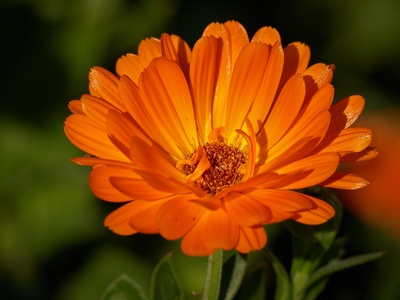
Calendula (Pot Marigold)
Edible petals used as a saffron substitute for color and subtle flavor in rice, soups, salads and baked goods. Provides a sunny yellow-orange hue and light floral-peppery notes; less intense color than saffron but affordable and decorative.
Gardenia fruit (Zhizi)
Dried gardenia fruit used in Chinese cuisine and confectionery to produce a bright yellow color for rice, tofu and pastries. Acts as a potent natural colorant with a mild aroma; used when color is desired without saffron’s flavor.
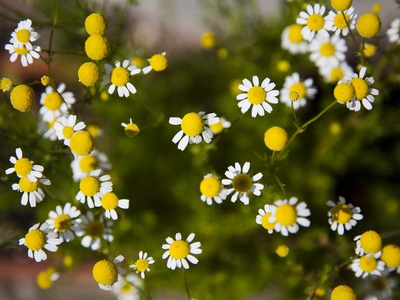
Chamomile
Dried chamomile flowers are brewed as tea or steeped into syrups and custards to lend a pale yellow color and gentle floral-apricot flavor. Not a strong dye but valued for soothing aroma and delicate coloration in desserts and beverages.
Javanese turmeric (Temulawak)
A turmeric relative used in Indonesian cooking and jamu (herbal drinks). Roots are drier and woodier than common turmeric but yield a vivid yellow color in pastes, spice blends, and beverages. Good local substitute for color and bitter spice depth.